
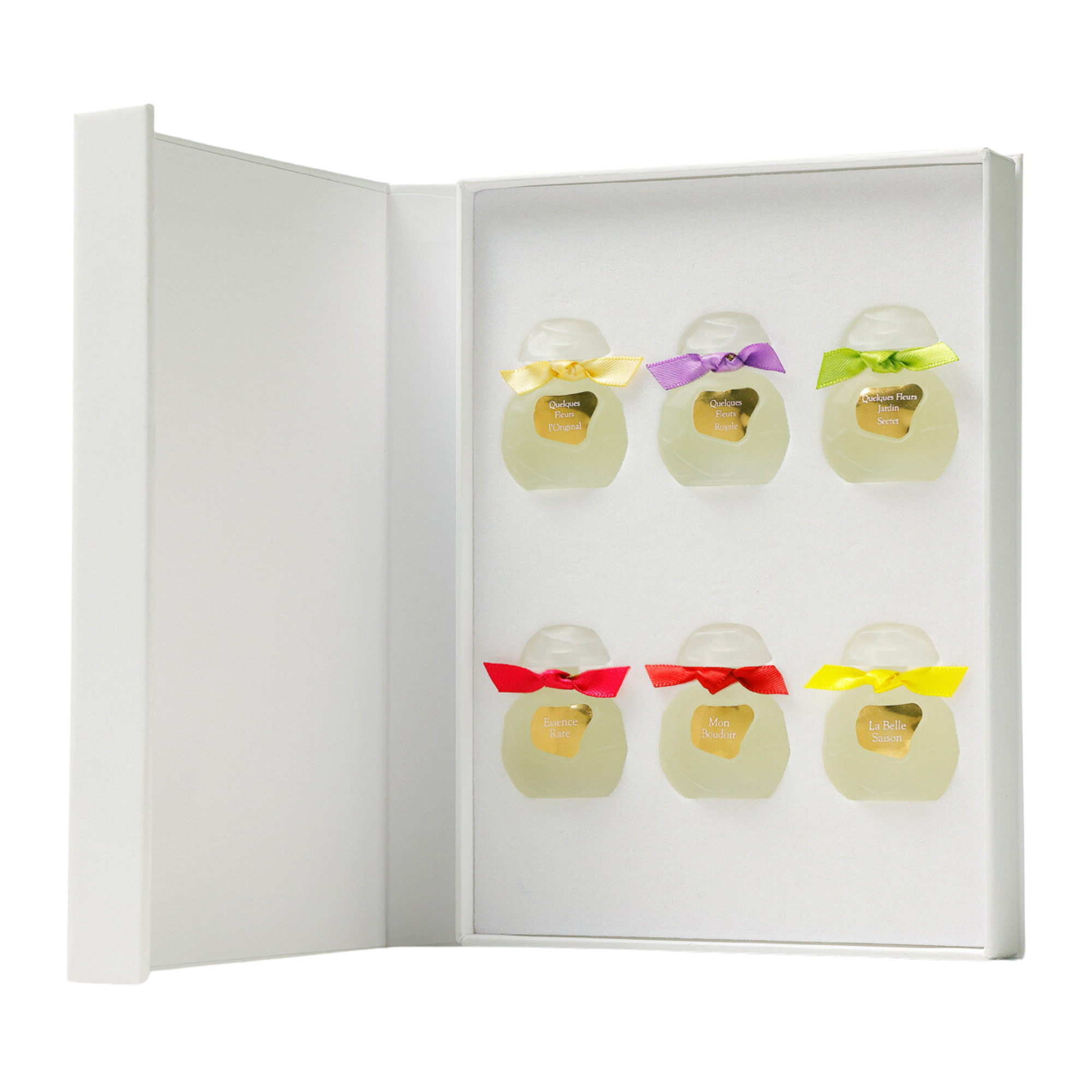
Miniature presentation can combine bottle outlines, labels and decorative details. Confirm actual contact areas and removal access for the supplied containers. Third-party reference; not a Bravo Package project.
PERFUME PACKAGING · SAMPLES AND DISCOVERY SETS
Both formats can hold small amounts of perfume, but liquid capacity does not specify the packaging. A miniature collection may emphasise recognisable bottle shapes and gifting; a vial set may prioritise trying several fragrances. Confirm those jobs for the project. Neither label establishes a fixed structure, closure or support material.
Specify the containers before comparing the boxes
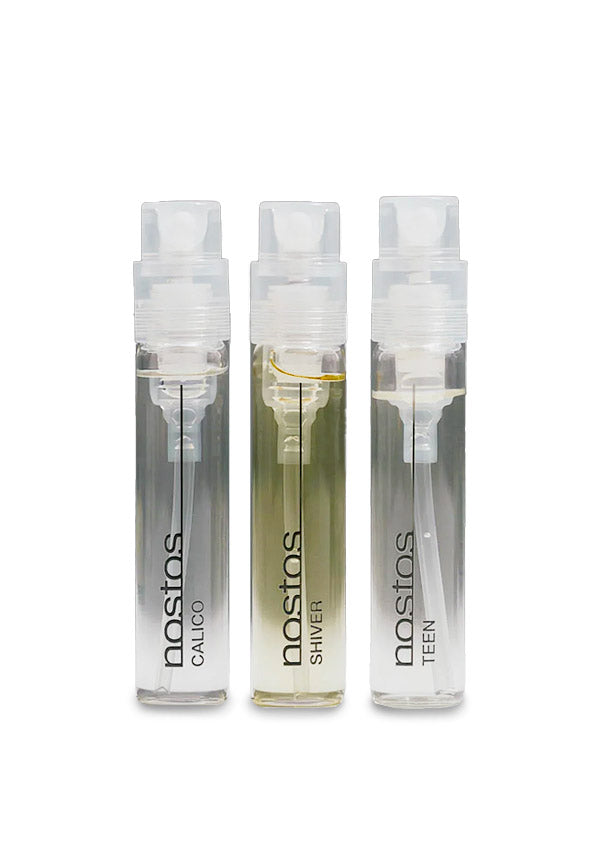
Obtain complete assembled samples, including bottles, caps, atomizers or other closures, cases and labels. Record the maximum outline, protruding parts, weight and agreed contact areas for every supplied version. Miniature, sample, vial and travel size can overlap as commercial descriptions. A slender vial is not automatically a spray, and a miniature is not automatically a dabber.
Bottle shoulders, bases and decorative caps can change support needs. Similar nominal capacities do not mean identical dimensions. Do not scale a full-size bottle drawing to infer a miniature's outline. Even where samples share a basic vial, check the actual closure, label build and supply version.
Plan support around actual contact areas
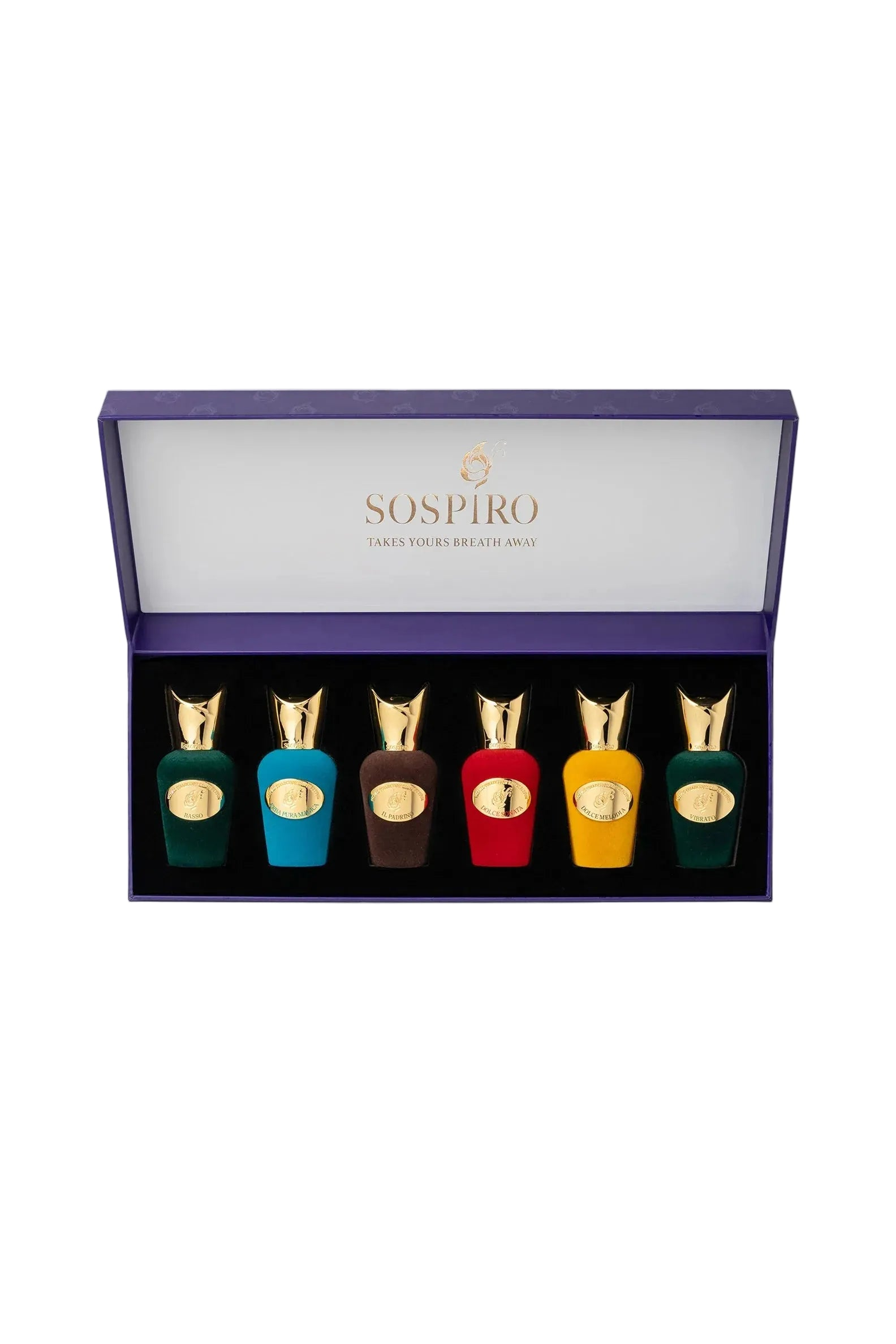
A miniature may require support around a wider body or an irregular outline. A slender sample needs its own review of location along its length and replacement after use. Do not design openings from a top view alone or assume that a prominent decorative cap is an approved load-bearing point.
Review the complete containers in a formed support with the outer box closed. Check closure pressure, support movement and possible contact between products. A photograph can suggest questions, but it does not establish material, clearance, retention force or shipping performance. Recheck after dimensional or component changes.
Compare presentation and practical removal
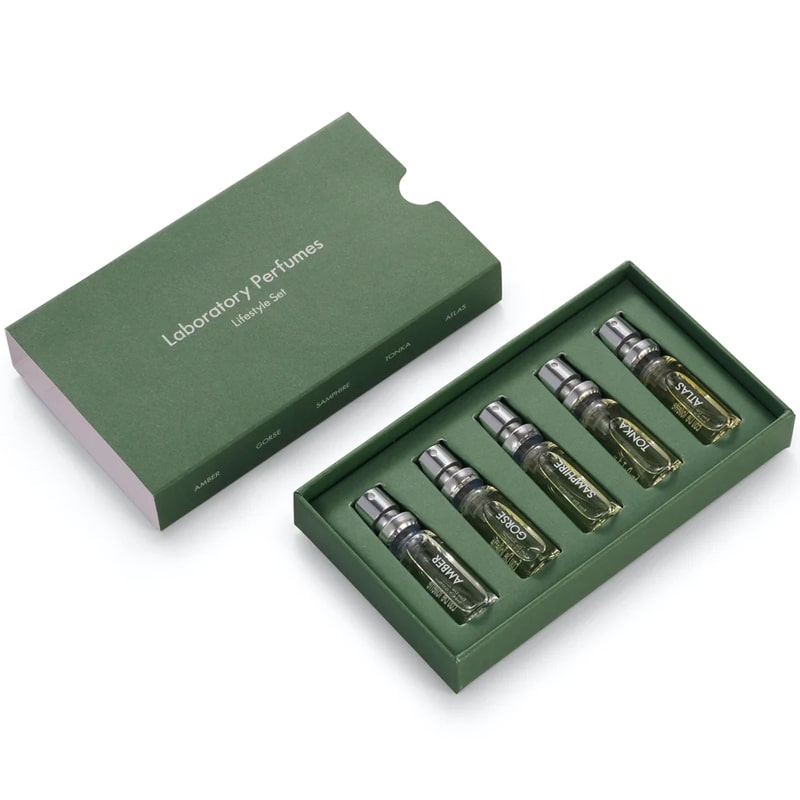
For a gifting brief, agree which bottle faces appear first and which names need to be visible on opening. For repeated sampling, follow the sequence of taking out one item, removing several, identifying them and returning them. A set can serve both purposes. An attractive arrangement does not replace access checks.
Provide access to agreed gripping areas on the container rather than making the user pull only on a cap or small ornament. Check whether removal lifts the support or disturbs adjacent products. Confirm that the set closes after replacement. Review container operation separately from the opening method of the paper box.
Control assortment identity and additional items
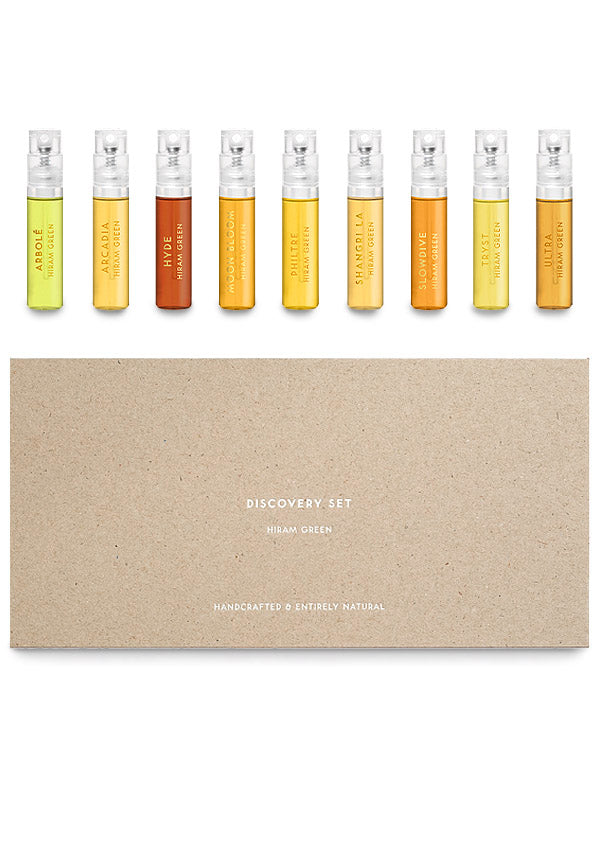
Fix fragrance names, quantities, order and container versions before planning positions, spacing and guide cards. Distinctive bottle shapes can help recognition, but should not be the only identifier. Similar vials should not require customers to remember the original order. Each removed container still needs appropriate identification.
List routine guides, instructions and redemption information separately from temporary promotional gifts. Confirm whether an additional item actually belongs inside the same outer box; a marketing offer alone does not establish the packing list. When assortments change, update support versions, position names and assembly files together.
Treat a shared outer box as a verified option
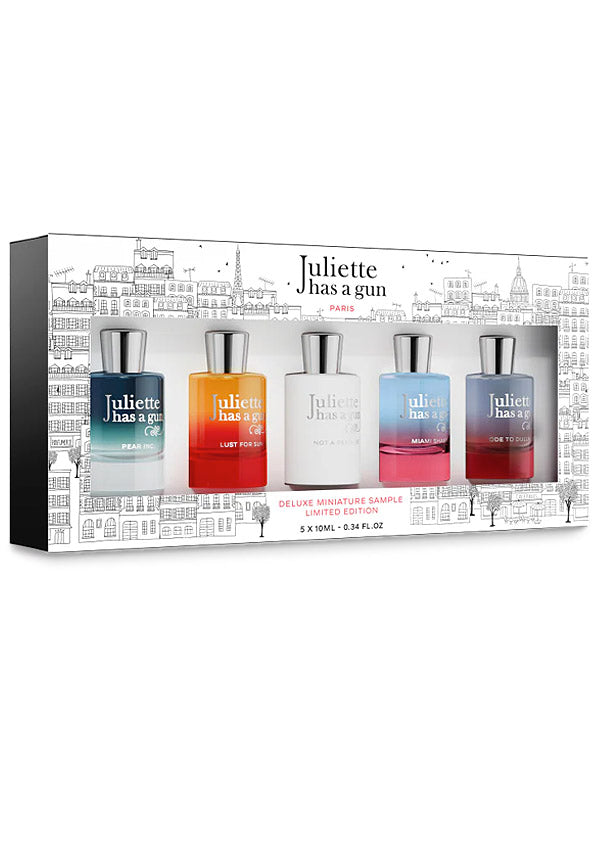
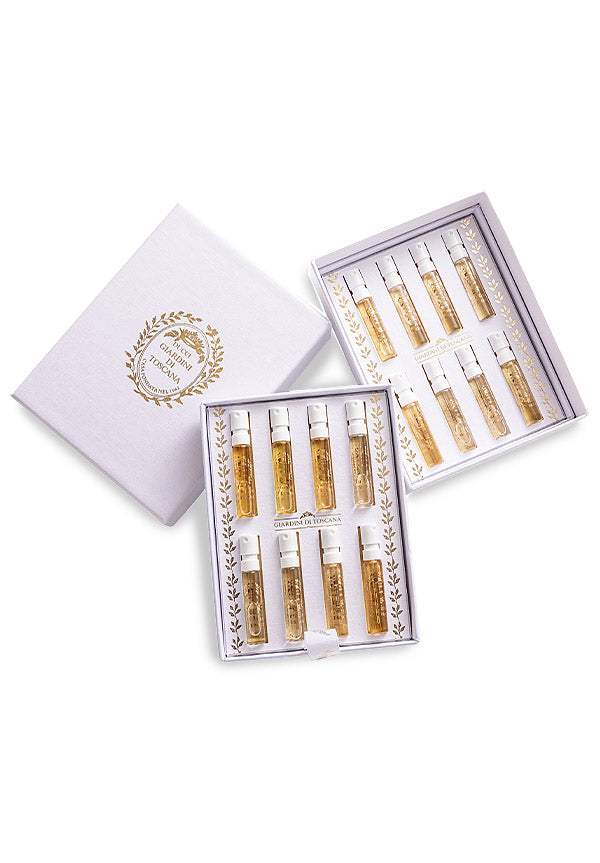
If several assortments are to use one outer box, check each complete combination for its outline, access, orientation and closure. Differently shaped miniatures may require different supports. A change in vial count or length may also affect the layout. Simply fitting the contents inside is not enough to approve a shared structure.
A comparable quotation identifies the carton or rigid box, supports, cards, finishes, assembly and shipping components. Distinguish flat from assembled supply, version changes and additional parts. Compare the complete packing scope rather than the price of an empty box. Select a box style according to its intended use, production process and verification results.
Verify the delivered combination for either format
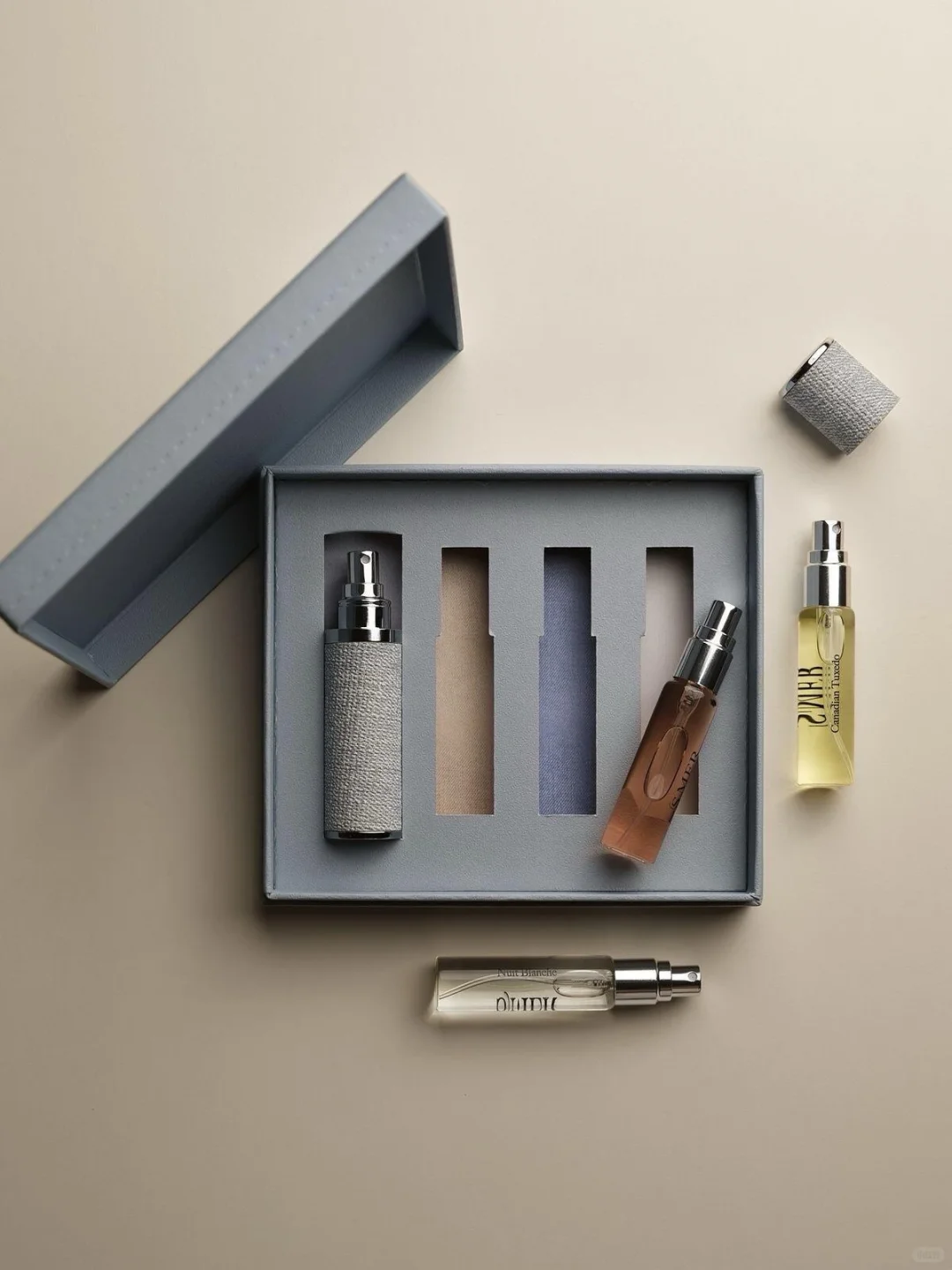
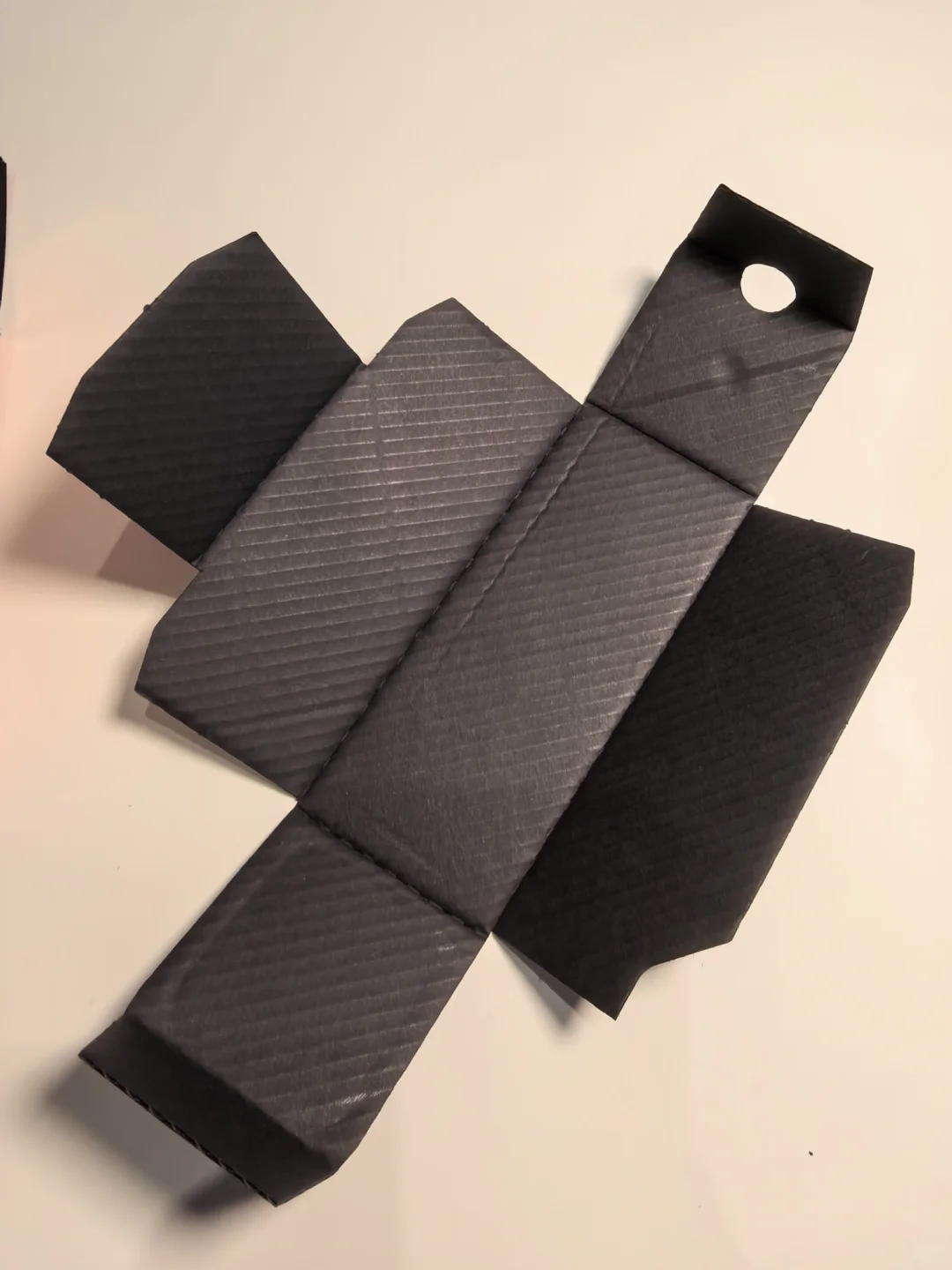
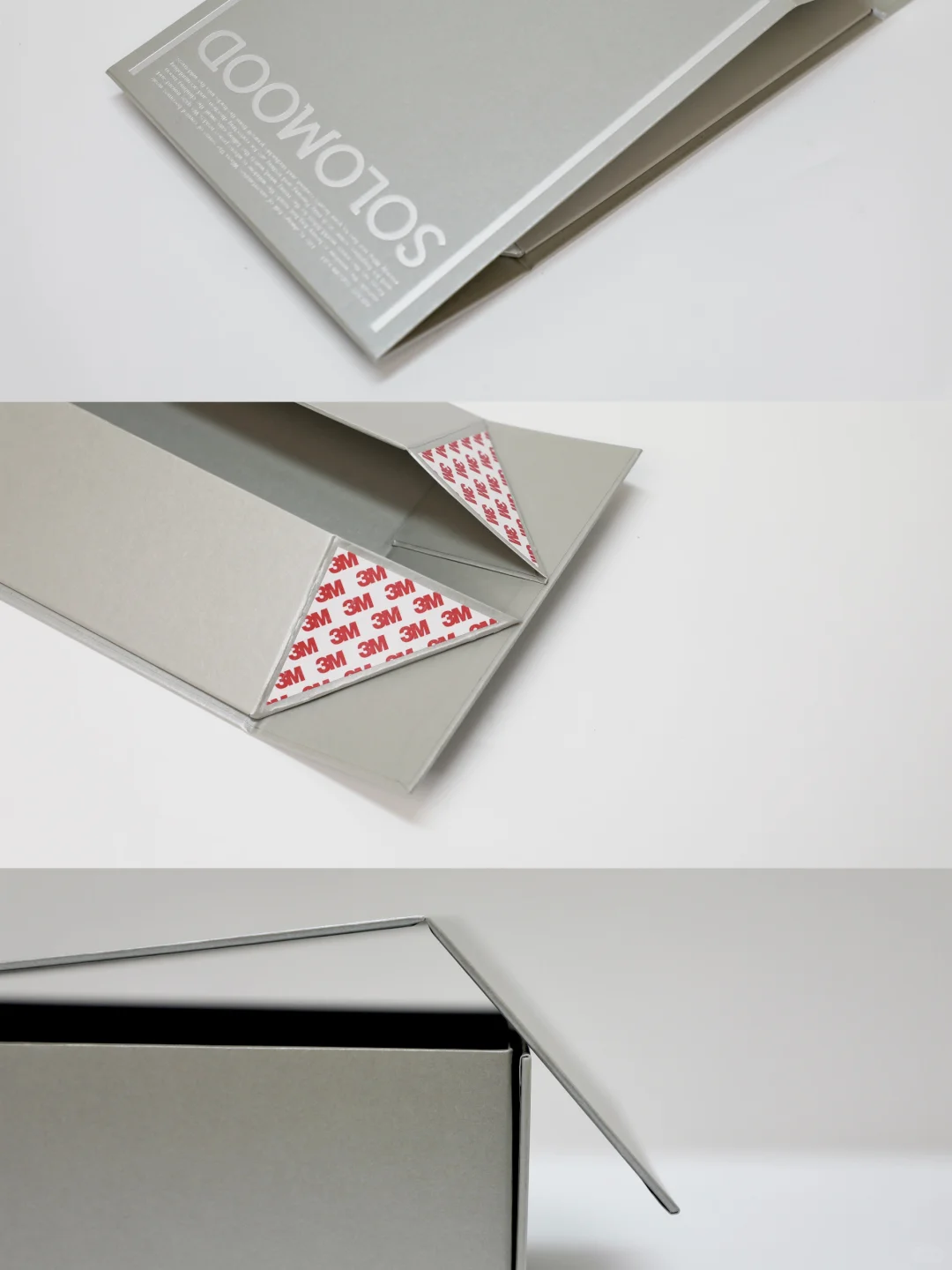
Check actual bottles, caps, labels, supports, cards and outer packaging together through insertion, removal, replacement and closure. Record contact, rubbing, movement and obscured information. Arrange appropriate verification for the distribution conditions. Define retail presentation and dispatch protection separately, then assess the delivered combination.
Retain the contents list, dimensional basis, approved sample and check records for reorders. Container sealing needs its own verification; a paper box cannot substitute for it. Leak resistance, breakage protection and delivery timing should not be promised from a presentation photograph. The useful comparison follows the actual products and their tasks, rather than the capacity or format name alone.