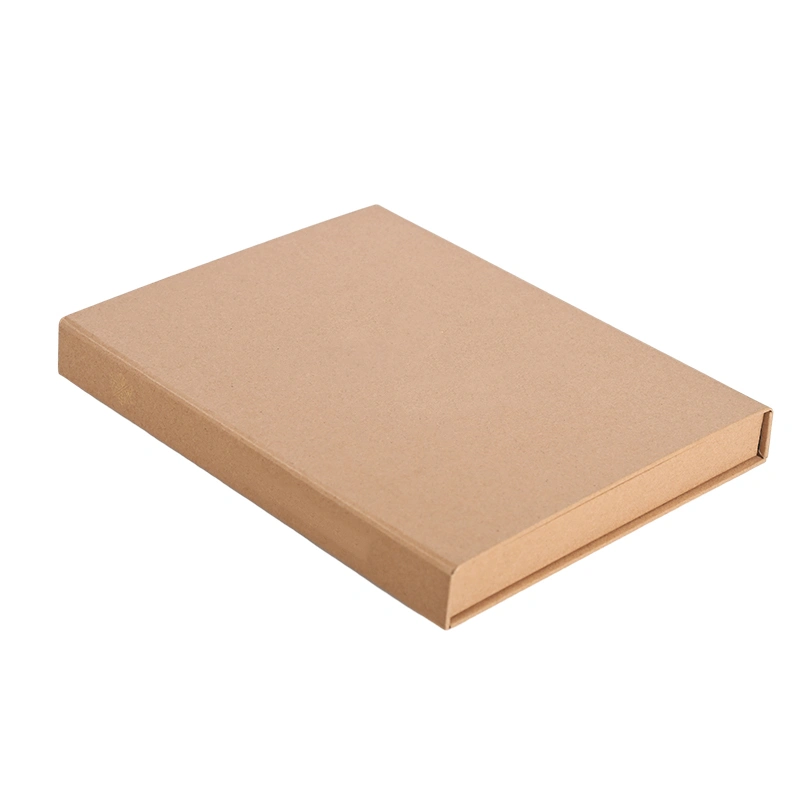
A closed cover identifies the opening edge; this appearance reference does not reveal the concealed closure or validate bottle fit. Third-party reference; not a Bravo Package project.
PERFUME PACKAGING · CLOSURES
Choose a perfume-box closure by defining its job. Reclosing after everyday use, resisting unintended opening during delivery and showing evidence of first opening are separate requirements. Magnetic closures, paper locks and sleeves cannot be ranked by appearance alone. Review opening, bottle removal, replacement and closing with the final contents, then assess the corresponding shipping configuration.
Separate the closure task from the box style
Book-style, drawer and lid-and-base describe different opening formats. Magnets, paper tabs, sleeves and adhesive seals describe components or actions within the packaging. One pack may combine several: a sleeve around a hinged box, for example, or a paper tab used alongside an adhesive strip. List them separately in the brief.
Describe where users find the opening, what they hold and which components remain attached. State whether the pack should be reclosed repeatedly, used frequently at a counter or opened once without restoring its original seal. A handle, decorative ribbon, pull tab and cover-retaining component can look similar while serving different purposes. Identify them clearly in drawings and samples.
Specify any requirement for visible first-opening evidence or resistance to unintended opening during delivery separately, together with the agreed validation. A reclosable magnet or paper tab does not establish that a pack has remained unopened. A sleeve is not automatically a tamper-evident feature. An ordinary opening demonstration cannot approve either shipping performance or tamper evidence.
Assess both opening and closing with magnets
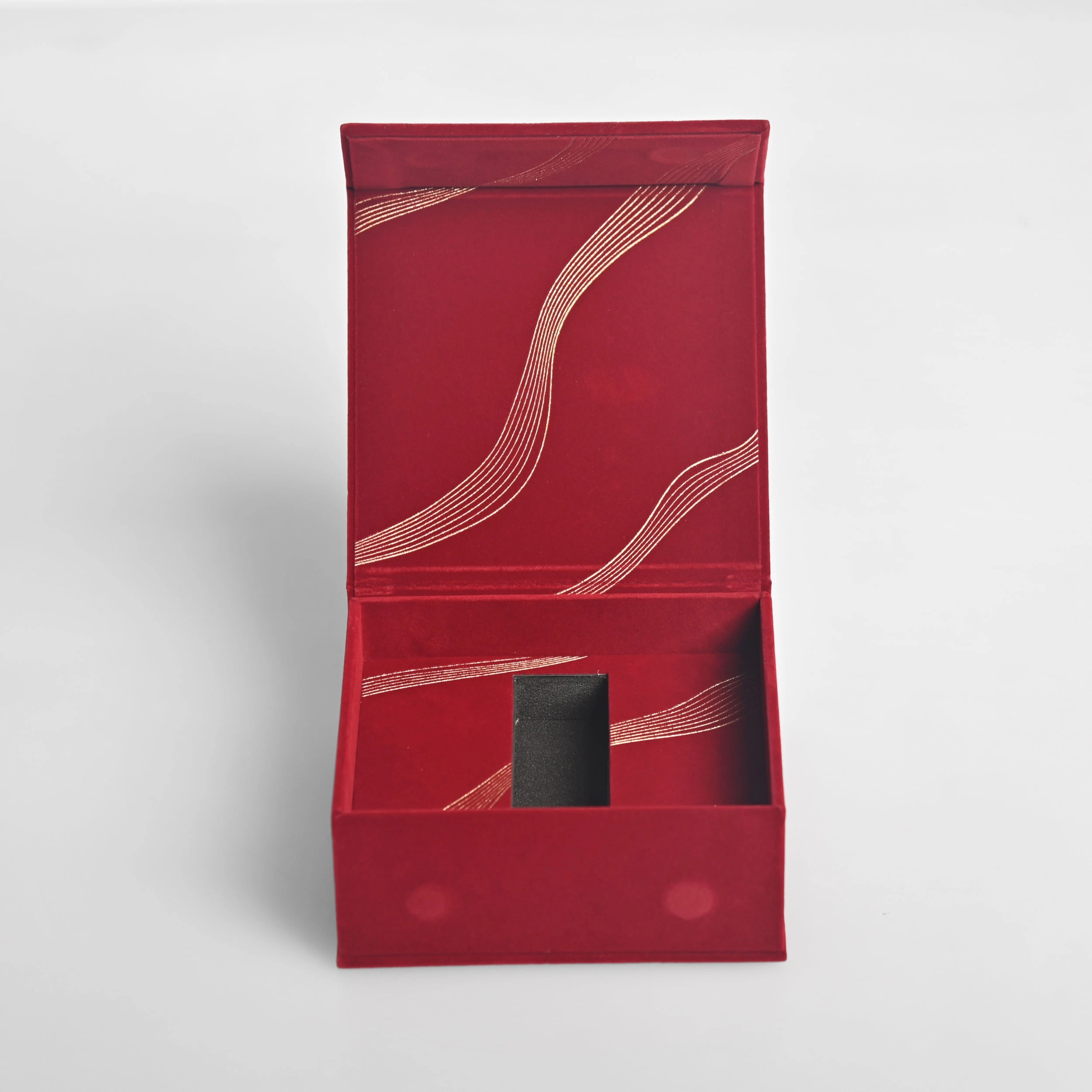
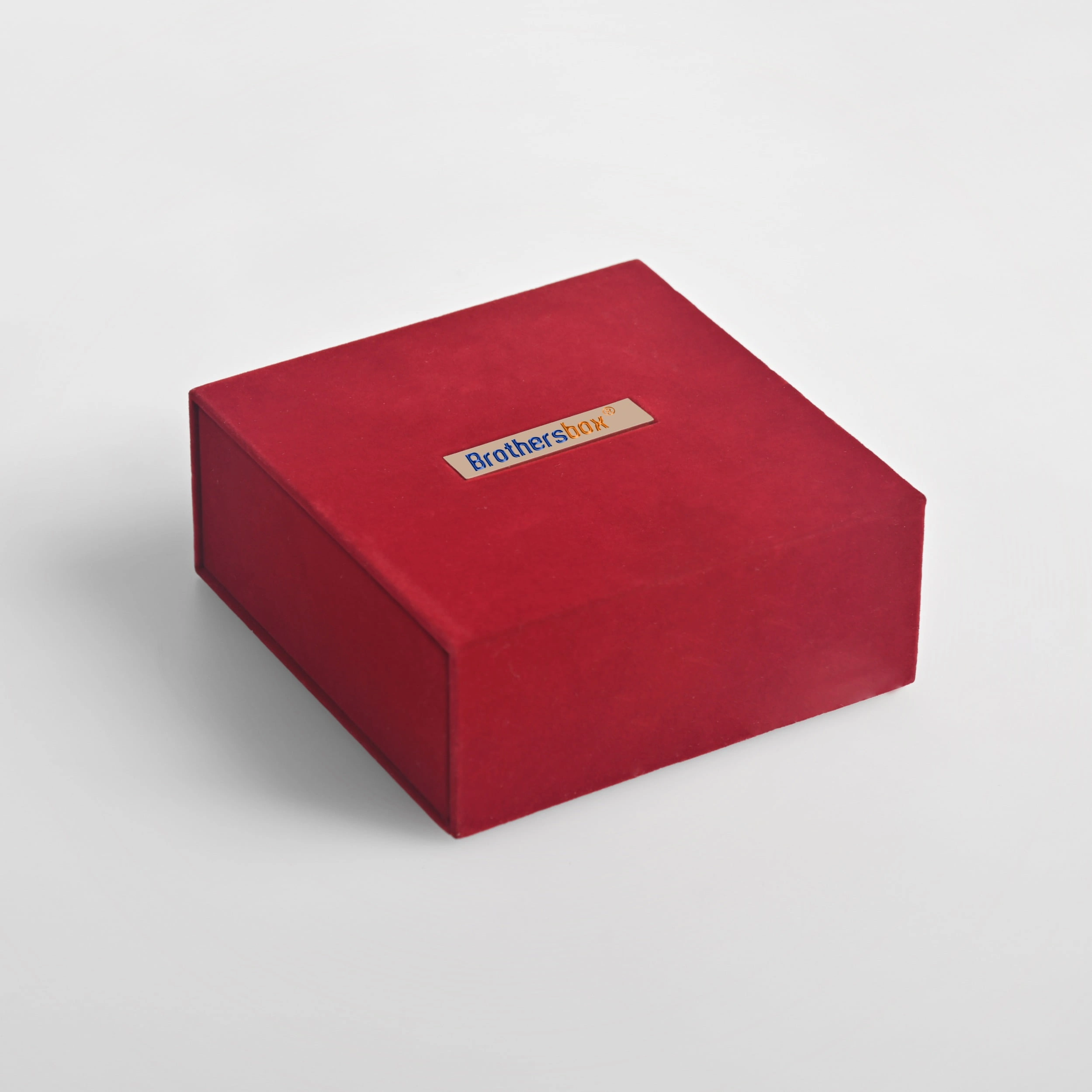
Review a magnetic arrangement with the final covering paper, finish and construction. Does the cover reach its intended closed position? Do the contact areas align? Does it spring back unexpectedly? Open it as a user would and check whether the fingers can find a suitable grip without awkward pulling or disturbance to the box or bottle.
Stronger attraction is not a complete experience specification. Difficulty opening, misalignment and lifting are observations to investigate. Record the location, action and sample number so the supplier can assess the closure, attachment, box and covering materials together. Do not prescribe a magnet grade, thickness, quantity or universal force value from an online example.
A closing sound may contribute to the intended presentation, but it is not proof of a reliable closure. Hidden magnets also do not establish permanent attachment or unchanged performance through repeated use. Where measured opening behaviour or repeated handling matters, agree the configuration, method and acceptance conditions, and retain the corresponding results.
Define how a paper lock engages and releases
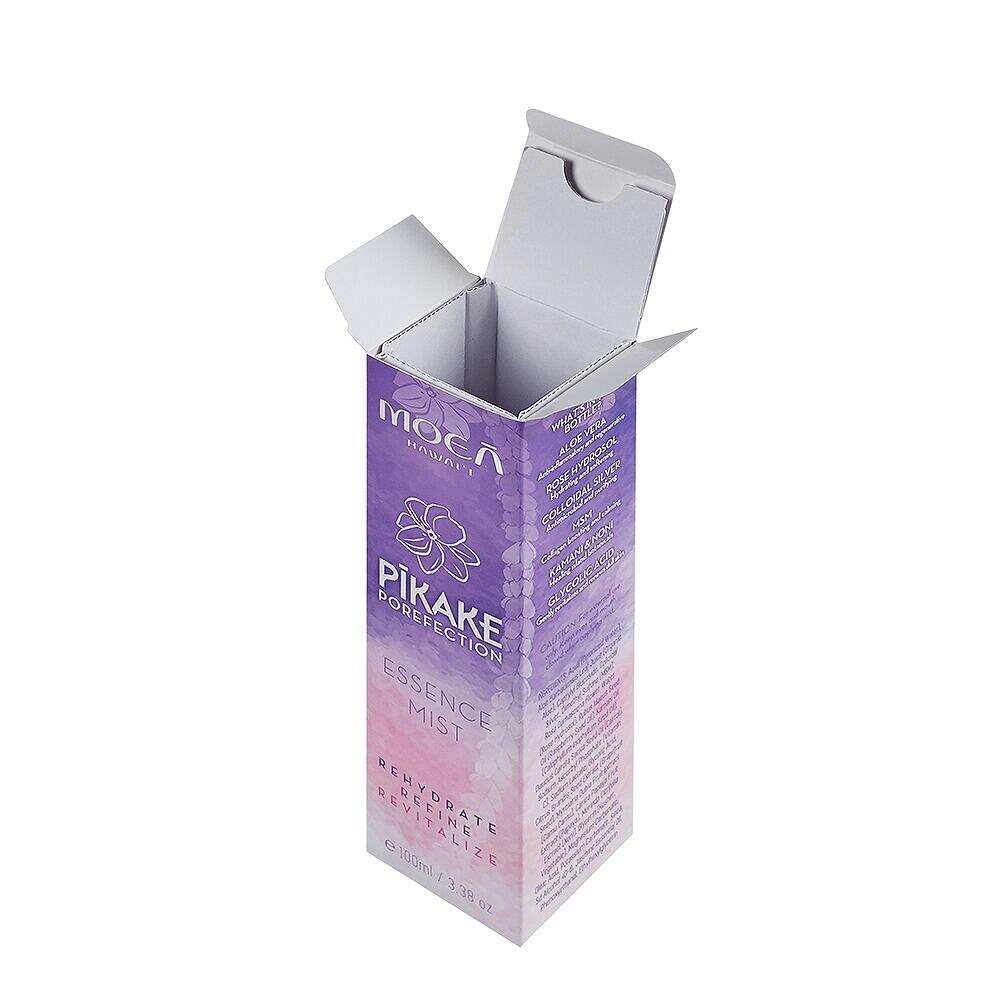
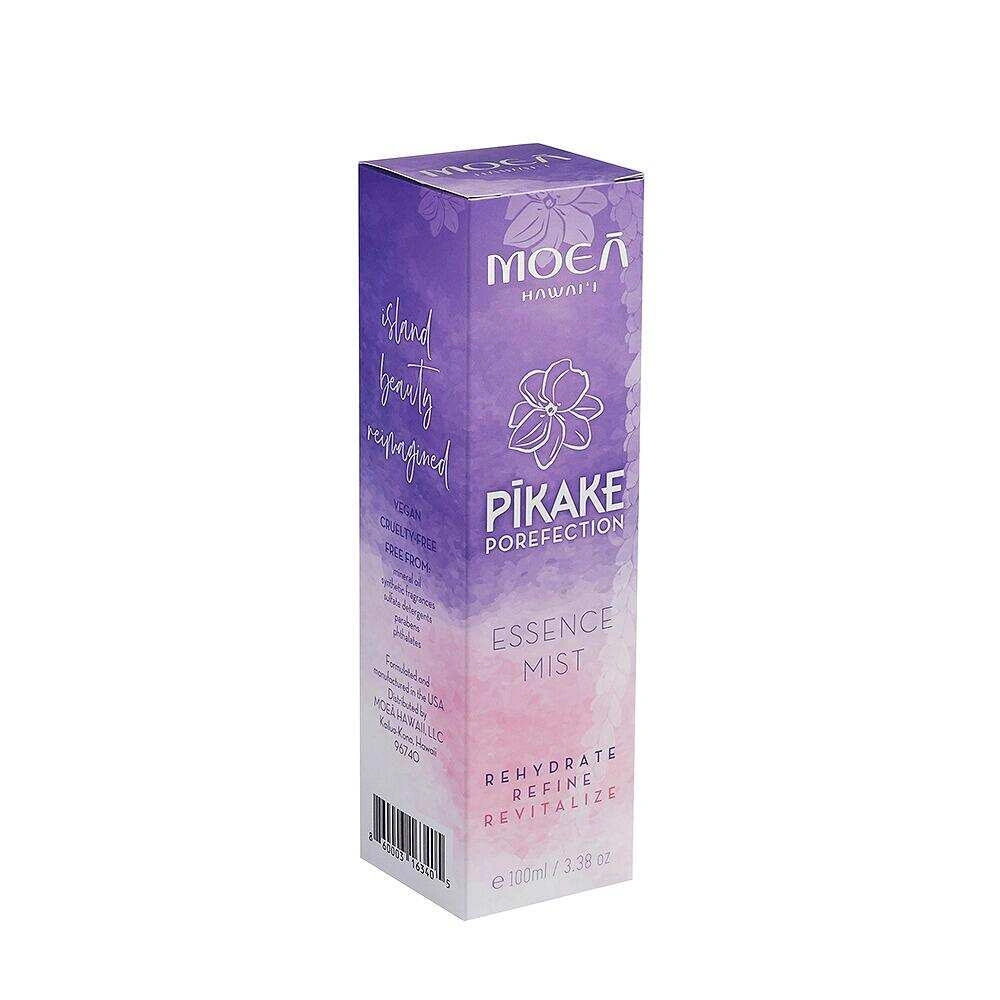
Paper lock can refer to a tuck tab, a shaped interlock or another arrangement of paper components. The name does not replace a structural drawing. Identify the entering part, receiving location, folds and release direction. Then operate the sample and observe whether users can locate the opening and release it without unwanted creasing, tearing or catching.
A carton end closure, a supporting bottom and a front tab retaining a hinged cover have different tasks. State which component is being reviewed. A double-tab description cannot establish retention of a glass bottle; assess the assembled pack containing the actual contents.
A paper tab and an adhesive strip may coexist. The adhesive may serve the first seal while the tab provides later reclosure. Describe both operations. For a tear-open feature, actually open it and record difficulty starting, premature breakage, residual paper edges or an interrupted tear. Ask the supplier to investigate rather than assigning the cause to pressure or paper thickness from a photograph.
Specify what the sleeve covers and how it moves
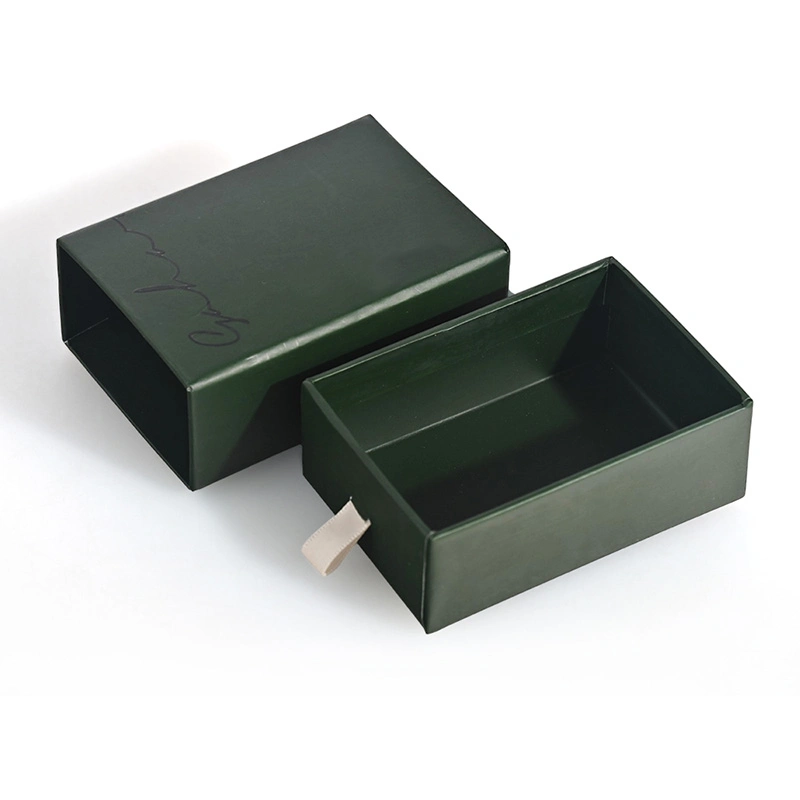
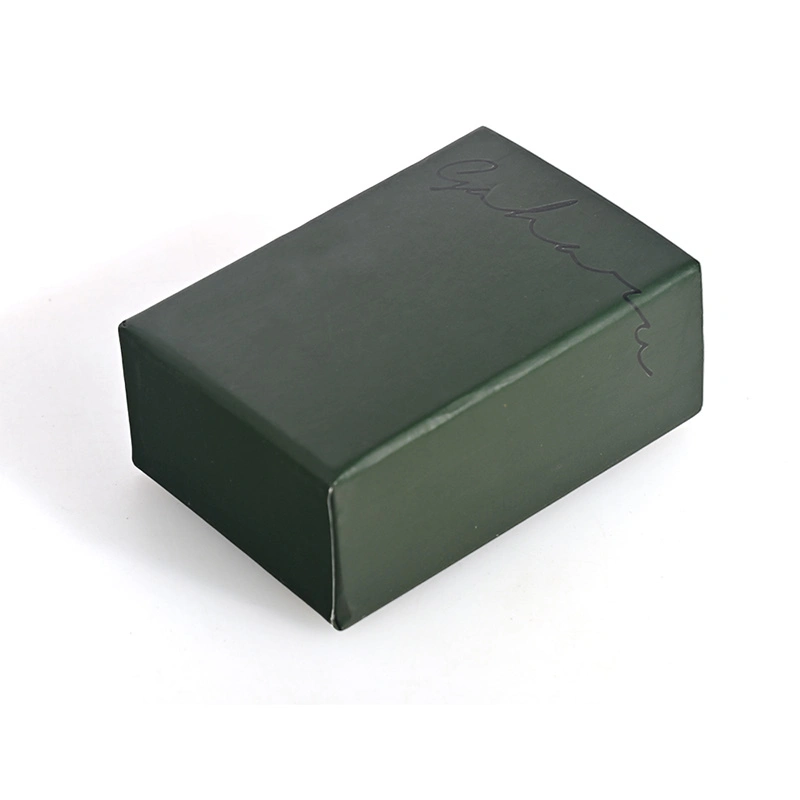
A sleeve can provide an outer information surface and may work with the inner box as part of its closure or restraint. State what it surrounds, which faces it covers, where its openings are and whether it is removed completely or moved partway. A narrow belly band, an outer sleeve and a drawer housing should not be treated as identical because their shapes look similar.
Check fitting, removal and replacement against the final finished surfaces. Is rocking needed? Does an edge rub the print? Does the sleeve slip during the intended handling? Does its seam interfere with movement? Link observations to a sample and direction. An unexplained request to make it tighter may create a new removal problem.
Review text direction, seam position and inner-box graphics together. Identify where barcodes or other required information remain visible once the sleeve is fitted. Paper weight or a generic dimensional difference cannot establish suitable fit. Check the sample after the materials, construction and finish are confirmed.
Review bottle support and the shipping pack separately
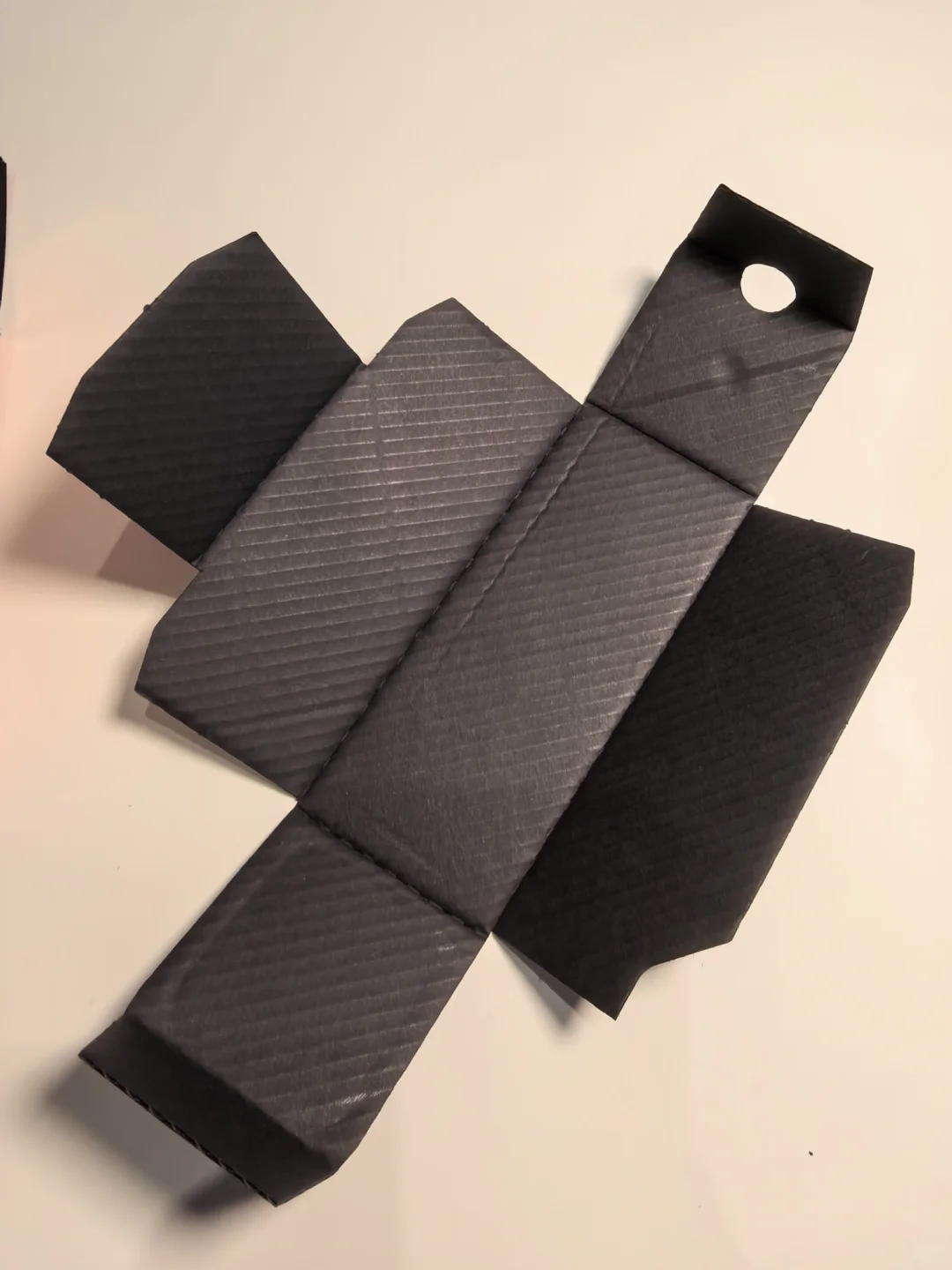

A closure cannot provide all the support a bottle needs inside the box. Include the final cap, pump, label and accompanying items. Check for unwanted pressure during closing, whether users are encouraged to pull only on the cap and whether the pack closes as intended after replacement. For sets, remove and return every item while observing the rest of the contents.
Plan the sales closure alongside the shipping configuration, with separate validation for their respective tasks. A magnetic closure, tab or sleeve does not remove the need to assess the carton, packing arrangement, support and other protection specified for the project. A rigid appearance, smooth empty-box demonstration or supplier claim of drop resistance cannot substitute for validation with the contents installed.
Review material and disposal claims against the complete configuration too. Removing magnets does not establish the absence of all non-paper components. A paper lock or sleeve does not prove that the whole pack is recyclable in every location. Base any statement on the actual materials and applicable processing conditions rather than the closure name.
Record the approved closing sequence
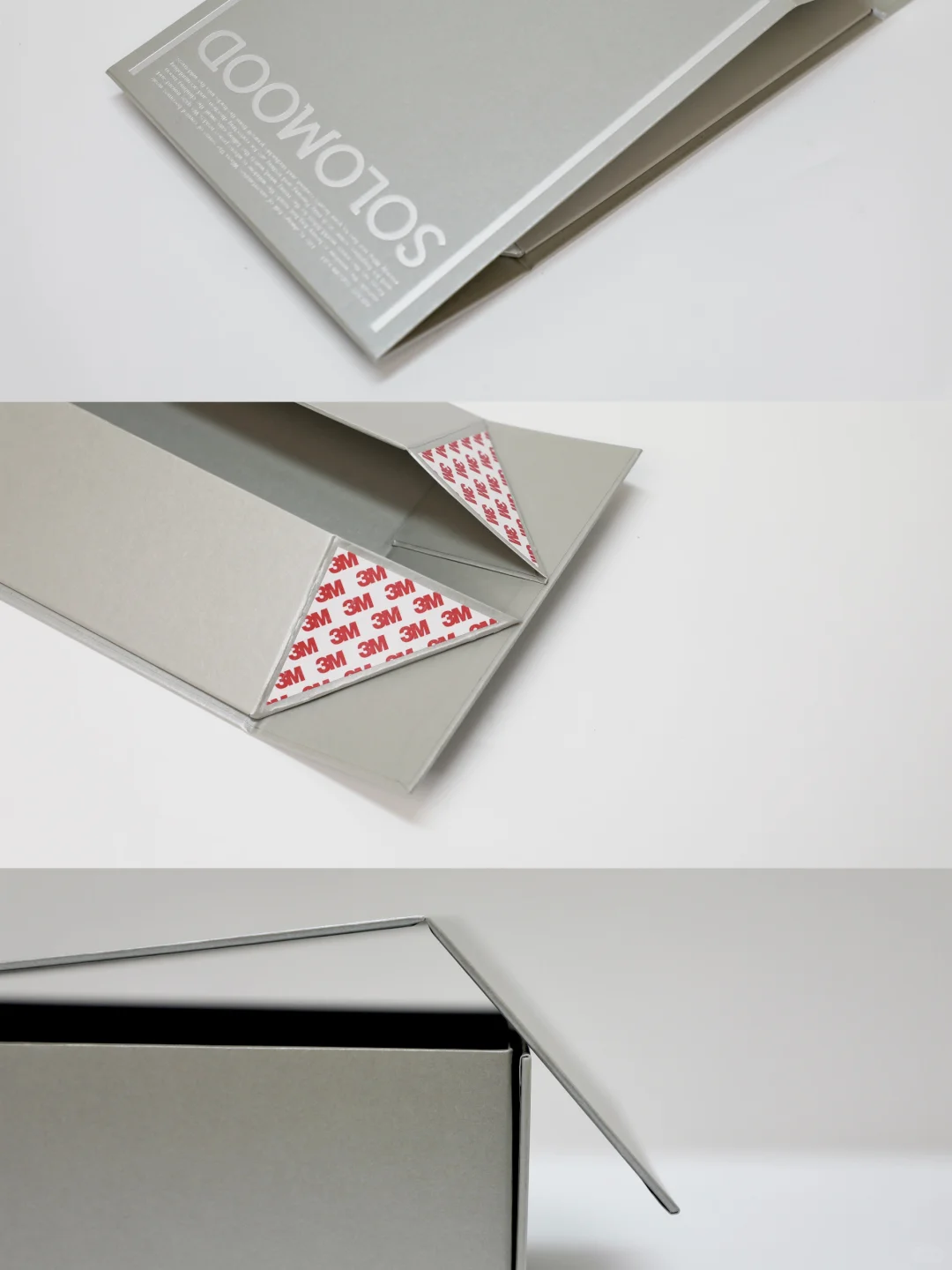
Link the structural drawing, outer and inner artwork, bottle and insert list, closure and finish versions to the same approved sample number. Record first opening, ordinary opening, product removal, replacement, reclosure and the intended shipping arrangement. Show the direction and location of any component that must be removed and refitted.
Changes to covering paper, closure components, sleeve seams, supports or caps may require the relevant operation to be reviewed again. Quotes and reorder records should refer to the same configuration. Avoid comparing the feel of samples made with different materials or contents. Preserve the observed action and condition before deciding on a correction.
A suitable closure should tell users how to open the pack and let the brand describe the intended closed state. Define those requirements separately from bottle support, first-opening evidence and shipping validation. Then assess them with the complete physical configuration.
Photographs are third-party packaging references, not Bravo Package manufacturing projects or test evidence. Confirm materials, construction, dimensions and acceptance methods for the specific project.