
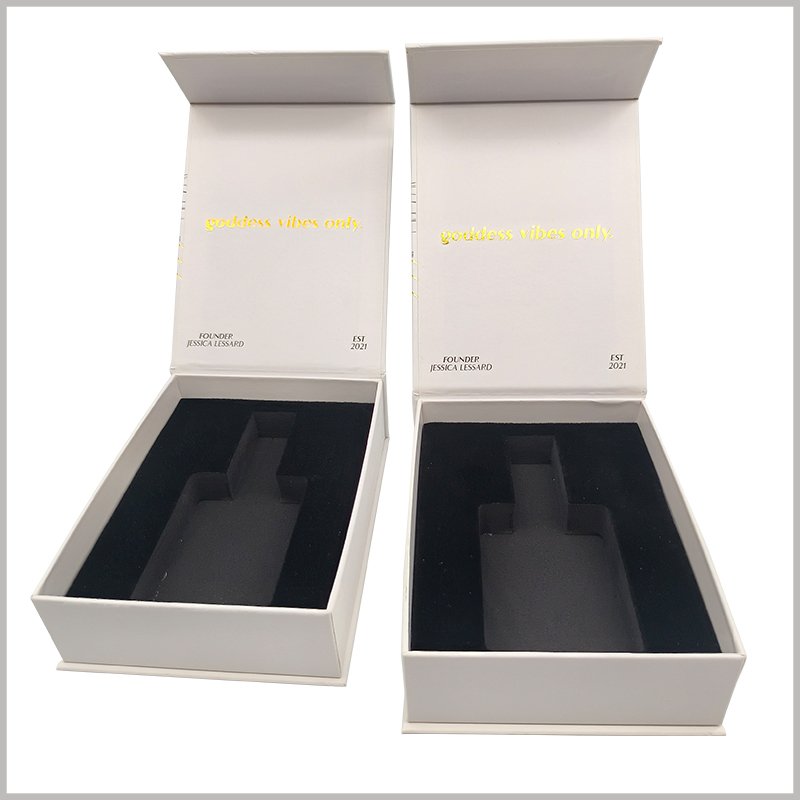
Matching presentation styles do not establish shared dimensions or interchangeable inserts. Confirm each actual configuration separately. Third-party reference; not a Bravo Package project.
PERFUME PACKAGING · SHARED OUTER BOXES
A shared outer box is an option to compare, but 30ml, 50ml and 100ml do not provide enough information to approve it. Capacity describes the contents, not the finished bottle's outline. Bottles in one range may have different caps, shoulders, labels or decorations. A lid that closes does not establish suitable location, presentation height or removal access for every product.
Define what shared means first. The same box style, outer dimensions, structural file, printed artwork and complete box-and-insert assembly are different levels of commonality. Put that scope in writing before comparing proposals, so the parts retained and the parts made or managed separately are clear.
Build an actual product record for each capacity
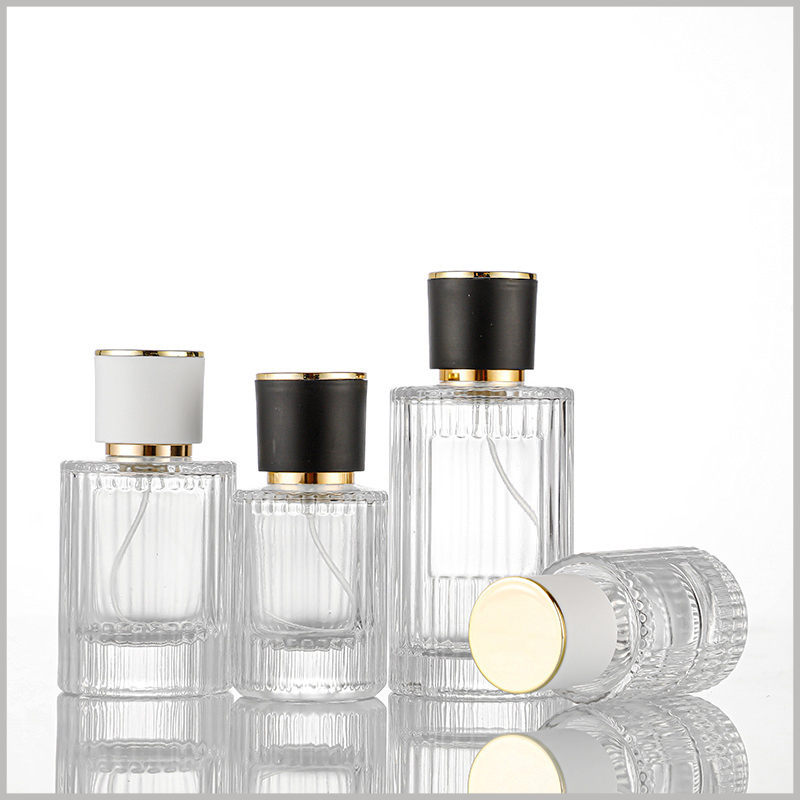
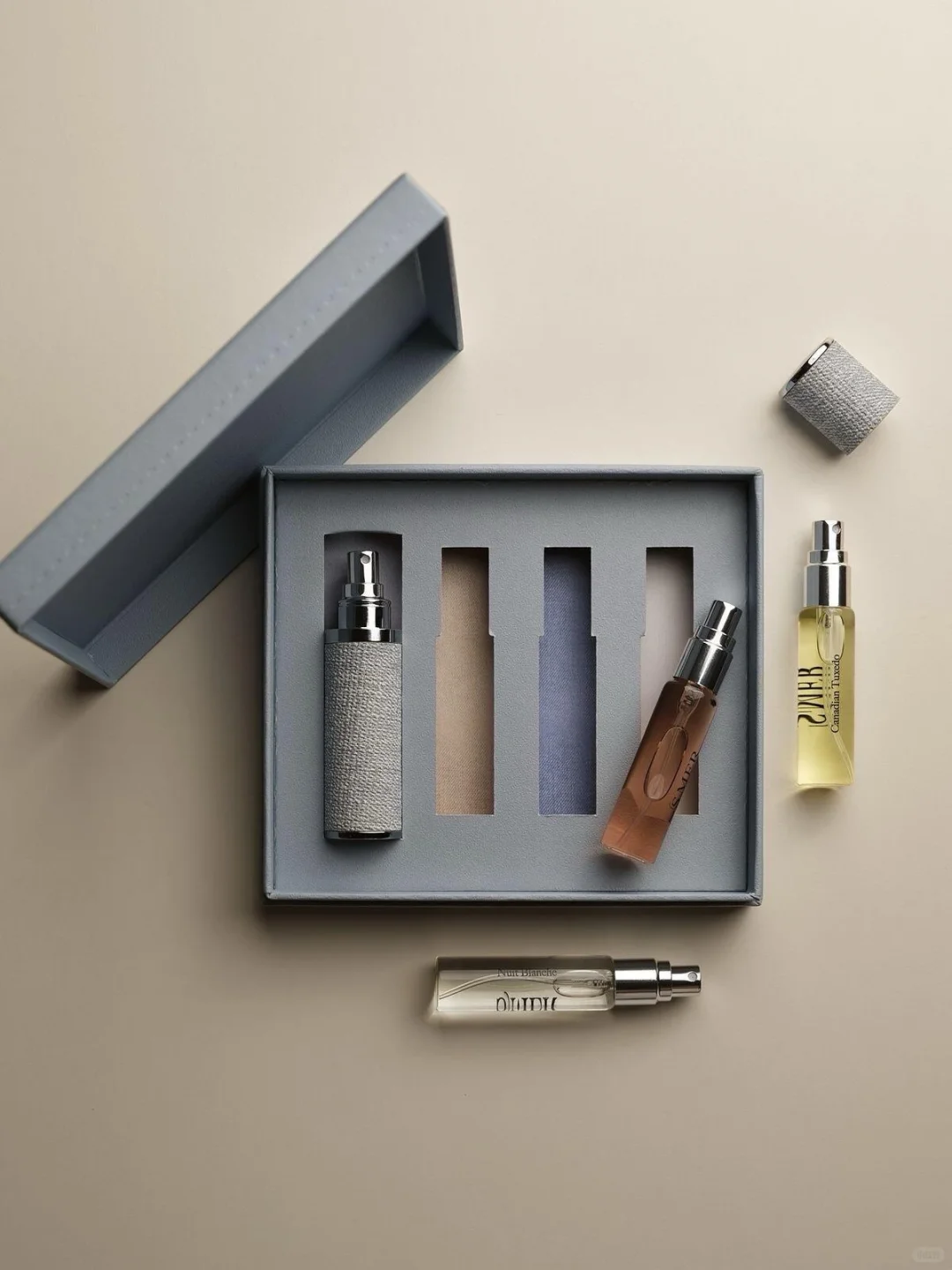
Give each bottle configuration an identifier and provide the final cap, sprayer, label and decoration on the sample or in the corresponding engineering information. Record the complete outline, intended position, filled condition, accessories and retained protective components. Two bottles with the same stated capacity still need separate records.
Do not scale a small bottle drawing according to capacity, or substitute the largest-capacity bottle's height for every product input. Compare the widest body areas, shoulders, caps and projecting details to identify the constraints on usable space. Establish which configuration needs the most room from the actual information and sample, rather than ordering them by capacity alone.
List planned additions as configurations still to be developed. Without the relevant sample or dimensions, keep their compatibility unconfirmed. Approval for today's three products cannot automatically include a future bottle shape.
Separate the outer-box decision from the insert decision
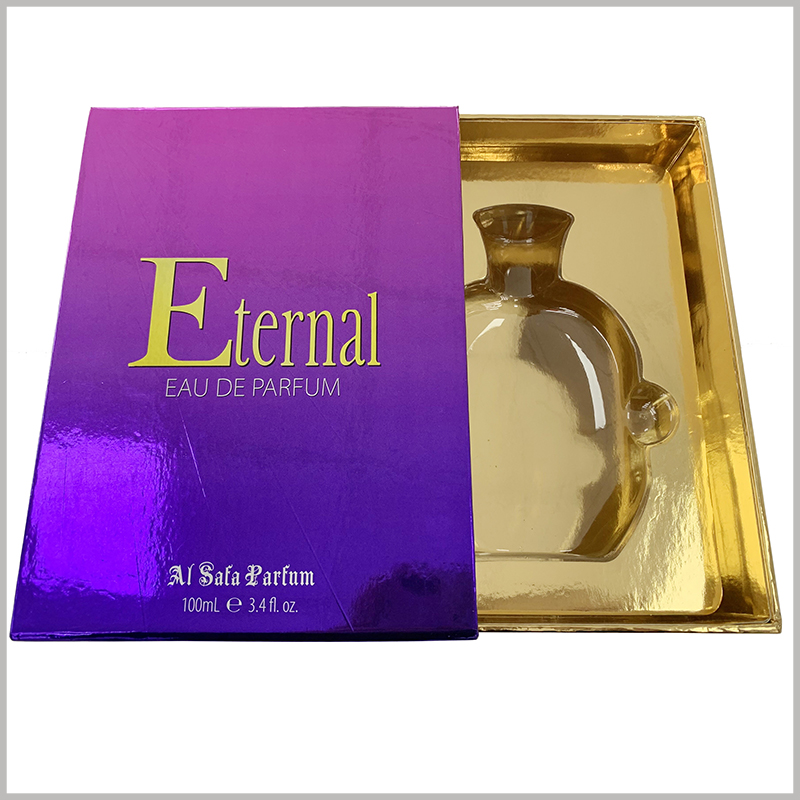
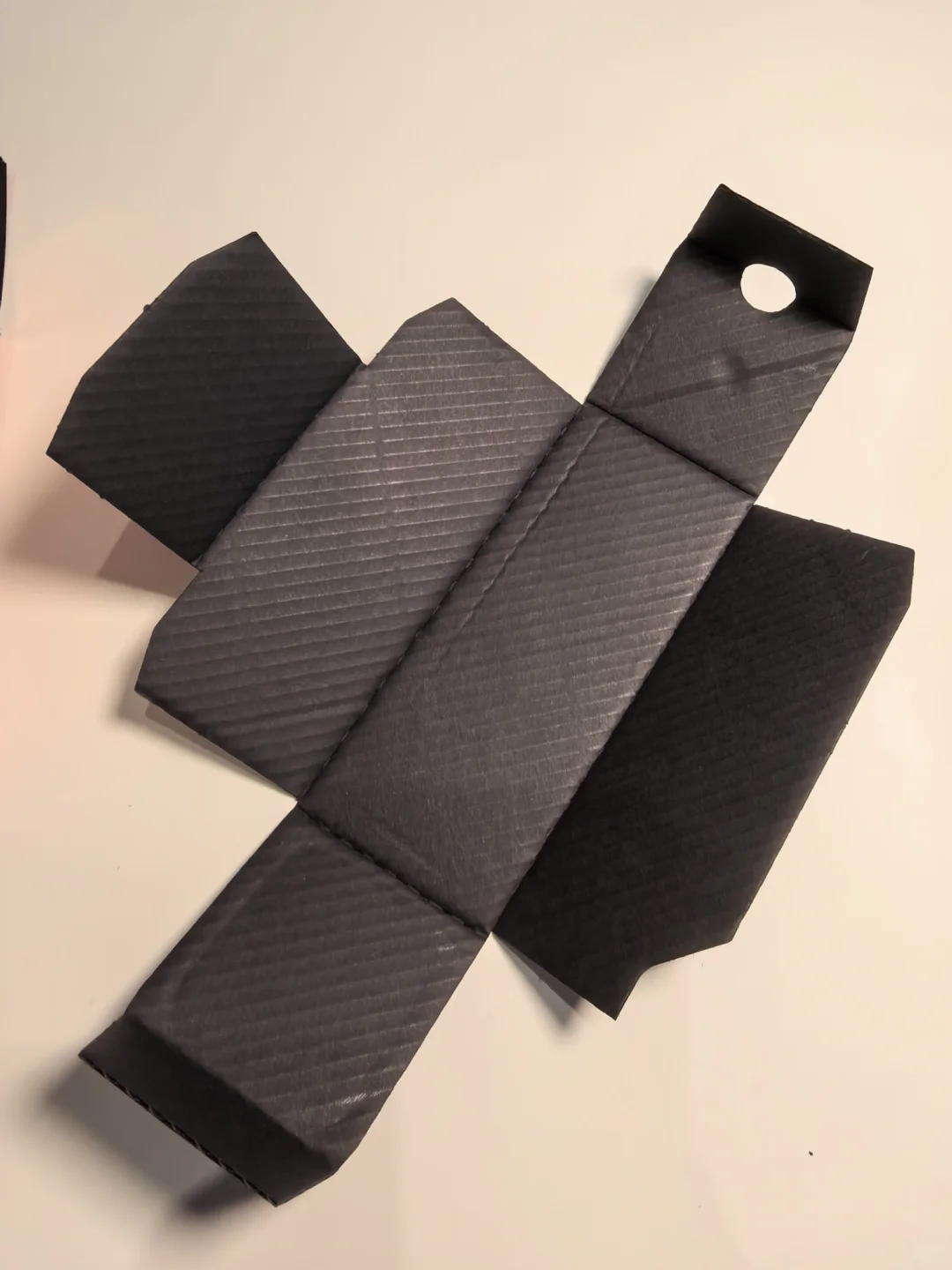
One proposal to compare is a retained outer box with a corresponding insert for each product. Other options include a limited number of box sizes or separate packs for each capacity. List the alternatives without assuming one must be cheaper or environmentally preferable.
Ask how the components connect. Can an independent insert be replaced? Are locating panels part of the box itself? In a combined paper construction, changing an opening may involve the complete structural file rather than a small separate component. Matching material names, appearance or box-style descriptions do not establish interchangeability.
If one insert is proposed for all three bottles, try each final product in that same construction. Record contact, support, orientation and removal separately. Enough room inside the box and a suitable insert fit are different approval items. Do not rely on temporary stuffing or filler absent from the agreed configuration to make the presentation appear complete.
Review the smaller bottle's presentation and access
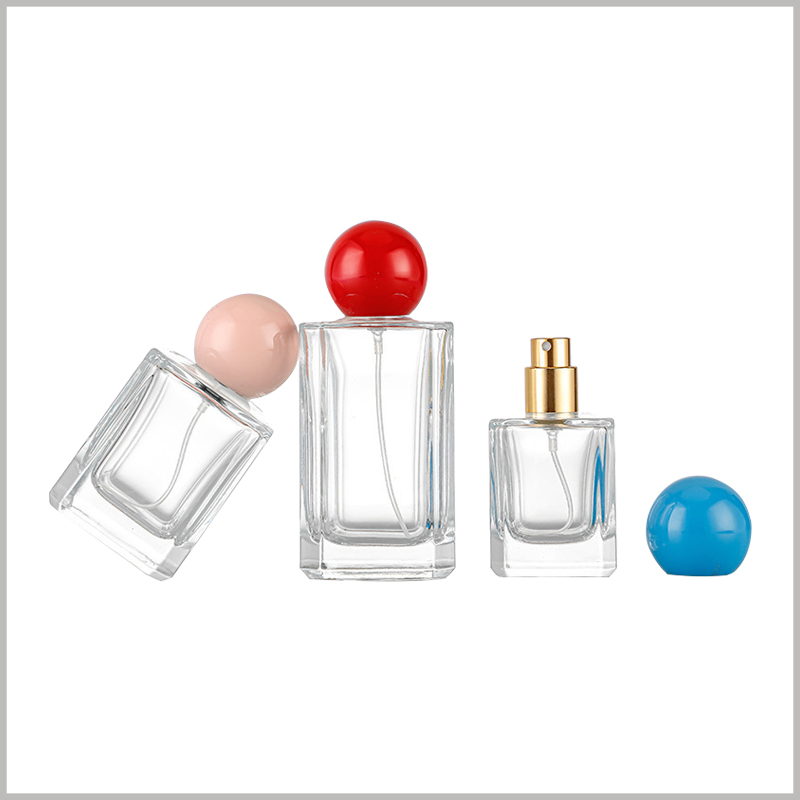
For a smaller product in a common outer box, assess its presentation position and usable gripping space together. With the contents loaded, observe whether the front is identifiable, the bottle sits at its intended height and fingers can reach an approved gripping area. A convenient removal action for the largest bottle does not approve the smallest one.
Where the proposal uses a riser, upper locating component or additional accessory, list its purpose, position and assembly order. After changing height, revisit the relationship between the cap, lid, card and other parts. A front-facing photograph does not establish support underneath, and visual centring does not establish that a cap or decoration may carry load.
Consider the intended use of the smaller format. Travel products, individual retail bottles and gift sets may have different overall-size and opening requirements. Compare the common pack beside a more compact separate option using the brand's actual brief, rather than treating an individual's preference as a general consumer finding.
Manage capacity and revision identification

Matching outer dimensions do not establish that all printed information can match. Review capacity, product name, barcode and other project requirements for each version, with the responsible party confirming applicable content and layout. This is a project-file check, not a universal list of requirements for every market.
Identify what is printed on the box and what is distinguished through a label, sleeve or other agreed component. Retain the relationship between artwork, insert and product. If the structure is shared but printing differs, quotations and stock records must reflect those versions. If unprinted boxes are shared and labelled later, include the label and application step in the proposal.
Use clear component identifiers, product assignments and confirmation methods before assembly. Colour or an operator's memory should not be the only distinction between similar inserts. Provide every configuration to the assembly party and confirm the parts, files or identification that change during a switch. Common box dimensions do not guarantee adjustment-free assembly or the absence of mix-ups.
Compare quotations and inventory on the same basis
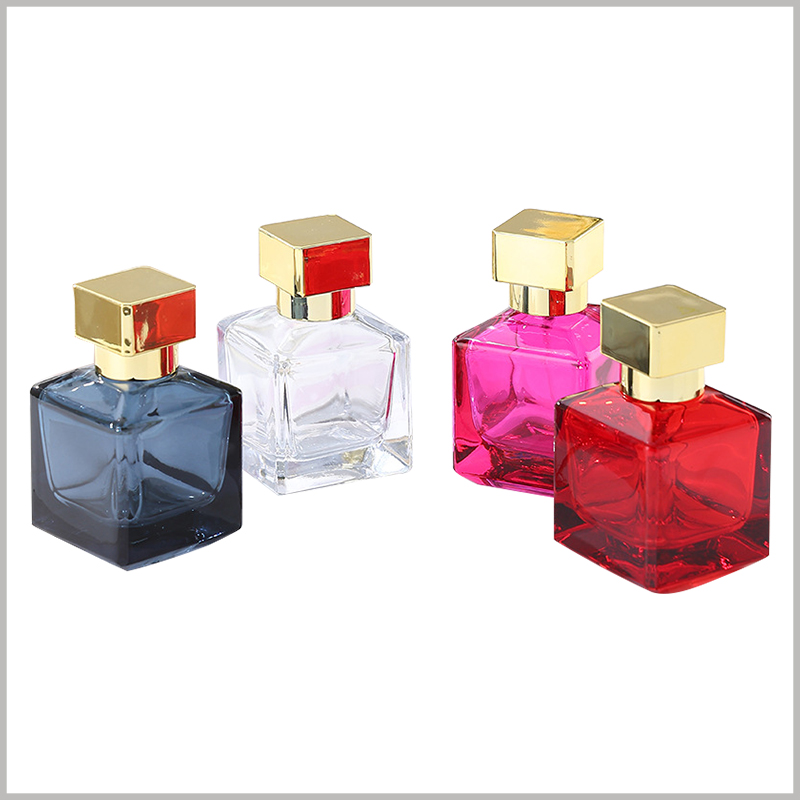
Submit quantities for each capacity and its corresponding components together. Compare the complete scope of common, grouped-size and separate packaging proposals. Identify the outer boxes, inserts, artwork versions, tooling or development items, labels, assembly, delivery format and potential reorder arrangements. Clarify which charges occur once and which depend on an order or revision.
Common outer dimensions may reduce some box versions while inserts, labels or other components still need separate stock. Record how component quantities match product quantities, how leftovers are identified, and which approved sample and files apply to a reorder. A total box quantity does not establish that complete packaging sets are interchangeable.
Compare the actual supply and use conditions too. Review the overall volume, shipping-carton arrangement and display of the smaller bottle in the larger common pack against its separate option. Without comparable quotations and complete configuration information, do not assign a fixed saving or promise that minimum quantities or lead times will fall.
Approve a configuration matrix product by product
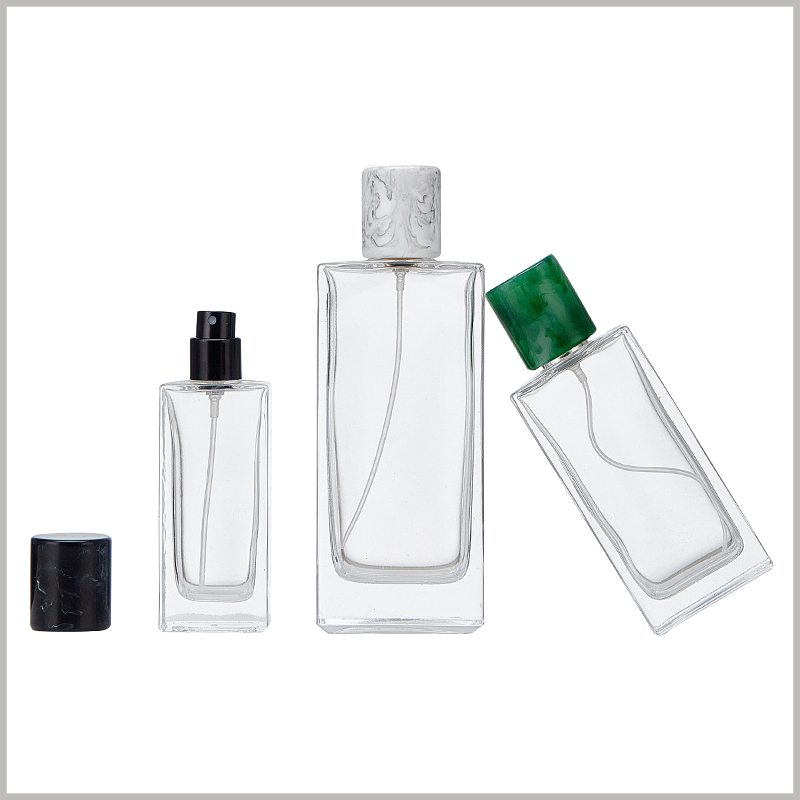
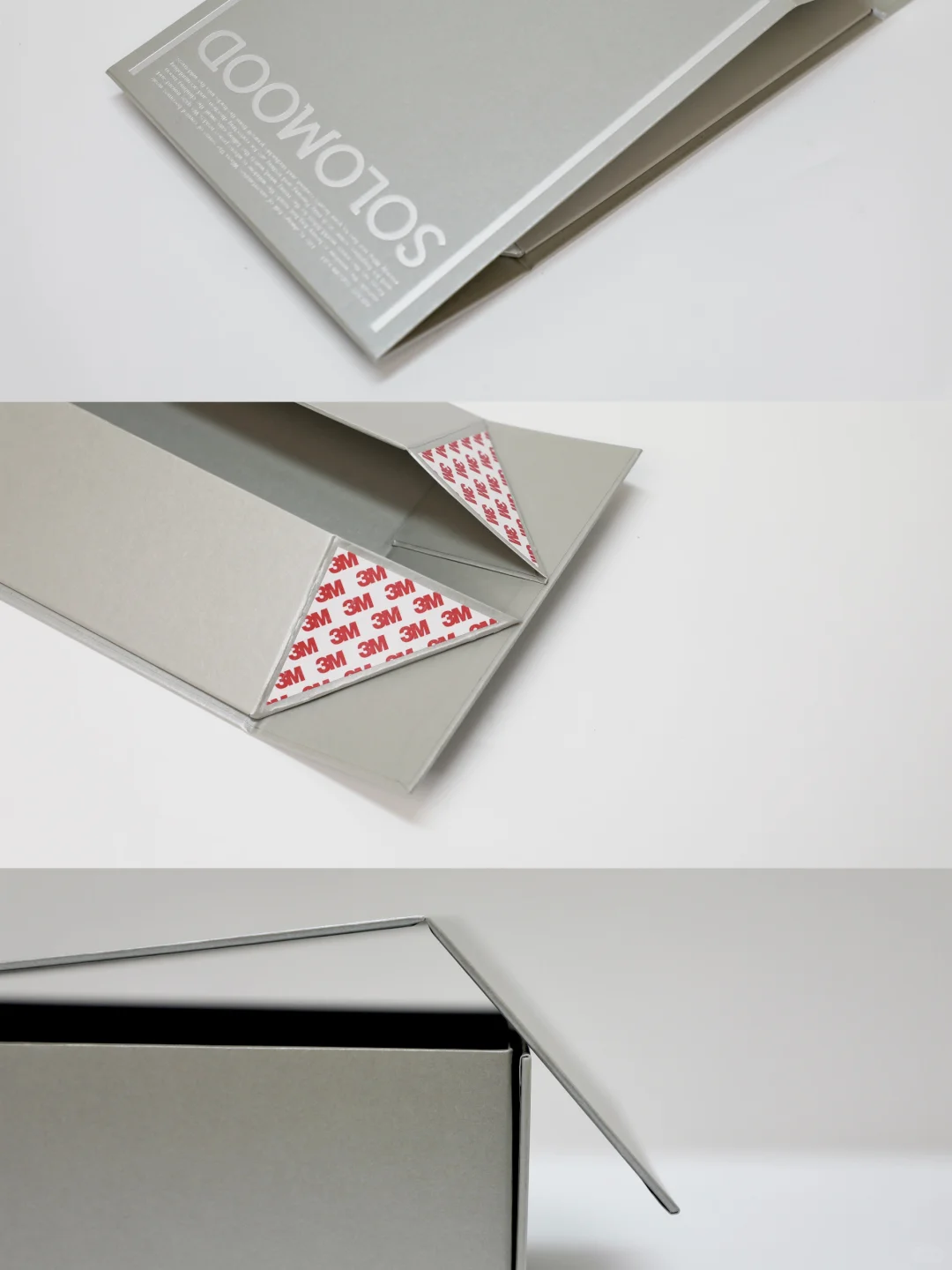
Keep a record for each configuration: product and cap revisions, common outer-box revision, insert and accessories, artwork or label version, assembly order, closure, open presentation, removal and unresolved points. Load every configuration as supplied before completing the relevant checks.
After changing the common box, insert connection, card or assembly method, define which configurations need review. The largest bottle does not necessarily cover every interference point. A riser used only for the smallest bottle, or a different cap, may create a separate issue. Retain individual results rather than using range approved to include combinations never checked.
Fit and removal observations cannot establish transport protection. Provide the retail configurations, shipping cartons, pack quantities and distribution conditions to the relevant parties and agree the appropriate assessment separately. Continue with a shared outer box when each actual configuration has a clear component relationship, workable assembly sequence and matching record. Keep a separate option for any configuration that cannot meet its requirements.