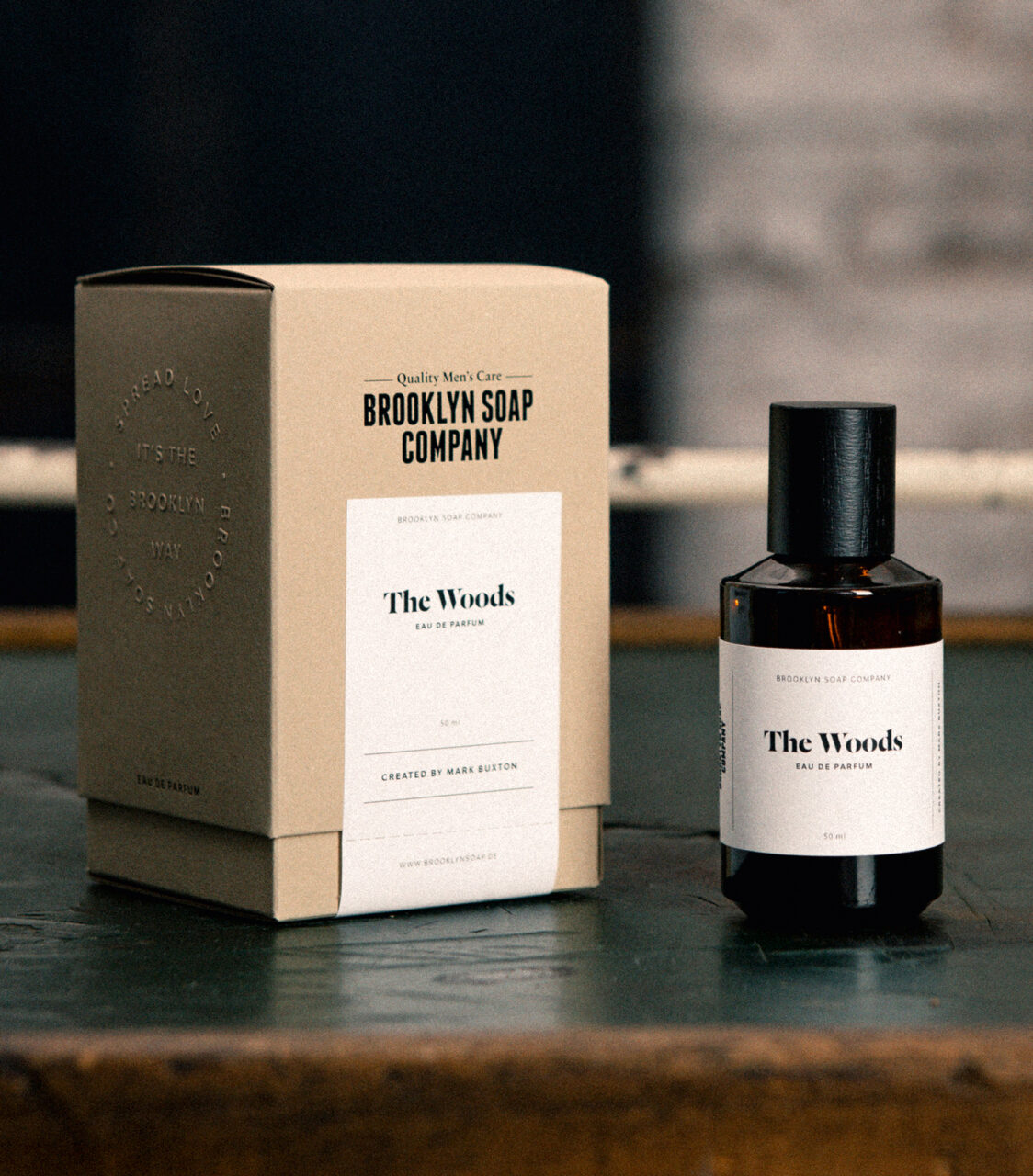
Compare the complete visual combination of box, label, texture and print. A photograph supports an appearance discussion; grade specifications still need a physical sample. Third-party reference; not a Bravo Package project.
PERFUME PACKAGING · PAPER AND BOARD
Asking for premium paper or a thicker box leaves too much room for interpretation. A folding carton, a wrapped rigid box and its printed inserts involve different material decisions. Start with the job of each component, then compare named grades, physical samples and converted packs. This turns a preference for a particular feel into a specification that can be checked.
Separate the material roles
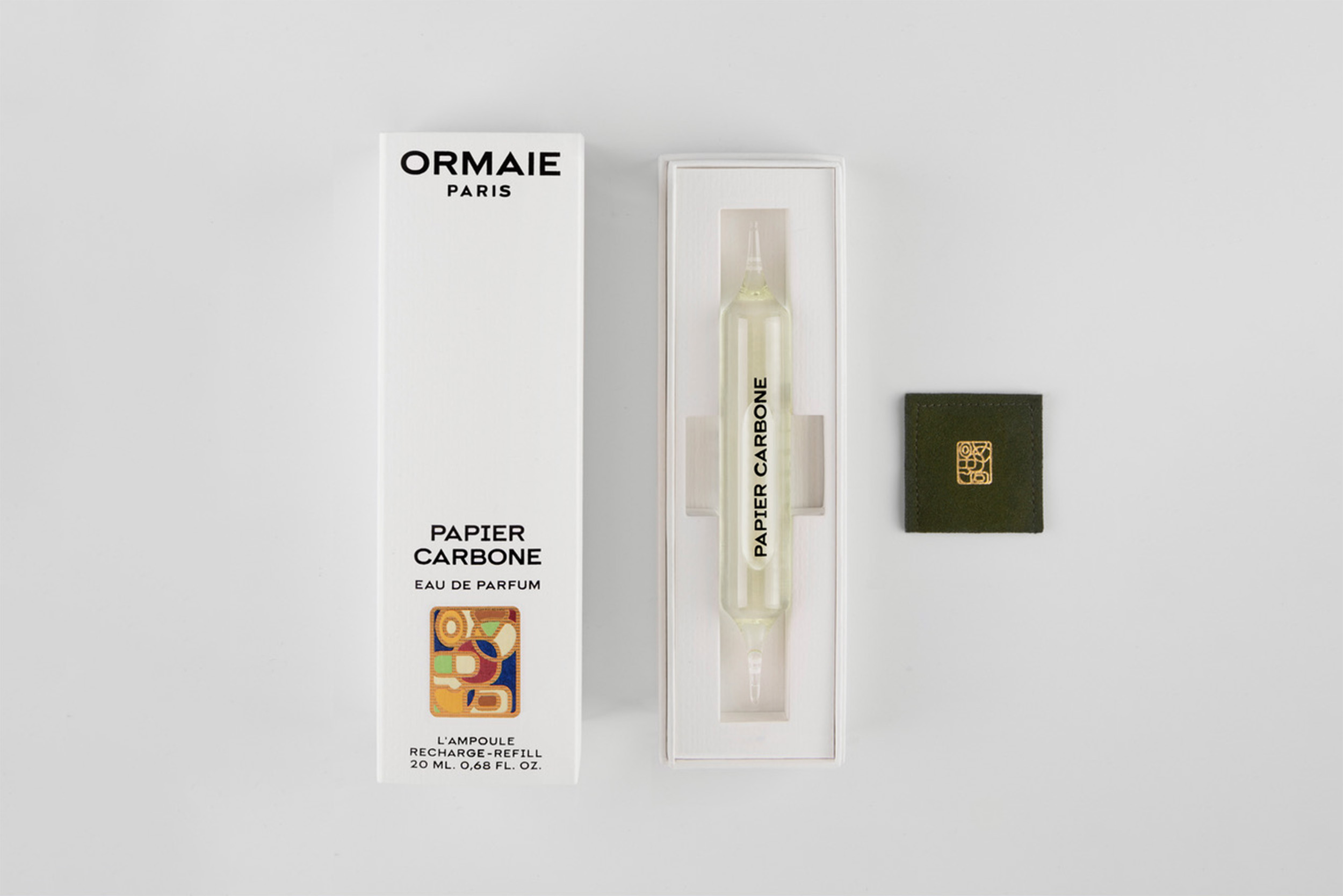
For a folding carton, the selected board forms the body through printing, cutting, creasing and assembly. A wrapped rigid box needs separate decisions for the structural board and the paper covering its surfaces. The visible finish and the underlying structure should have separate entries in the quotation. List inserts, liners and information cards too.
Names such as white card or greyboard are starting points. Ask for the mill, range, grade and intended position in the pack, supported by a physical sample showing the face, reverse and edge. A white surface alone does not identify the complete material construction or its performance.
Specify grammage, thickness and stiffness separately
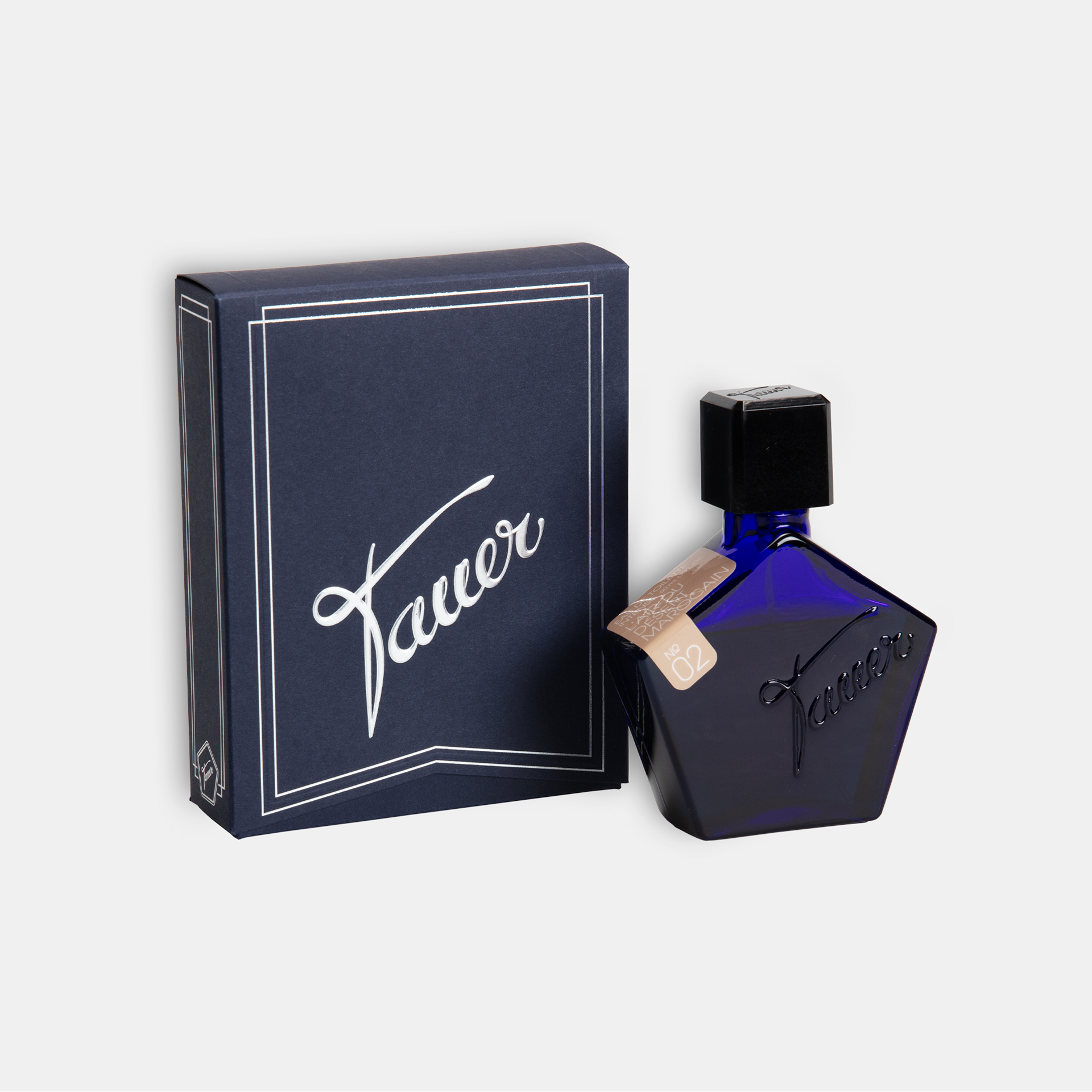
Grammage expresses mass per unit area, usually in g/m². Thickness is a separate measurement, commonly recorded in millimetres or micrometres. A generic online conversion table is not a substitute for grade-specific data. Holmen also distinguishes stiffness values in the machine and cross directions in its technical information.
Ask the packaging developer to propose candidates against the bottle, box structure and opening requirements. Record the selected grade, grammage, thickness, agreed tolerances and supply condition. Review the formed dimensions, closure and insert fit after a material change rather than treating added thickness as an automatic improvement.
Compare finished surfaces, not only blank swatches
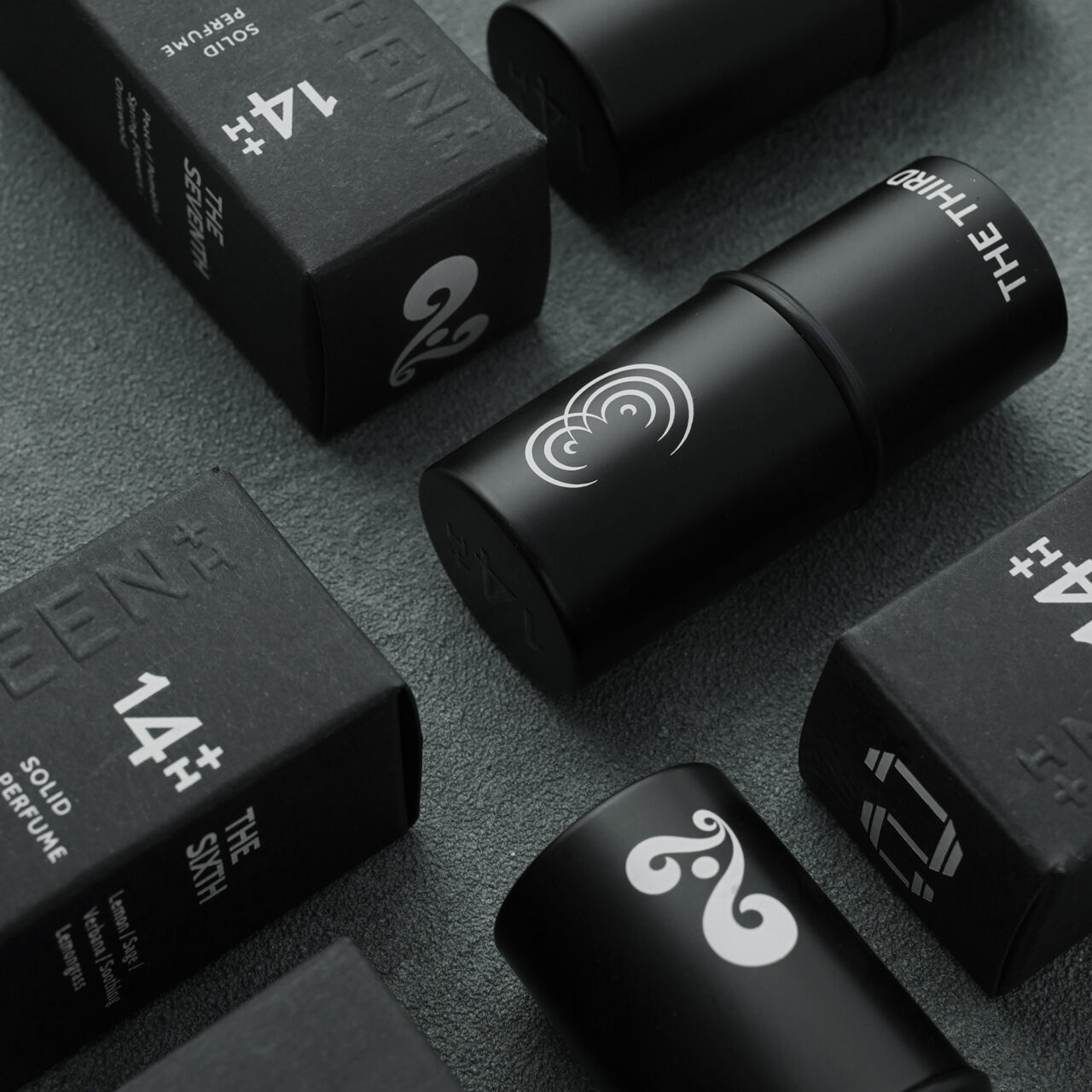
A swatch helps compare colour, texture and touch. It does not show the finished print. Use actual brand colours, small text, lines and imagery in a converted sample, including the intended foil, embossing or surface treatment. For textured, dark or metallic-looking stocks, approve the actual combination rather than a screen image.
Review the interior, exposed edges, corners and seams as well as the outside. The liner need not use the same paper as the cover. If a card will be written on, test it with the intended writing tool and handling instead of choosing it solely to match the box colour.
Include creasing and wrapping in the decision
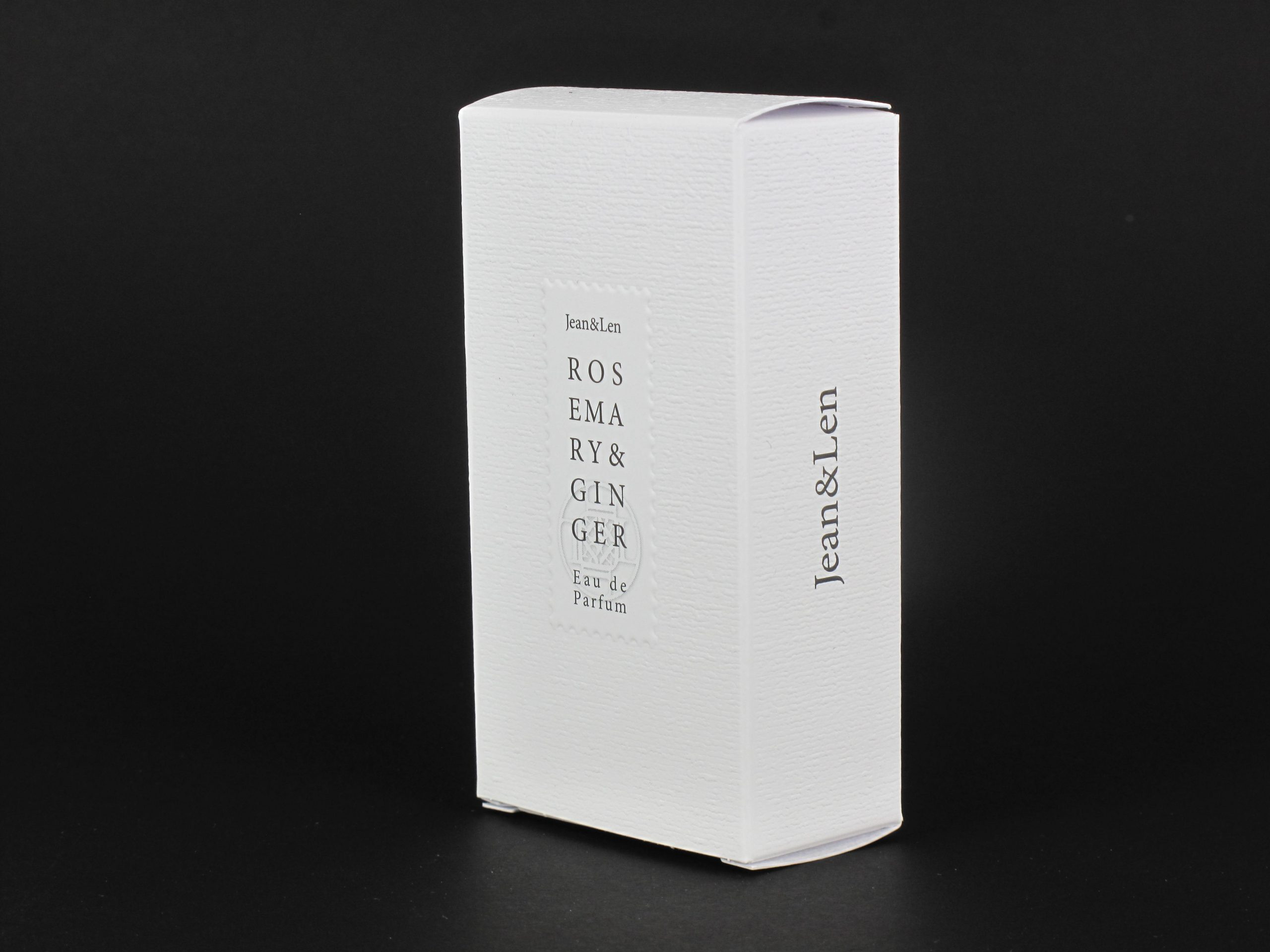

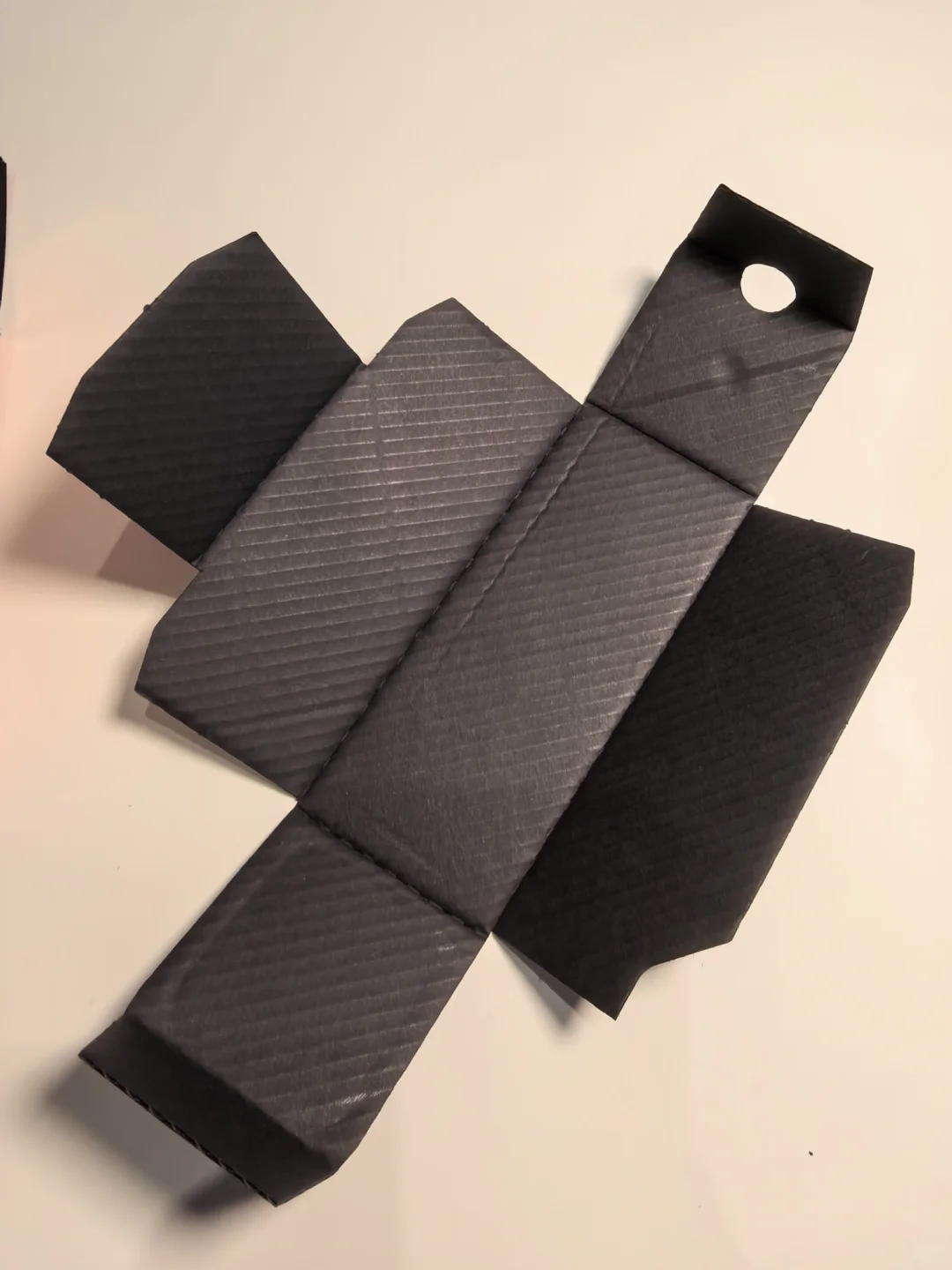
Holmen’s creasing guidance explains that tools and settings need to match the board. Inspect a converted sample for clean fold lines, corner cracking and the intended closing action. If there is a problem, review the board, grain direction, tooling and processing conditions together instead of simply requesting a higher grammage.
For a wrapped box, inspect the finished flatness, corner coverage, seams and edge condition. A previously approved sample does not automatically approve a new covering paper, structural board or surface treatment. Keep the agreed appearance in a physical sample and inspection record, with specific criteria rather than the word luxurious.
Verify the complete packed product
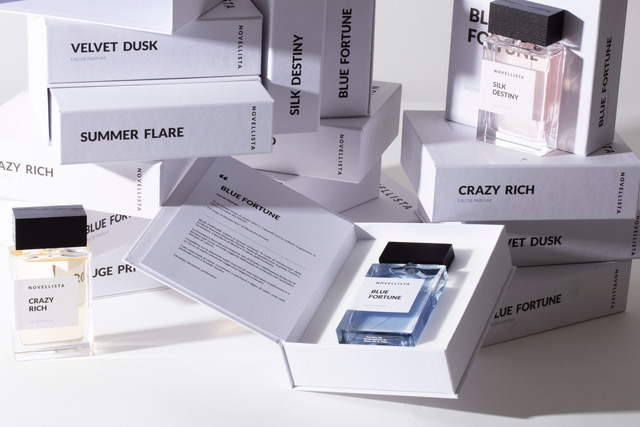
Return the material choice to the actual perfume bottle and support. Check the packed shape, removal and replacement, lid fit and appearance with all contents present. Bending an isolated sheet cannot establish the behaviour of a complete box. Review cards, partitions, supports and shipping packaging against their individual roles.
Define storage and distribution conditions before agreeing verification requirements. An attractive presentation sample does not establish moisture, abrasion or transport protection. For a fragrance project, include a review of unwanted odour from the complete converted packaging rather than assuming suitability from a paper name.
Record a specification for repeat orders

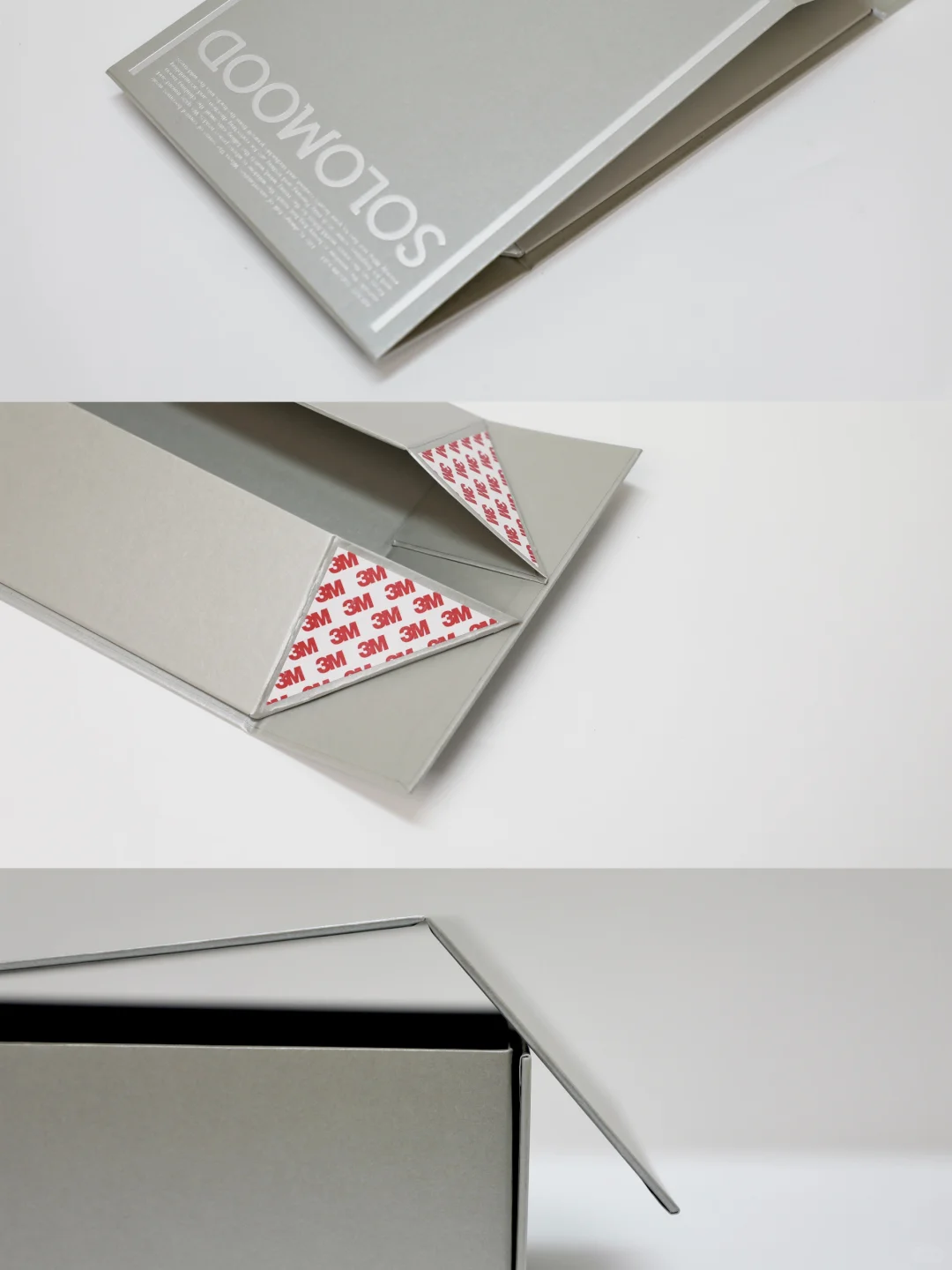
Keep a component-level material list with mill and grade, colour, finish, grammage and thickness requirements. Record the printing and converting processes, direction requirements and approved sample version. A proposed equivalent material needs a documented comparison and a replacement sample before acceptance.
Keep environmental or certification statements tied to the materials and supporting documentation actually used. A natural-looking surface is not evidence for an environmental claim about the complete pack. A paper supplier’s credentials also do not establish Bravo Package’s certification or project history.
For an enquiry, provide physical bottles, the contents list, preferred structure, budget target and artwork. Compare specific material combinations, then approve the converted and packed samples. The result should be a choice that purchasing can describe, production can reproduce and repeat orders can verify.
Technical references: Holmen general technical information and creasing and folding guidance.