
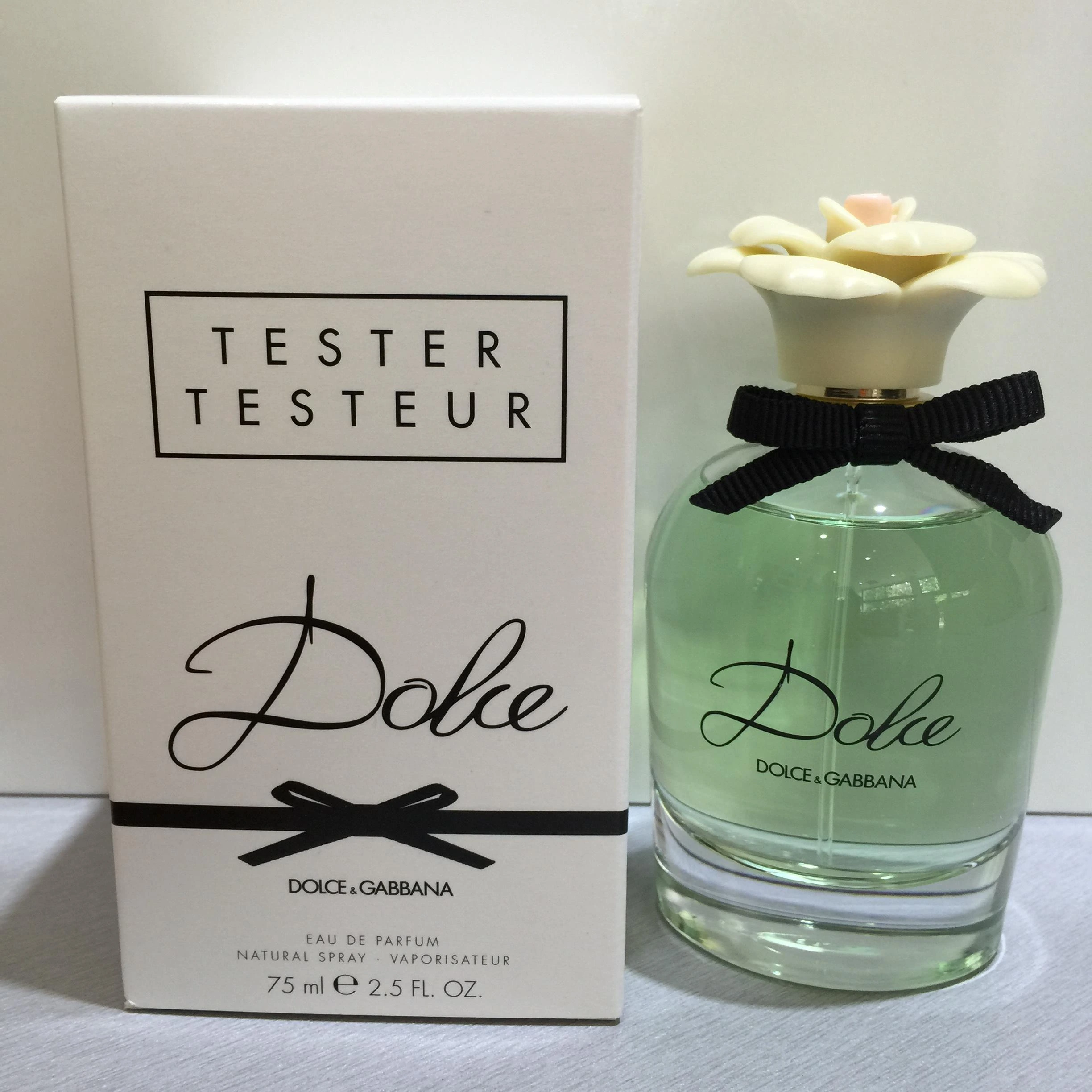
Perfume tester packaging needs to identify the right product, protect its agreed configuration and support store handling. Replacing a retail carton with a plain white box does not settle those tasks. Once the bottle leaves its delivery box, staff still need to recognize the fragrance, concentration, capacity and intended use. Replenishment also needs a dependable connection between the bottle, its packaging and the receiving record.
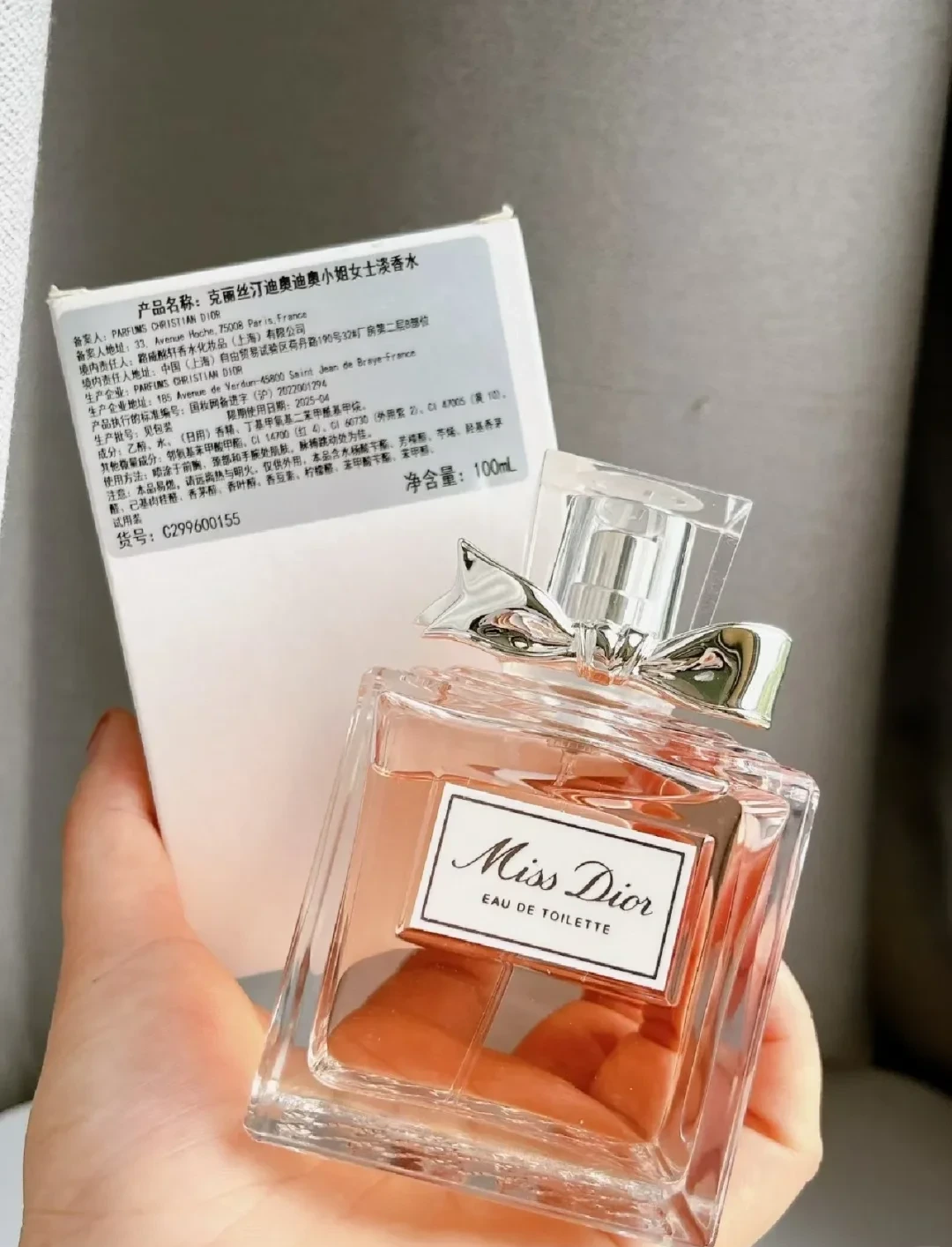
This guide concerns bottles supplied for counter testing and their delivery cartons. Consumer discovery sets, decanted samples and display-only dummy bottles require separate briefs. The photographs illustrate packaging forms and information locations. They do not establish authenticity, unused condition or brand authorization.
Define the tester unit before designing its carton
Specify whether the packaging serves a counter spray bottle, a replenishment unit, a take-home sample or a display prop. Similar terminology does not make their dimensions, labels or inserts interchangeable. Give the packaging supplier a clear component list and current samples rather than expecting it to infer the intended product from a reference photograph.
Then establish the carton's role. It may protect the unit until store receipt, identify it in a stockroom or remain part of the counter presentation. A bottle displayed after unpacking needs identification that works separately from its box. Map that sequence before allocating decorative areas, stockroom identification faces and space for information retained after opening.

Keep intended use and product identity readable
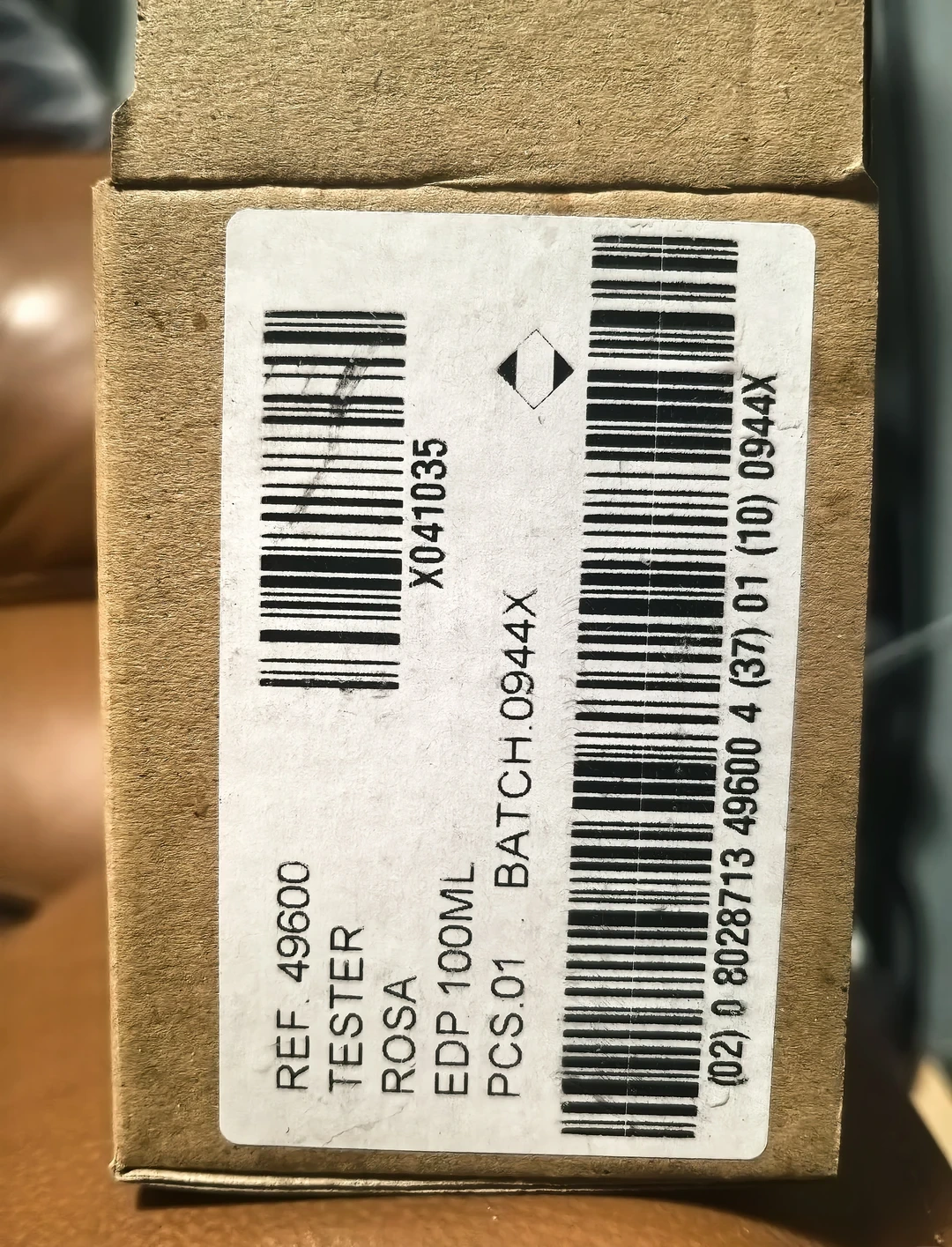
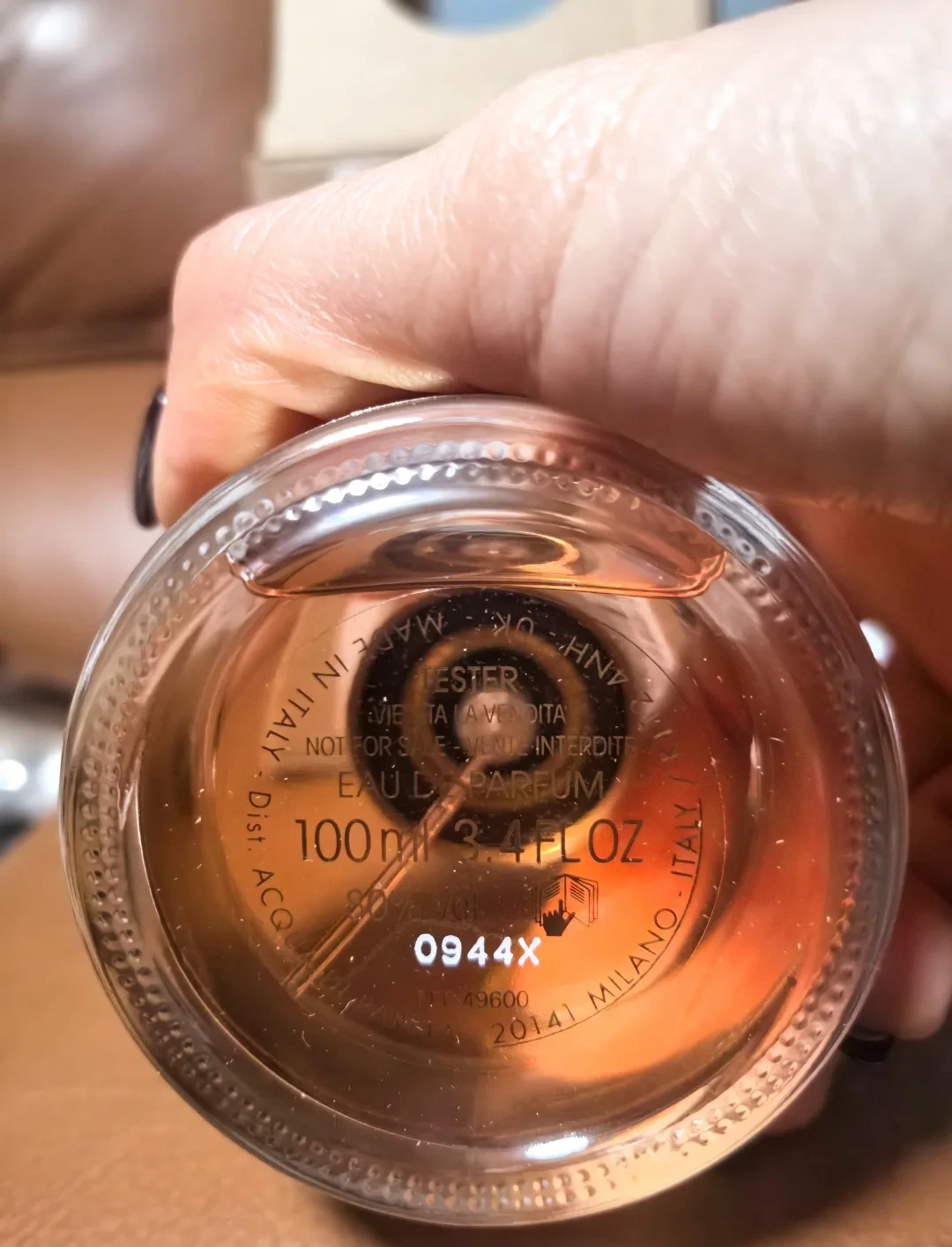
Wording such as TESTER, DEMONSTRATION or NOT FOR SALE can communicate intended use. The brand should approve the wording, languages, position and artwork revision for the project. These words do not replace the fragrance name, concentration, capacity or other required information. A label crowded onto a small base can also force staff to turn over every carton during stock selection.
Reproduce the actual stockroom orientation with samples. Check which face staff see first, and provide a recognizable name or project code there, with a clear location for the complete information. Color and abbreviated codes can assist identification when they map to readable names. If bottle and carton codes differ, provide and check the correspondence instead of assuming that staff know both systems.
Sample the actual cap and sprayer configuration
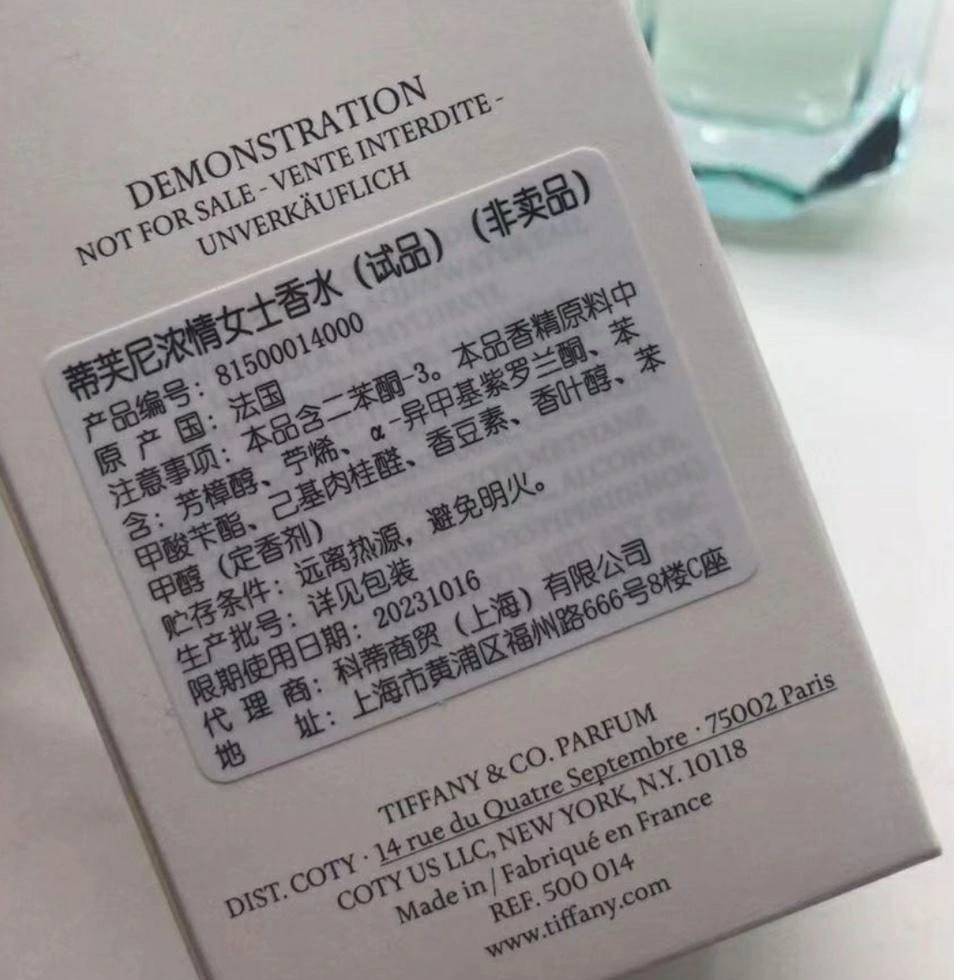
Do not design every tester as a bottle without a cap simply because a reference image shows one. Confirm whether this delivery includes a finished cap, temporary protection, decorative attachments or other components. Obtain the current physical versions. Changing a cap can affect internal height, access and support even when the bottle itself remains unchanged.
Assess the carton and insert at their actual contact points. Check whether removal requires pulling the sprayer or an attachment, whether the insert obstructs a natural grip, and whether closing the box puts inappropriate contact on a component. Avoid relying on the carton top to press against the sprayer to compensate for an unsuitable fit. Internal support and distribution performance require physical samples and agreed checks; their adequacy cannot be established from an exterior photograph.
Separate delivery protection from counter presentation
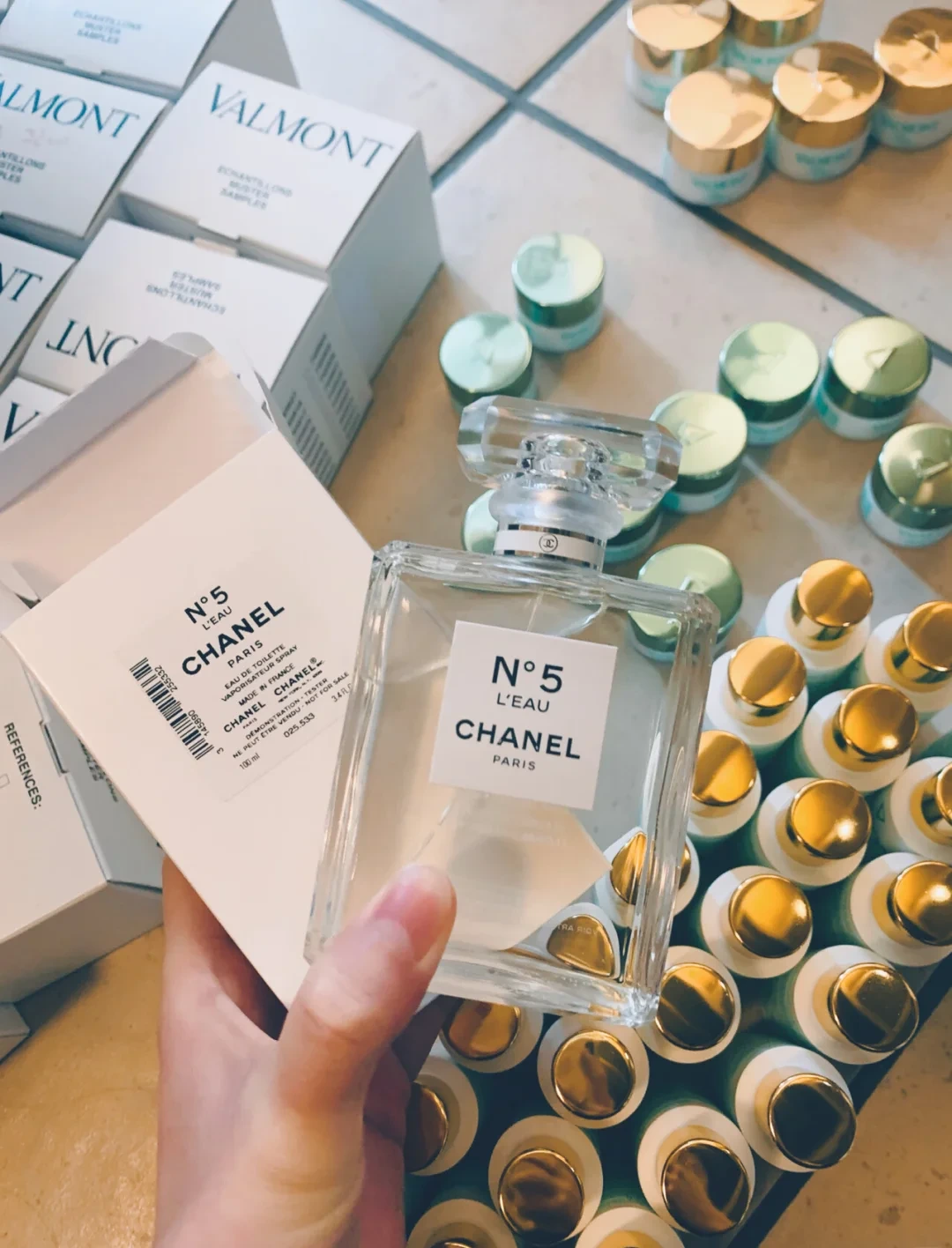
A delivery carton and a counter display base may have different jobs. If the box stays on the counter, examine it in the actual display position. Check stability, product identification and the effect of removing the bottle on neighboring units. If the carton serves only delivery, let the approved counter arrangement handle presentation rather than adding structure for an assumed display need.
White board, a natural paper color, reduced printing and the absence of overwrap are not universal tester specifications. Select the construction and finish around the delivery conditions, identification needs and handling sequence. A natural paper color does not establish recycled content or recycling outcomes. After simplifying the packaging, reassess closure, contact and information retention. Removing a process is not evidence that the revised configuration has been validated.
Review unpacking with the people who handle the unit
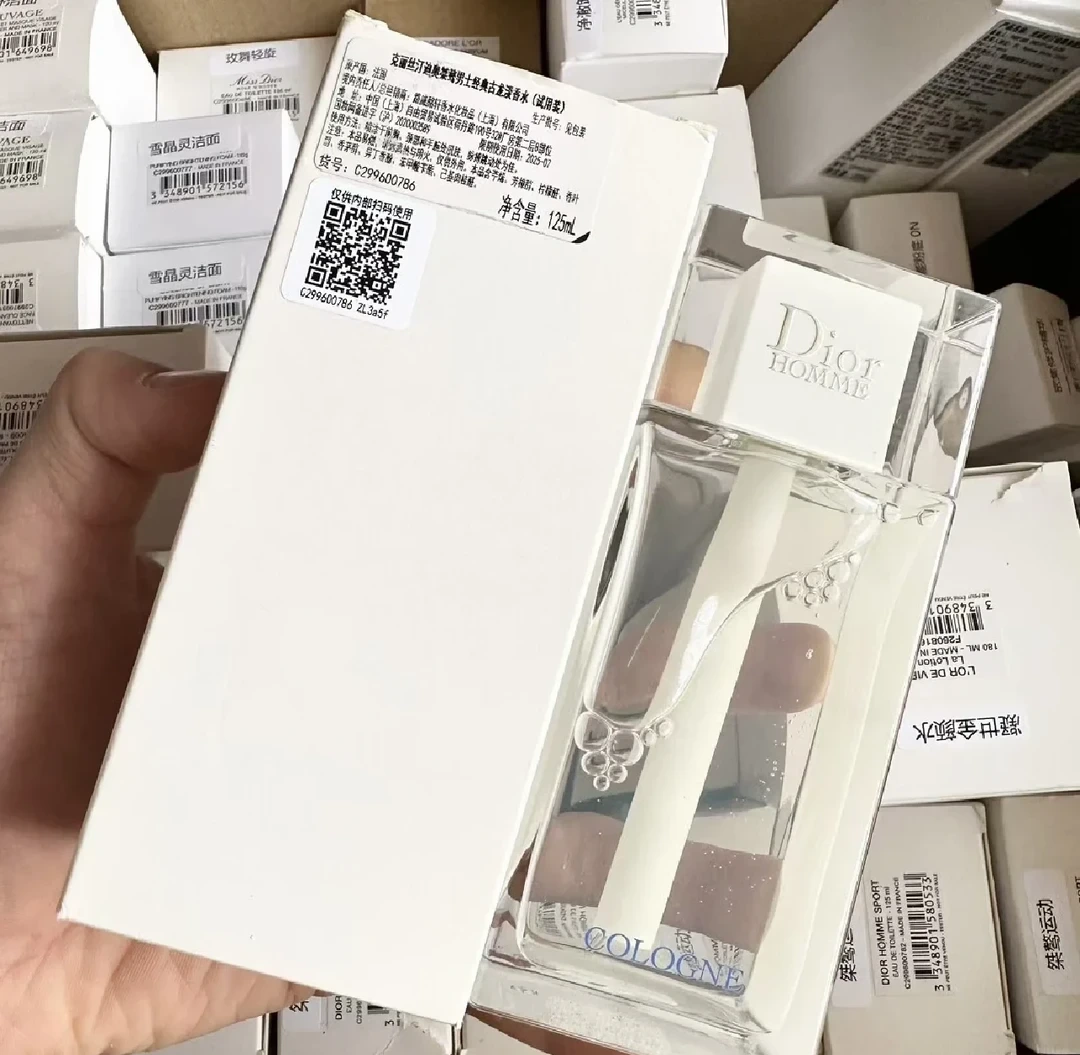
Ask an operator to follow the real sequence: verify receipt, open the carton, remove the bottle and place it on the counter. Observe whether the bottle can be gripped directly, whether access requires reaching into a narrow gap and whether opening removes an identification label. Where a label crosses the opening, define whether it serves a sealing function and which information remains available afterwards.
Record unpacking observations separately from product-use status. A TESTER marking does not prove that a bottle has never been sprayed. The absence of overwrap does not, by itself, prove prior use. Stores need their own receiving, activation and return records rather than inferring a history from dip-tube bubbles, box color or folds. Preserve an abnormal delivery and its photographs before the responsible party decides what happens next.
Make replenishment independent of staff memory
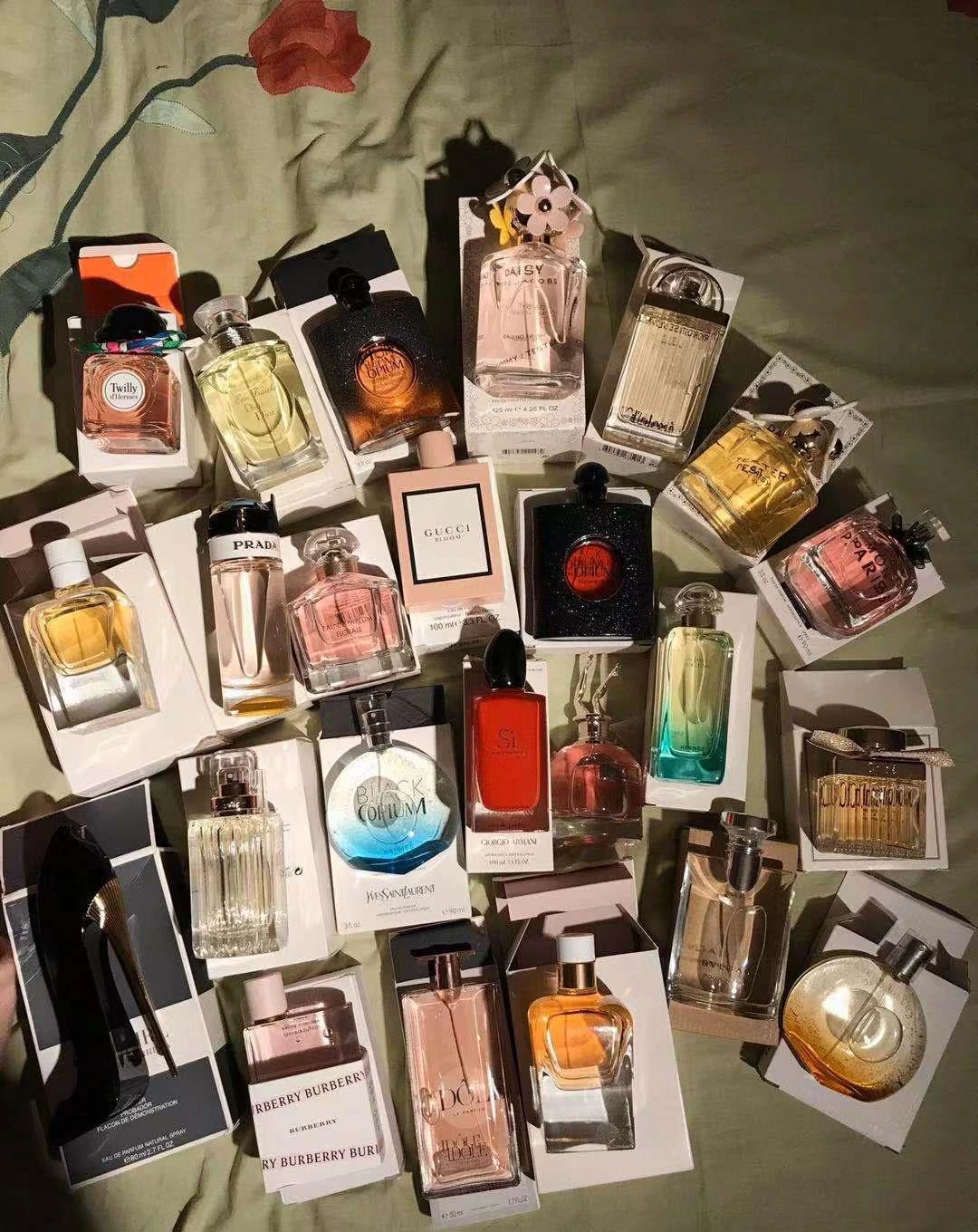
When several fragrances use similar plain cartons, check the outer-case grouping, individual carton labels and bottle identities together. A replenishment list should identify each model, quantity, packaging configuration and receiving location. Where tester units and saleable units arrive together, use distinct identification and storage arrangements to reduce the chance of placing a similar-looking unit in the wrong area.
Have someone unfamiliar with the range locate and pair sample units using the proposed list. Record the information they actually need, including any box turning, separate lookup or request for help. Improve names, orientation and correspondence where hesitation occurs. Scanning is useful only when the project has defined codes and an available information system. Printing a barcode or QR code does not create a traceability process on its own.
Retain the connection between bottle carton and records
Agree which information follows the bottle and which stays on its carton or in store records. If the carton is discarded after unpacking, establish how necessary information will be retained beforehand. If box and bottle must remain associated, provide a practical way to keep removed labels, components and cartons identifiable. An accumulating pile of unassigned empty boxes is not a useful reference.
Keep returned, damaged, activated and unresolved units separate from available stock according to the store's procedures. A visible batch code can help locate a record, but it should not be independently decoded into a manufacturing date, shelf-life conclusion or authenticity assessment. Record what is visible and how it corresponds to the unit. The responsible parties should confirm code meanings, handling authority and record retention.
Approve the packaging through the complete sequence
Review the carton, insert, actual bottle and cap configuration, and final label together. Beyond print appearance, run the sample through the agreed delivery and store-handling sequence, with documented inspection before shipment. Associate identification, unpacking, removal and information-retention observations with the same approved revision. Changes to a cap, bottle shape, insert or label position require a review of whether the existing approval still covers the configuration.
| Stage | Task to confirm | Sample check and record |
|---|---|---|
| Store receipt | Match model quantity intended use and configuration | Record delivery condition and receiving checks |
| Stock selection | Identify fragrances in the actual storage orientation | Check visible labels and name-to-code correspondence |
| Counter setup | Grip the bottle normally and retain necessary information | Record removal steps and labels after opening |
| Replenishment and returns | Distinguish available and activated units | Link bottle and carton codes to store records |
A tester carton may need little decoration while still having important identification, protection and handling tasks. Put those tasks into the sample approval record so the next replenishment has a repeatable reference. Third-party packaging photographs show forms and information locations; they are not test results or statements of current brand policy.
