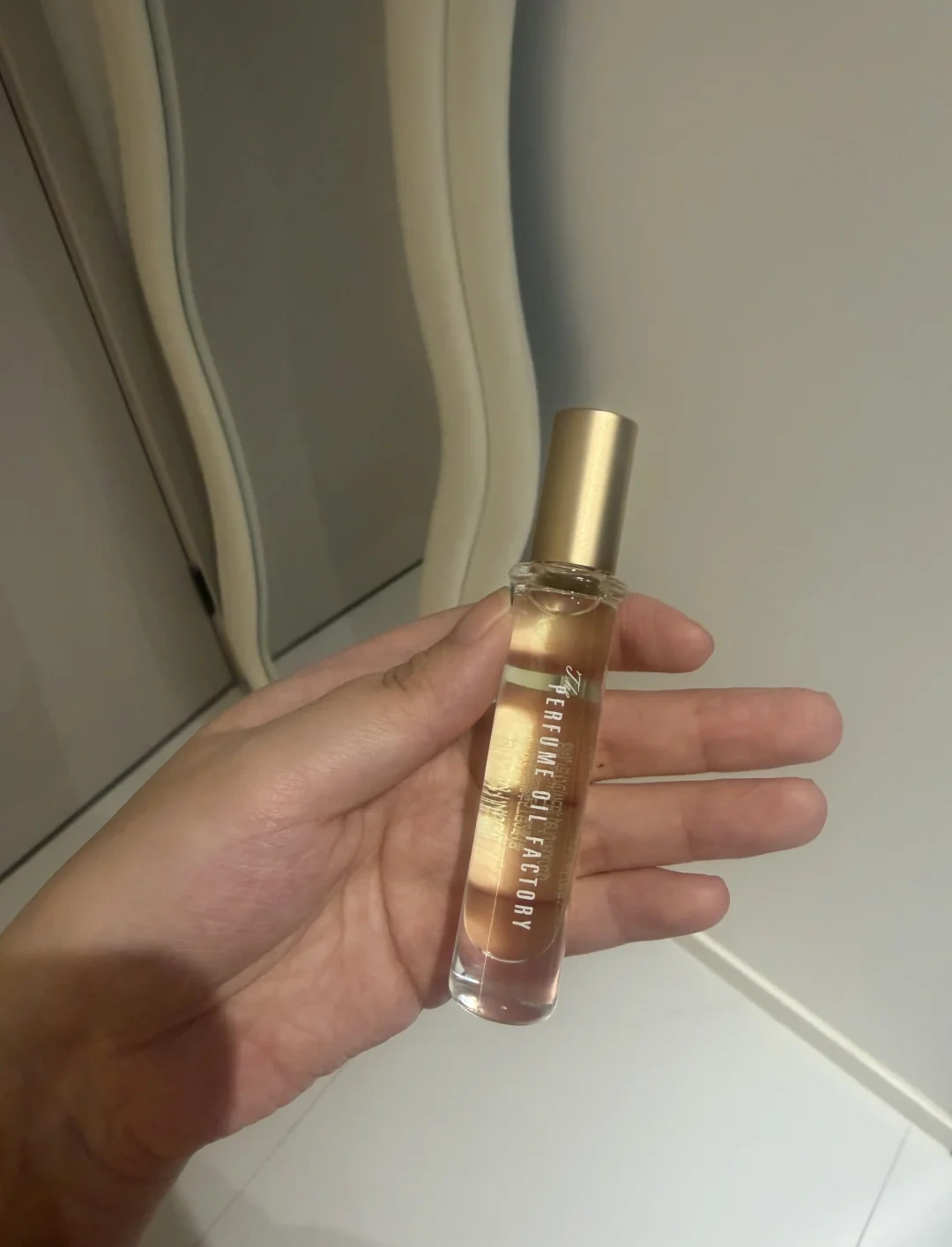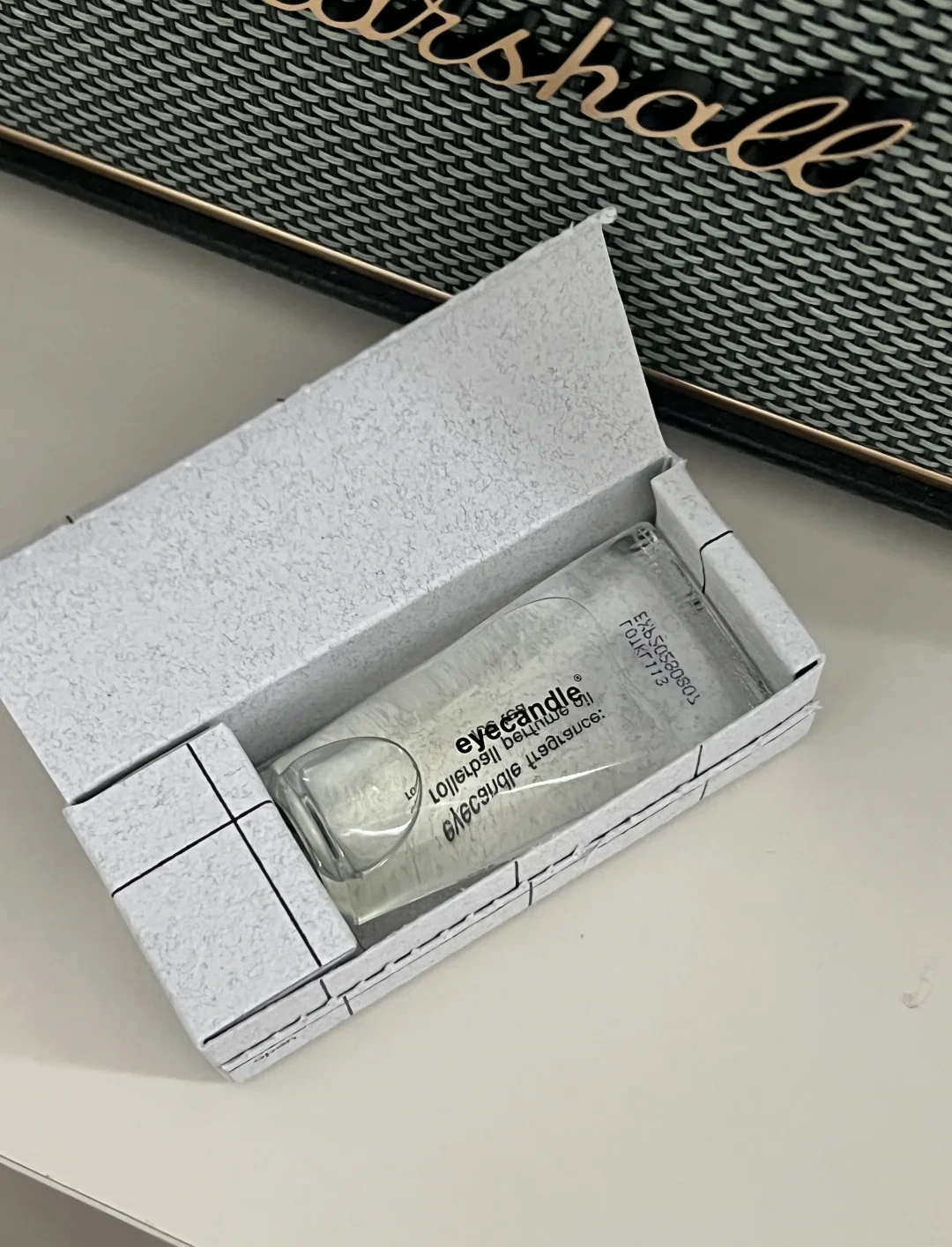
Roll-on perfume packaging should be developed around the assembled bottle, its closure and the way the product will be handled. A compact carton can look finished while leaving the bottle difficult to remove or inadequately supported. Start with the actual filled unit and define what the outer packaging must do during packing, distribution, opening and storage.
This guide concerns packaging for finished roll-on fragrance products. Empty decanting bottles, spray atomizers and deodorant roll-ons need their own briefs. The reference photographs show visible configurations and packaging arrangements. They are not compatibility studies, leakage tests or evidence of current brand specifications.
Define the complete unit before choosing the box
Give the packaging supplier the current bottle, roller assembly and cap together. Identify which components are supplied already assembled, who fills the product and which configuration reaches the packing line. A catalog description such as a small roller bottle does not establish the overall height, widest section or contact surfaces of the finished unit.
Describe whether the product is sold individually, paired with another fragrance or included in a larger gift. Also specify whether customers are expected to keep the carton after opening. These choices affect access, identification and the role of any insert. Confirm the intended formula with the responsible product team; a rollerball applicator alone does not identify the contents as an oil or an alcohol-based fragrance.
Keep container sealing and carton protection separate
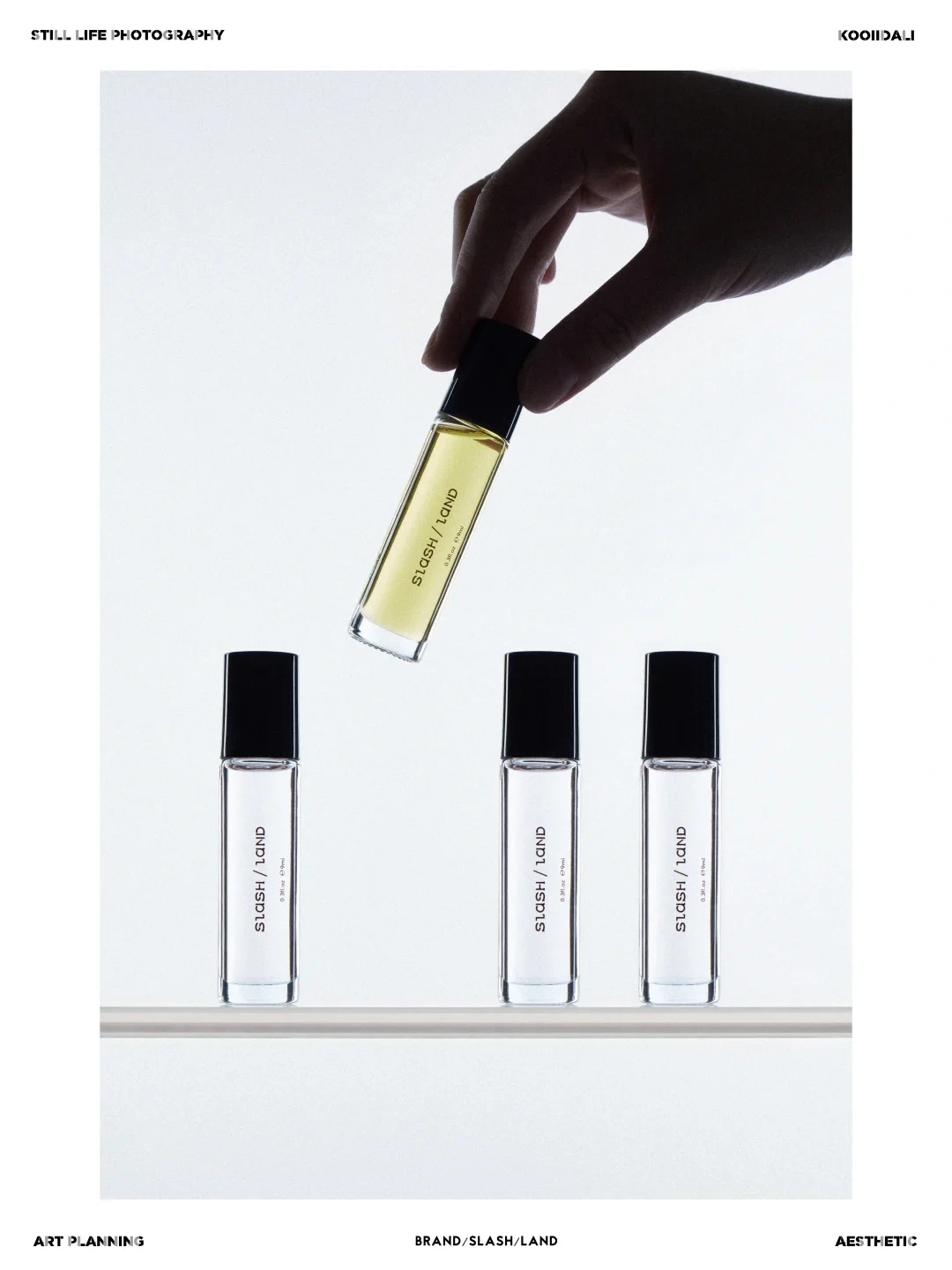
The bottle, roller assembly and closure must be assessed as a system with the actual formulation and filling process. Define who is responsible for compatibility, assembly and leakage evaluation, and connect the results to identifiable component versions. An attractive carton or a tight insert cannot establish that the primary container seals correctly.
Record the condition before packing so that later observations can be compared with it. If residue appears, preserve the unit and document where it was found, its orientation and the packaging condition. Investigate the cause before changing the insert. Adding an absorbent lining or tightening the box may conceal evidence while leaving the container problem unresolved. Agree the evaluation method and acceptance criteria for the project instead of borrowing an unsupported universal test duration.
Design around the actual bottle profile and cap
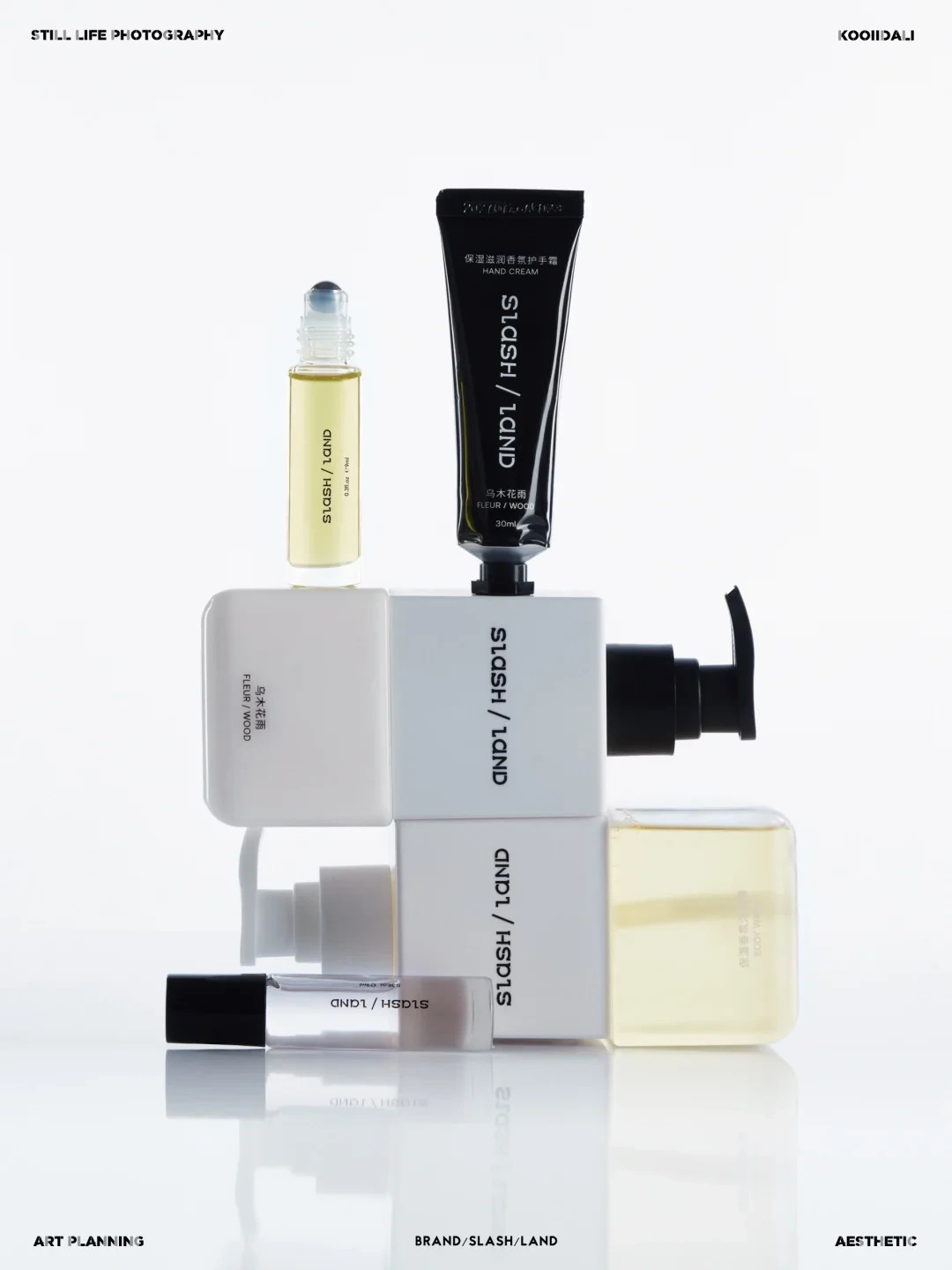
Round tubes and flat bottles need different support arrangements. Compare the base, shoulder, cap and any decorative projections on physical samples. Nominal volume does not tell the carton designer the external dimensions. Even bottles sold at similar capacities may differ in height, cross-section and weight when filled.
Check the assembled unit in the proposed insert with the intended closing sequence. Support should be located deliberately rather than relying on the carton lid to force a tall cap downward. Identify which surfaces can accept contact and where clearance is needed. Ask the component supplier to confirm those boundaries when they are uncertain. A photograph of a tall decorative cap provides a visual reference, but it cannot supply a dimensional drawing or a permitted load.
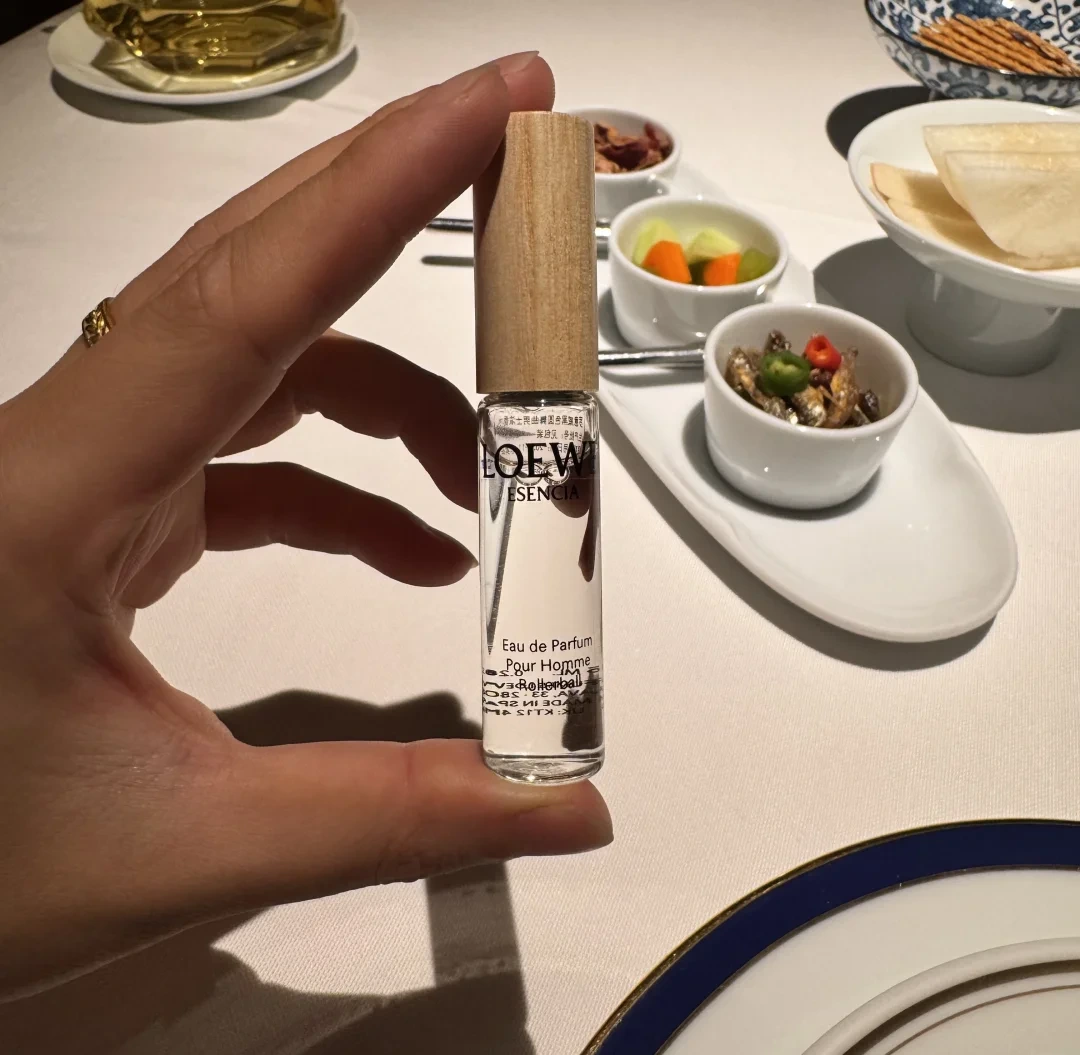
Make the bottle easy to grip and replace
An insert can retain a bottle yet make removal awkward. Ask someone unfamiliar with the sample to open it and take the bottle out. Observe whether fingers can reach a suitable grip, whether the person pulls only on the cap and whether the insert catches a shoulder or attachment. Record the action rather than describing the fit only as tight or loose.
If the carton is intended for continued storage, repeat removal and replacement in that context. Check the condition of folds, cut edges and contact areas afterwards. A flat bottle may need access along an edge; a narrow cylinder may need a different opening. Keep loose paper fragments away from the applicator. Avoid presenting one insert geometry as suitable for every roller bottle without sampling each configuration.
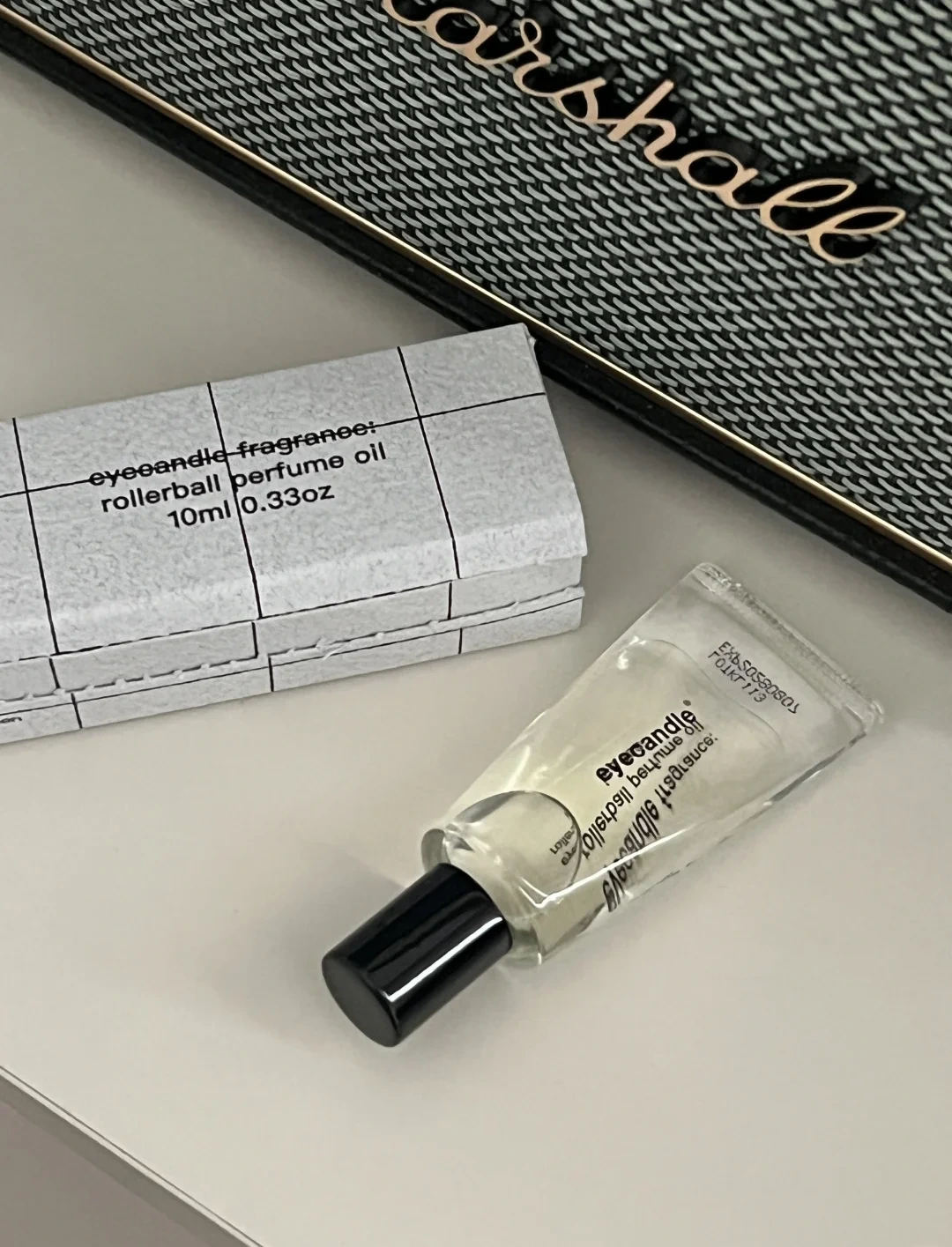
Validate distribution with the packed product
For a single bottle, review movement within the carton and the way the carton sits in its shipping protection. For a set, also examine separation between bottles and the sequence used to load each position. A gap that looks neat in an empty tray may behave differently with filled units. Assess the actual combination rather than approving the insert and carton independently.
Choose distribution checks around the agreed route, shipping configuration and product requirements. Use documented packaging inspection. Record the sample revision and inspect the bottle, closure, print and insert after the checks. Exterior appearance alone cannot confirm that the applicator still works or that the contents have remained contained. Where damage or residue occurs, retain the components for investigation. Do not infer air-travel suitability or transport compliance from the small size of a bottle.

Keep fragrance identity clear on both bottle and carton
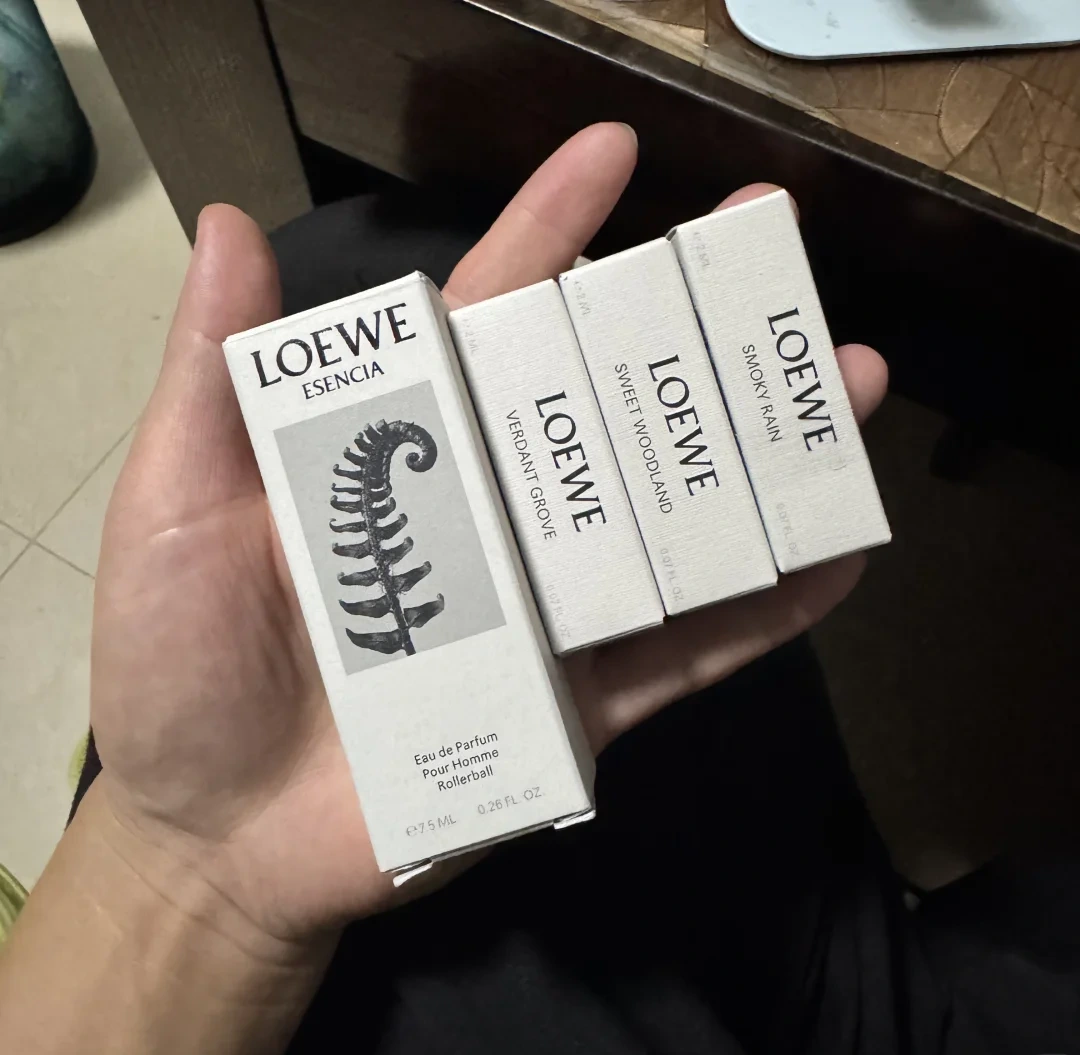
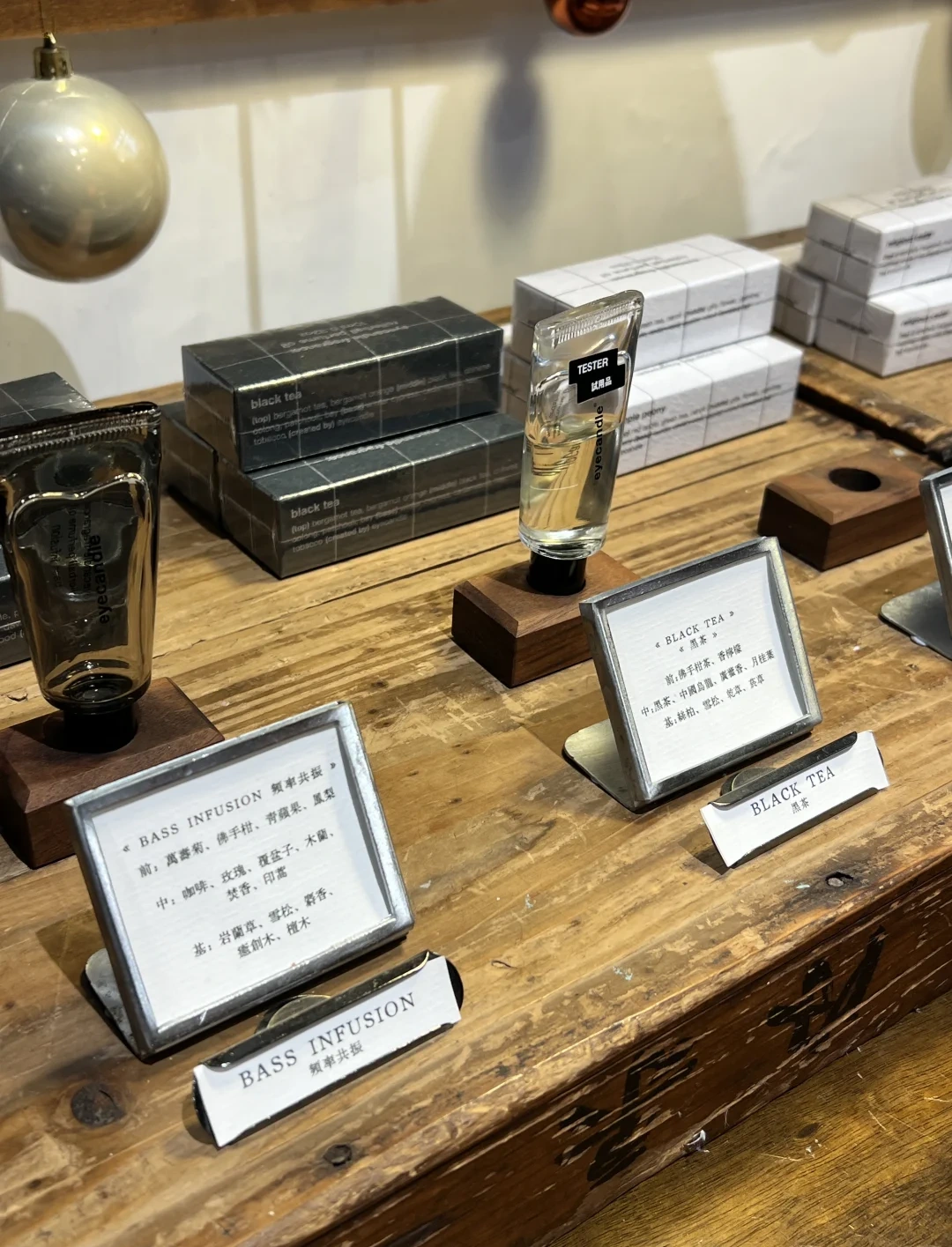
Small packs still need a dependable relationship between the product and its information. Check the approved fragrance name, product type, capacity and required labeling on the actual artwork. If several fragrances share a carton format, review them together in the orientation used for packing and picking. Color can support recognition, but it should correspond to readable product information.
Look at what remains after the carton is removed. Necessary information should not depend on keeping an unidentified empty box nearby. Establish how bottle and carton identifiers correspond when their codes differ. Use the approved product record as the reference; social-media captions can round capacities or omit a variant. A printed code is useful only when the project has defined what it identifies and how staff can use it.
Review closure and storage during everyday handling
The first opening is only part of the user's experience. Review how the cap is removed, where it is placed and how it is returned after use. Supply the intended instructions for this particular product, including any handling or storage directions approved by the responsible team. Packaging should give users room to follow those instructions without pressing exposed applicator parts against paper or decorative materials.
Consider whether a separate pouch or retained carton serves a real storage task. Neither should be described as a substitute for a correctly functioning closure. A closed bottle photographed beside everyday objects illustrates scale and presentation; it does not demonstrate resistance to abrasion, accidental opening or leakage in a bag. Any such performance claim needs evaluation of the proposed finished configuration.
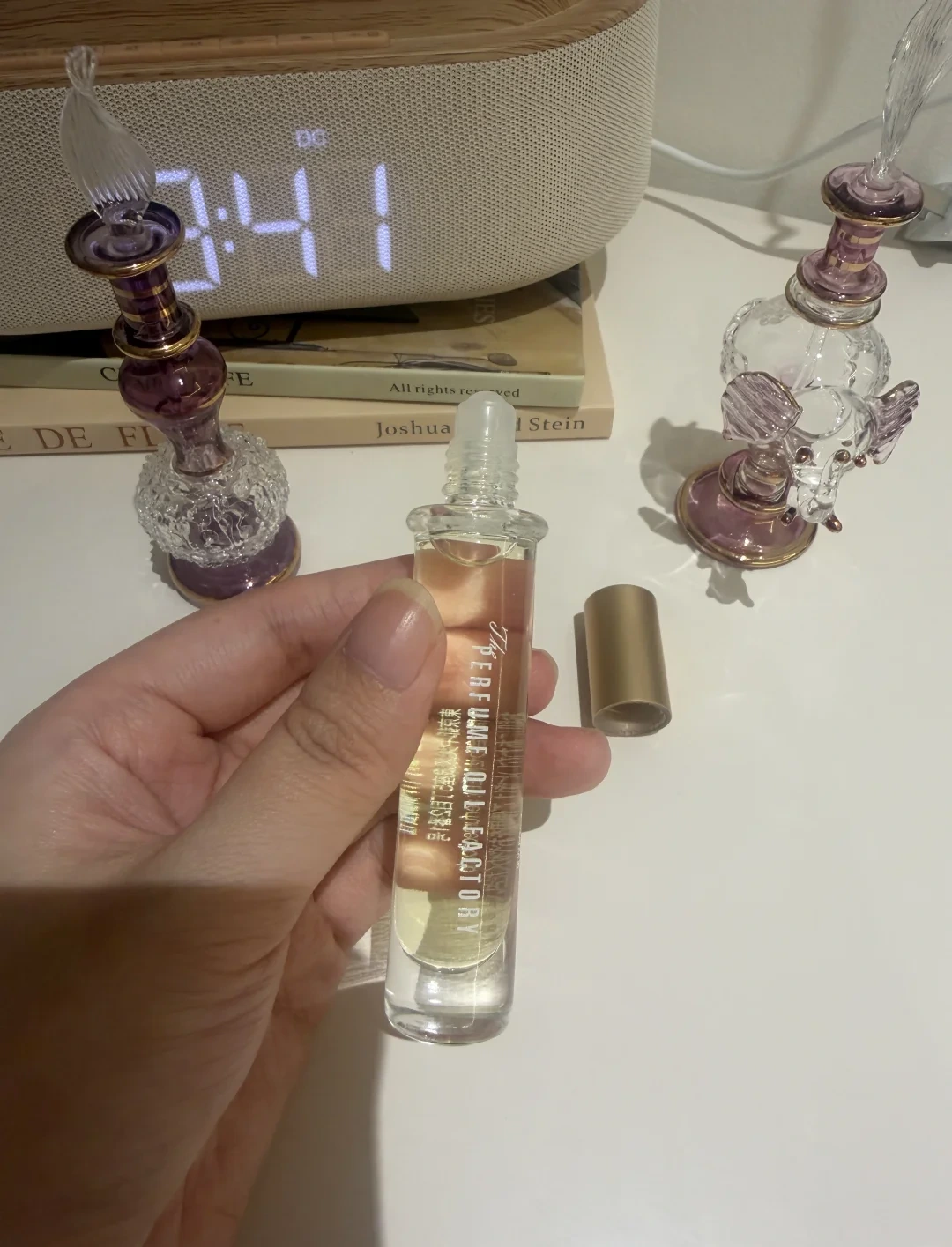
Approve the complete packaging and record changes
Bring the filled bottle, final roller assembly, cap, insert, carton and artwork into the same approval review. Use the actual packing and opening sequence. Separate observations about identity, physical support, removal and product function so that an attractive print result does not obscure an unresolved fit issue. Record who accepts each part of the configuration and what evidence supports that acceptance.
| Review stage | What to confirm | Record to retain |
|---|---|---|
| Component handover | The actual bottle roller assembly and cap are identified | Component references and assembled samples |
| Packing and opening | The unit is supported and can be gripped naturally | Insert revision and handling observations |
| Distribution evaluation | The packed product meets the agreed criteria | Method results and investigated exceptions |
| Artwork and picking | Bottle and carton identities correspond | Approved artwork and name to code mapping |
| Repeat orders | The approved configuration still matches supply | Change review and current approval record |
A later change to the bottle profile, cap, applicator, formula or insert can affect the basis of approval. Review what needs to be checked again and communicate any period when old and new packaging coexist. Roll-on packaging works best when the repeat order is tied to a clear physical reference and a complete approval record. Third-party photographs can help explain forms and handling questions; they cannot replace that project evidence.