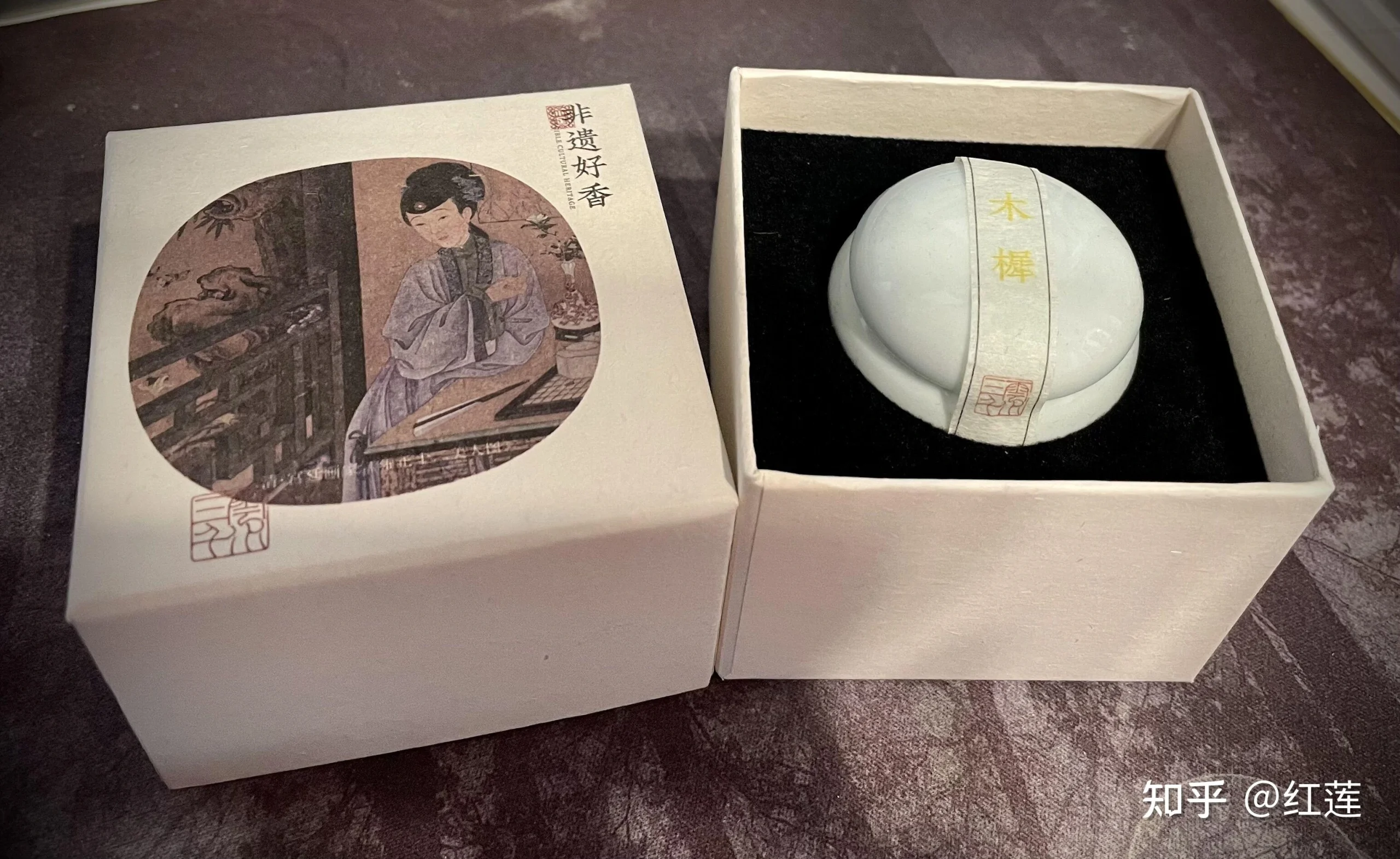
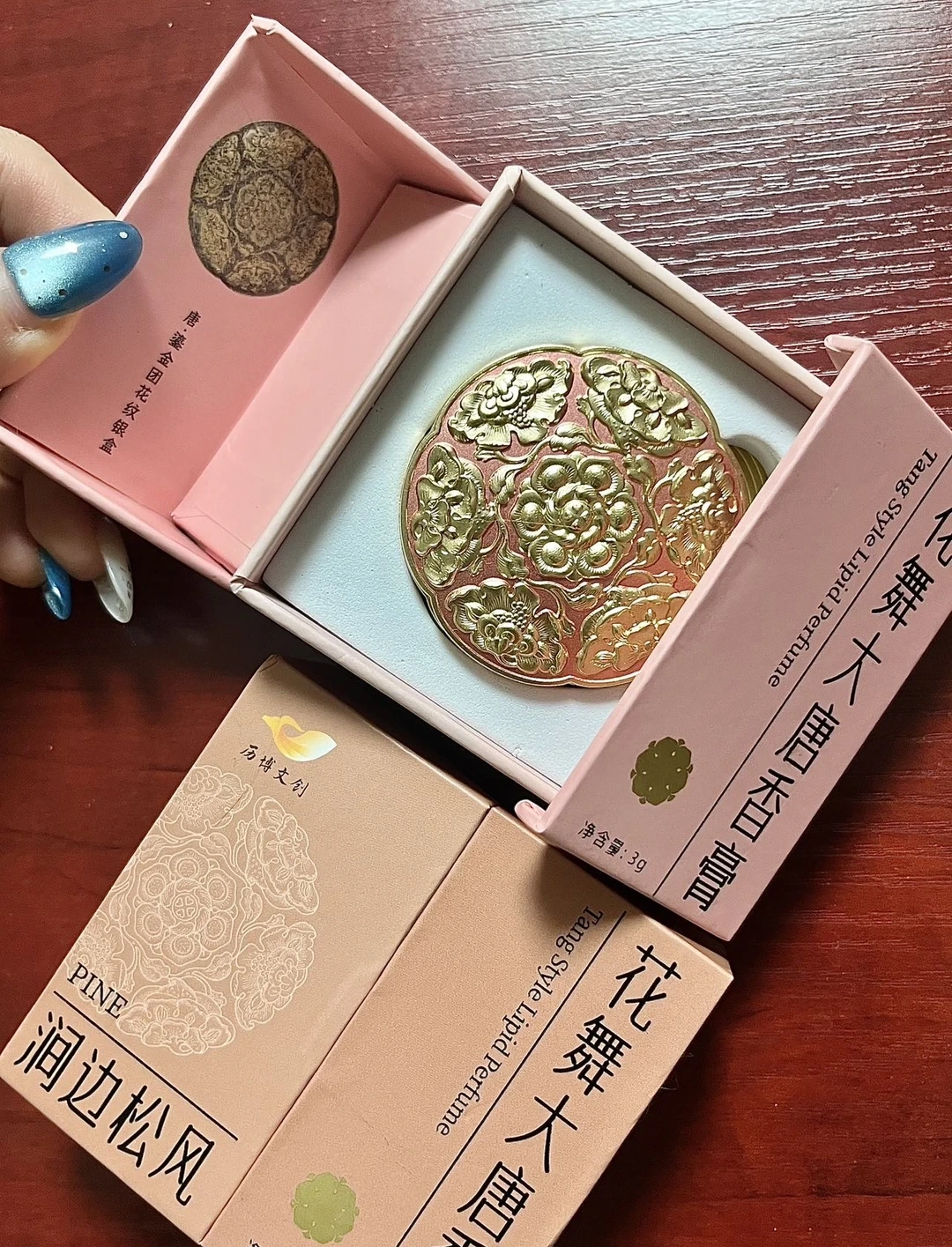
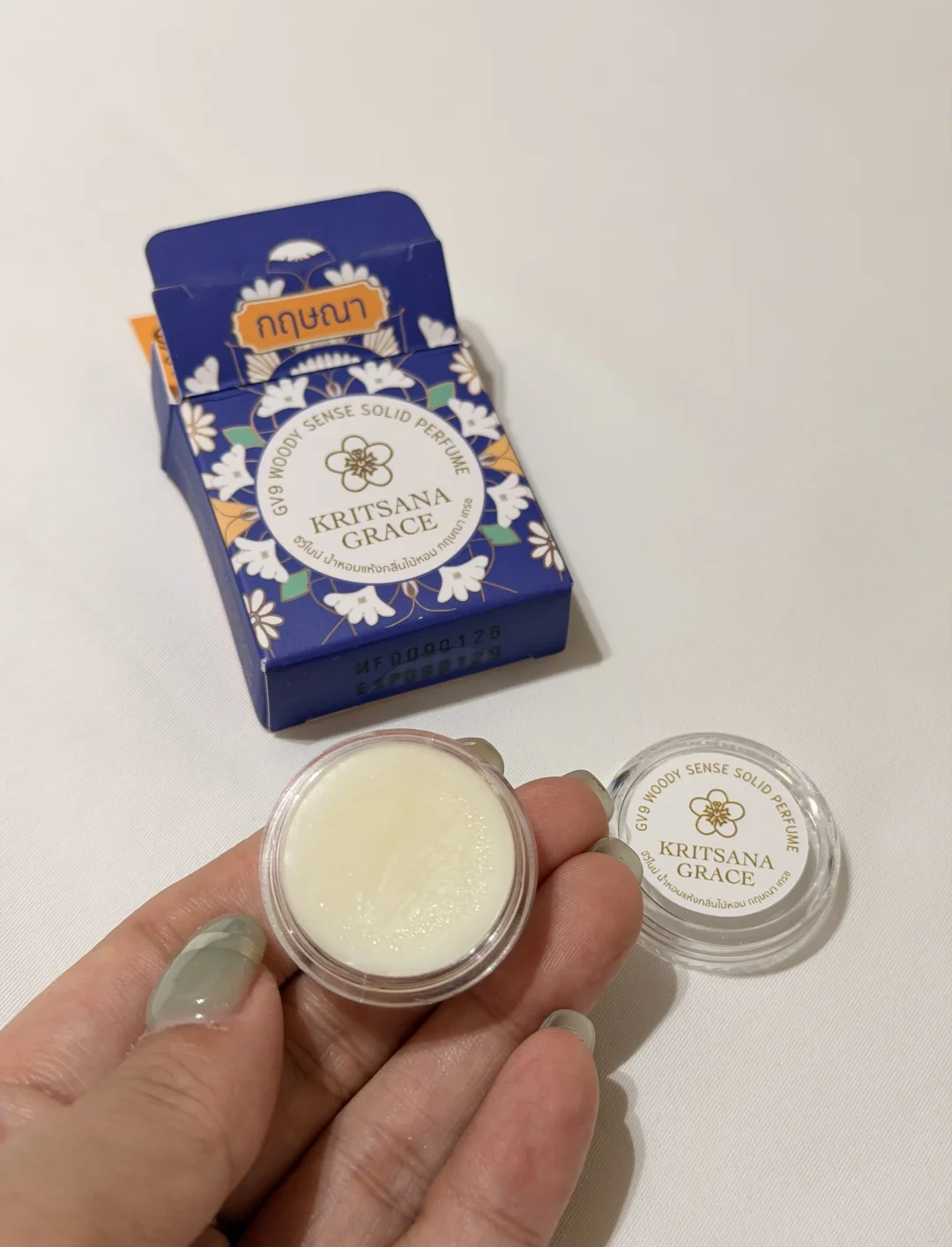
Solid perfume packaging should be developed around the filled container and the way people use it. A round pot, a sliding compact, a cylindrical pack and a refill kit each need a different approach to support, access and identification. For a brand buying packaging, approval needs to establish that the product fits, can be removed and closed again, and matches the fragrance and accessories being sold.
Start by listing the parts: the container in contact with the balm, any decorative shell, the retail box and the distribution pack. This gives the packaging supplier a defined product to work around and helps prevent a finished box design from reaching sampling before the full contents have been considered.
Define the container and the complete sales unit
The packaging brief should describe everything the customer receives. That might be one filled pot, a shell with a separately packed refill, or a set with a strap, application tool, instruction card and pouch. Identical net weights do not establish identical external dimensions or packing requirements.
Give the shell and refill separate references, and state whether either will be sold on its own. Include any refill tray, cover or sealed pouch in the sample as it will actually be packed. The box supplier needs the complete unit ready for packing, including its closure and accessories.
The carton and insert provide presentation, support and a further layer of protection during distribution. Suitability of the container and closure for direct contact with the product needs separate confirmation by the brand and the relevant supplier. An outer box cannot establish that suitability.
Compare formats through the opening and application sequence
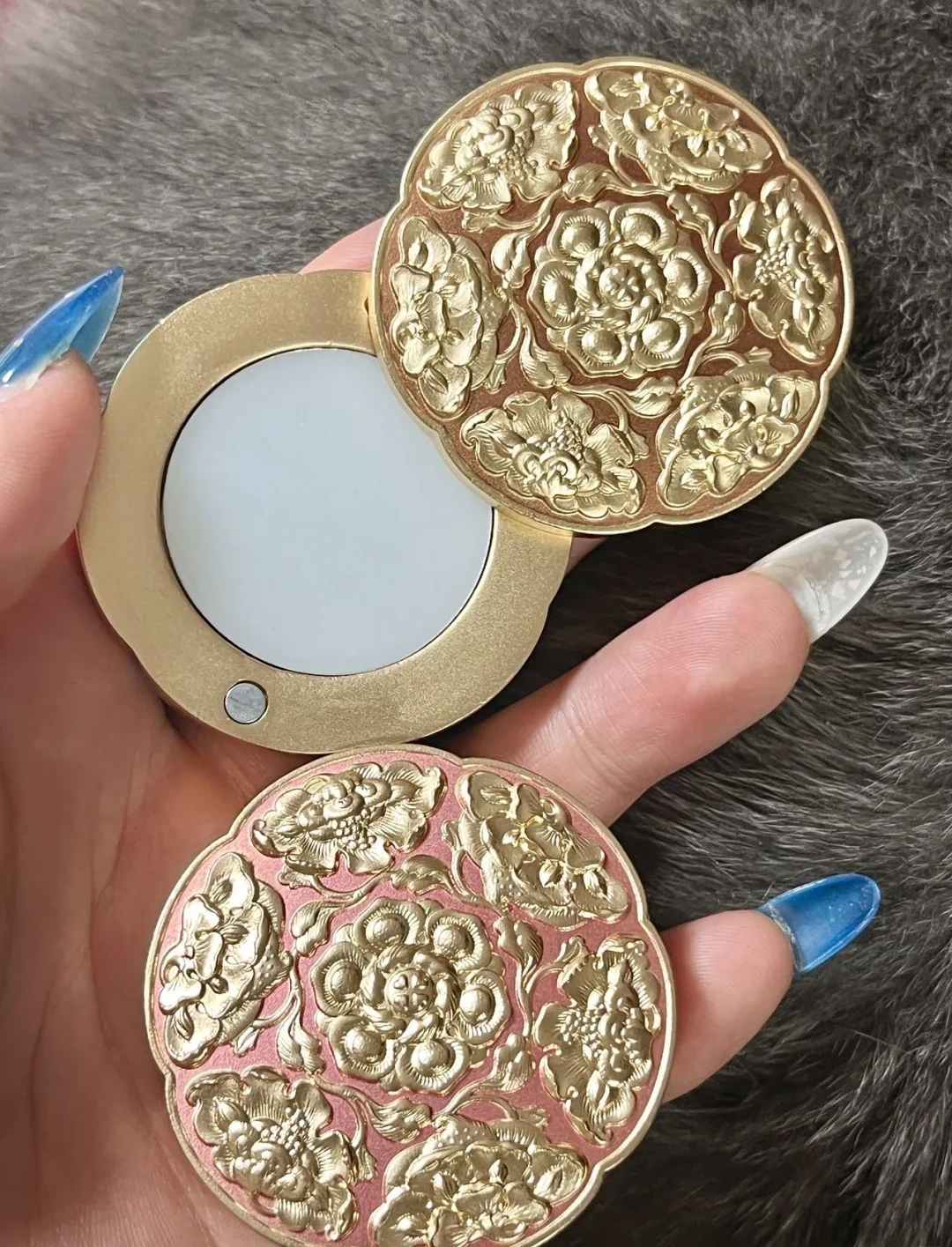
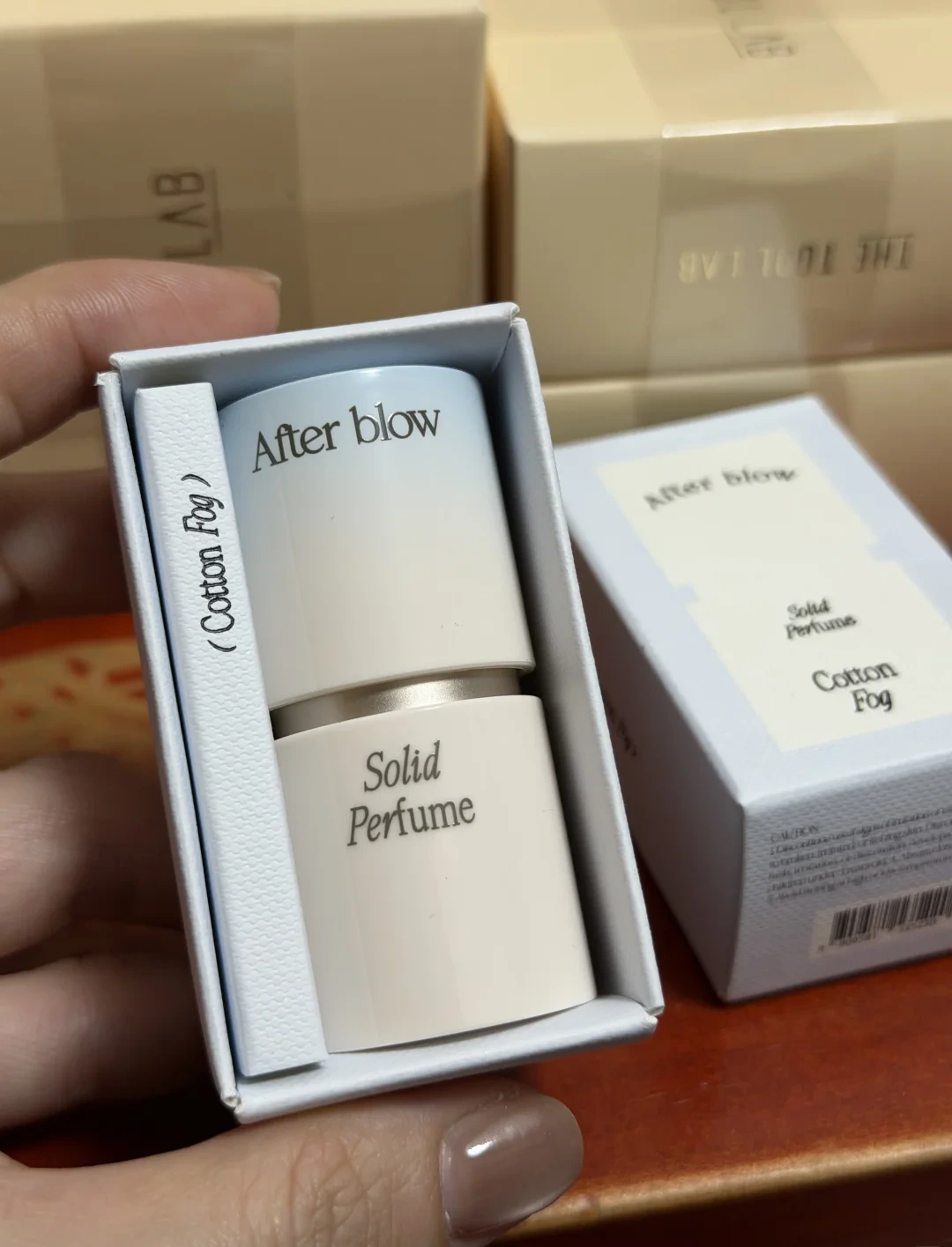
A pot may require the user to remove or open a lid before reaching the balm. A sliding compact needs space for both the moving lid and the user's fingers. For a cylindrical container, demonstrate the actual mechanism, including removing the cap, advancing and returning the product where applicable, and replacing the cap. Similar silhouettes can conceal different mechanisms.
Consider where the user holds the pack, whether a second hand is needed, where a detached lid goes and whether opening brings fingers into contact with the product. If an application tool is supplied, review its removal and storage as part of the same sequence. Reserve a defined place for it in the pack.
Reference photographs help explain shape and opening direction. A silver surface does not identify an alloy or coating, and a transparent pot does not identify its resin. Confirm materials, finishes and contact suitability through the supplier's specifications and physical samples.
Measure the complete profile and the space needed for access
Measure the maximum dimensions of the closed, assembled product, including raised decoration, side fittings, loops and the lid. Mark the orientation of a flower-shaped or irregular compact so that a nominal diameter does not overlook projecting details. Compare several actual units before agreeing the allowance in the box.
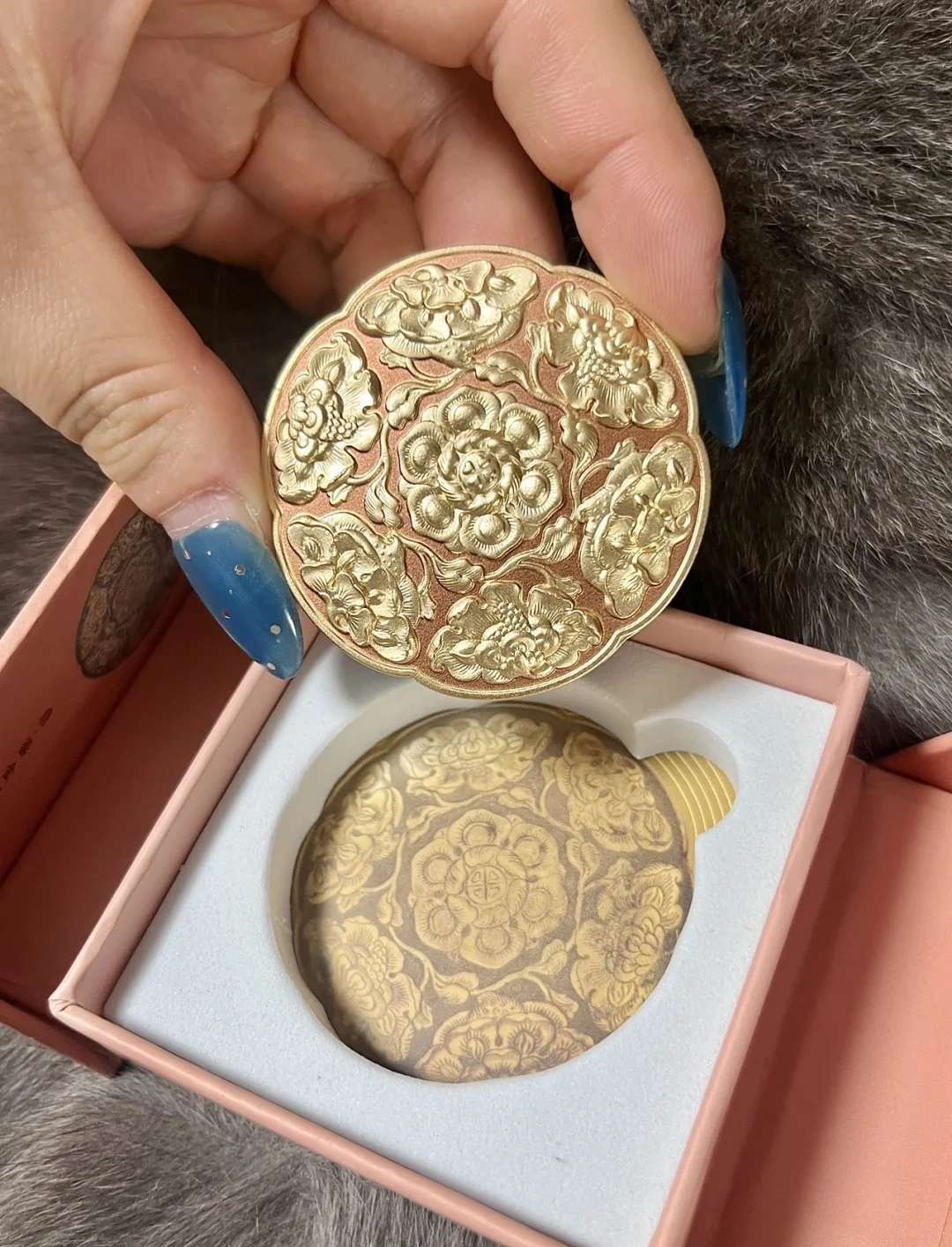
The cavity also needs room for removal. A product can fit into a box while remaining difficult to grip. During sampling, lift it out and check whether the user has to pry at an edge, press on the lid or pull up the entire insert.
Keep the dimensional drawing and sample revision together. A universal clearance figure would be misleading here: container variation, insert material, forming and assembly all affect the result. Agree the fit using the proposed construction and actual product.
Design the insert for support and removal
Support the product at suitable contact points while leaving moving components free. Pressing tightly against a decorative lid may make a display sample appear secure while creating problems during removal or handling. Check the surface and closure again after taking the product out.
For a flat compact, a finger notch can provide access to a firm edge. Demonstrate that access on the structural sample. For a complex shape, resolve orientation and removal before approving printing and finishes, so that structural issues remain easy to identify.
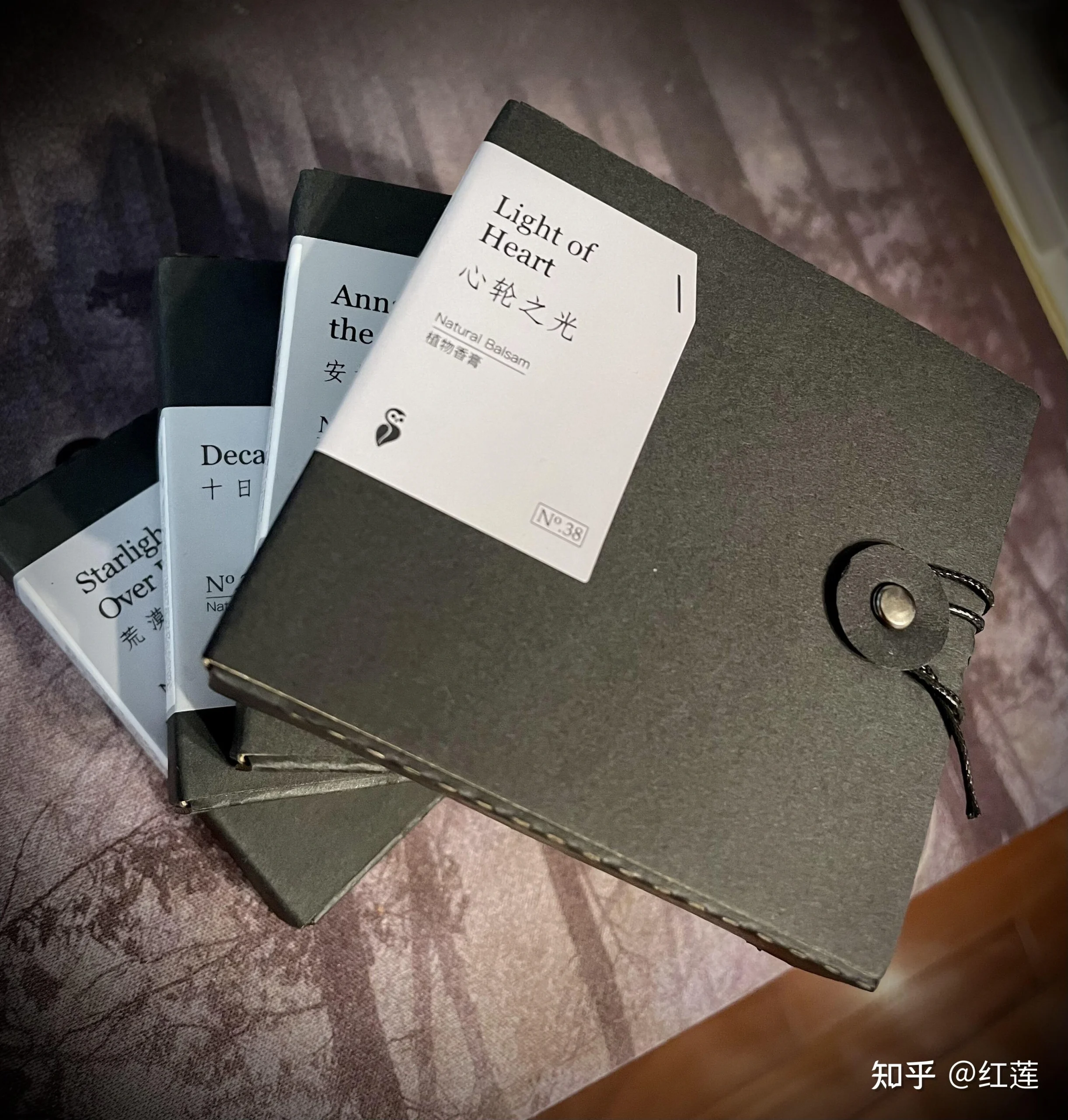
Specify the insert material from the actual sample and purchasing specification. The colour of an insert in a photograph cannot reliably distinguish foam, board or another material, or establish shock protection, moisture resistance or environmental performance. Recheck fit and access whenever the material changes.
Make refill and accessory instructions clear
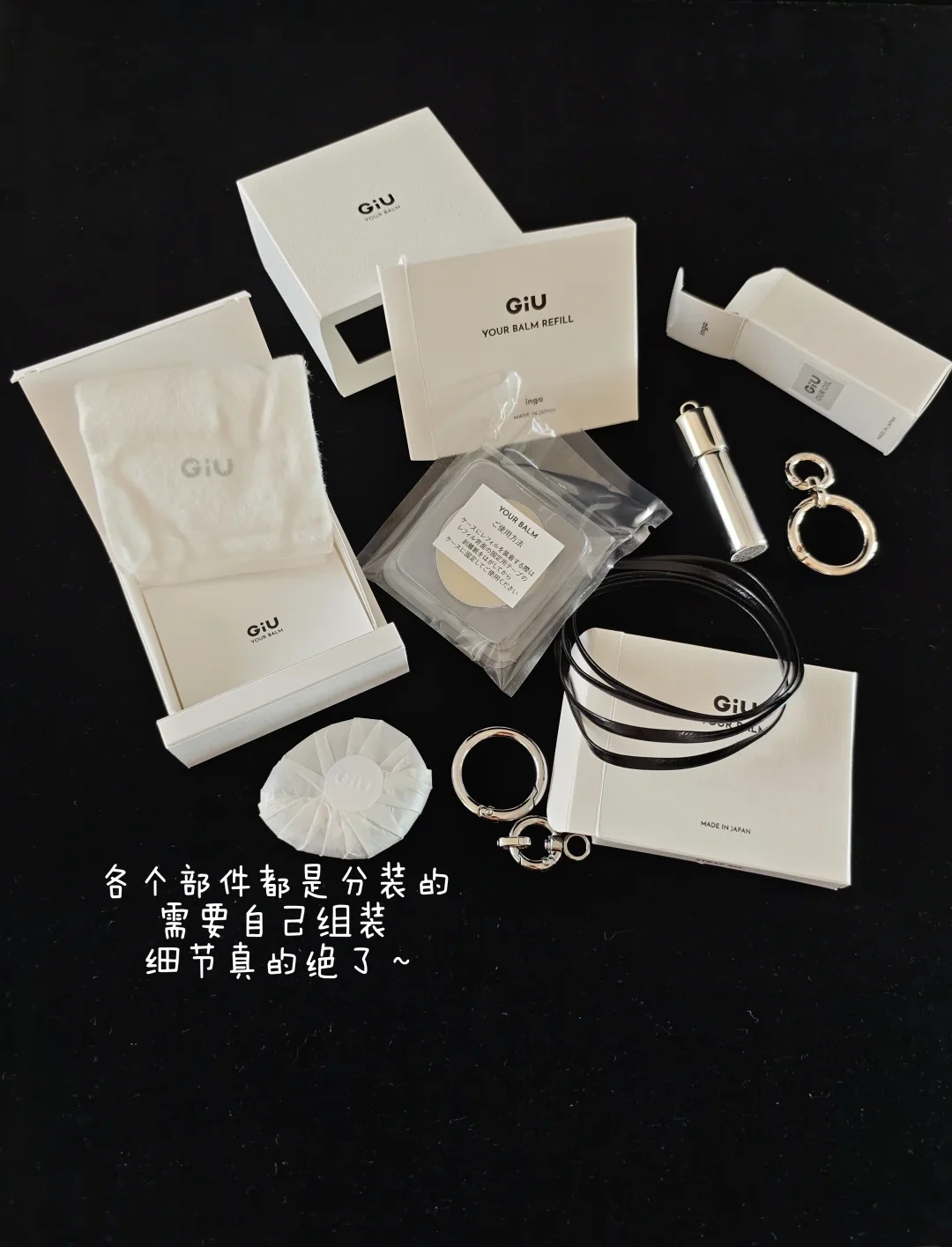
A refill system should make it clear whether the customer is buying a complete product or a replacement component. Use clear names and matching references for shells, refills and accessory packs. Colour can assist identification, but should not be the only way to distinguish them. Two similar-looking pans may have different fits.
If the customer assembles the product, explain which transport protection to remove, how to place and secure the refill, and how to close the pack afterwards. Ask someone unfamiliar with the design to follow the instructions. Use any reversed parts, missed steps or unnecessary dismantling to improve the text and illustrations.
Include component bags, covers and accessories in the packing list. An assembly sample and a shipment containing different parts cannot support the same approval. Review each change against the complete sales unit and its instructions.
Keep fragrance and display information easy to identify
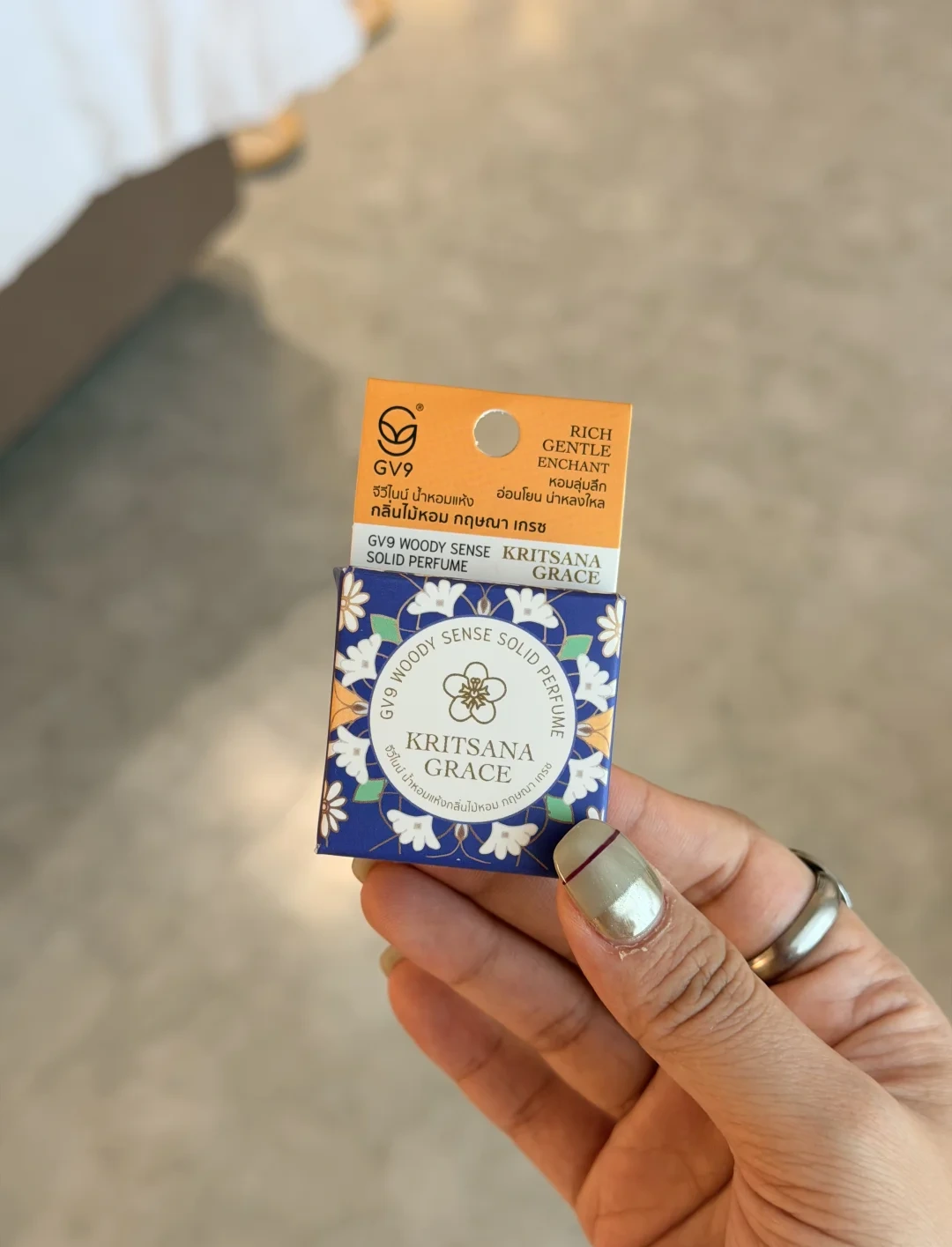
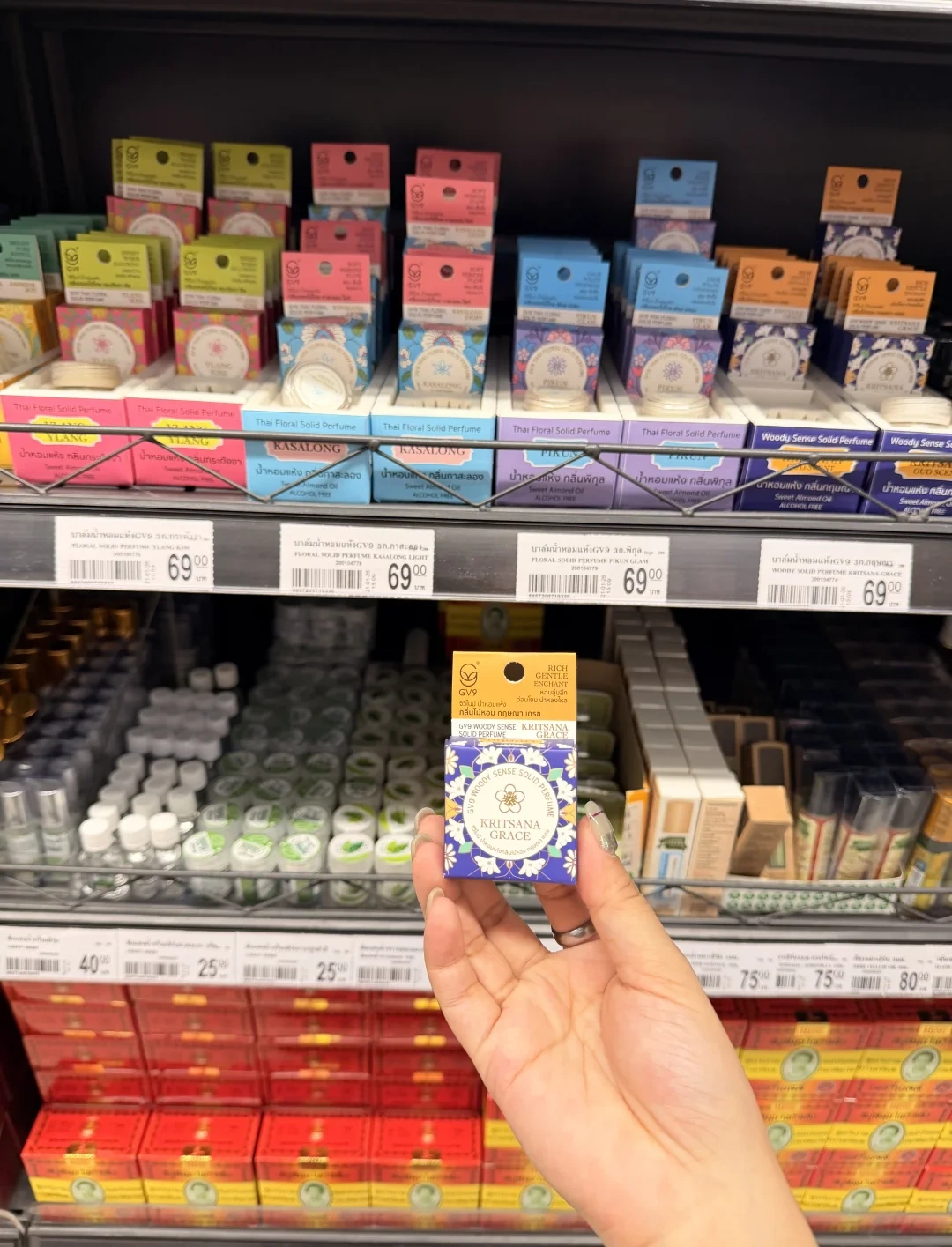
A container series may carry several fragrances. Product names, fragrance names, sales units and quantities should correspond across the pack. Make it possible to distinguish a solid perfume from a refill or accessory without opening the box.
Review artwork on a folded and closed sample. Check whether essential information crosses a crease or seam, sits on a seal or becomes covered. For a fragrance range, assess wording alongside colour so that packing staff can identify variants without relying on subtle colour differences.
For hanging cartons, display trays and gift boxes, check the information in the intended viewing direction. A fragrance name that is clear on a single carton may disappear behind a display tray. The brand should supply approved product information, with readable space reserved in the packaging layout.
Evaluate the pack with the actual filled product
A good fit with an empty container establishes only how the empty sample assembles. Evaluate the filled product, its contact container, closure, insert and box together. Look for marks on contact surfaces, changes at label edges and changes in opening or closing. Record the conditions under which any issue appears.
Agree storage and temperature checks around product requirements and the expected sales, warehouse and transport environments. The brand and relevant suppliers should define conditions, duration, sample quantities and acceptance criteria. Photographs and personal fragrance impressions cannot establish heat resistance, leak prevention or shelf life. If an oil mark appears on a carton, investigate its source before attributing it to a particular material or ingredient.
Use the intended shipping configuration when assessing distribution. Documented packaging inspection can provide a general framework, alongside checks specific to solid perfume access, closure and refill assembly. Keep before-and-after photographs linked to the sample revision and agreed test conditions.
Approve the complete packaging configuration
A specific approval record helps prevent a box colour approval from overlooking a change in container, refill or accessories. Use the following as a starting point for the sample approval review, with acceptance based on the specifications agreed for the project.
| Item to approve | What to review | Record to retain |
|---|---|---|
| Container and closure | Opening, closing and product contact suitability | Filled sample and container revision |
| Insert and box | Profile, support, removal and replacement | Drawing, material specification and approved sample |
| Refill and accessories | Matching references, assembly and packed quantities | Packing list and instruction revision |
| Labels and fragrances | Matching names, folded readability and display orientation | Approved artwork and finished pack photographs |
| Complete shipment | Storage and distribution checks under agreed conditions | Conditions, results, exceptions and change record |
For a solid perfume packaging project, send Bravo Package the actual container, shell and refill configuration, accessory list, expected quantity and sales format. Defining the complete unit and its use first gives the box, insert and artwork discussion a practical basis, and makes repeat orders easier to compare with the approved sample.