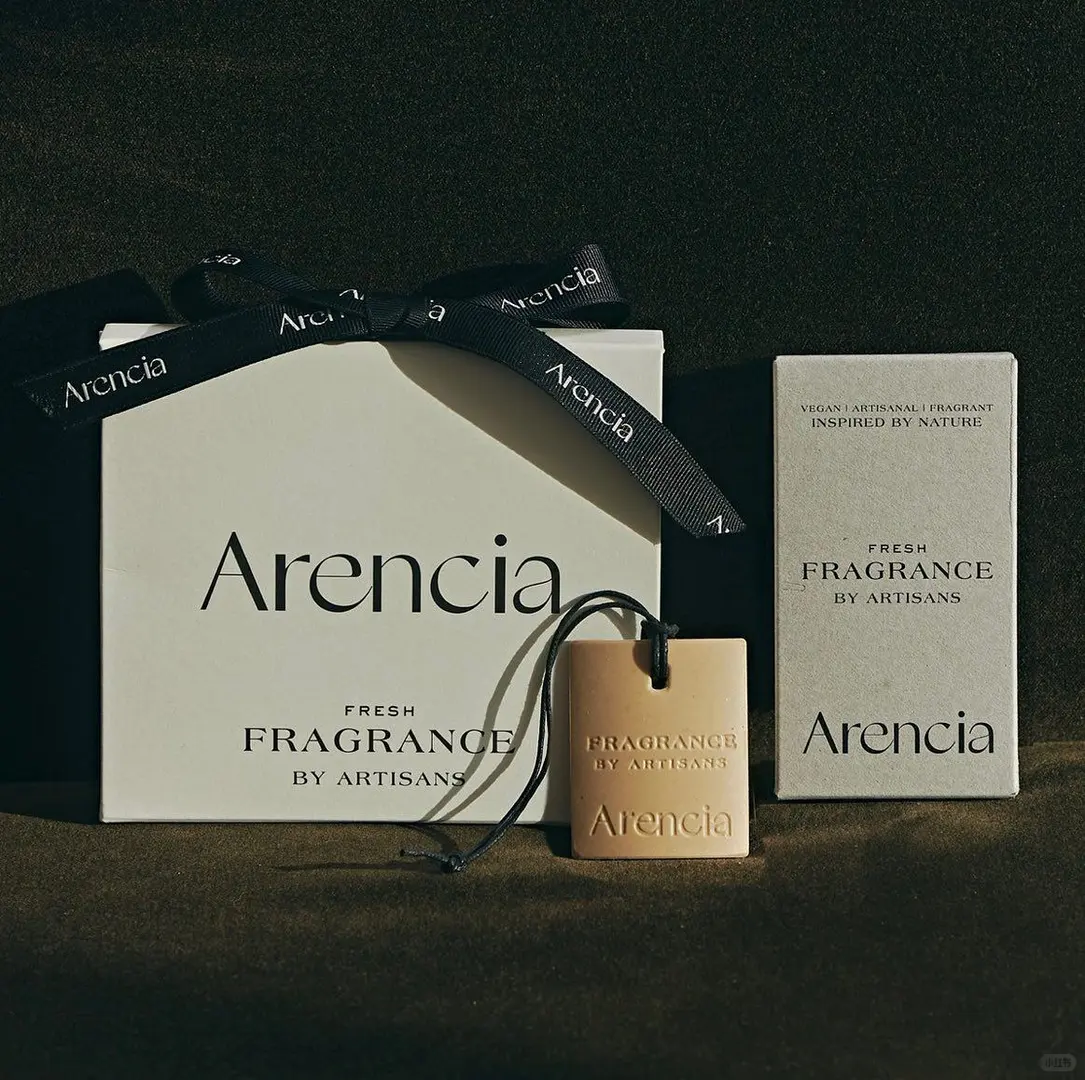
Identify which items belong to the sales unit before comparing the scope of two packaging proposals. The photograph does not establish the board construction. Third-party reference; not a Bravo Package project.
PERFUME PACKAGING · CHOOSING A BOX
Choose a perfume box by defining the job it needs to do. A single bottle sold at a counter, a parcel shipped to a customer and a fragrance gift set can call for different opening actions, packing arrangements and product support. A substantial-looking box does not establish transport performance. A simple carton does not limit a product to a particular price position.
Compare two complete proposals for the same bottle and sales situation. Each proposal should include its intended insert and the same scope of supply. A price for an empty folding carton cannot be compared directly with a rigid-box price that includes a fitted insert, decoration and assembly.
Fix the bottle and sales situation first

Provide the actual bottle with its final cap, pump and decorative parts, or clearly identified dimensional information. Record the filled weight, bottle and cap profiles, projecting parts and the areas that can be handled when removing the product. Capacity alone is insufficient: two bottles holding the same volume can need very different packaging.
Define the sales unit too. Is it one full-size bottle, or a bottle with a sample spray, card or other accessory? Will the retail box travel inside a separate shipping carton? Will store staff pack it at the counter? Is the customer expected to reopen and retain the box? The answers affect the insert, access, shipping arrangement and delivery state.
For an everyday single-bottle retail pack, a folding-carton proposal is a useful candidate to assess. Where the brief calls for a particular gift-opening sequence, a fixed presentation arrangement or a box intended to be retained, include a rigid-box proposal. These are starting points for comparison. The complete sample and actual handling requirements determine the choice.
Compare the construction behind the description
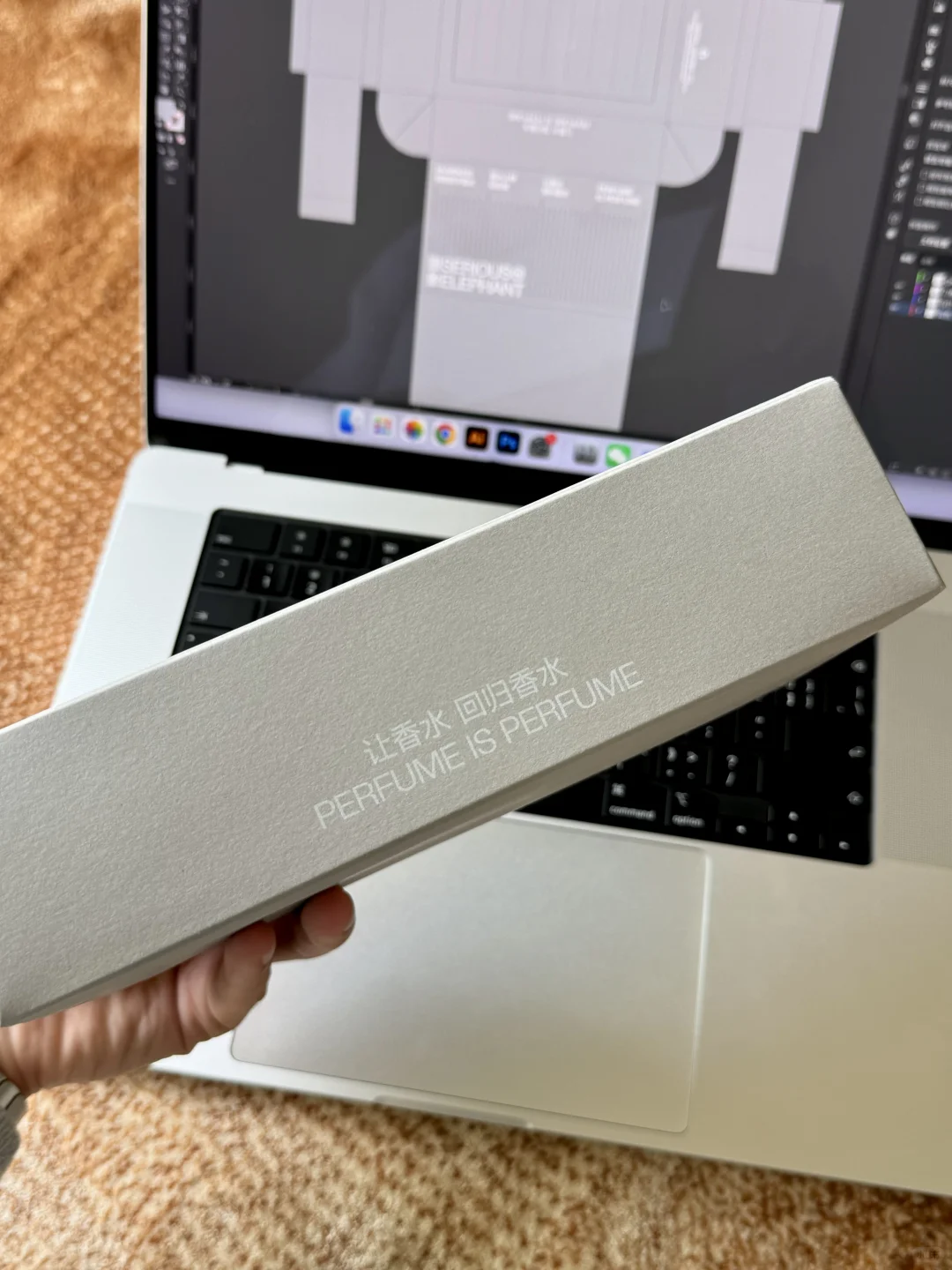
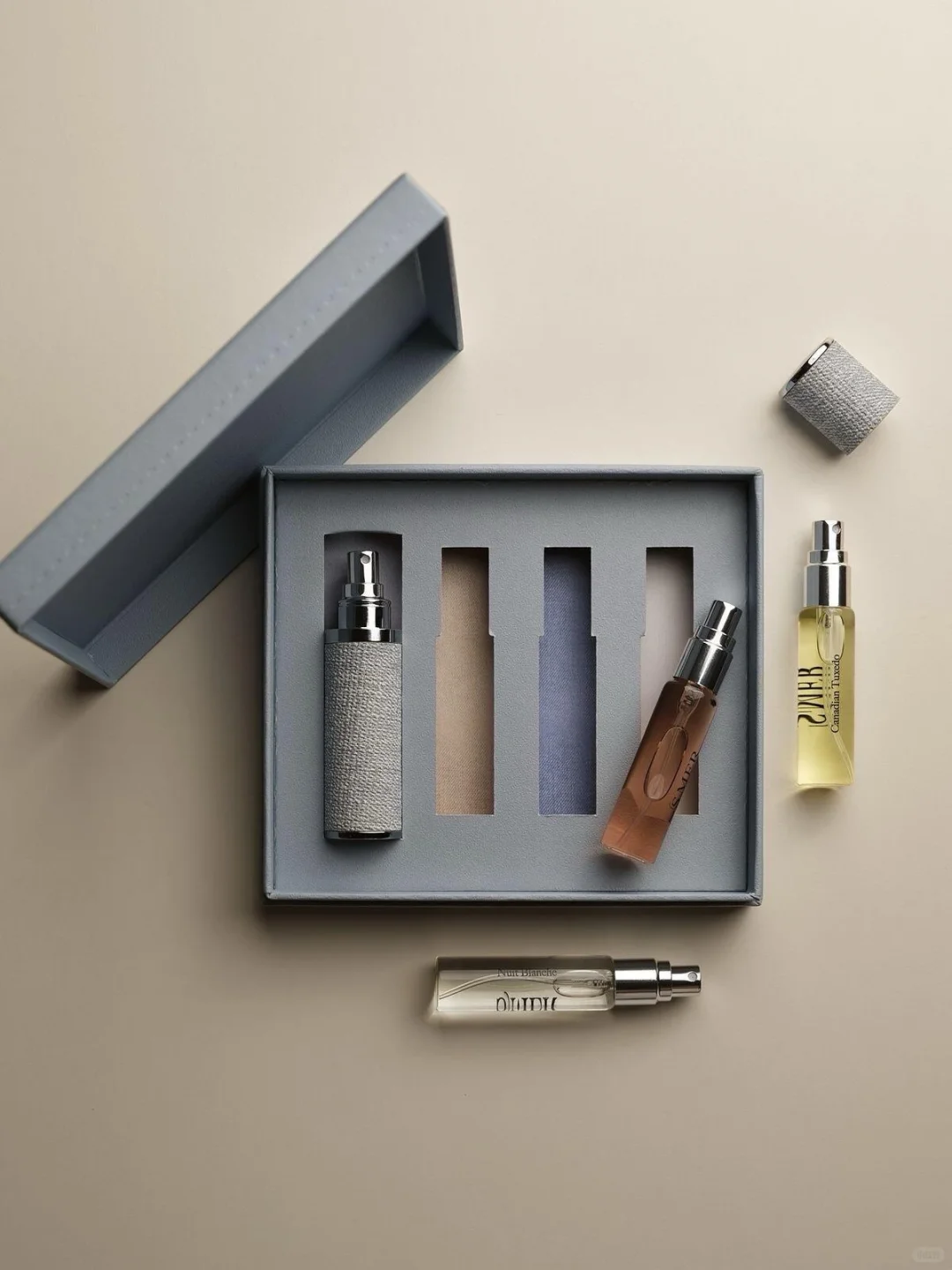
A folding carton is generally formed through cutting, creasing, folding and joining paperboard. A rigid box generally has a thicker board body with a paper wrap or another covering. The opening arrangement needs a separate description: tuck closure, locking base, drawer, lift-off lid or hinged cover. A drawer-shaped pack is not enough information to identify its underlying construction.
Ask for an itemised description of the outer box, insert, closure and delivery state for each proposal. On a folding carton, inspect the creases, tabs, base and seam. On a rigid box, inspect the corners, wrapped edges and lid-to-base fit. The surface paper, colour and decoration are additional specifications. “Specialty paper” is not a complete material description.
Clarify phrases such as “kraft look” or “premium rigid box.” They might describe an appearance, a paper choice or a construction, but they leave important questions unanswered. Reference images and marketing names can start a discussion; the material list and physical sample need to complete it.
Review bottle support and removal together
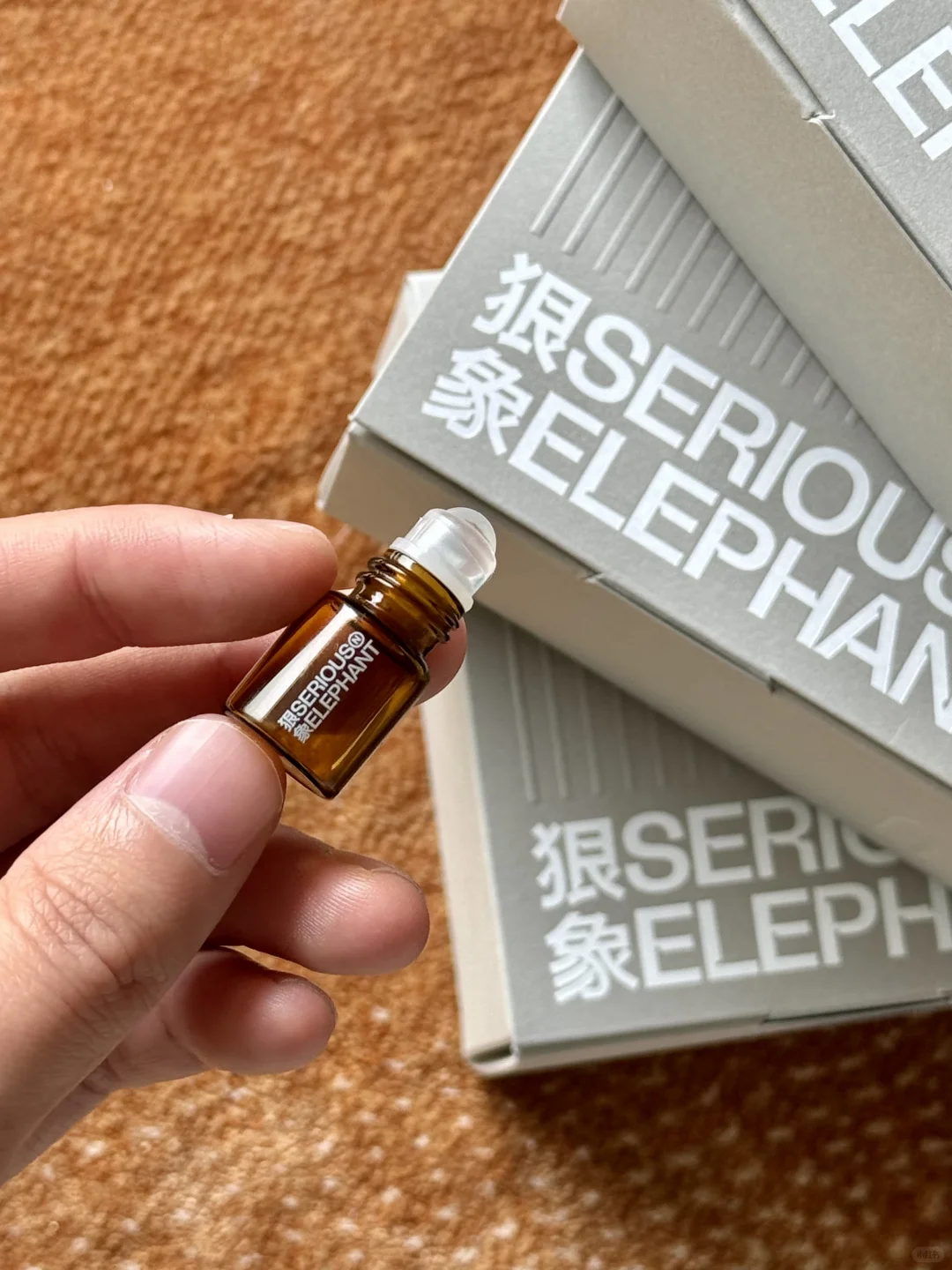
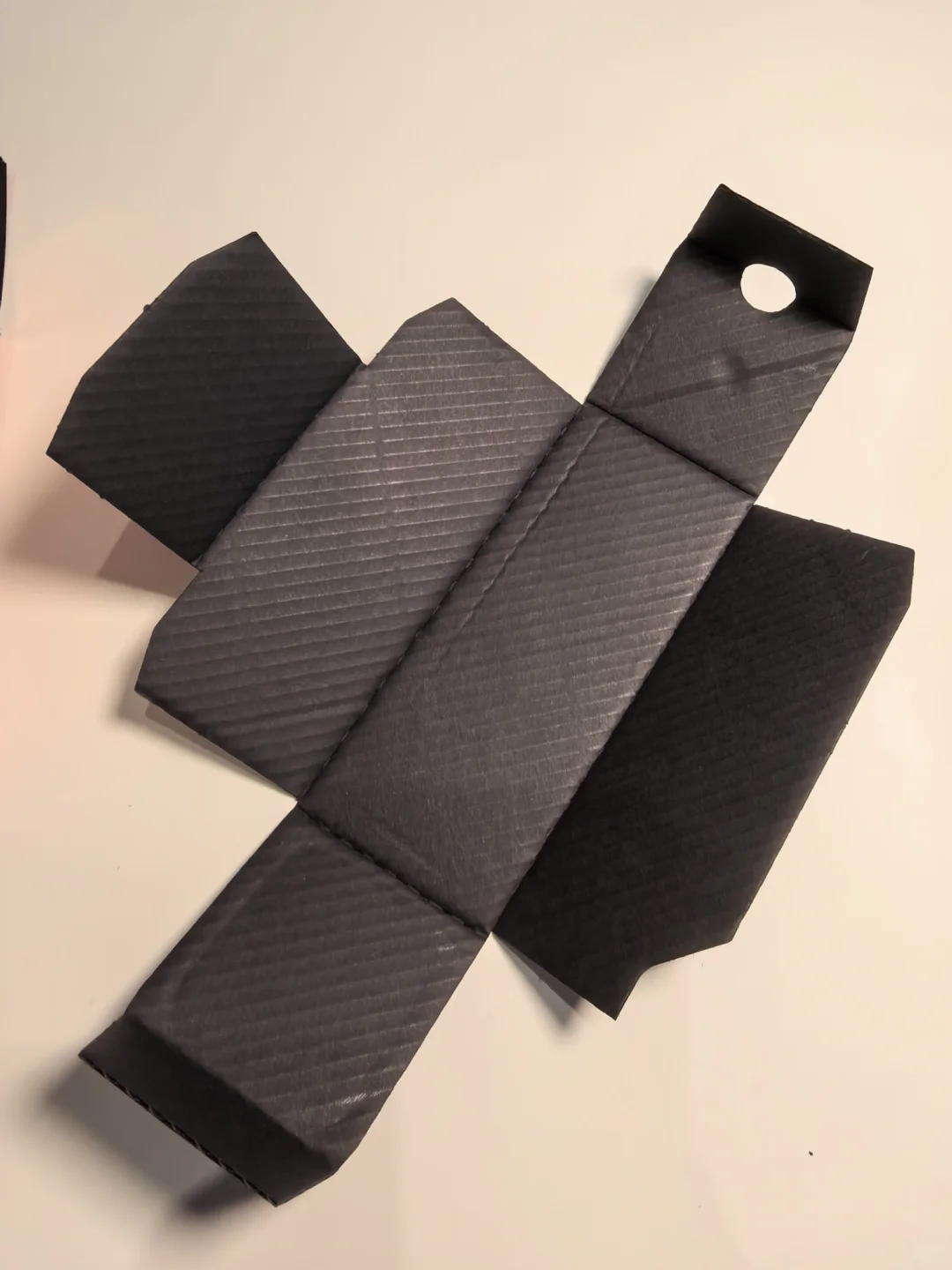
Assess the outer box and insert as a system. Identify where the bottle is supported, the space around the cap and pump, and how the user can remove it without pulling on projecting components. In a set, review the relationship between the accessories as well as the individual openings.
Handling a sample can reveal problems with access and closure. It does not establish that the pack is suitable for distribution. If the product will be shipped, assess the proposed retail pack together with the intended shipping carton and relevant protective materials. The evaluation conditions and acceptance criteria should reflect the product, channel and supply-chain requirements.
If a carton proposal needs better support, first identify whether the issue lies in the outer box, insert, dimensions or assembly. A change to a rigid outer box is not automatically the answer. A rigid box also needs its internal fit and shipping arrangement assessed. When insert material, thickness or opening positions change, reconfirm the fit and any affected evaluation requirements.
Try the actual packing and opening sequence
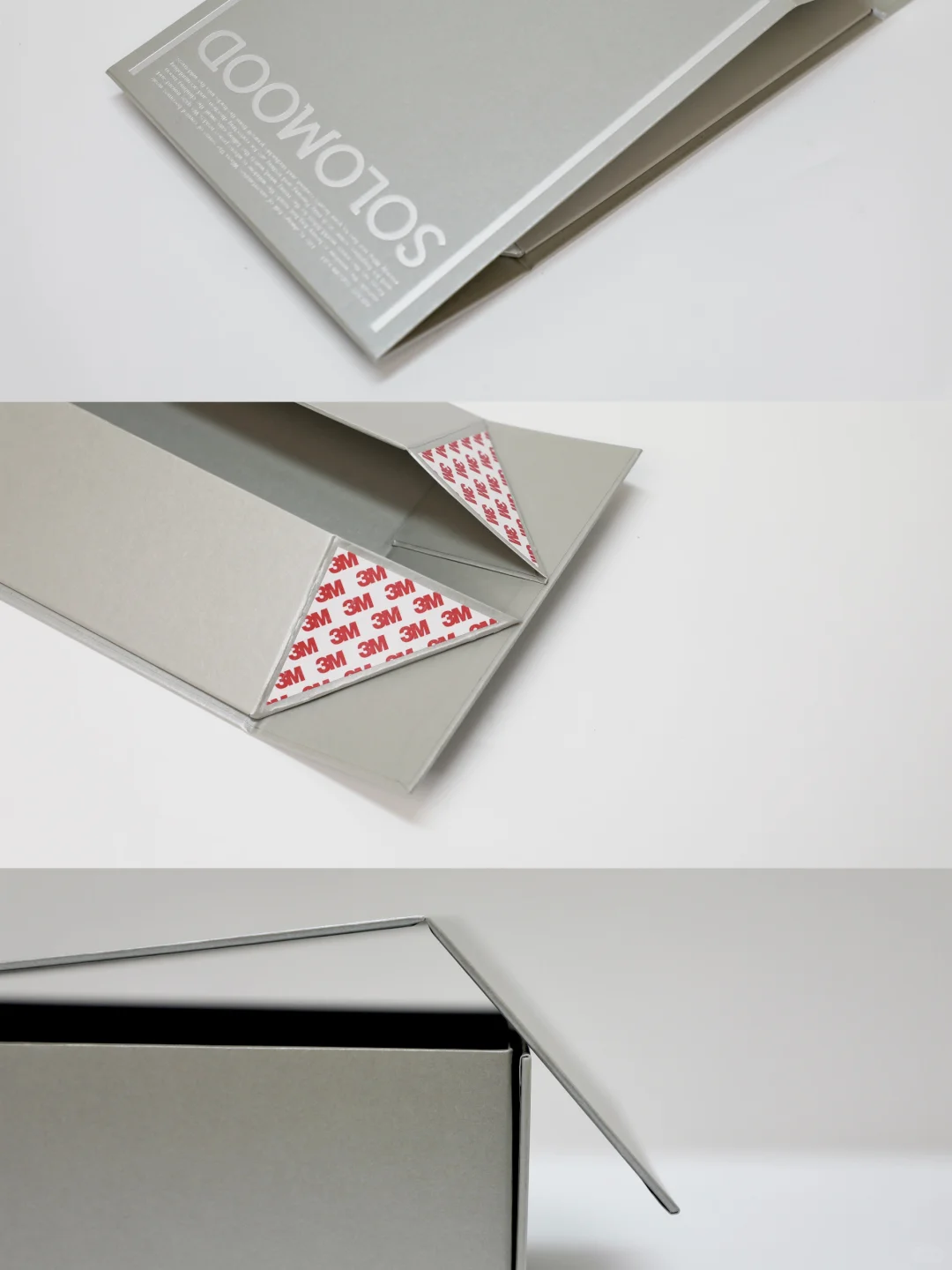
Have the people who will pack the product carry out the same sequence with both proposals: prepare the box, position the insert and bottle, add the information card, close the pack and organise it for delivery. Record the steps, orientation, additional components and opportunities for mistakes. If packing time is needed for a cost estimate, measure your own trial instead of assigning a number from a photograph or box-style name.
Then follow the customer's opening sequence. Is the opening point clear? Is there access to grip and remove the product? Does the insert obscure information the customer needs? Magnetic closures, drawers and lift-off lids create different actions. Assess those actions against the intended use with a physical sample.
For a proposal delivered flat, confirm who forms it, where assembly takes place and whether tape or other supplies are needed. For a proposal delivered formed, confirm the packing arrangement and storage requirements. Do not assume every rigid box has the same delivery state, or that a folding carton arrives ready for every subsequent packing operation.
Give the appearance comparison a common basis
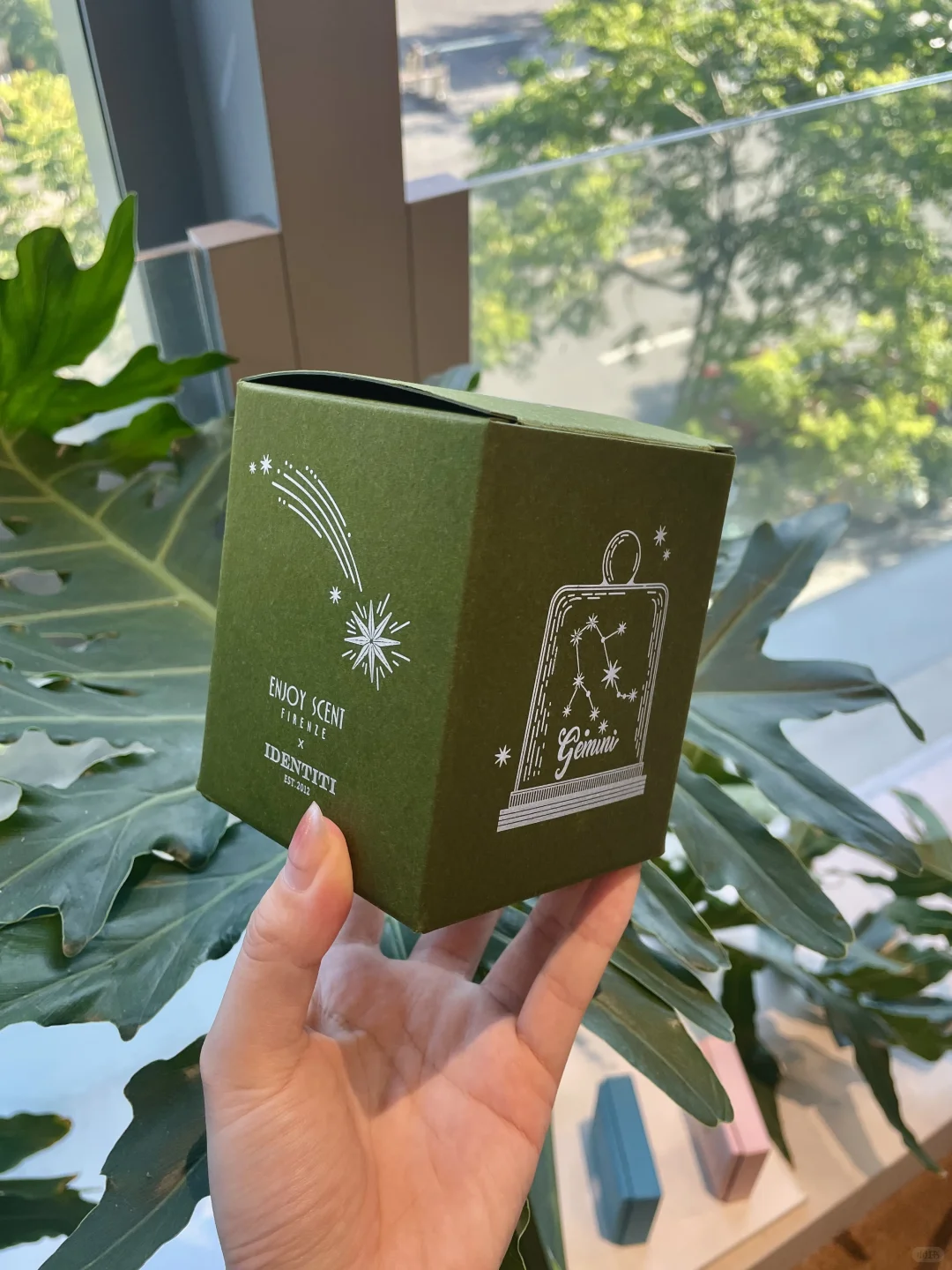
Where practical, use the same main colour, information hierarchy and decoration direction on both proposals. Otherwise, a preference for the artwork can be mistaken for an advantage of the box construction. Printing and decoration on a carton, and the corresponding treatment on a rigid-box wrap, each need confirmation on the proposed material.
Check where the brand, capacity, product version and other required information will appear. Review the front, sides, base and the areas exposed after opening. Structural approval and approval of the selected paper and printed finish address different questions; keep both connected to the current specification.
Use observations that can be checked again instead of a single “premium feel” score. Record whether the text is legible, the artwork revision is correct and the opening fit matches the approved sample. Agree how visible damage and assembly defects will be handled. Specific acceptance conditions should be established against the actual proposal.
Compare costs within the same scope of supply
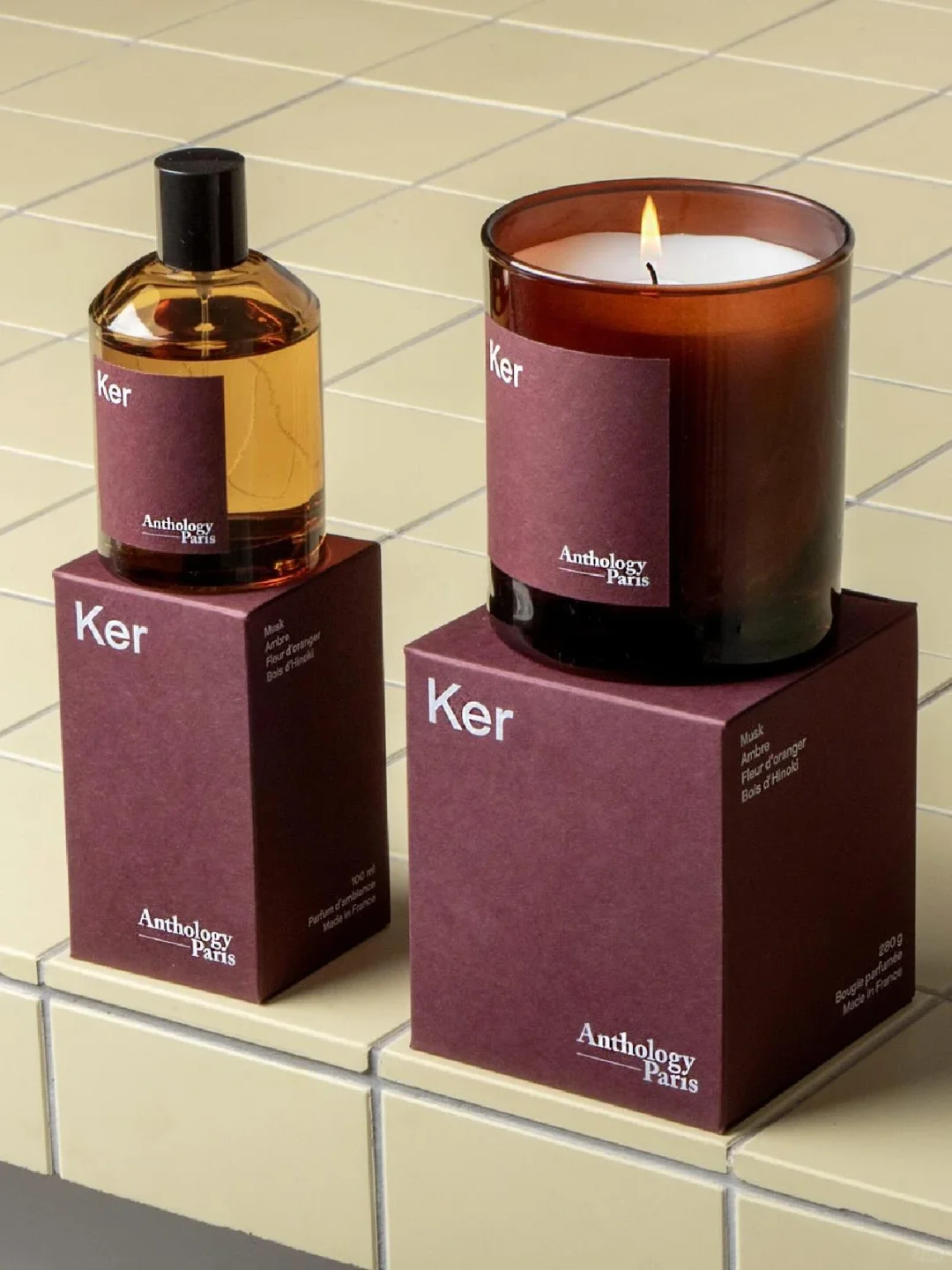
Separate the outer box, insert, printing and finishes, sampling and tooling, assembly, packing and delivery charges. State the quantity and its allocation across artwork versions, along with the items included and excluded. Neither the lowest outer-box price nor the most elaborate presentation settles the complete purchasing decision.
For flat delivery, include the proposed local forming, assembly, consumables and storage arrangements. For formed delivery, obtain the confirmed outer-carton dimensions and packing quantities. Use that information to assess freight and inventory space. A flat-layout photograph is not evidence for a particular freight-saving percentage.
A practical comparison sheet can put the two configurations side by side: bottle fit, removal and closure, appearance, assembly responsibility, delivery state, complete quotation and unresolved items. Attach the sample and quotation revision to each column. This makes it easier to see what an additional charge actually provides.
Approve a complete configuration before production
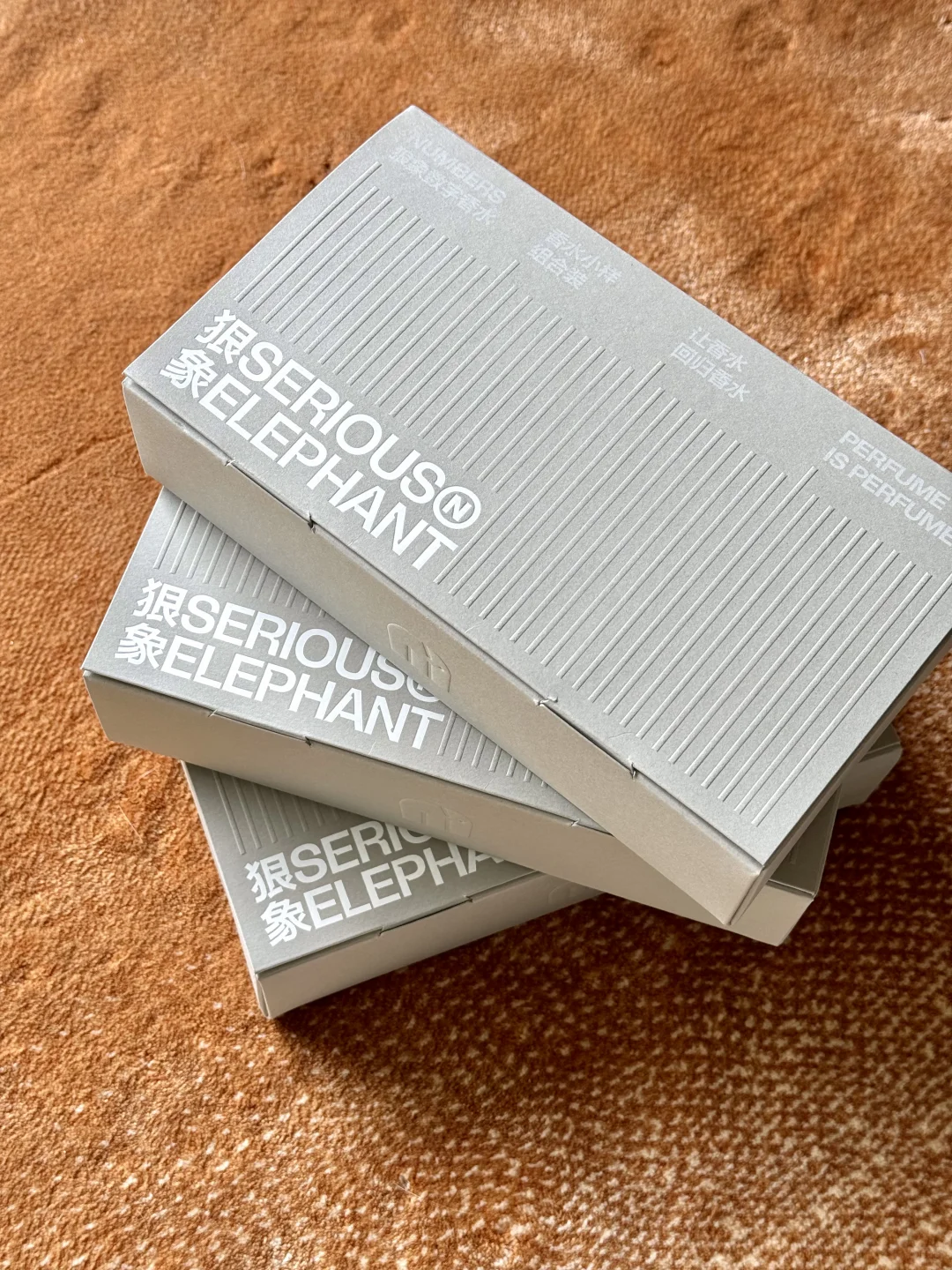
Record the selected configuration in more detail than “folding carton” or “premium rigid box.” Keep the box and dimension revision, materials, insert, artwork files, surface treatment, closure, delivery state and agreed checks together. List any outstanding approvals separately. One appearance sample should not be treated as approval of every aspect of the pack.
For everyday single-bottle retail, a carton configuration that meets the agreed fit, presentation, handling and channel checks can proceed to a final commercial comparison. For gifting, a rigid configuration may be appropriate where its opening sequence, presentation and retained use answer explicit requirements and the complete proposal has been evaluated. Each is a project decision rather than a universal ranking.
When discussing the project with Bravo Package, provide the actual bottle or identified dimensions, quantity, sales situation, accessories and the two candidate directions. Ask for each configuration and quotation to cover the same scope. Clear comparison conditions make the next sampling decision more useful.