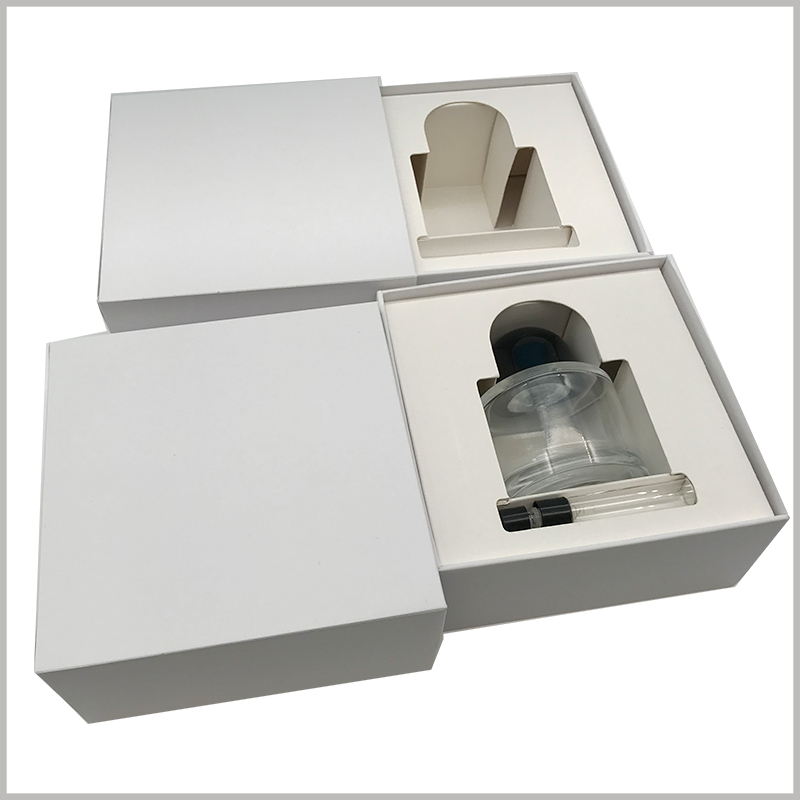
Compare the actual product positions and construction, rather than selecting an insert from its material name. Third-party reference; not a Bravo Package project.
PERFUME PACKAGING · PAPERBOARD PULP AND FOAM
Choose a perfume insert by defining what it must hold, where it may touch the product and how the bottle will be removed. Then compare material proposals. An insert described as paper may be folded board or molded fiber. A foam proposal may include a separate facing, fabric or adhesive layer. Those names help start a quotation, but do not approve the complete construction.
The useful comparison is between actual proposals developed from the same product inputs. Keep the composition, structure, assembly work, development costs and sample checks visible, rather than choosing from a photograph or a general claim about a material.
Define the job before comparing materials

Supply the final bottle sample, including the cap, label, decoration and any protective bag that remains in the pack. List accessories and their intended positions. Explain whether the bottle will stand upright, lie flat or use another presentation orientation. Identify proposed support areas, projections that need clearance and access for the user's fingers.
Appearance, handling and transport protection need separate evaluation. A bottle that stands neatly on display has not automatically passed a shipping assessment. A closely shaped opening does not establish suitable contact with the decorated product either.
Discuss the retail configuration and the complete shipping configuration with the supplier. An insert approved on its own can still conflict with the box, an information card or an outer shipping carton. Keep those interfaces in the brief while the structure is being developed.
Paperboard inserts: examine the formed structure and assembly
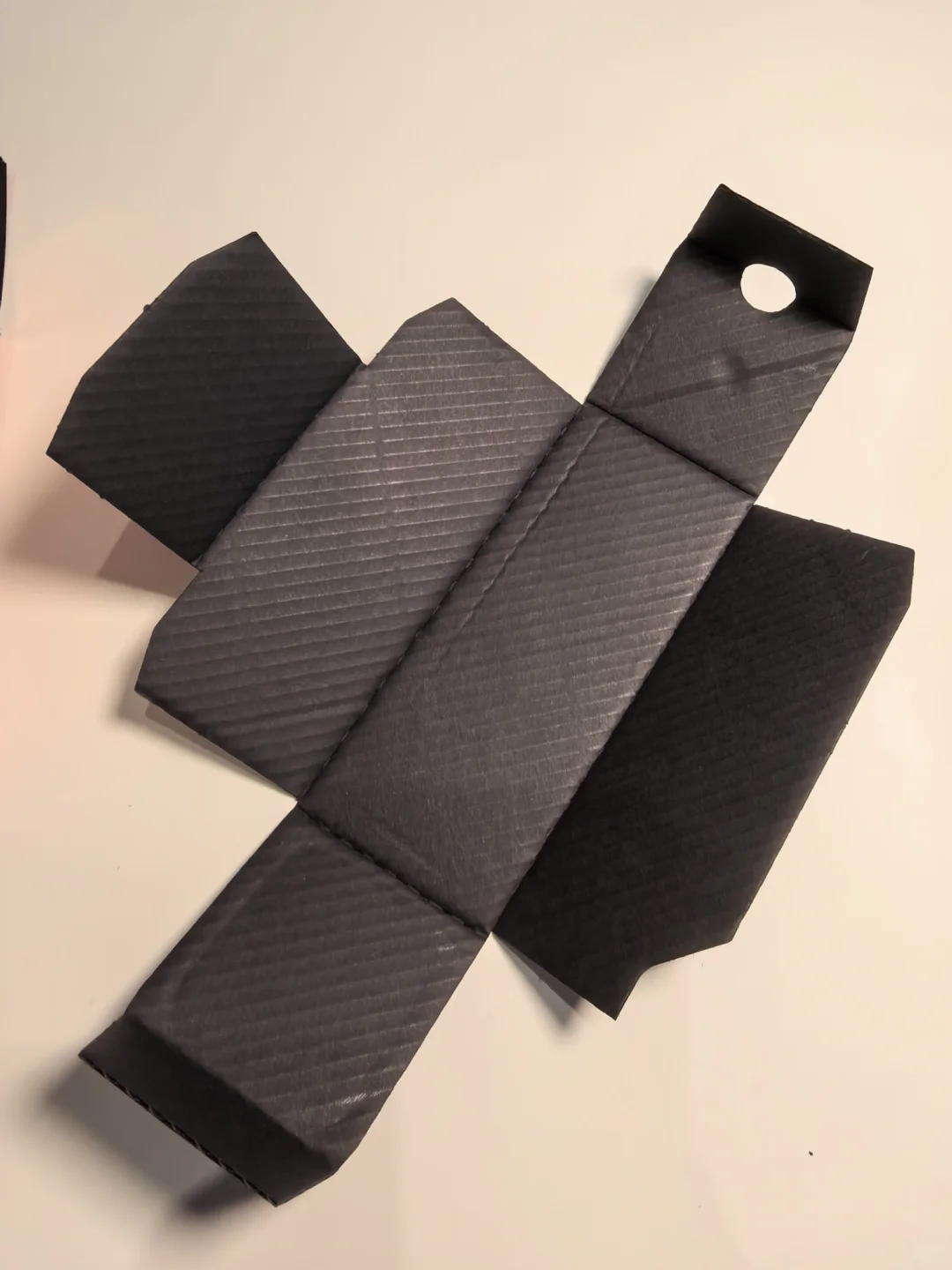
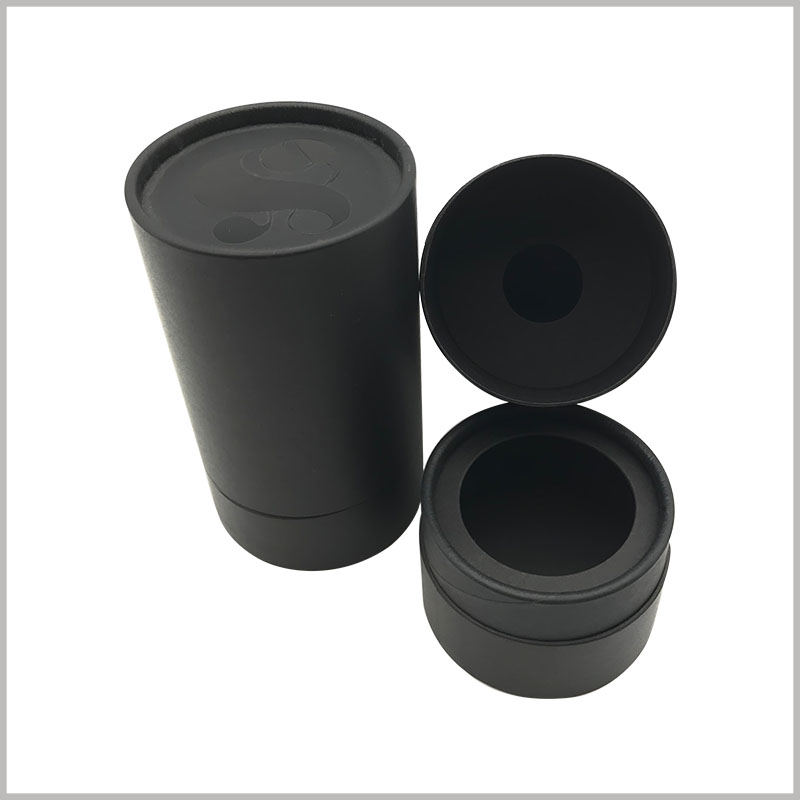
For a board proposal, ask the supplier to identify the substrate, layers, folds and joining method. List any separate facing or surface layer. A description such as white card or kraft paper leaves important parts of the construction unresolved.
The flat component and the formed insert have different dimensions and conditions. State which condition is being checked. Review openings, folded edges and support surfaces against the actual product. Check for interference during loading and for a usable grip during removal.
If the insert requires manual folding or assembly, record the steps and show the complete assembled condition. Make sure the quotation explains which work is included. Suitability depends on the particular structure and bottle. The material name alone cannot establish load capacity, cushioning or a universal clearance.
Molded pulp inserts: confirm the proposed process and sample
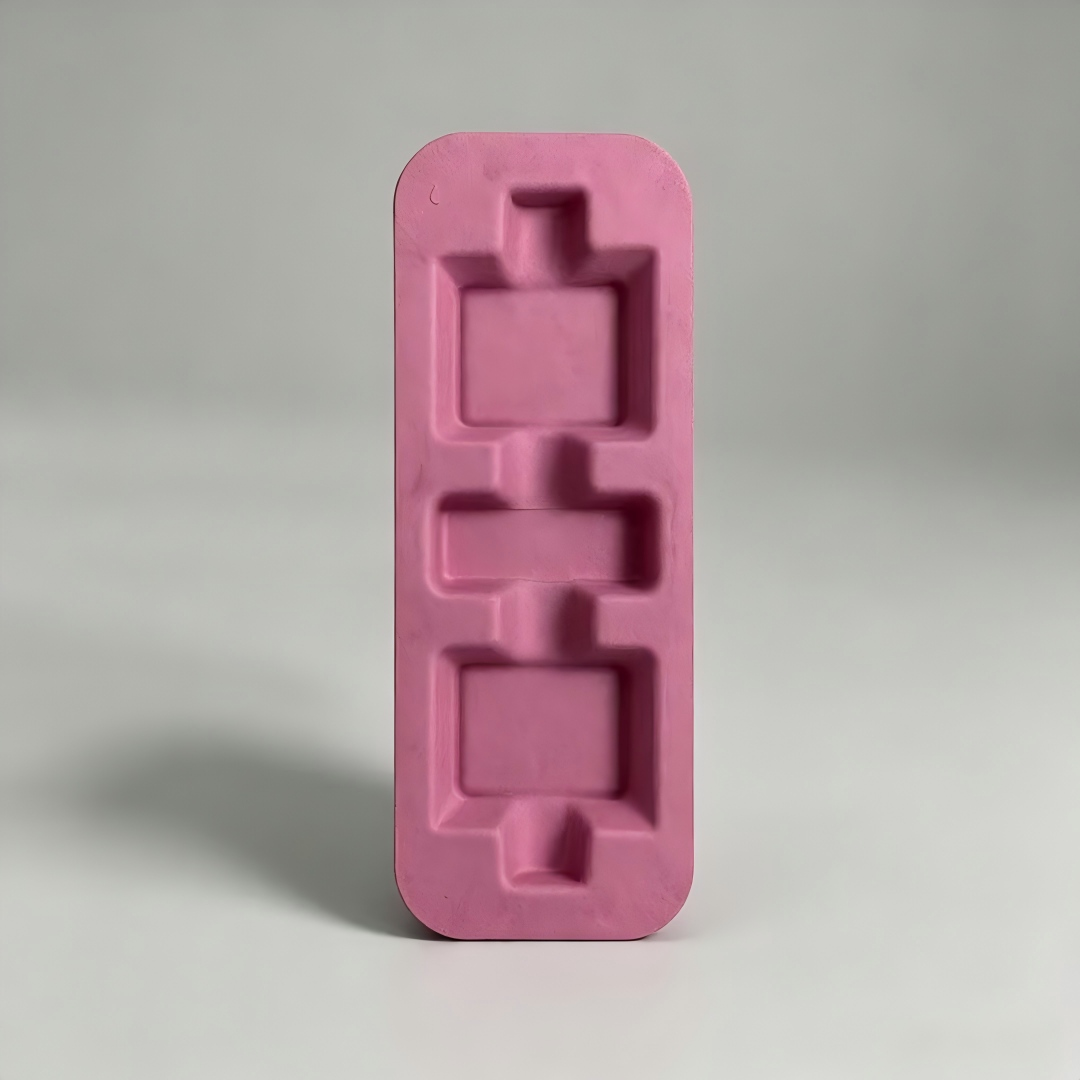
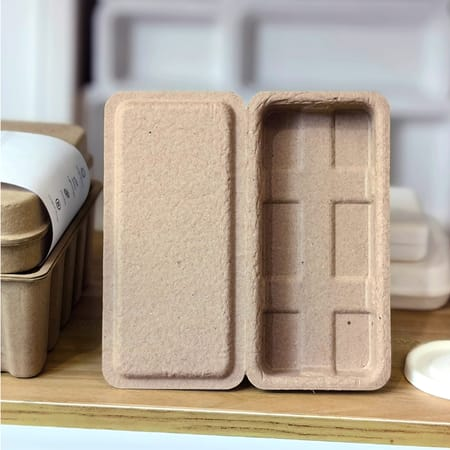
Ask for the actual fiber composition, forming proposal, surface treatment and structure. Supplier descriptions of dry pressing, wet pressing and other processes are not always consistent. Do not turn those marketing categories into a universal ranking of precision, texture or price.
Use a sample made through the proposed route to examine contact and removal. A rendering can communicate an intention, but does not establish the fit or surface of the eventual part. Ask the supplier to review cavities, local transitions, support locations and finger access for manufacturability.
Give appearance references that can be discussed and checked, such as the intended colour, texture and acceptable variation. Words such as premium or natural are insufficient as acceptance criteria on their own.
Request separate information for tooling, sampling, revisions and production. A unit price is only one part of the project cost. If the bottle or cavity layout changes, confirm whether the tools and samples need revision. Appearance alone does not establish whether a proposal suits a small order or every future product version.
Foam inserts: identify the substrate and contact surface
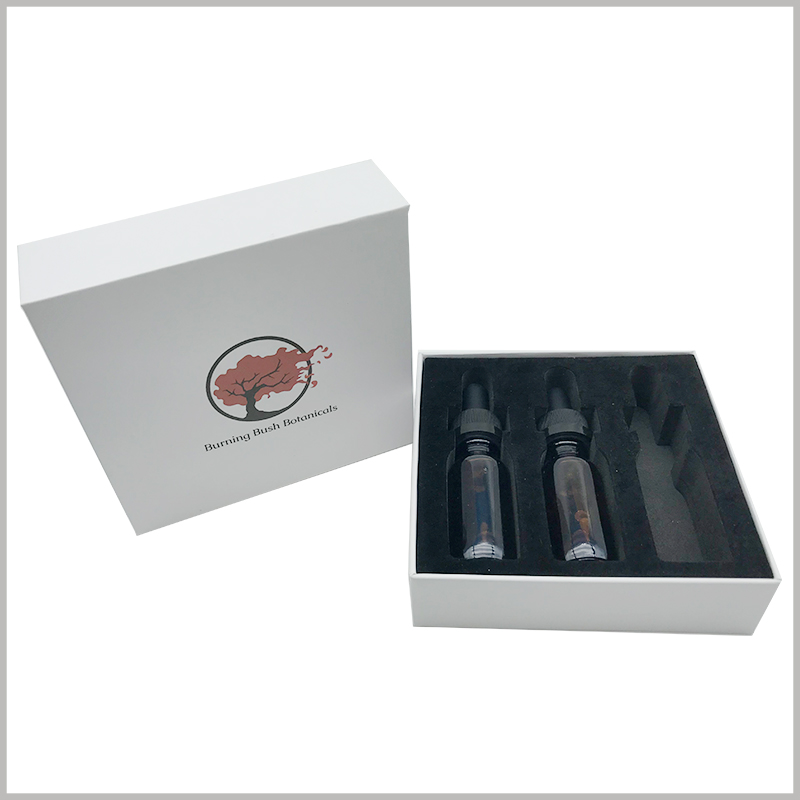
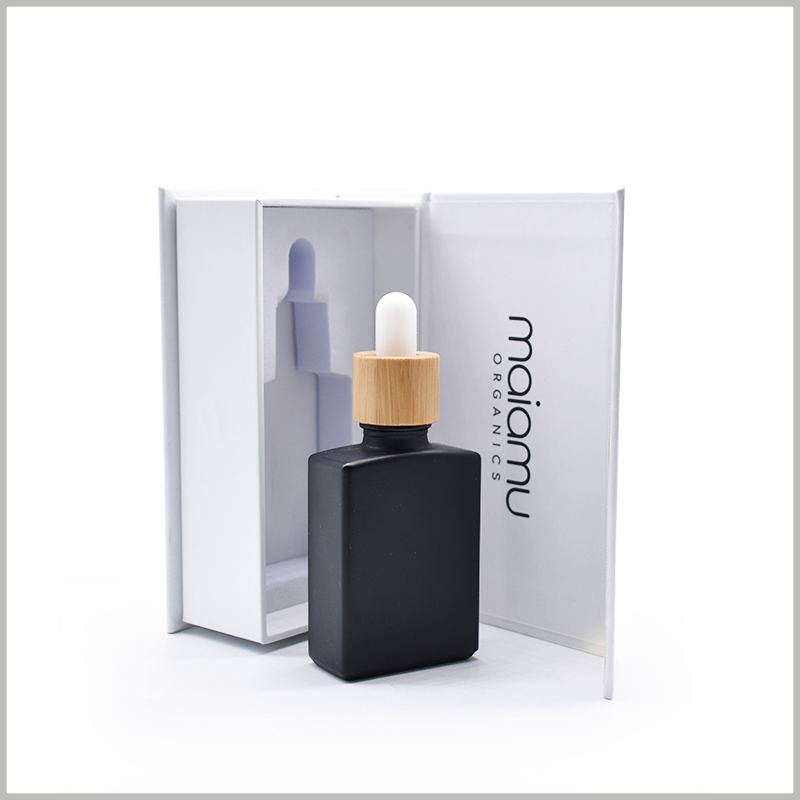
Foam is not a single fixed formulation. Ask the supplier to identify the proposed substrate and specification. List flocking, paper facing, fabric, adhesive layers or other surfaces that may contact the product. A black colour, soft feel or dense appearance does not identify the material.
With the intended bottle and decoration, check loading, removal, contact marks and closure of the complete pack. Record any issue by sample version, location and action, then ask the supplier to review the proposal.
Do not approve the complete package using price, density or hardness as the only criterion. This guide does not prescribe universal values for those properties. Photographs and broad supplier claims cannot establish cushioning, moisture resistance or long-term behaviour for a particular perfume pack. Evaluate the proposed configuration against the product and distribution requirements that have actually been agreed.
Compare proposals using the same inputs
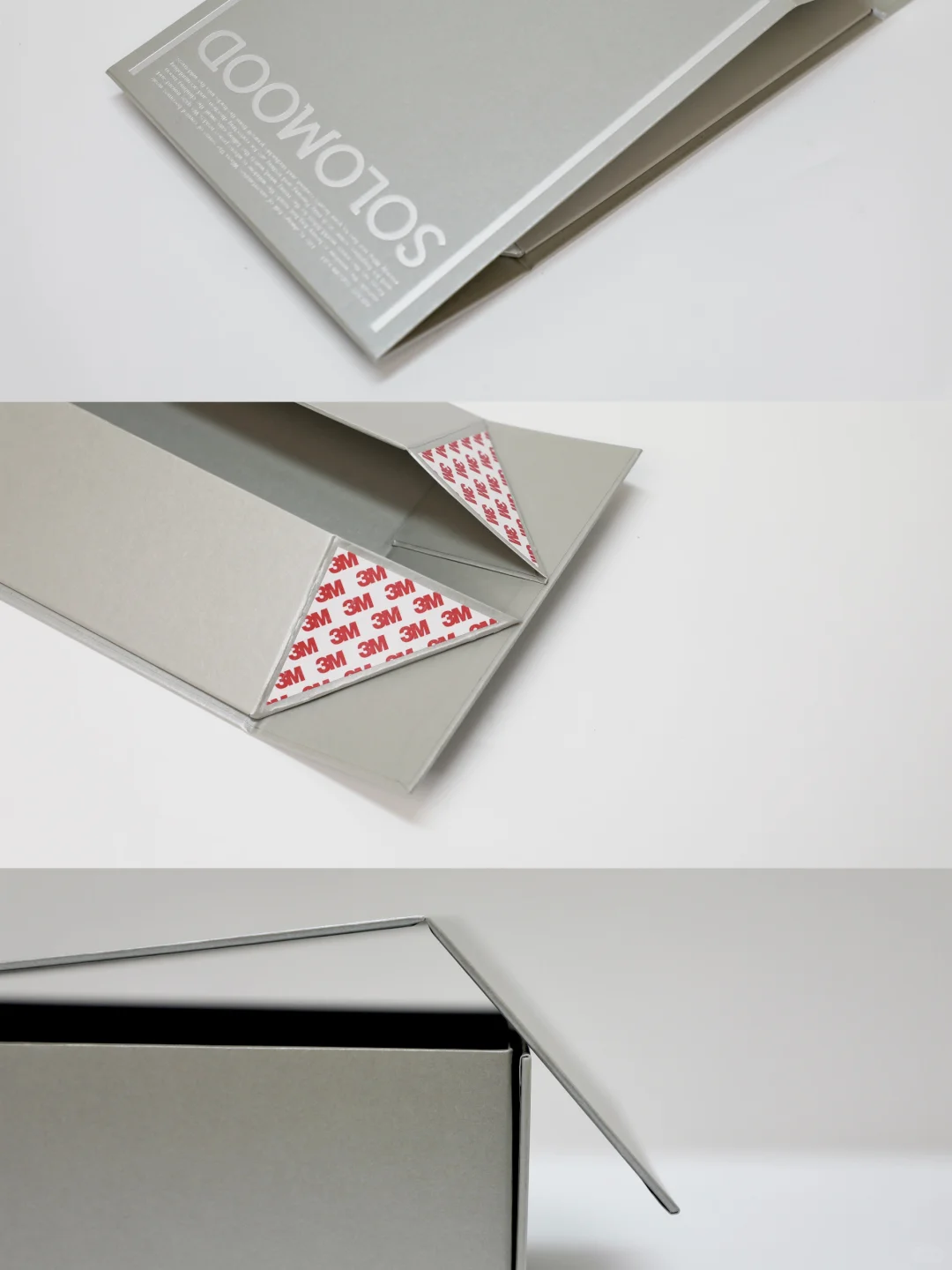
Give each supplier the same bottle revision, accessory list, outer-box constraints and handling requirements. For each proposal, record composition, structure, assembly steps, development costs, unit costs, sample scope and unresolved questions. A quotation for a complete assembled pack should not be compared directly with one covering only an insert component.
Use samples to answer specific questions. Can the contents be loaded in the intended sequence? Is the bottle positioned where agreed? Can it be removed without an unsuitable action? Does the pack close without interference? Does the contact surface meet the requirement confirmed by both parties?
Label evaluation photographs with the sample version and conditions. Passing dimensional and handling checks does not establish transport performance. Arrange the appropriate assessment for the actual shipping configuration and keep its approval purpose distinct from a static presentation review.
Keep environmental claims and approvals traceable
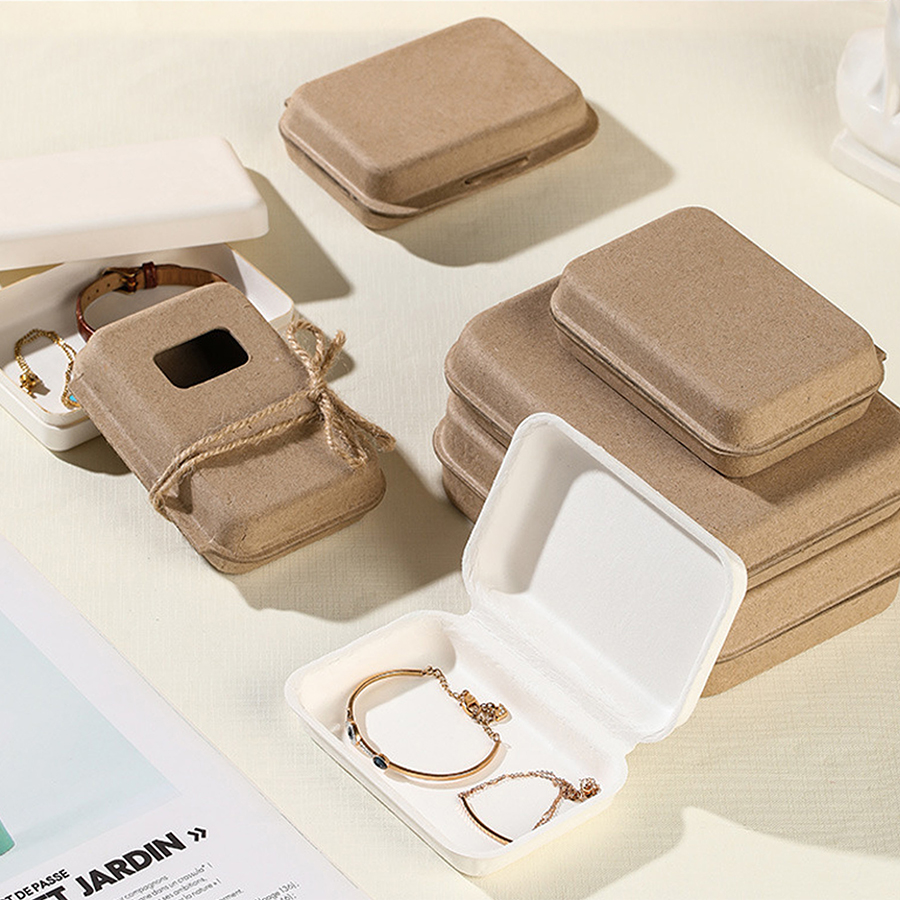
Paper-based, fiber-based or recycled-input descriptions are not sufficient evidence for environmental claims about the whole insert. Ask for its actual composition and surface layers. Clarify whether components can be separated and verify the relevant disposal route and supporting evidence for the intended market.
Include dyes, coatings, films and adhesive constructions in that discussion. Do not assume that their presence has no effect. Keep supplier statements, supporting documents, sample revisions and confirmation results together. Unverified claims about recyclability, biodegradability, non-toxicity or environmental benefit should not move directly into sales copy.
This guide makes no universal promise about regulations, degradation conditions or recycling availability. Record approved details separately from open questions. When the cap, label, insert surface or box changes, identify which checks need repeating. The final choice should be an identifiable construction with a checked fit and a retained approval record.