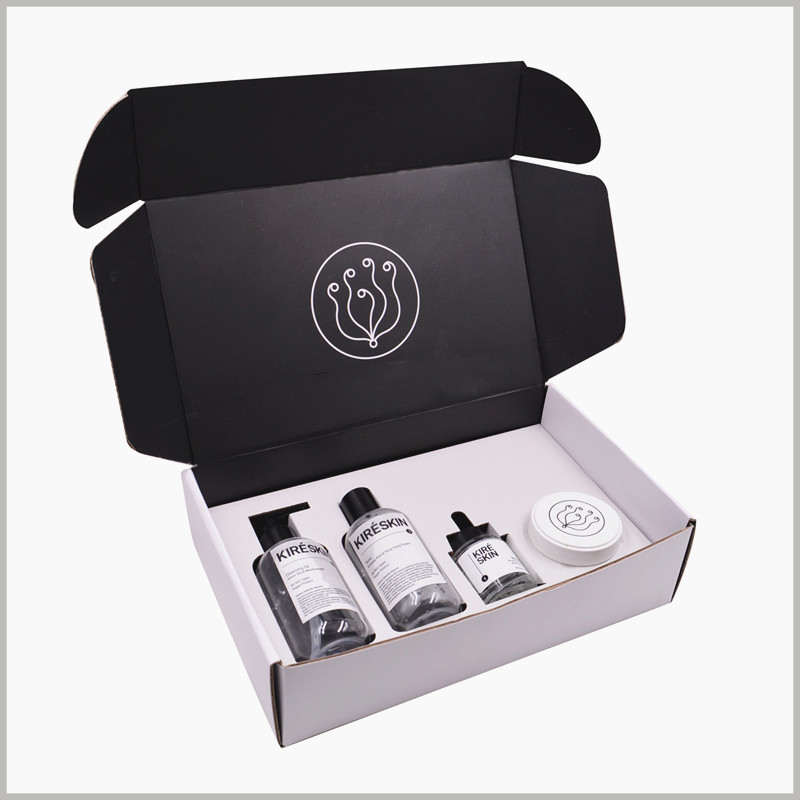
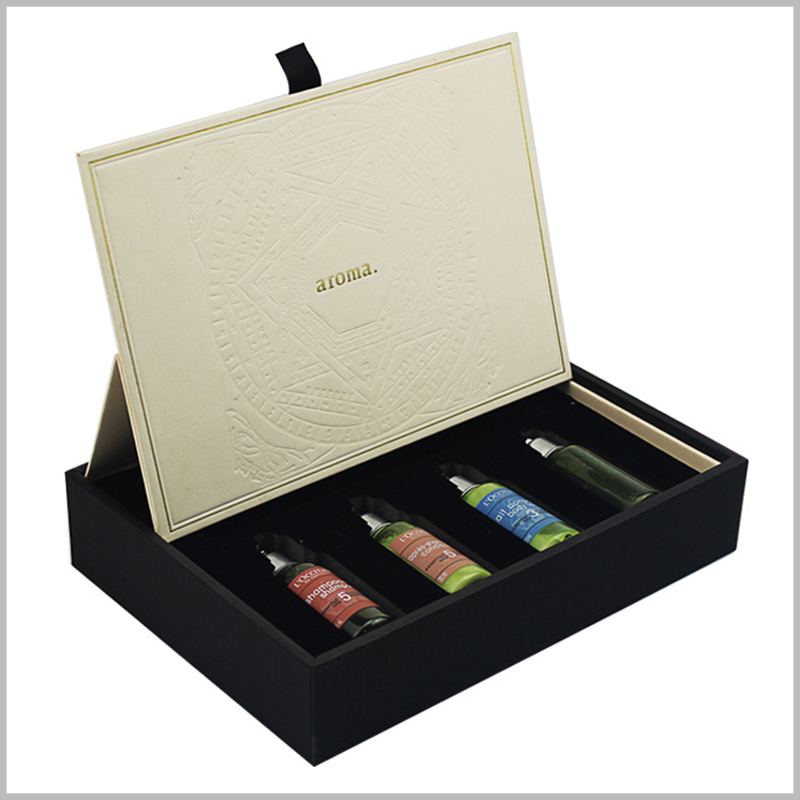
Start with the complete contents and identify the intended role of every position. This skincare set illustrates layout only; the photo does not establish transport protection. Third-party reference; not a Bravo Package project.
PERFUME PACKAGING · FOLDED PAPER INSERTS
A folded paper insert needs more than a bottle-shaped opening. The formed structure must show where the bottle is supported, which edges or openings locate it, and how the insert itself stays in the outer box. Bottle, insert and box work as a configuration. Changing one of them may require the others to be checked again.
A proposal may use a separate folded insert or integrate some locating features into the outer carton. These approaches have different assembly and replacement arrangements. Terms such as one-piece or glue-free do not establish cost, protection or environmental performance. Ask the supplier to explain the actual construction through drawings and samples.
Define the bottle position and complete contents
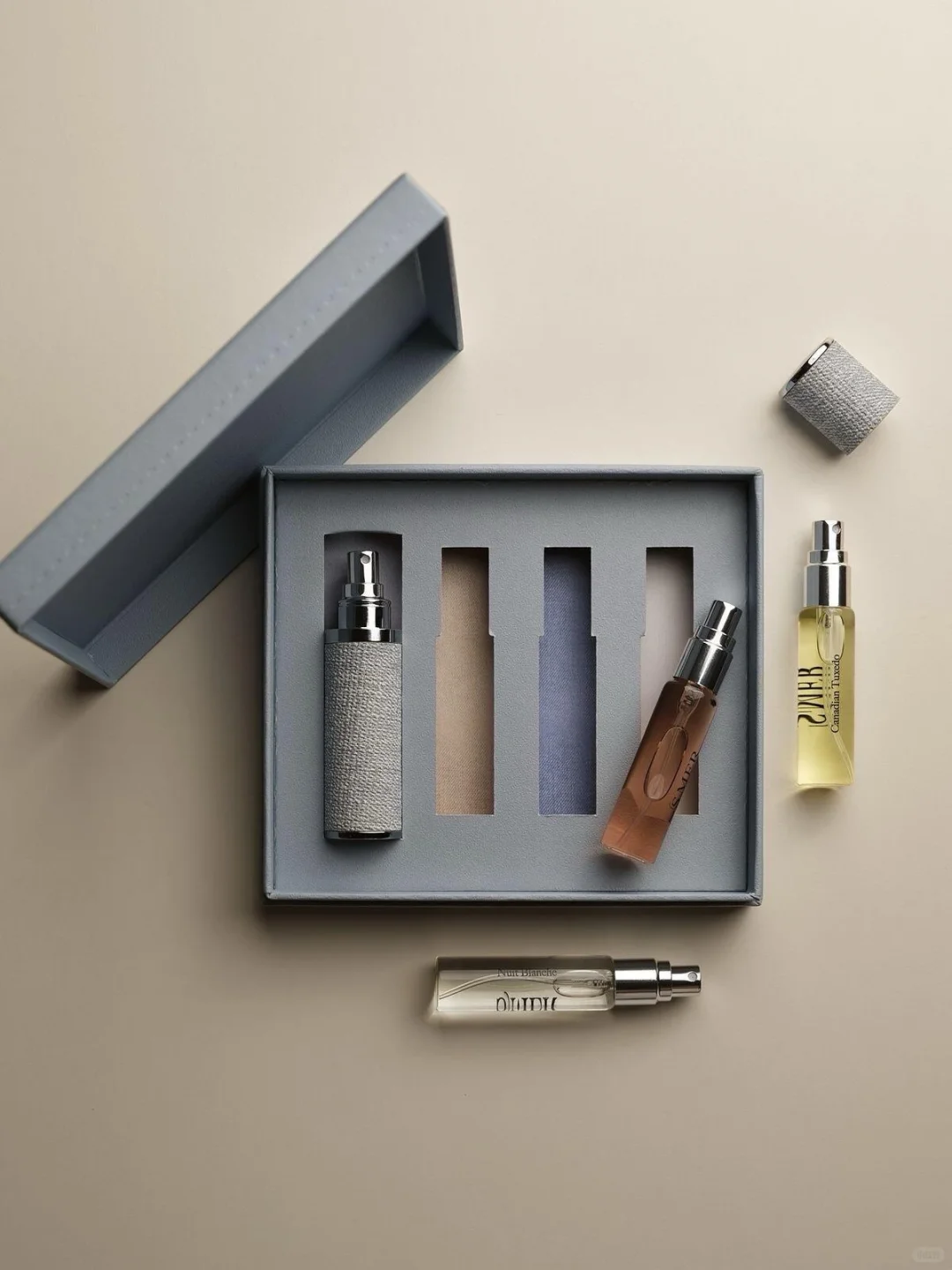
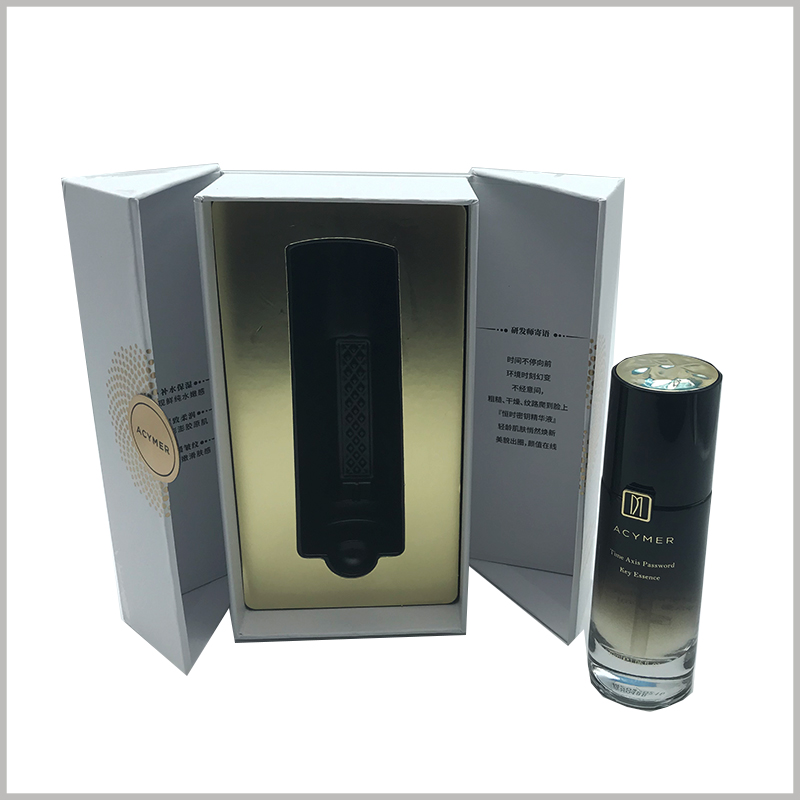
Supply the intended packed bottle, including its cap, label and decoration. Explain whether it stands upright or lies flat, which way its front faces, and whether it shares the box with samples, cards or other products. Use annotated photographs to identify orientation, the maximum outline, projections and proposed contact areas.
The object being located is the complete product, not a nominal bottle capacity. A cap wider than the body, a projecting decoration or a different base profile belongs in the design input. List protective bags and accessories as part of the configuration. They should not be expected to fit whatever space remains after the insert is approved.
Separate support from lateral location
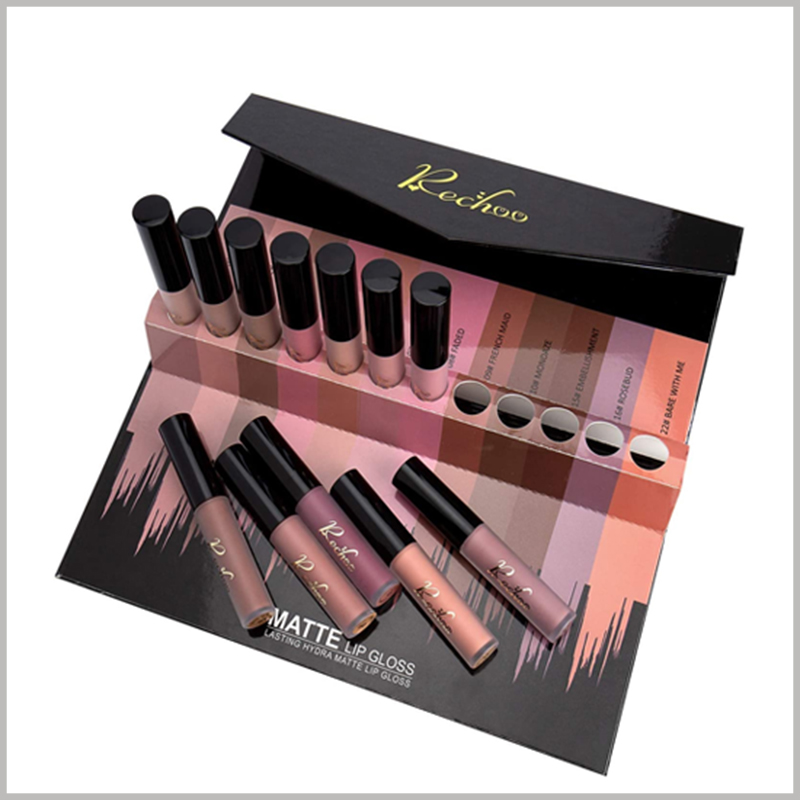
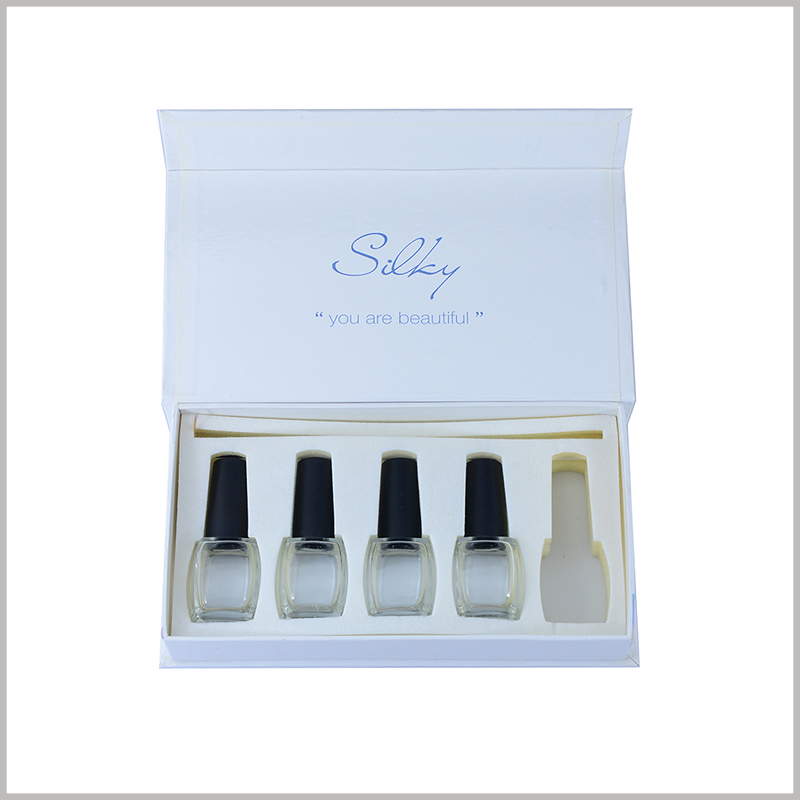
On the proposed structure, identify the surfaces that support the bottle, the edges or openings intended to limit sideways movement, and areas that need clearance. Bottom support and lateral location are separate questions. A bottle passing through an opening does not establish that every direction has been controlled.
Folded board can form raised platforms, surrounding walls or local folded tabs. The particular arrangement should follow the bottle, contact requirements and outer-box structure. The formed sample should make clear where a panel folds and what it rests against after assembly. A square or triangular tab seen in another project is not a universal perfume insert design.
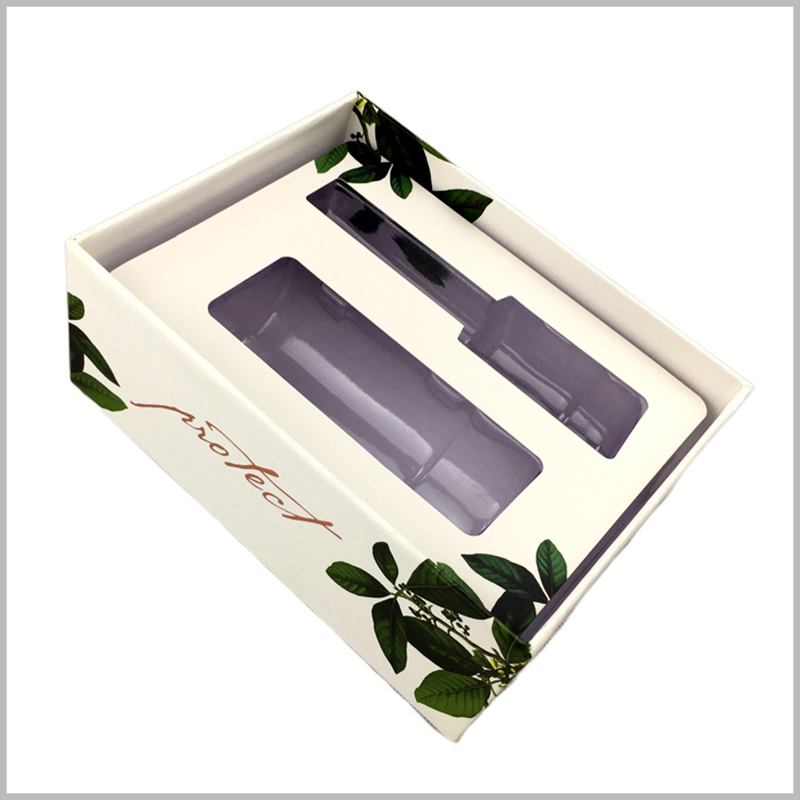
An opening also needs to work with the loading path. Check whether the cap, shoulder and base can pass the relevant position without catching a paper edge or decoration. A close local fit does not establish appropriate contact pressure, and it does not approve transport protection.
Check how the insert stays in the box
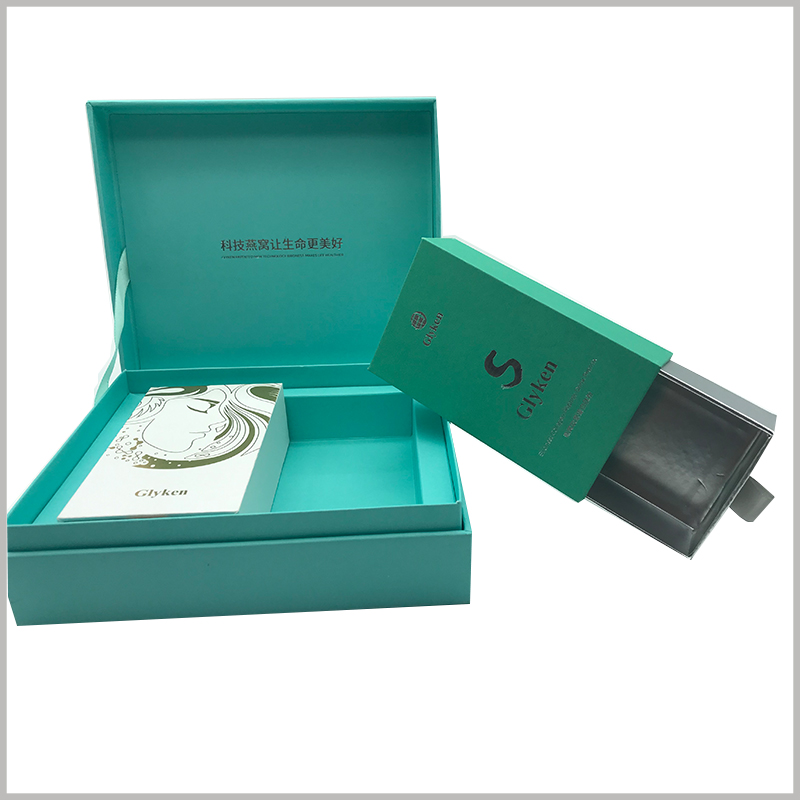
Even when the bottle fits the insert, the whole insert may move within the outer box. State whether it is placed independently, located with tabs, bonded to the box or connected in another way. Review each connection, its assembly sequence and the intended finished condition.
Where tabs or locking features are proposed, check whether the correct position is easy to identify and whether the components can be seated as intended. Loading the product should not prevent the connection from being completed. Where adhesive is included, identify the relevant locations and materials. A paper-based main structure should not automatically be described as an entirely glue-free pack.
A paper component or card above the bottle is not automatically a stacking-load support. It may serve separation, presentation or local positioning. Any load-bearing role needs to be explained and assessed for the particular construction, rather than inferred from a photograph.
Match the flat drawing to the formed sample and assembly steps
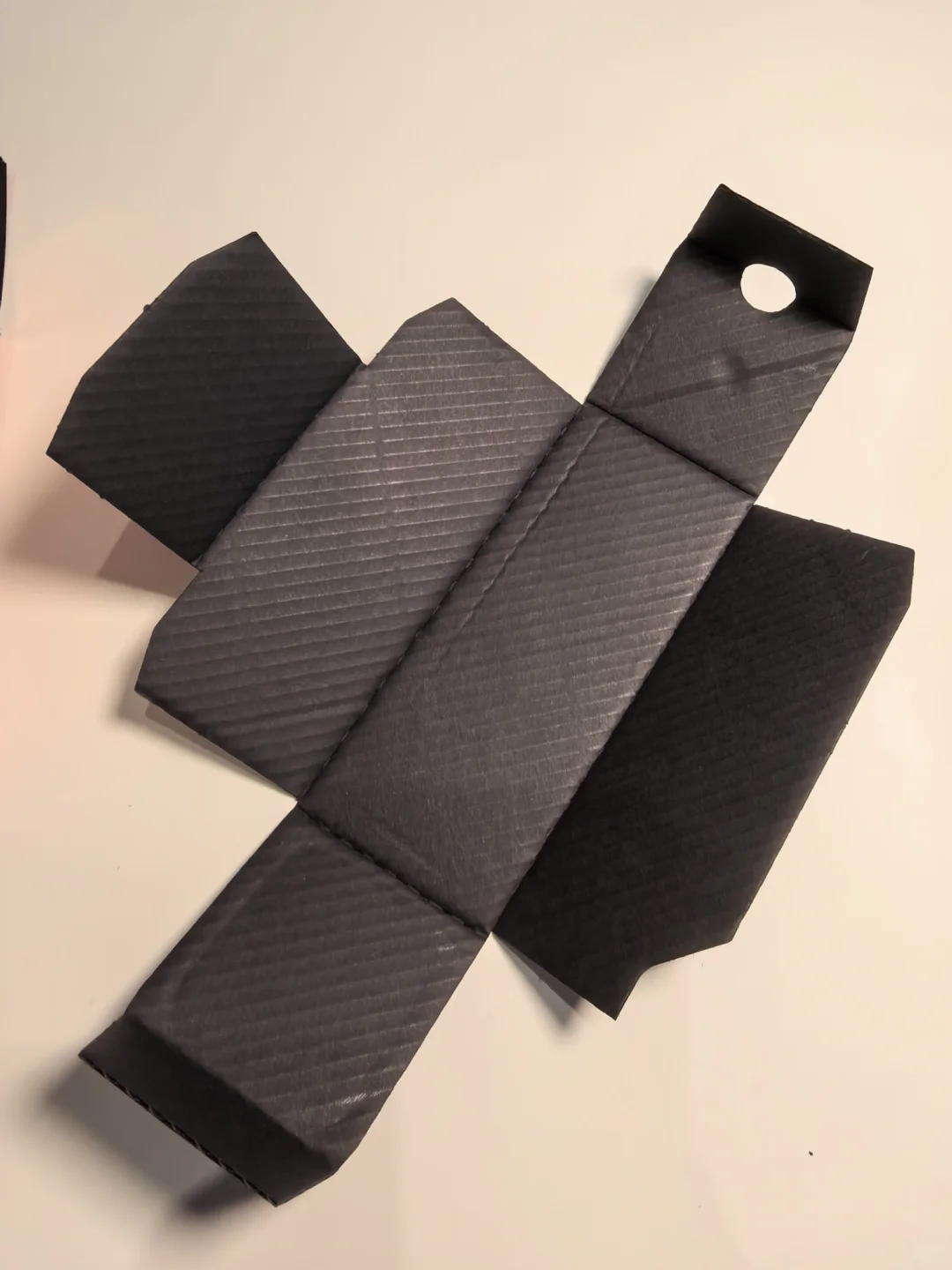
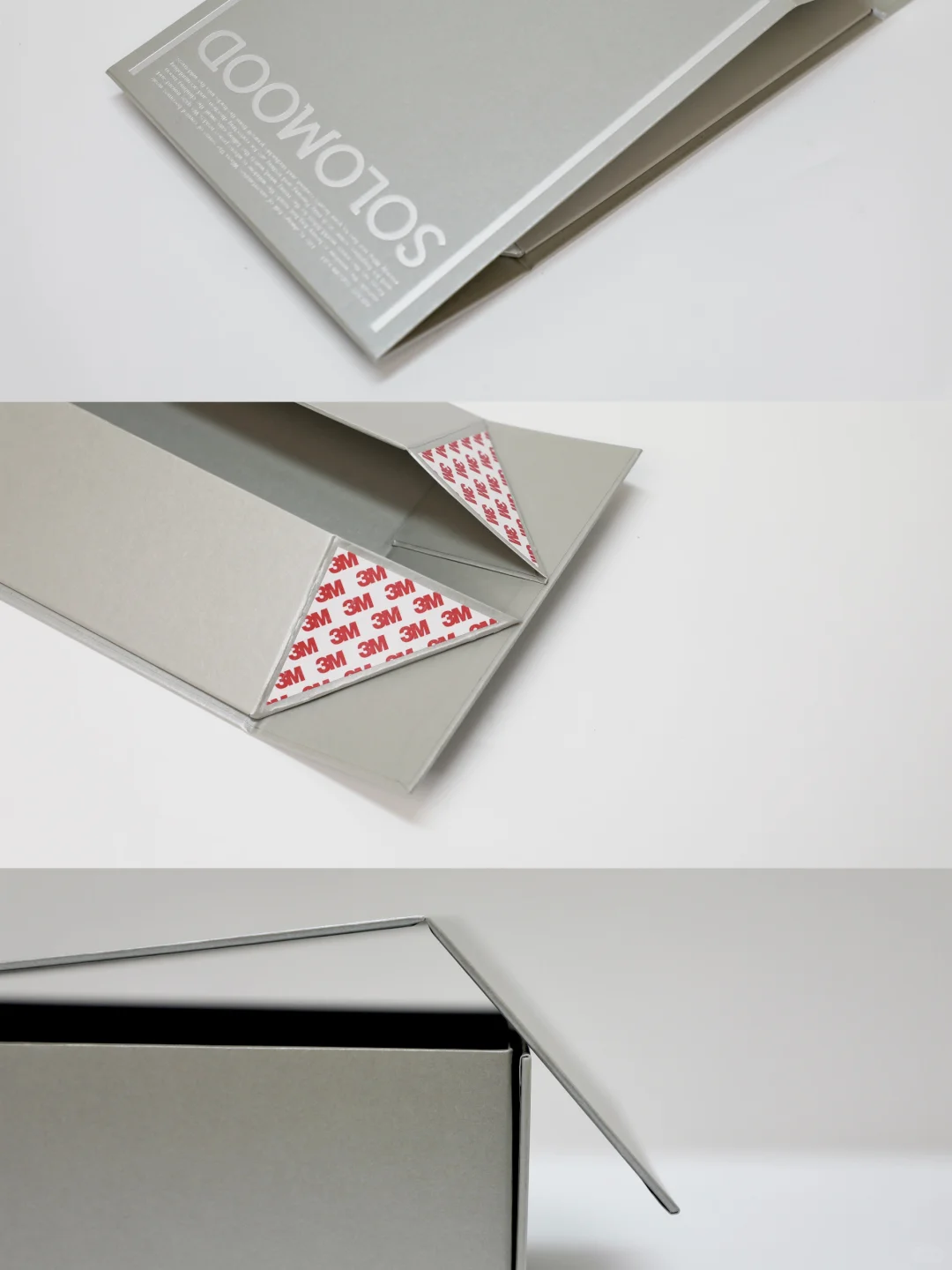
A flat dieline communicates component boundaries, openings and fold positions. A formed sample shows the resulting spatial relationships. Keep both under the same revision and identify the corresponding parts. The overall size of a flat drawing is not the usable size of the formed insert.
Ask the supplier to explain the sequence: which part is formed first, when the bottle is loaded, when cards and accessories are added, and how the assembly enters the box. A trial by the person responsible for packing can reveal unclear orientation, repeated adjustments and unsuitable force.
Check whether folded panels have been missed, reversed or pushed back down. Look for local overlaps that interfere with the bottle or lid. Record the location and sample revision when reporting a problem. Descriptions such as too tight or not secure enough are more useful when attached to a specific observation. Review the checks when the board, fold arrangement or bottle changes.
Plan removal alongside retention
Difficulty removing a bottle is not evidence of a successful locating structure. Confirm where fingers can reach the bottle body, whether removal encourages pulling the cap, and whether the bottle brushes a paper edge on its way out. If the proposal uses a finger notch, recess or pull tab, define its intended action and try it with the actual product.
For sets, review the removal sequence as well as the initial arrangement. Does taking out one item obstruct the remaining products? Does an information card cover the grip area? Does a small sample have its own position? An orderly appearance does not answer those handling questions.
This guide does not prescribe a universal opening clearance, board thickness or tab angle. Discuss product variation, manufacturing requirements and design allowances separately. Ask the supplier for a manufacturable proposal and confirm the resulting configuration with samples.
Record fit approval separately from transport verification
A complete trial includes the bottle, insert, protective bag, cards, accessories and outer box. Load the contents in the intended order and check location, closure and removal. Record the sample revisions and observations. These checks help assess fit and operation; they cannot guarantee an absence of movement or breakage during shipping.
Retail presentation and shipping configurations may differ. Give the relevant parties the actual outer shipping carton, pack quantity and distribution conditions, then agree the appropriate assessment. Paper construction, removal of foam or an all-paper description is not a substitute for transport or environmental approval.
Retain product inputs, flat and formed drawings, assembly instructions, complete trial notes and open questions. When the bottle, label, insert material or outer box changes, identify which approvals need review. A suitable folded insert should have an understandable job for each component and a corresponding check in the intended configuration.