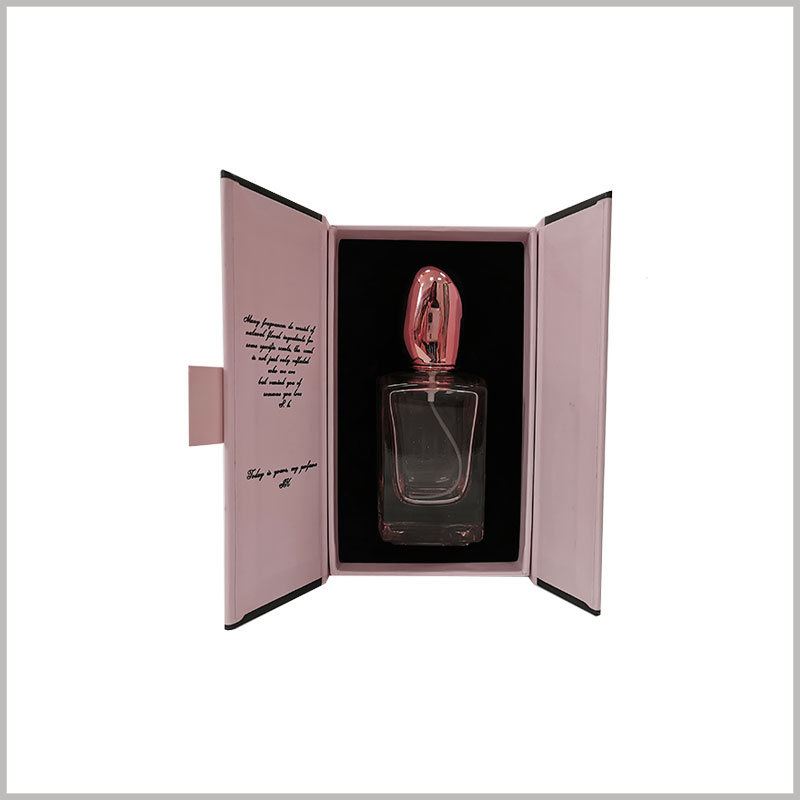
Identify the complete cap and bottle outline before reviewing support and removal. The photograph does not establish cap weight, connection strength or insert performance. Third-party reference; not a Bravo Package project.
PERFUME PACKAGING · CAP AND BOTTLE SUPPORT
For a heavy or loose perfume cap, start with three questions: where is the bottle supported, does the cap need separate restraint, and where can someone grip the bottle during removal? Tightening an opening around the cap is not a complete answer. Packaging location and the quality of the cap assembly need separate approval.
There is no universal support position, clearance or holding force for every bottle. Bottle shape, cap construction, filled weight, presentation direction and outer box belong in the brief. Give the bottle, cap and packaging suppliers the same final configuration and ask them to explain the role of each component through drawings and samples.
Describe what is loose before changing the insert

A cap rotating when seated, a complete cap coming off the bottle, an outer shell moving against its liner, and another component coming away during opening are different observations. Record which part moved, whether this happened before packing or during removal, and where the product was held. The phrase loose cap alone leaves too much open to interpretation.
Ask the bottle or cap supplier to identify the actual mating parts and the agreed finished condition. The packaging supplier can then review whether insert contact interferes with that arrangement. Rotation does not automatically establish a defect. A tight-feeling cap does not establish that it can lift the entire bottle, either. Consumer comments cannot approve your particular construction.
If an unpacked assembly already comes apart in a way that conflicts with the agreed condition, record it for the responsible supplier. A tighter insert cannot replace component approval. Changes such as adding adhesive, wrapping a connection or adjusting a pump should not become informal packaging fixes. Any proposed component change belongs in the sample and revision process.
Provide the complete bottle and the correct weight revision
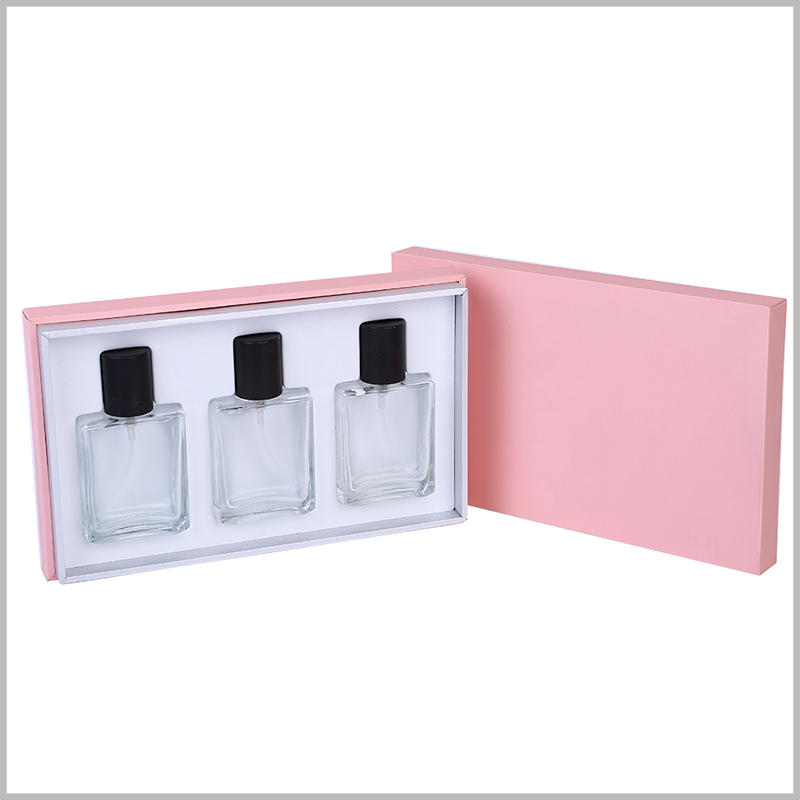
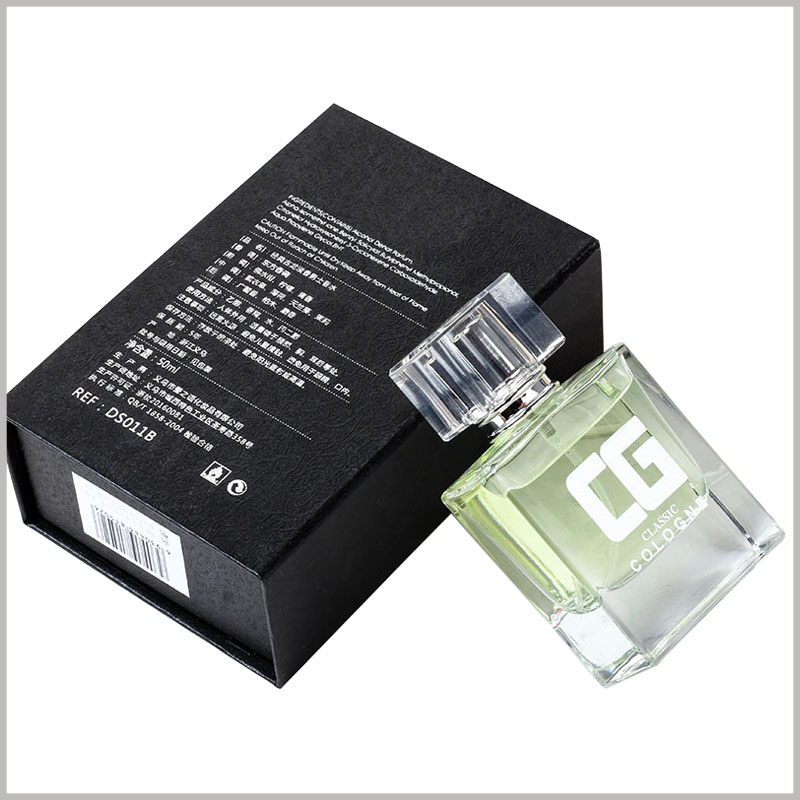
Include the intended filled condition, cap, pump and collar, label, decoration and protective bag. Record the actual complete-product and cap weights, with the measurement scope agreed by the relevant parties. Metal cap, wooden cap and feels heavy are not complete inputs. For a cap with several parts, state whether the shell, liner and other pieces have been assembled.
Use annotated photographs or drawings to identify the highest point, maximum outline, projecting decoration and areas intended to avoid contact. State whether the bottle stands upright or lies flat and which side faces the user when the box opens. Review the occupied space in the intended orientation rather than relying on a body diameter alone.
Keep samples and documents under the same revision. A change to cap dimensions, weight, surface texture or internal connection should reach the insert supplier with a list of checks to revisit. Do not leave the packaging team working from an earlier photograph or weight after the cap changes. Distinguish purchasing estimates from confirmed final inputs.
Map bottle support separately from lateral location
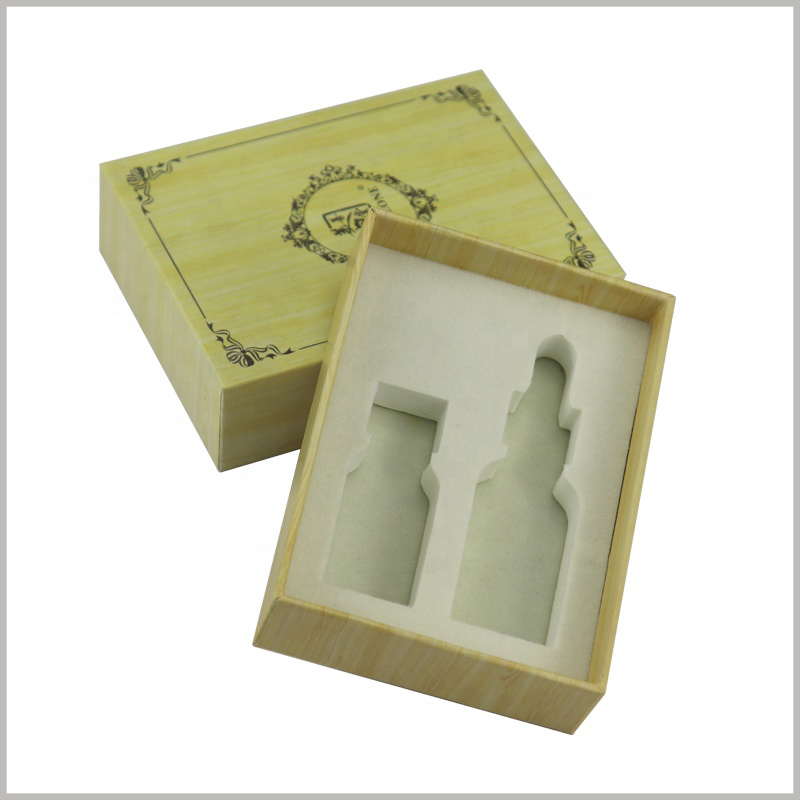
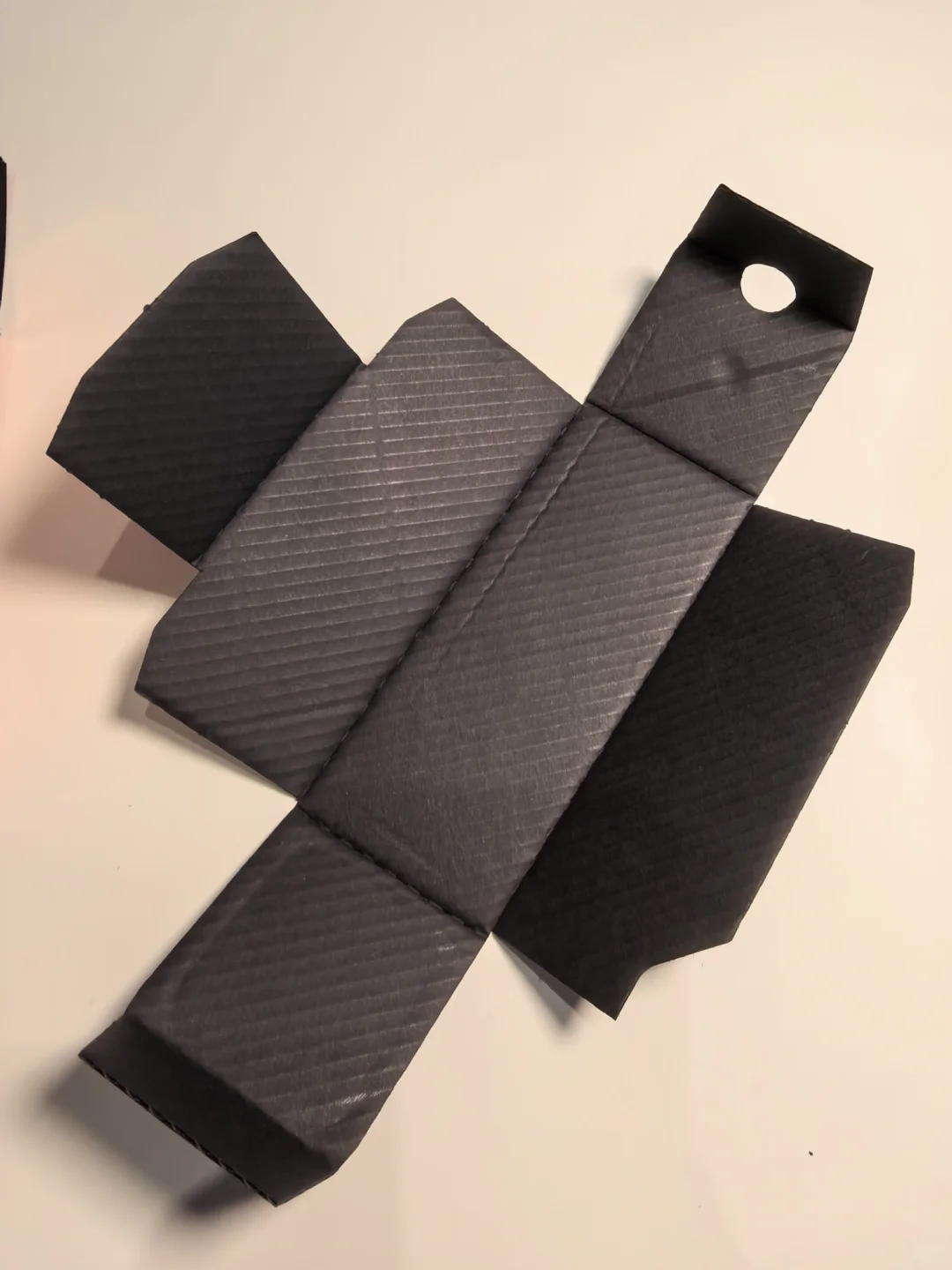
Ask the supplier to mark the proposed bottle-support surfaces, features that limit sideways movement or rotation, clearance areas and connections to the outer box. The roles of the base, body, shoulder and cap area need to be explained for the actual design. A bottle-shaped outline labelled fixed does not explain those roles.
If a close-fitting opening is provided only around the cap, ask where the bottle body is supported and what its condition would be if the cap separated. Where upper and lower features work together, check that both seat as intended during closure and that the lower structure performs its intended role after opening. An apparently still product inside a closed box is not a complete assessment.
Folded board, molded pulp and foam proposals all need a defined finished construction and contact surfaces. A material name does not establish suitability for a heavy cap, and a photograph does not establish load capacity. Ask for a manufacturable proposal and include the support components, connections and actual packing trial in sample approval.
Give any cap restraint its own defined job
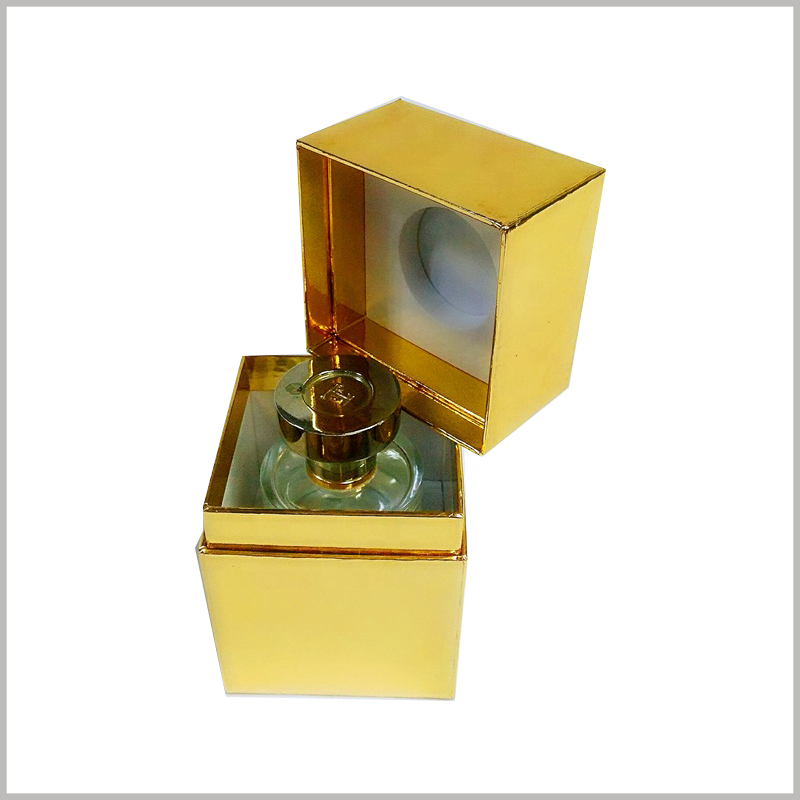
A cap may need to be kept from moving, turning or rubbing. Locating that cap and supporting the whole bottle through it are separate tasks. If a proposal adds an upper card, retaining panel or separate cap position, identify the contact areas, when contact occurs, the components involved and the release sequence when the box opens.
Check whether the upper component or box lid contacts the pump, decoration or areas intended to avoid load. Pressure on the top should not automatically be treated as effective retention. Observe whether loading and closure move the cap relative to the bottle. During opening, check whether an upper feature catches the cap while the bottle remains below. Record the specific interference rather than treating more pressure as a diagnosis.
A proposal to pack the cap separately needs agreement on the delivered condition, separate position and assembly or removal sequence. Review how the additional part affects cards and other contents. It is a configuration to assess, rather than a default solution for every perfume with a heavy cap.
Make the bottle body accessible during removal
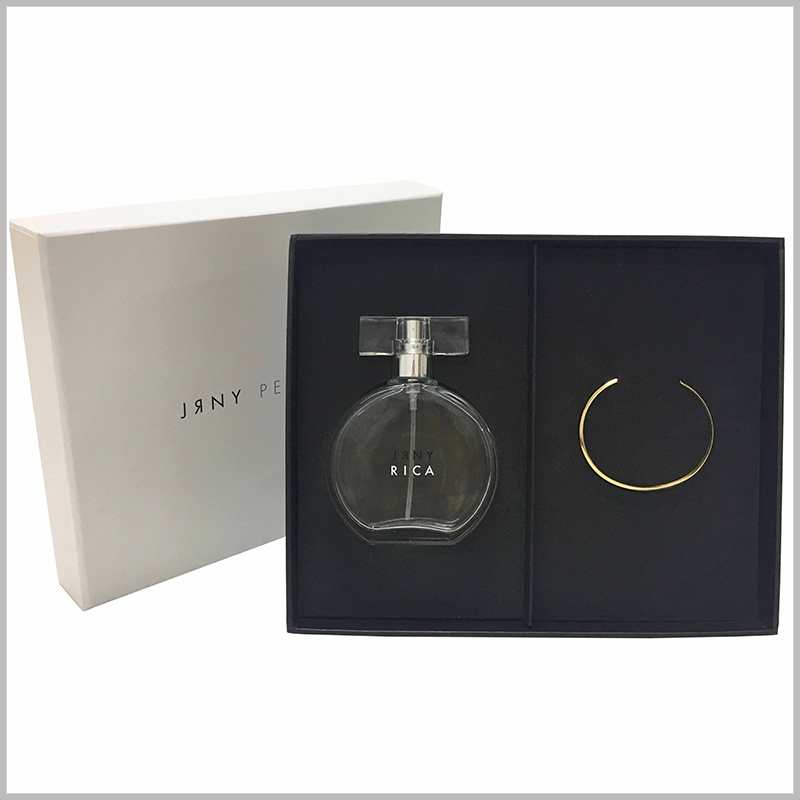
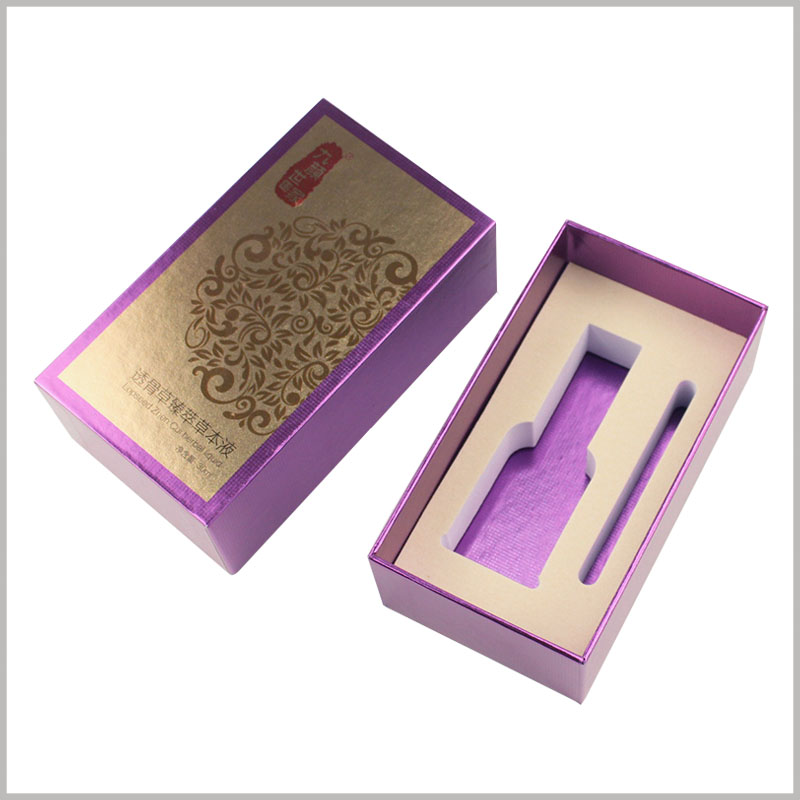
Try the sequence from opening the box and moving any card to gripping and removing the bottle. Is the body buried too deeply? Is the cap the only accessible part? Can fingers reach the intended grip area? If the natural movement becomes pinching the cap and pulling upward, review the exposed height, removal space or handling instructions.
Define what a notch, recess or pull ribbon is intended to do. Does it move the insert, tray or product? How is it connected, and what happens to the other components? A visible ribbon does not establish that its attachment and operation have been approved. It should not be assumed to solve a heavy-cap problem by itself.
Use samples with the intended labels, finishes, cap texture and projecting decorations. Check both loading and removal for contact marks. Record rubbing, catching, displaced cap parts and repeated adjustments against the sample revision. This guide does not prescribe a finger clearance or extraction force that applies to every bottle.
Keep component, packaging-fit and transport approvals separate
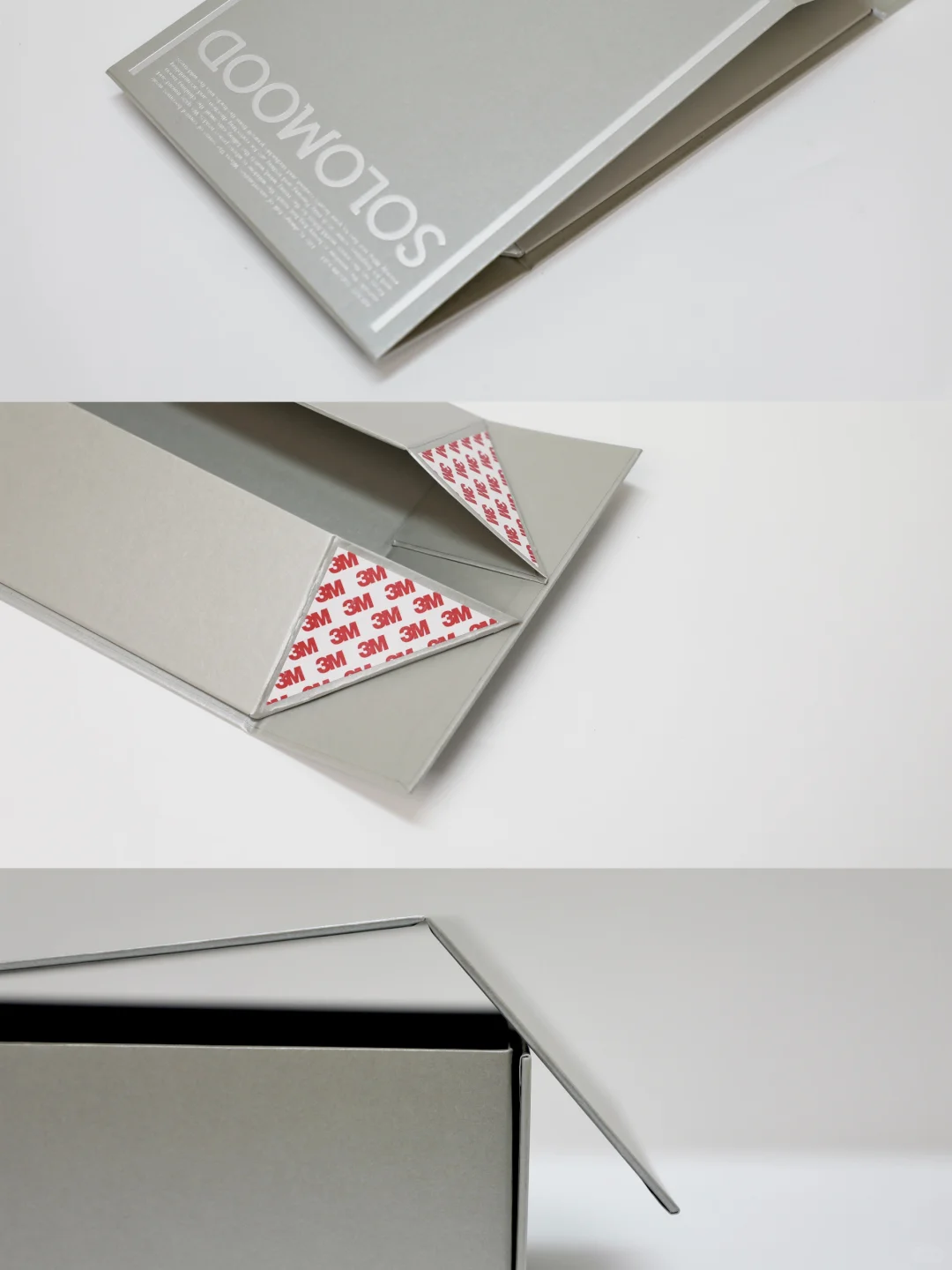
Distinguish three decisions: whether the bottle and cap assembly meets the agreed condition; whether packing, closure and removal work as intended; and whether the complete shipping configuration has undergone the agreed assessment. Approval of one does not automatically approve the next. A presentation sample is not evidence of a transport result.
List the final bottle, filled condition, cap revision and weight, insert material and structure revision, outer box and accessories. Record observations, responsible parties, open actions and conditions for review. This helps direct a loose cap liner to the component supplier while allowing the packaging team to investigate an interference caused during packing.
For distribution assessment, provide the actual shipping carton, pack quantity and intended distribution conditions, then agree the relevant verification separately. Shaking a box by hand, an unboxing impression or paper material name cannot guarantee that caps will stay attached or bottles will remain intact. Identify which approvals need review after a cap, bottle, finish or insert change, and retain the new complete-configuration record.