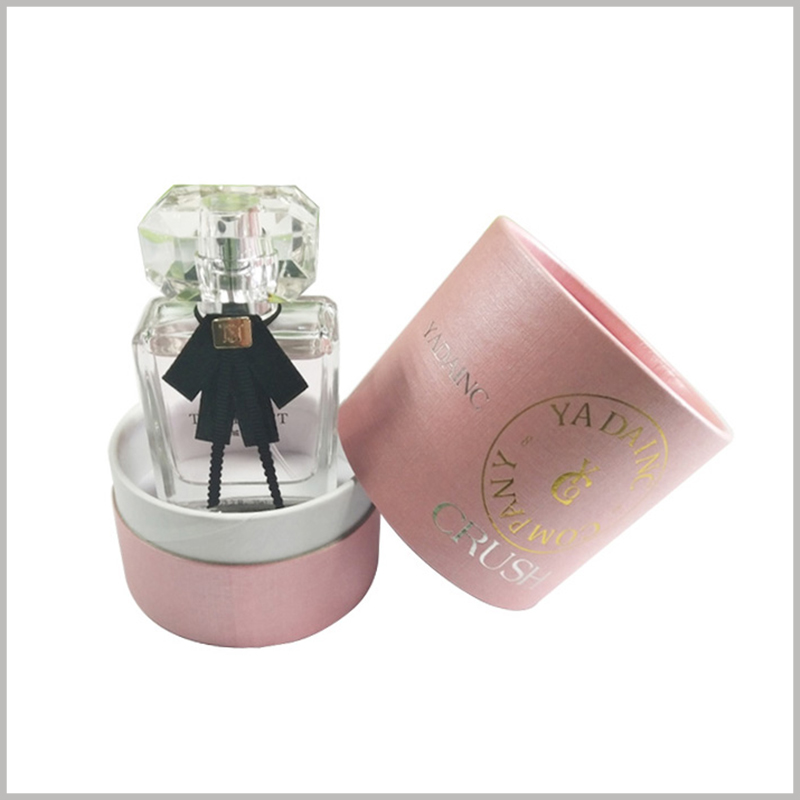
Bottle outline, cap and decoration need review even when the outer box is round. The photograph does not establish dimensions, support forces or transport performance. Third-party reference; not a Bravo Package project.
PERFUME PACKAGING · BOTTLE SHAPE AND LOCATION
A perfume insert needs more than a hole with the same general shape as the bottle. Start with presentation direction, the movements to control, the intended support surfaces, and the loading and removal paths. A round bottle may need a consistent label orientation. A square bottle may have rounded corners or a projecting cap. An irregular bottle needs its outline checked from several directions.
Shape names help organise the brief; they do not replace the final product sample. This guide separates the questions for round, square and irregular bottles without prescribing a universal clearance, board thickness, foam thickness or holding force. Ask the supplier for a manufacturable proposal based on the complete product, then assess the corresponding sample revision.
Agree the final sample and presentation direction
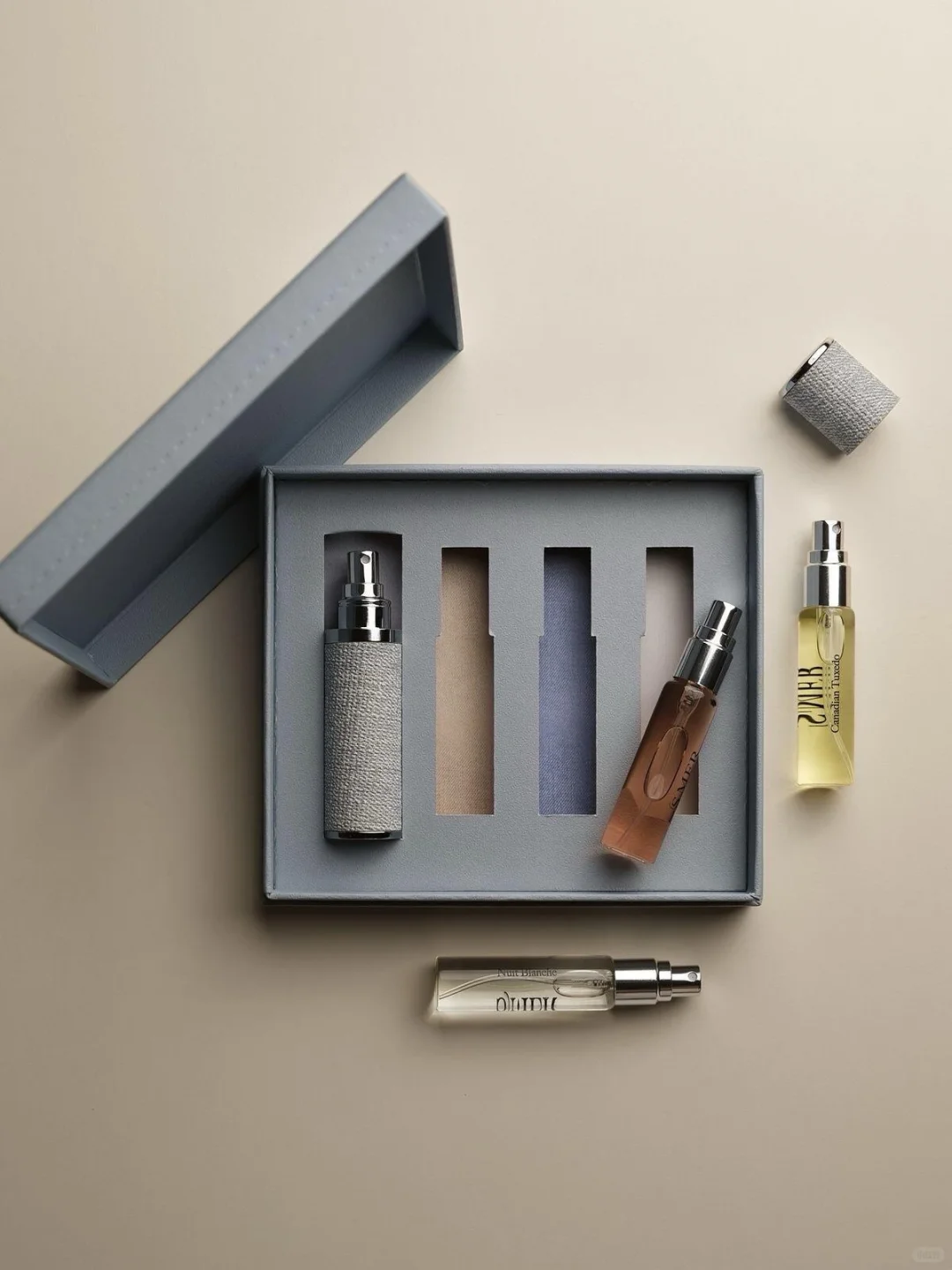
Provide the bottle with its intended cap, label, finish and decoration. State the filled condition, protective bag and other contents. Use front, side, top and any additional views needed to identify the maximum outline and projections. Photographs help explain the product, but perspective photographs should not be treated as production measurements.
Mark the front, whether the bottle stands upright or lies flat, and the direction from which someone will reach it when the box opens. Define the intended condition. Must the label keep facing forward, or is the requirement to keep the product within a presentation area? Which sideways, rotational or vertical movements need to be controlled? The instruction make it tight does not distinguish those tasks.
A shared reference direction also makes problem reports clearer. The label turned away from the opening, or the side of the cap caught the opening during loading, identifies more than the hole does not fit. Keep bottle samples, views and insert drawings under corresponding revisions. A change to a label or cap needs a defined review of the relevant checks.
Separate round-bottle occupancy from orientation
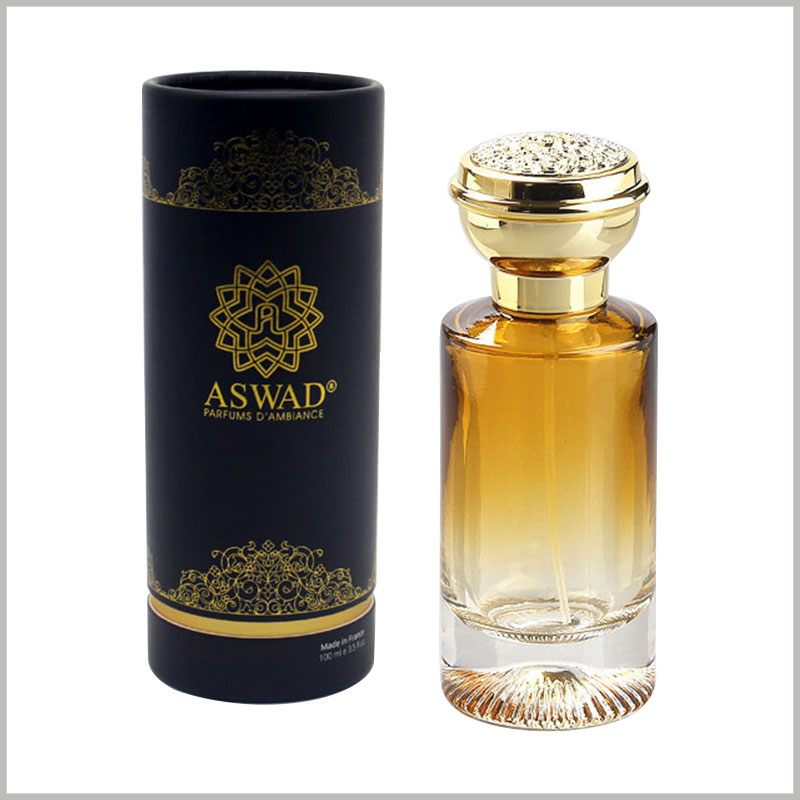
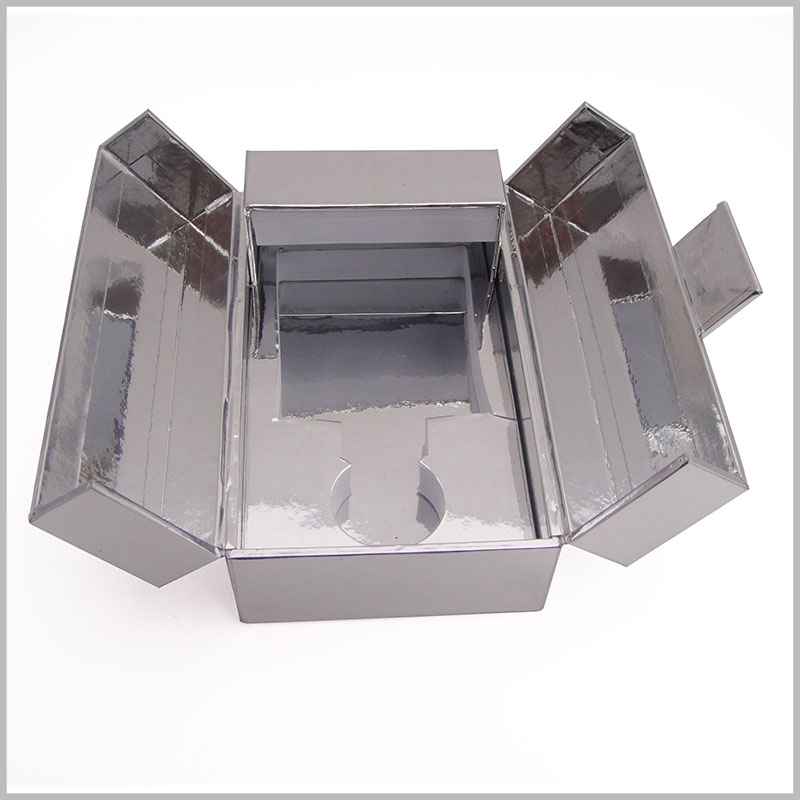
A circular opening describes the space for a particular cross-section. Its shape alone does not establish label direction, resistance to rotation or complete bottle support. If the brand wants the label to face the same way each time, state that requirement and ask the supplier to explain the proposed locating features and contact areas.
Identify whether the opening sits at the body, shoulder, neck or cap. Do not assume that the outline is the same at each height. Review upright and horizontal arrangements separately, including support surfaces, opening positions and cap clearance. The base diameter should not stand in for the entire packed outline.
Check orientation after loading, any change during closure, and access to the body during removal. If the proposal uses local tabs, surrounding walls, upper and lower components or another arrangement, mark the job of each part. A material or structure name cannot guarantee that a round bottle will not turn or move, or that the pack will perform appropriately in distribution.
Check square-bottle corners and changing cross-sections
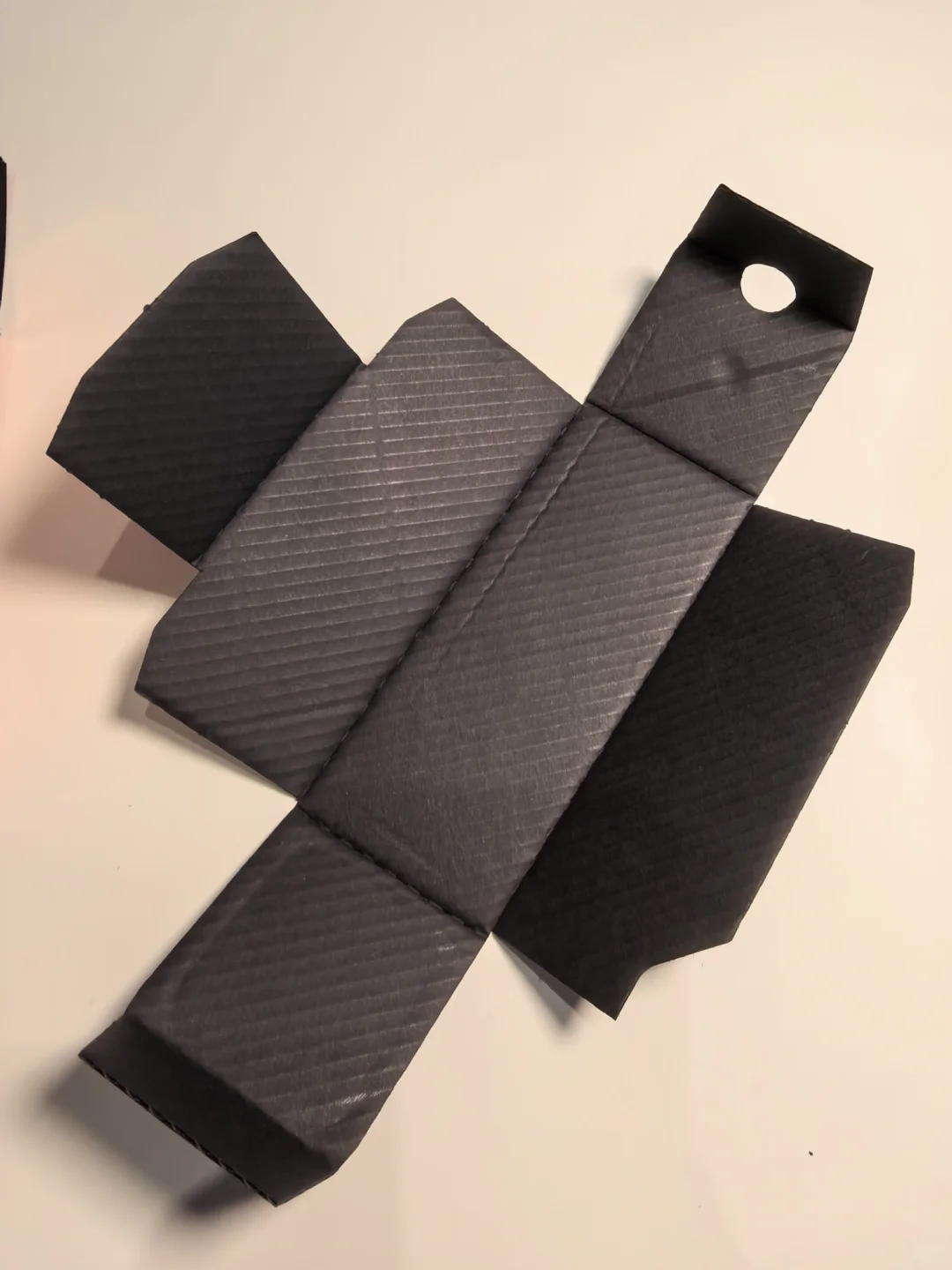
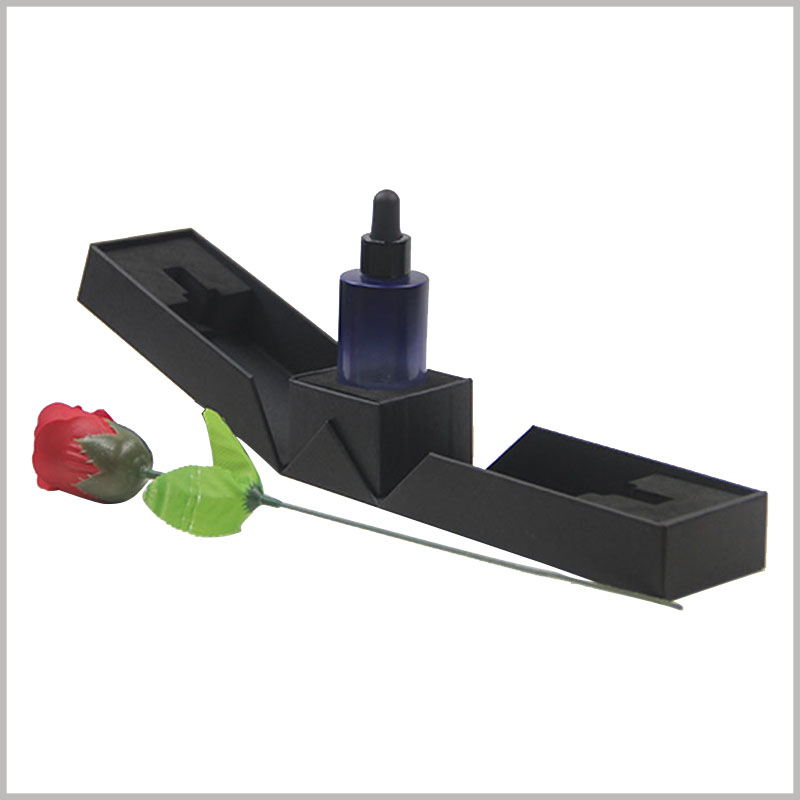
A square bottle still needs an actual outline. Are its corners sharp, rounded, chamfered or shaped differently? Does the body narrow toward the shoulder? Do labels or decorations project from the front or sides? Two bottles with matching overall length and width do not automatically suit the same insert.
Ask which height the opening corresponds to and which surfaces are intended to make contact. A corner catching against an edge is not proof of appropriate support for the whole bottle. Enlarging the complete opening to clear the corners also needs a review of the remaining locating surfaces. Record local interference, bottom support and lateral location separately.
A square outline may help identify a loading direction, but the front and any restrictions created by the cap or decoration still need to be defined. Successful loading does not establish convenient removal. Use final samples to check for rubbing or catching at label edges, bottle corners, shoulders and cap areas through both movements.
Review irregular bottles from several directions
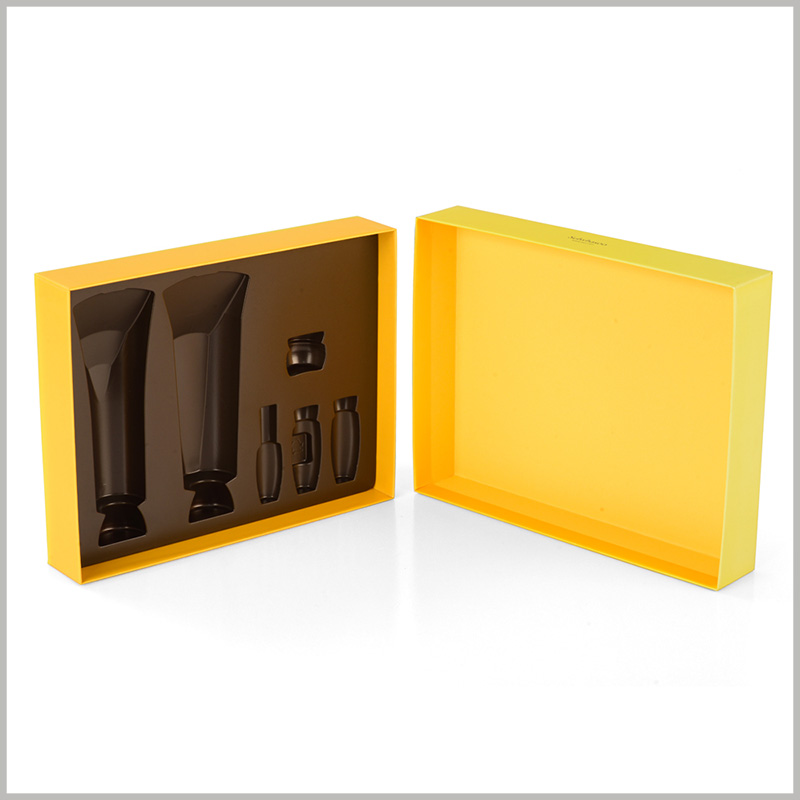
For a bottle with recesses, projections, an offset cap, a curved outline or projecting decoration, organise the relevant views and permitted contact areas first. A close-fitting front silhouette does not establish that thickness, rear projections and the loading path have been addressed.
Ask how the product reaches its position. Is it lowered from above, introduced from the side, or placed before another paper component is fitted? For a separate insert assembly, identify which parts go in first and how they connect. For an integrated construction, check whether folding interferes with projecting details. Confirm these steps with the physical configuration.
Following every part of the outline is not an objective by itself. Define support, location and clearance according to the product requirements and proposed structure. Decoration should not become a default locating point simply because it projects. An apparently symmetrical exterior does not establish that either side can face forward; mark the intended direction in drawings and assembly instructions.
Approve each bottle when sharing an outer box
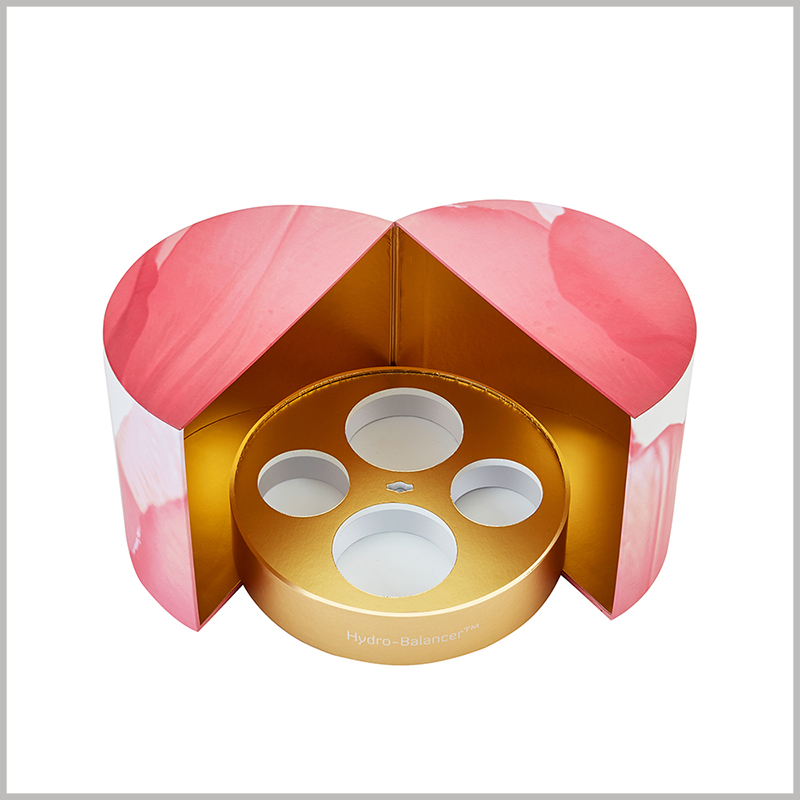
If round, square or several irregular bottles will use one outer-box format, list their bottle and insert revisions separately. Sharing an outer box and sharing an insert are different decisions. Enough room in the box does not establish that openings, support height, removal space and accessory positions can remain the same.
Keep a comparison record for each bottle: final sample and cap revision, presentation direction, support surfaces, movements to control, loading order, removal action and open questions. Ask the supplier which components can be shared and which need a separate design. Compare proposals using the actual supply scope.
Where a supplier proposes one insert for several shapes or sizes, try every intended bottle with that same proposed construction and record each result. A successful trial with one bottle cannot approve the others. A sample result should not be described as universal compatibility across a range.
Complete the fit record and assess distribution separately
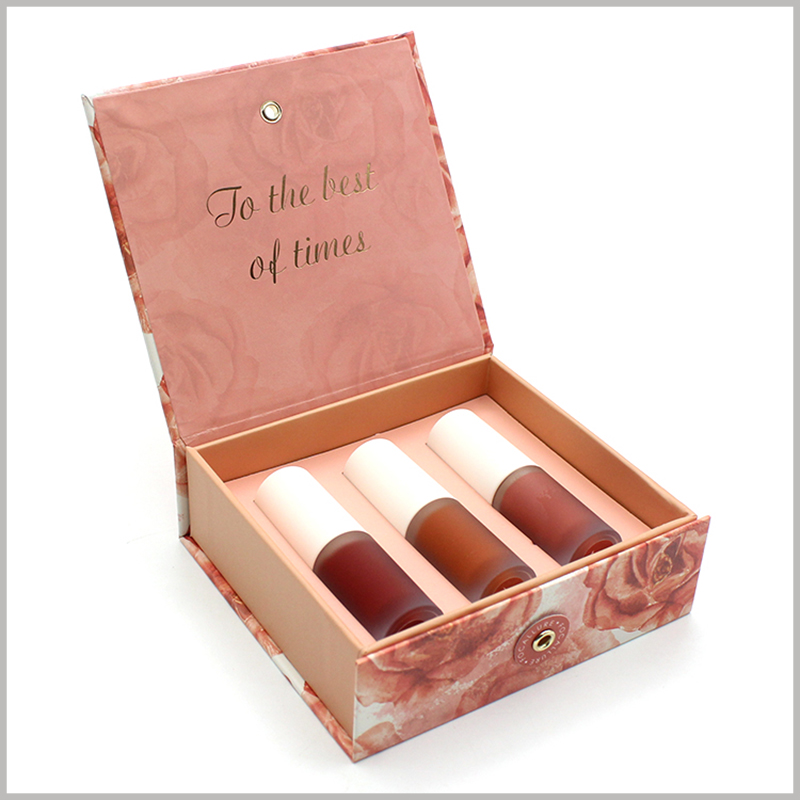
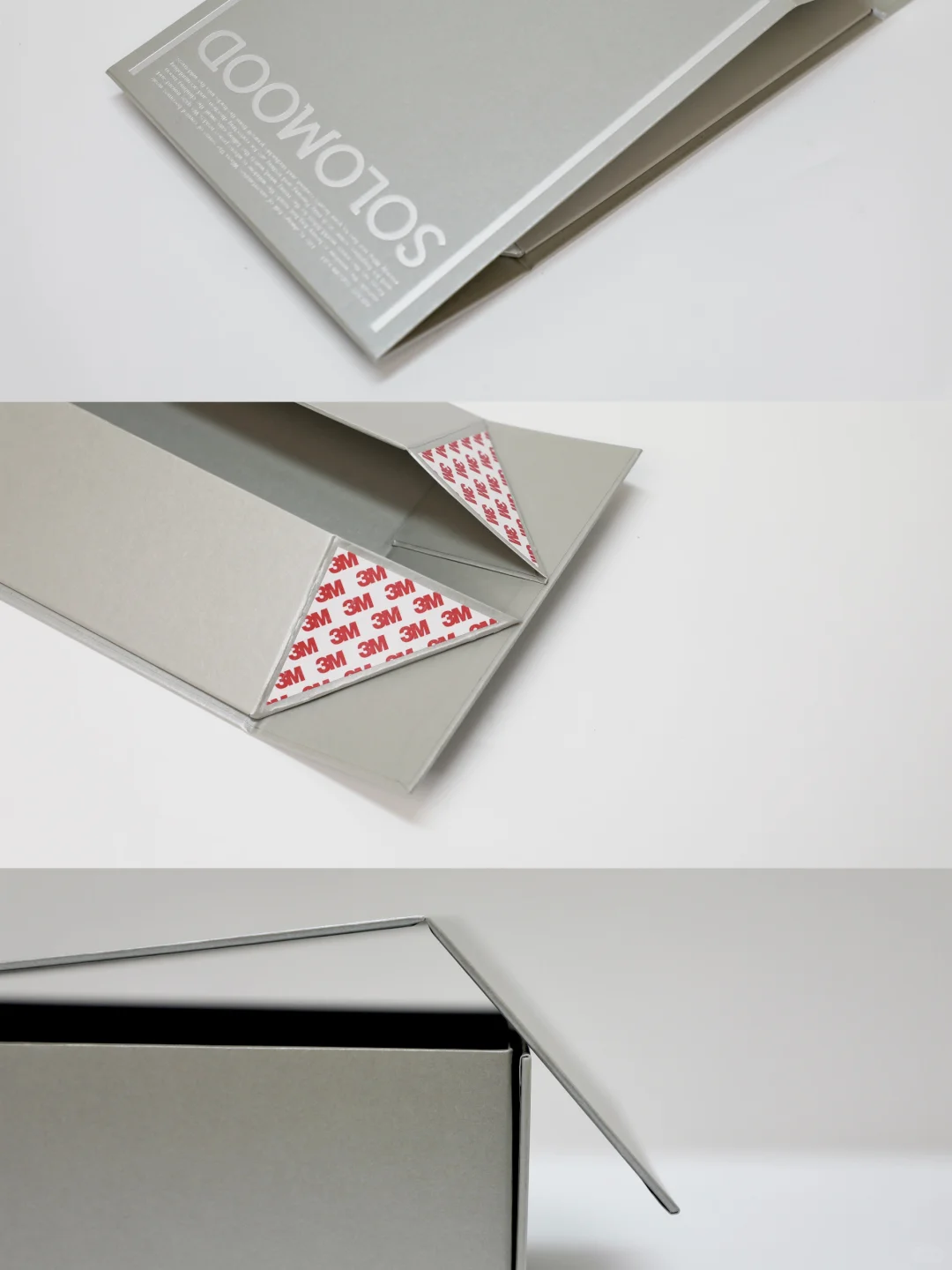
Start with the empty box and components, then load the complete contents in the intended order. Check presentation direction, support condition, local contact, closure and removal. Record the step and location of any issue against the bottle and insert revisions. After a change, revisit the relevant steps rather than reviewing only a front-facing presentation photograph.
An insert can organise product positions, but an apparently close fit does not establish holding force or transport performance. Provide the actual retail box, shipping carton, pack quantity and distribution conditions to the relevant parties, then agree the appropriate assessment separately. Paperboard, pulp, foam and thermoformed-plastic labels cannot replace a complete-configuration review.
Retain final views, contact and clearance annotations, component lists, assembly instructions, fit observations and open actions. Identify the approvals to revisit after a bottle or surface changes. All three shape categories need a clear locating task. The particular bottle determines how the proposed configuration needs to meet it.