
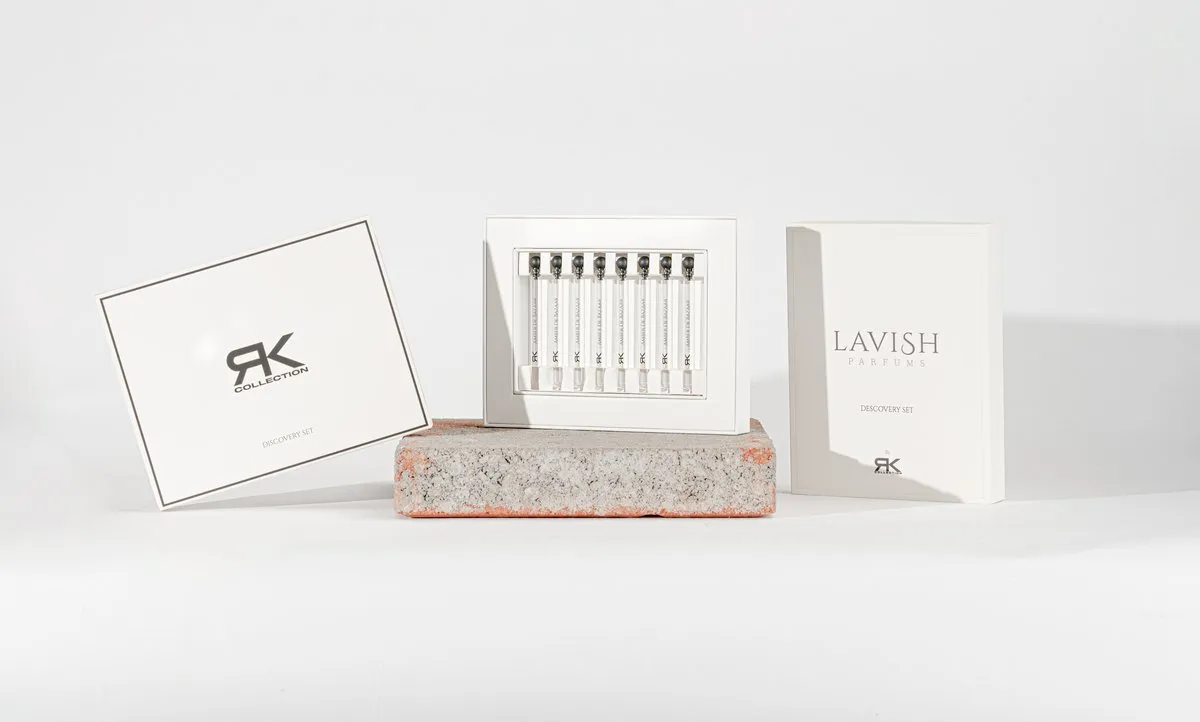
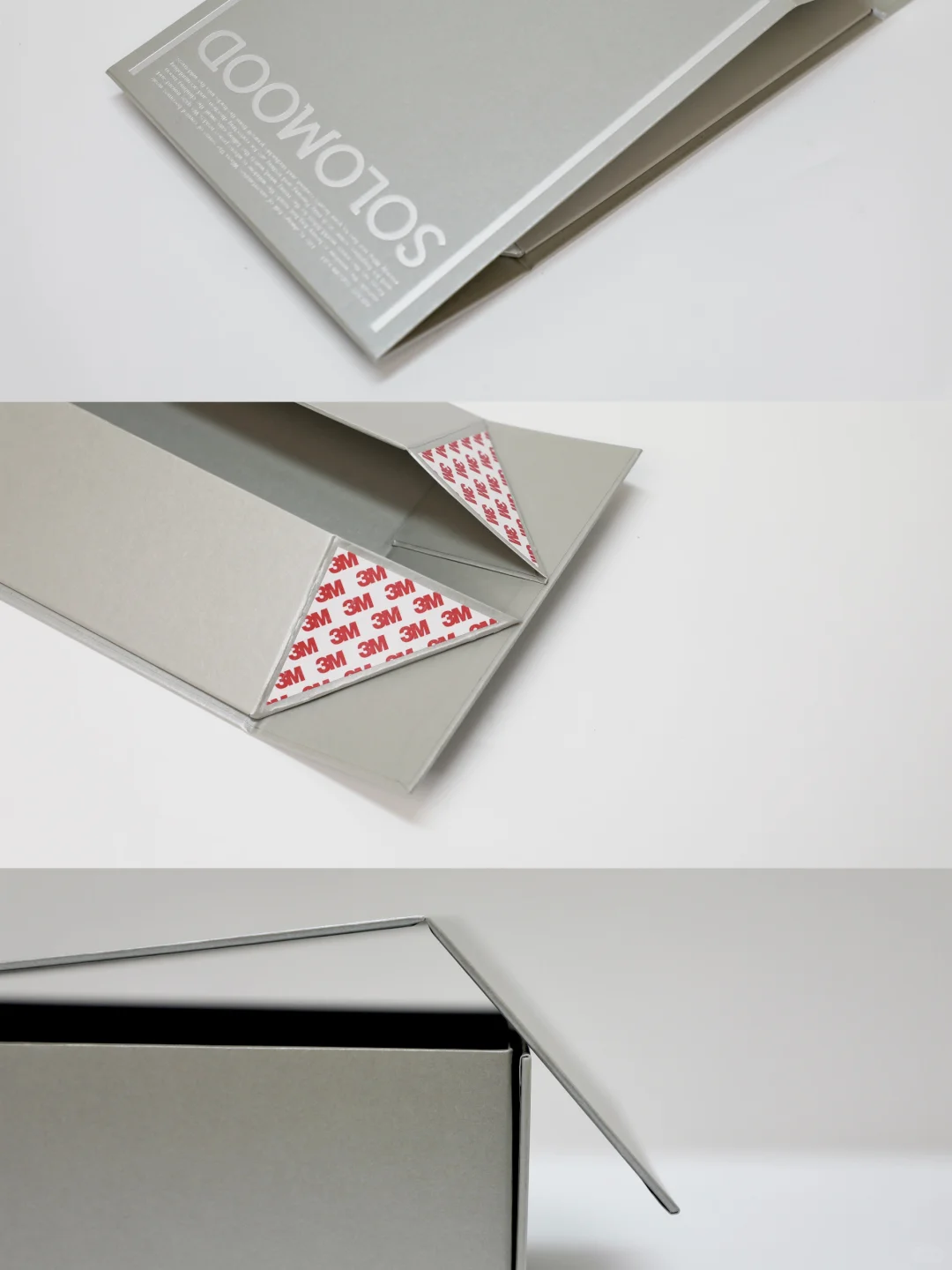
Review the complete presentation configuration as well as the individual bottles. The reference does not establish transport performance. Third-party reference; not a Bravo Package project.
PERFUME PACKAGING · DISCOVERY SETS
A discovery set needs to make a collection of small bottles easy to understand, use and keep together. Start with the complete product configuration and the way someone will use it. Bottle count and nominal capacity are useful commercial details, but they do not define the dimensions, support or opening sequence of a finished pack.
Define what the set is for
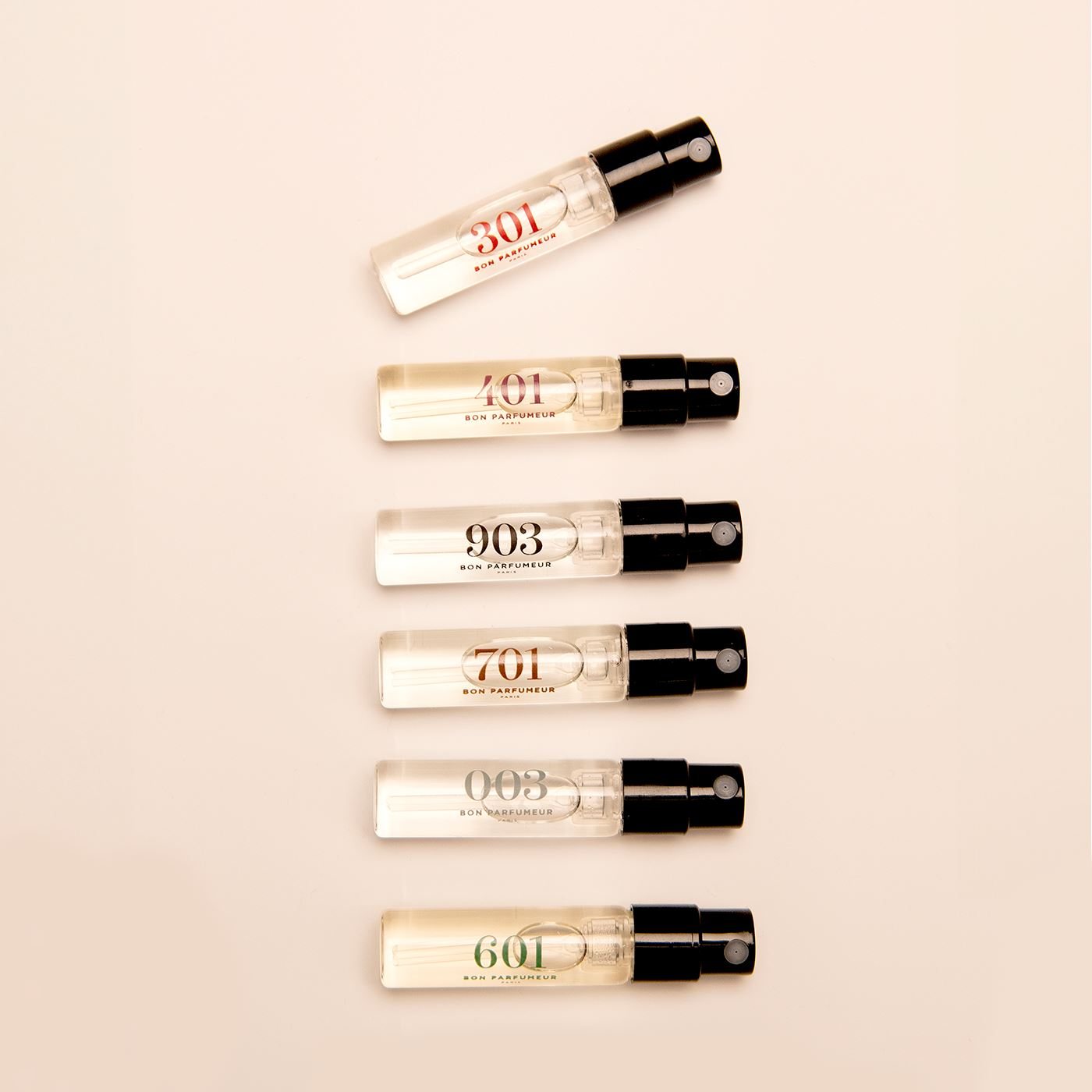
A discovery set sold online, a single sample handed out at a counter and a fragrance gift set have different priorities. The online set needs a clear inventory and a practical way to compare scents over time. A counter sample may use a simple card that holds one vial and carries its information. A gift set may include other products, a message card and a particular opening sequence. List every component before selecting the structure.
Also distinguish a retail discovery set from a counter tester, a promotional sample or a third-party decant. These terms can become blurred in consumer discussions. Use a precise description in the brief and identify who supplies the liquid, bottles, labels, box and assembly. Packaging appearance cannot establish the origin or authenticity of its contents.
Ask whether the user will take out every bottle at once or remove one bottle each day and return it later. The first scenario calls for an easy overview. The second makes repeated opening, individual identification and straightforward replacement especially relevant. Record that intended use before deciding on a decorative closure.
Confirm bottle count, capacity and physical configuration separately
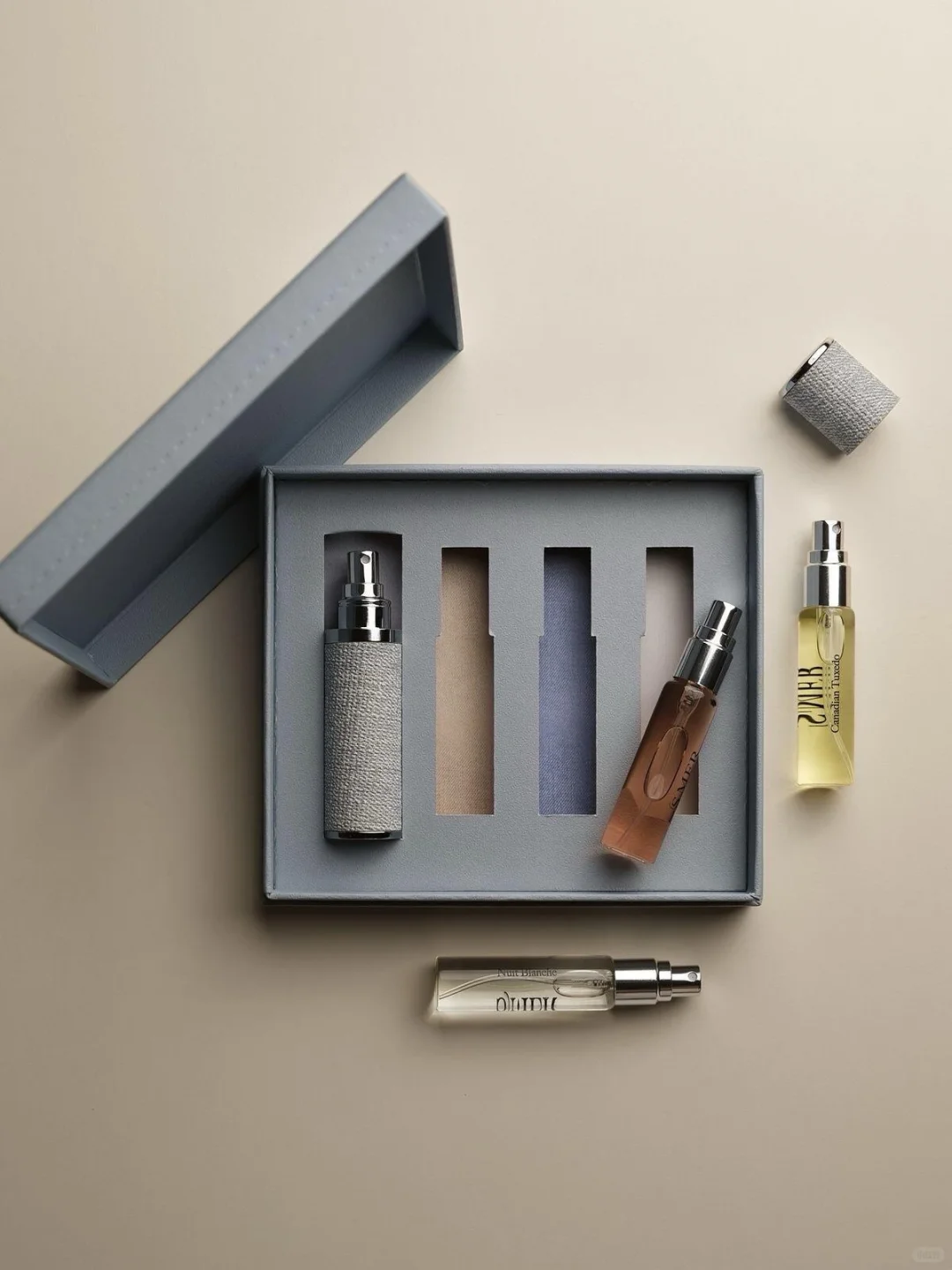
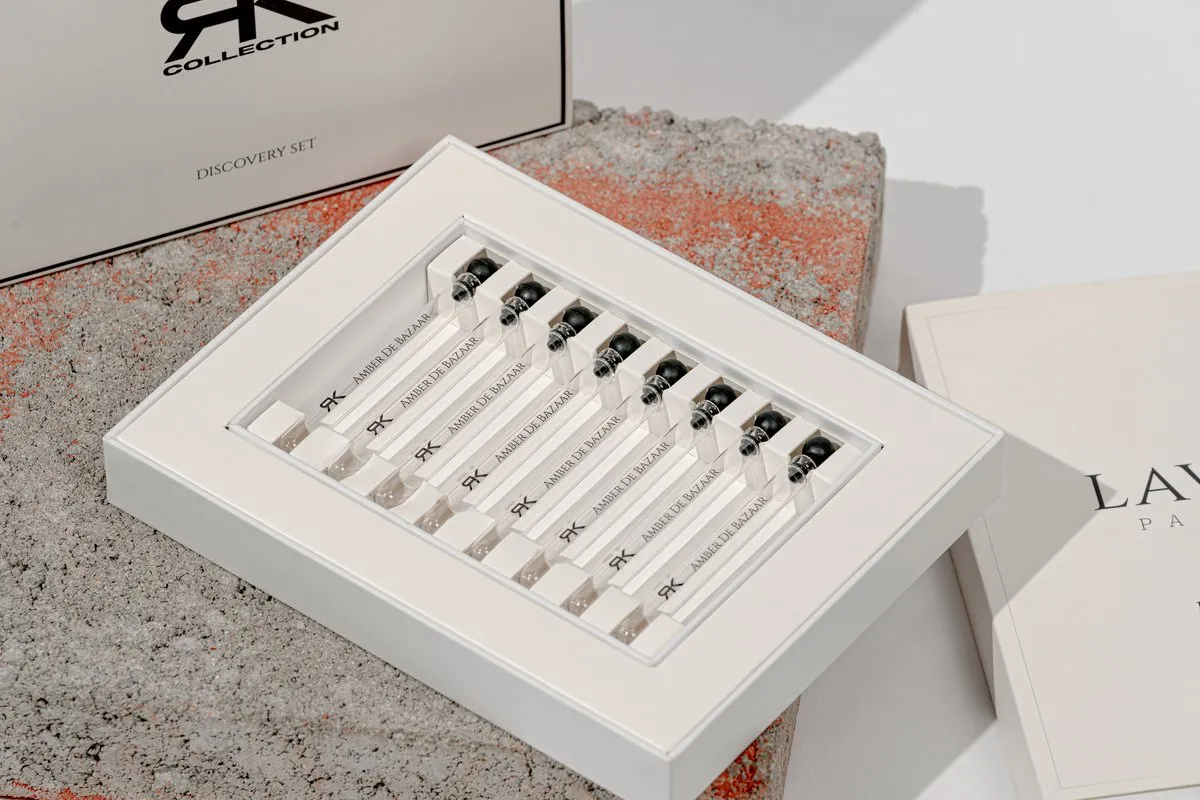
“Six bottles at 2 ml each” describes a proposed assortment. It does not give a structural designer enough information to size the insert. Bottles with the same nominal capacity can differ in diameter, overall height, cap, applicator and label build. Provide complete assembled samples and identify the version being measured.
Create a component schedule with the scent name or code, quantity, nominal capacity, bottle reference, assembled dimensions, dispensing format, cap version, label version and packing orientation. Even when every scent is meant to use the same bottle, confirm that the actual supplied components match. An uncapped, unlabelled empty vial is an incomplete approval reference.
When the count changes, review the whole arrangement. Moving from six bottles to eight can affect the tray, opening travel, information card and access space. Do not assume that adding two openings is the only required change, or that one universal box size suits every bottle of a stated capacity.
If the bottle or label is still being developed, identify an early sample as a directional check. Keep final fit approval tied to the agreed complete configuration. A later change to a cap or labelling method should trigger another complete trial pack.
Evaluate presentation, removal and replacement together
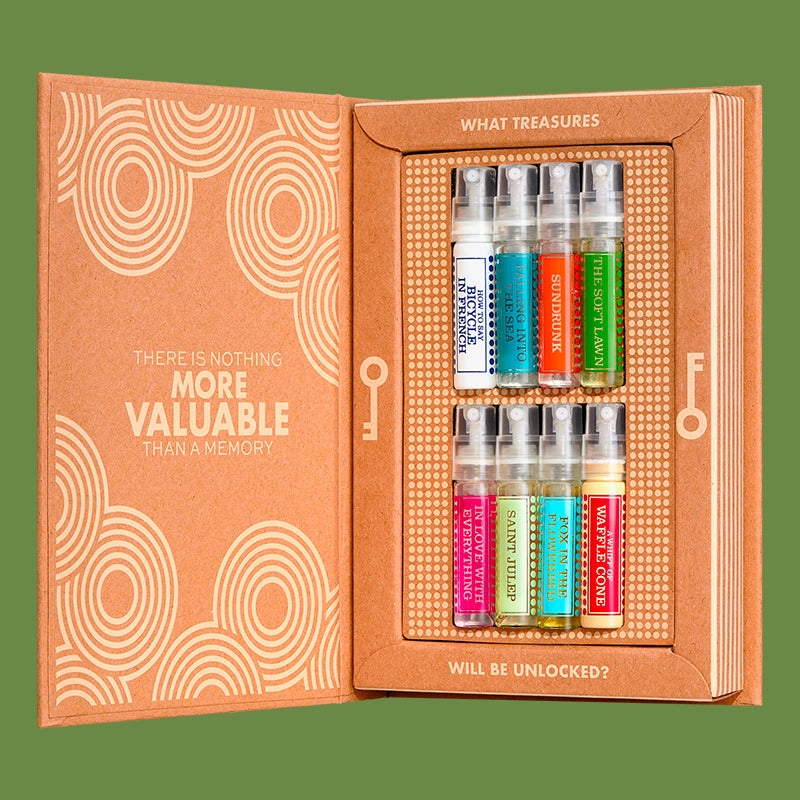
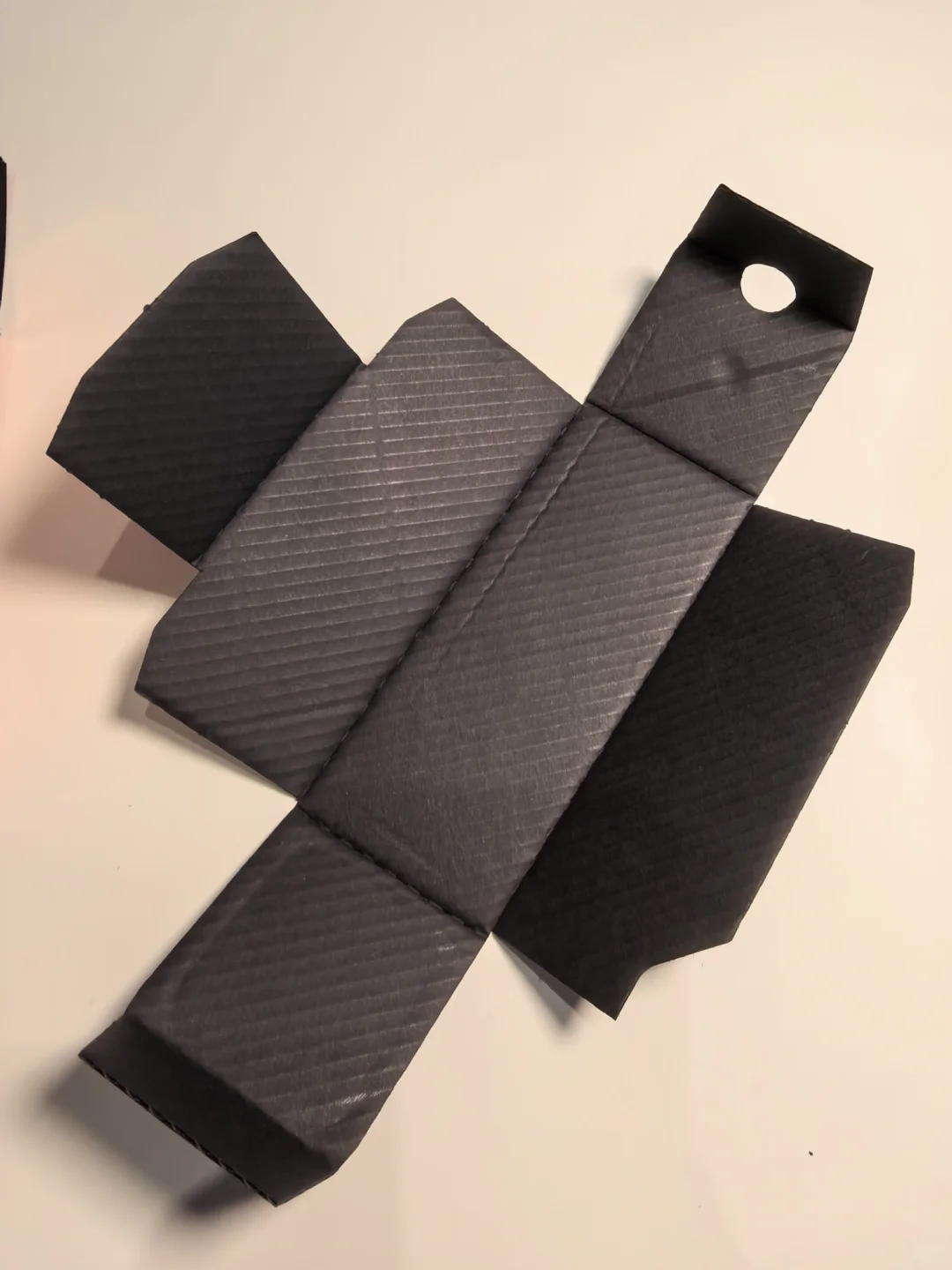
A card sleeve, drawer box or book-style pack can each be considered. Choose by examining the intended sequence and the purchasing requirements. A paperboard arrangement may bring information and bottle positions onto one opening panel. A drawer needs enough access at its intended opening position. A book-style pack needs a useful reading and handling layout when open. The structure name alone does not establish cost or protective performance.
Check every position with the actual bottles. Is there somewhere for a finger to reach? Does removal require pulling a label or a cap? When one bottle is removed, do neighbouring bottles remain in their intended positions? Can someone identify the correct position when putting it back? If a pull tab is added, check that it remains visible and usable in the complete pack.
Small capacity does not remove the need for handling space. A closely fitted opening may be awkward to use, while a loose-looking opening cannot be approved by appearance alone. Resolve fit through actual samples and agreed checks. Avoid specifying a single clearance value without considering the bottle, material and construction.
Orientation also changes what people see first: the bottle label, cap or base. Examine both the fully open pack and the normal partial opening. A user should not have to empty the entire set just to locate a particular scent.
Keep each scent identifiable outside the box
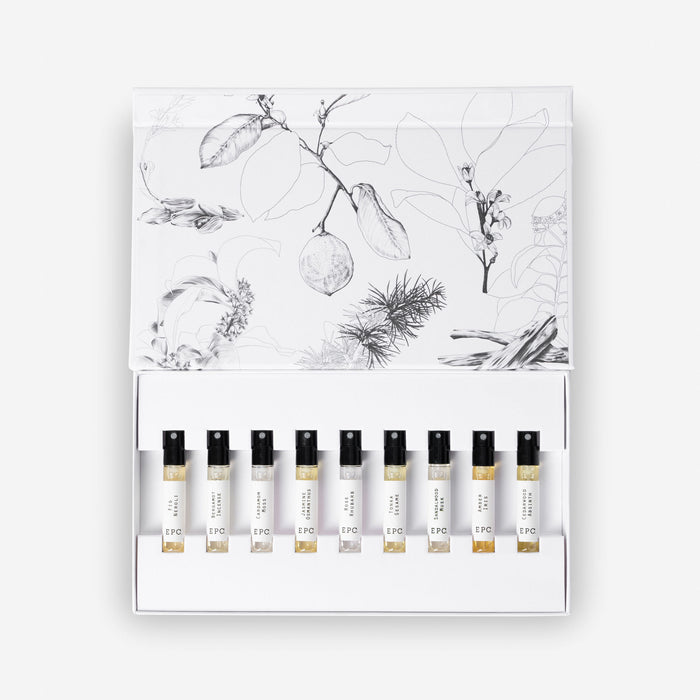
A bottle may leave the set and return days later. If its identity appears only beneath its original position, that connection can be lost. Give the bottle a readable name or code and match it to the tray, information card and product listing. Colour can support the system, but should not be its only identifier.
A simple card can list scents in the same sequence and provide room for personal notes. Separate brand-supplied product information from subjective impressions. The purchasing file should confirm names, languages, artwork versions and print locations. Do not invent scent descriptions, wear times, numbers of uses or audience claims to fill space.
If there is a QR code, specify its destination and who maintains that page. Decide what happens when a scent or assortment changes. Essential identification should remain available without a network connection; a code does not replace proofreading the physical labels.
Check the outer box, card, bottle labels and position references together. Renaming a scent, changing the order or adding a language can create an incorrect combination. Retain both the structural revision and the content revision rather than relying on a single visual mock-up.
Include assembly and the complete shipping pack
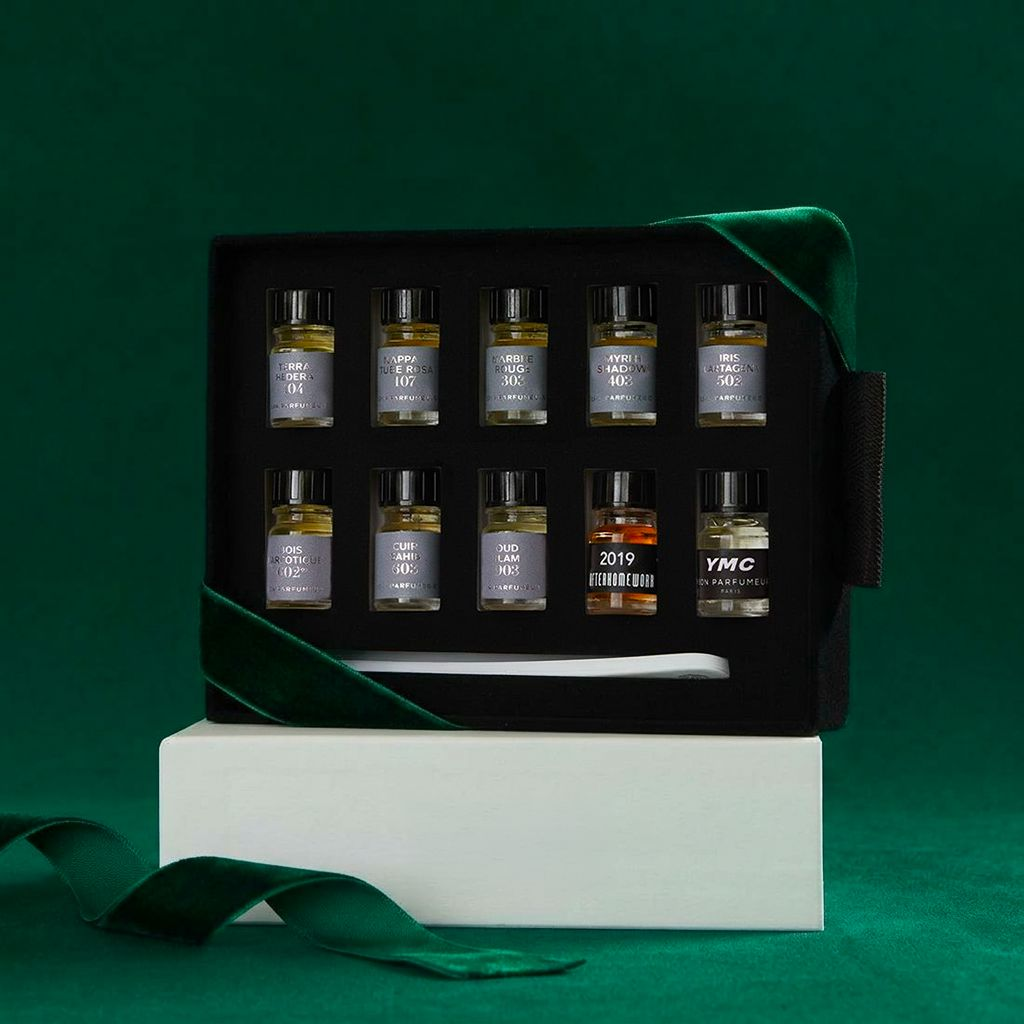
Approve the presentation box and the actual dispatch configuration as separate, connected parts of the project. If an outer shipping carton, cushioning or protective bag is required, include it in the packaging schedule. An attractive display-box photograph does not validate the shipping arrangement. Compatibility and transport checks need the actual product and relevant conditions; a small vial is not automatically leakproof or protected from damage.
Identify who labels the bottles, sorts the scents, inserts the card, loads the tray, closes the pack and checks the final quantity. Have the person responsible for assembly follow the proposed sequence with a complete sample. Look for repeated turning, covered labels or awkward card insertion. A sample carefully assembled by its designer does not by itself validate the planned routine workflow.
Use the assortment schedule to define the checks for scent identity, quantity, labels, card and box revisions. A missing bottle, duplicate scent or outdated card may not be visible from outside a closed box. Agree the checking method and responsibilities without claiming that any method guarantees zero errors.
When bottle count, bottle type or card format changes, identify the affected components before revising files and quote scope. Keep old trays and new bottles, or old cards and new assortments, from being treated as an approved combination.
Close approval with a complete configuration record

Use six headings in the approval record: purpose and sales unit; scents, counts and capacities; complete bottle and component revisions; opening, removal and replacement; label-to-position matching; and the shipping configuration with checking responsibilities. Give each item a defined approval reference.
For an online discovery set, that reference should be a complete sample containing every bottle, label and card. Remove and replace bottles individually, confirm their identities and check the pack closes as intended. Record unresolved items explicitly instead of using “matches the visual” as a substitute for a complete check.
A useful supplier request is: “Please sample against the attached complete bottles and component schedule. Check each position, bottle removal and replacement, scent identification and card placement. Identify which components, assembly steps and shipping packaging are included in the quotation.” This makes quotations easier to compare than a request for a box price alone.
A well-defined discovery pack helps customers manage the small bottles and gives design, purchasing, assembly and inspection teams the same configuration to work from. Bring the final decision back to complete samples and actual handling, rather than capacity numbers or unboxing photographs alone.