
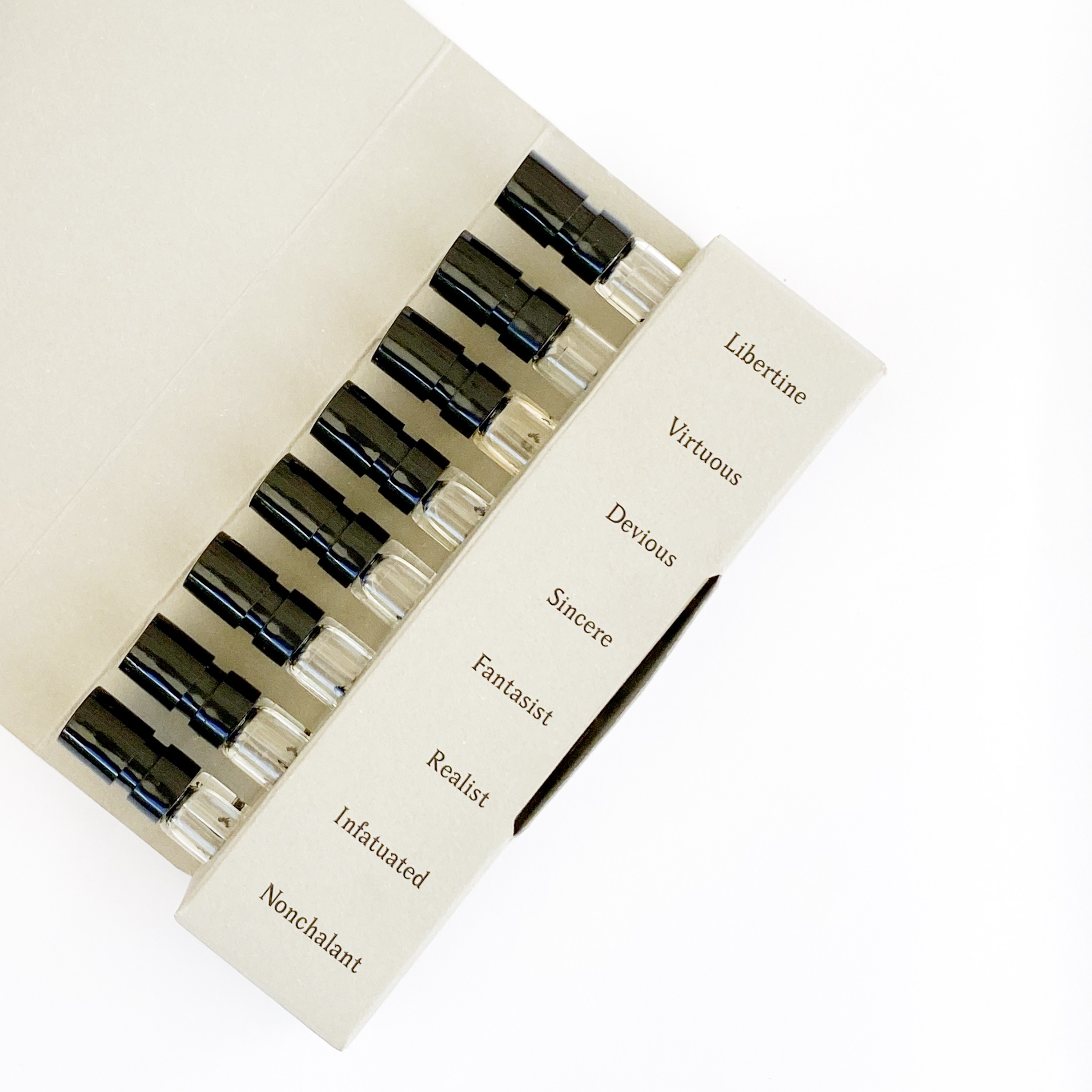
A connected presentation brings the vial positions and their names together. Confirm the actual blank and assembly before describing any pack as one-piece or glue-free. Third-party reference; not a Bravo Package project.
PERFUME PACKAGING · ONE-PIECE SETS
A one-piece format is worth considering when the bottles, removal method and information can work within the same folding arrangement. It is not a universal solution for samples, and the name alone does not establish that it needs no glue, no assembly or a lower budget. Define what the single piece includes before comparing complete samples.
Define which components are actually connected
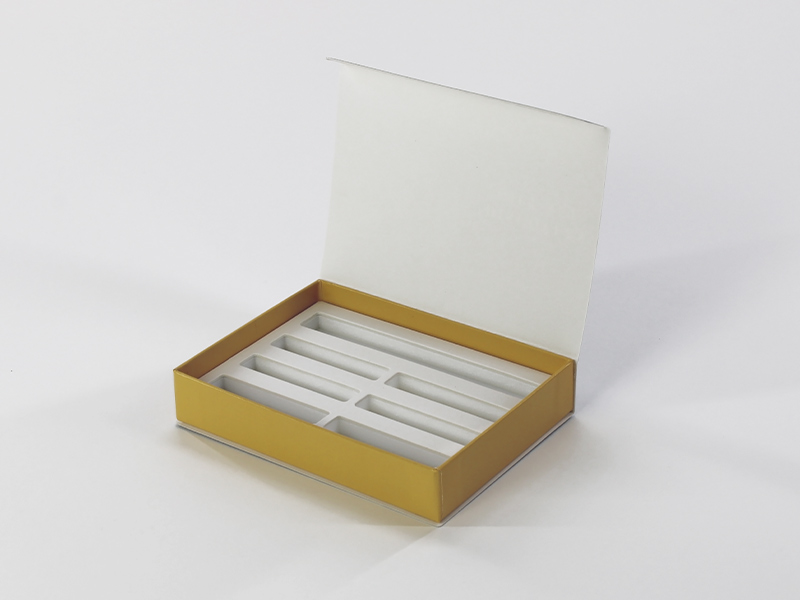
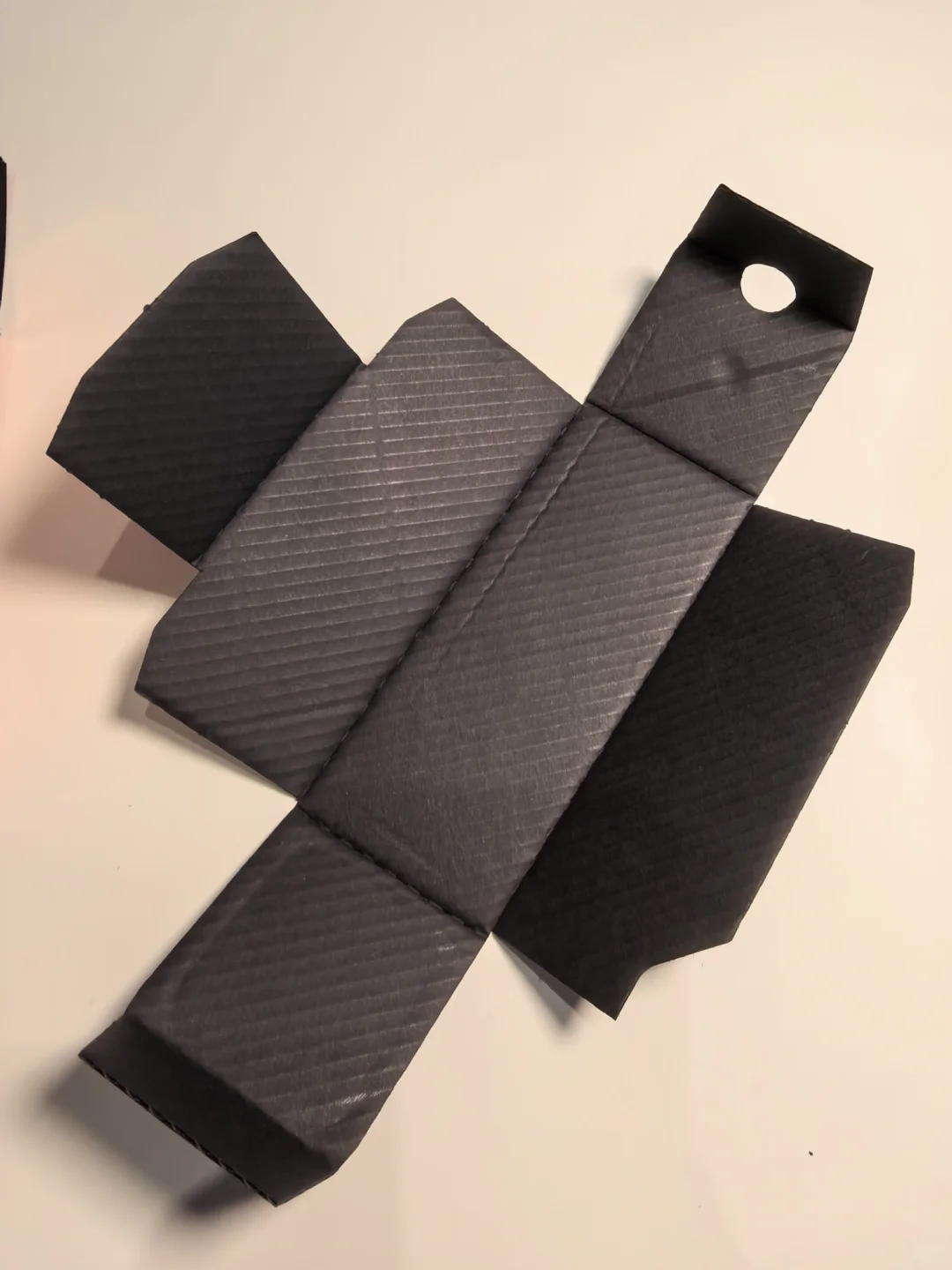
One-piece can describe an outer shell folded from one sheet. It can also describe a blank that combines the shell with bottle supports. Some folding presentation boxes still include magnets, separate support pieces or previously bonded parts. These are different configurations to specify in a quotation.
Ask for a component list showing what arrives connected and what the packing team must fold, insert or bond. An outline drawing helps communication but does not replace a sample. Identify the bearing surfaces, locating features and removal path with the bottles installed, including the layers that overlap when the pack closes.
In the research, one user described a sample card as a small book without knowing what to call it. Promotional posts also used one-piece alongside claims of no assembly. Open and closed references, actual bottles and a defined packing sequence are more useful than the name alone.
Assess the actual vials and every accessory
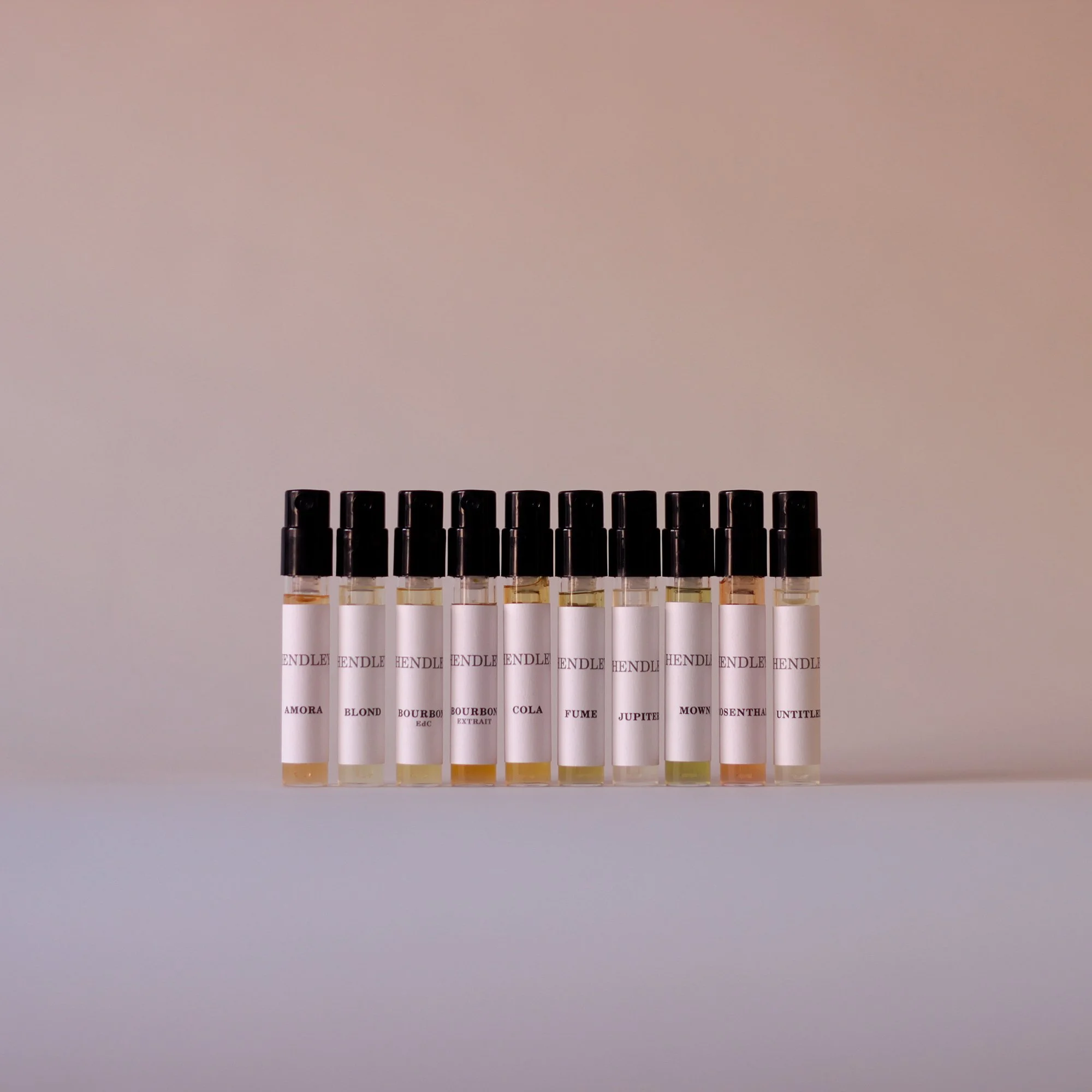
A set of similarly shaped vials placed in a consistent direction can be a starting point for evaluating several positions within one paper structure. Confirm that similarity through measurements and samples. Identical nominal fill volumes do not establish identical shoulders, pumps or overall heights.
Provide the height with the closure, maximum bottle envelope, base shape, label position and areas where contact should be avoided. Check samples from different suppliers or batches separately. A mix of slender vials, square travel bottles, heavy closures or other contents needs a fresh assessment rather than larger versions of the same openings.
Include fragrance cards, blotters and instructions in the inventory. Extra paper can change the closed stack and the contents above the bottles. Assess interference with the complete pack. An empty-box demonstration cannot answer that question.
Check independent removal as well as support

Connecting supports to the outer shell creates an assembly option to compare. Its suitability depends on the actual contact arrangement. Request a paper sample that shows the formed space, bottle contact points, any paper near the pump and access for the user's fingers.
Remove vials from the middle, edges and positions near folds. Check whether the user must pull on a pump or label, whether neighbouring vials move and whether a paper flap obstructs the return path. Emptying the whole set and removing one sample are different workflows. Sampling can continue across several days, so use the intended behaviour to define the checks.
If accommodating the bottles requires more tabs, pads and loading steps, compare the resulting arrangement with a separate insert. Fewer listed components do not automatically make assembly easier. Record the complete sequence and observed problems before selecting the structure.
Reserve readable space for names and instructions
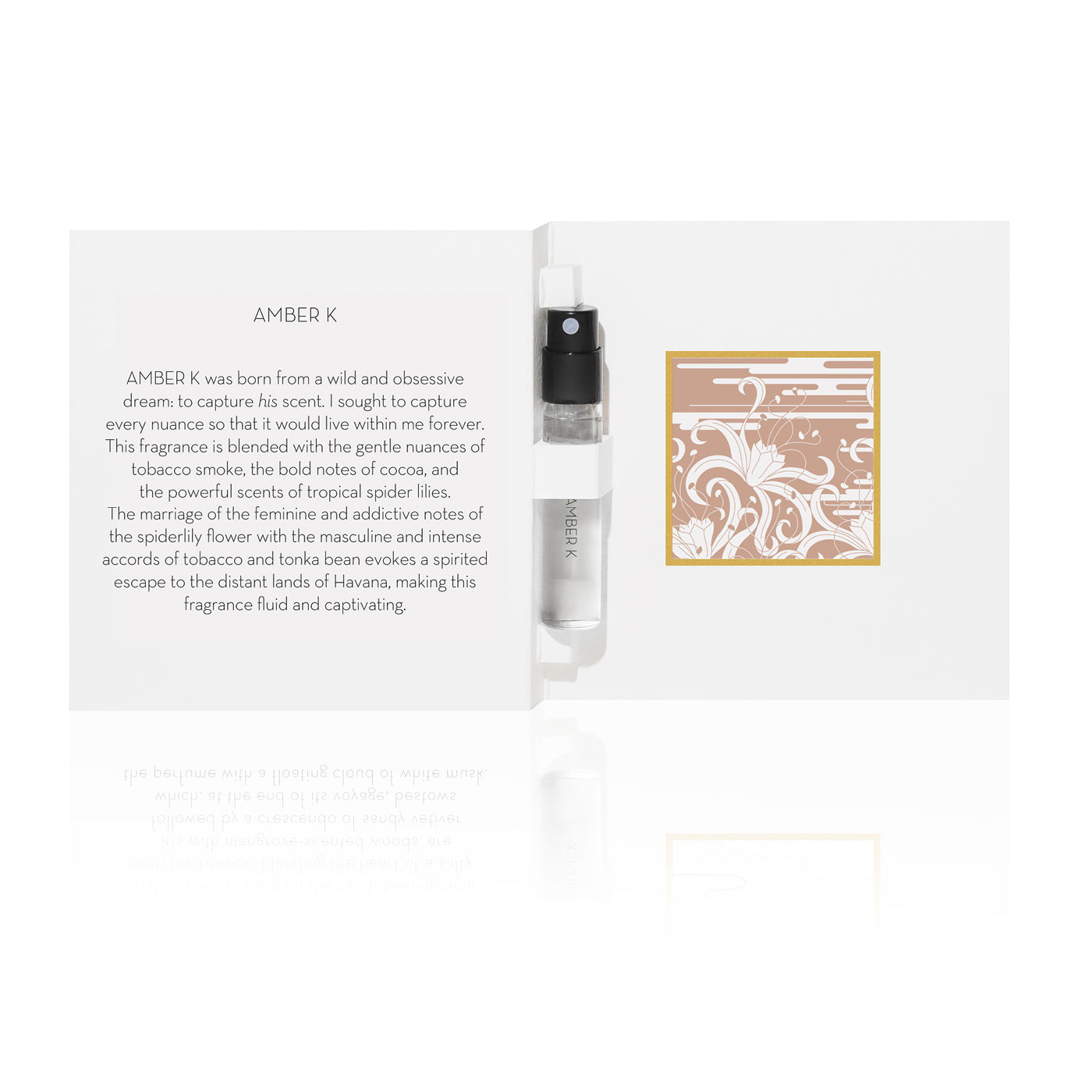
The opened sheet can carry names, a fragrance index or instructions. Printable area when open is not the same as readable area when closed. Place essential information on an actual-size sample and check whether folds, tabs, slots or bottles obscure it.
Some users keep named fragrance cards, while another research question described being unable to identify an unlabelled sample. Information should therefore not depend entirely on an outer card that can be removed. Keep each vial independently identifiable. Where positions have numbers, match them to the names and retain that relationship after a sample leaves the pack.
Colour and graphics can help grouping but should not replace names. Do not treat a paper card's reported scent absorption as evidence of performance for a filled-vial package. If blotters are included, list them as separate components and define how they are stored with the pack.
Compare alternatives when the configuration changes
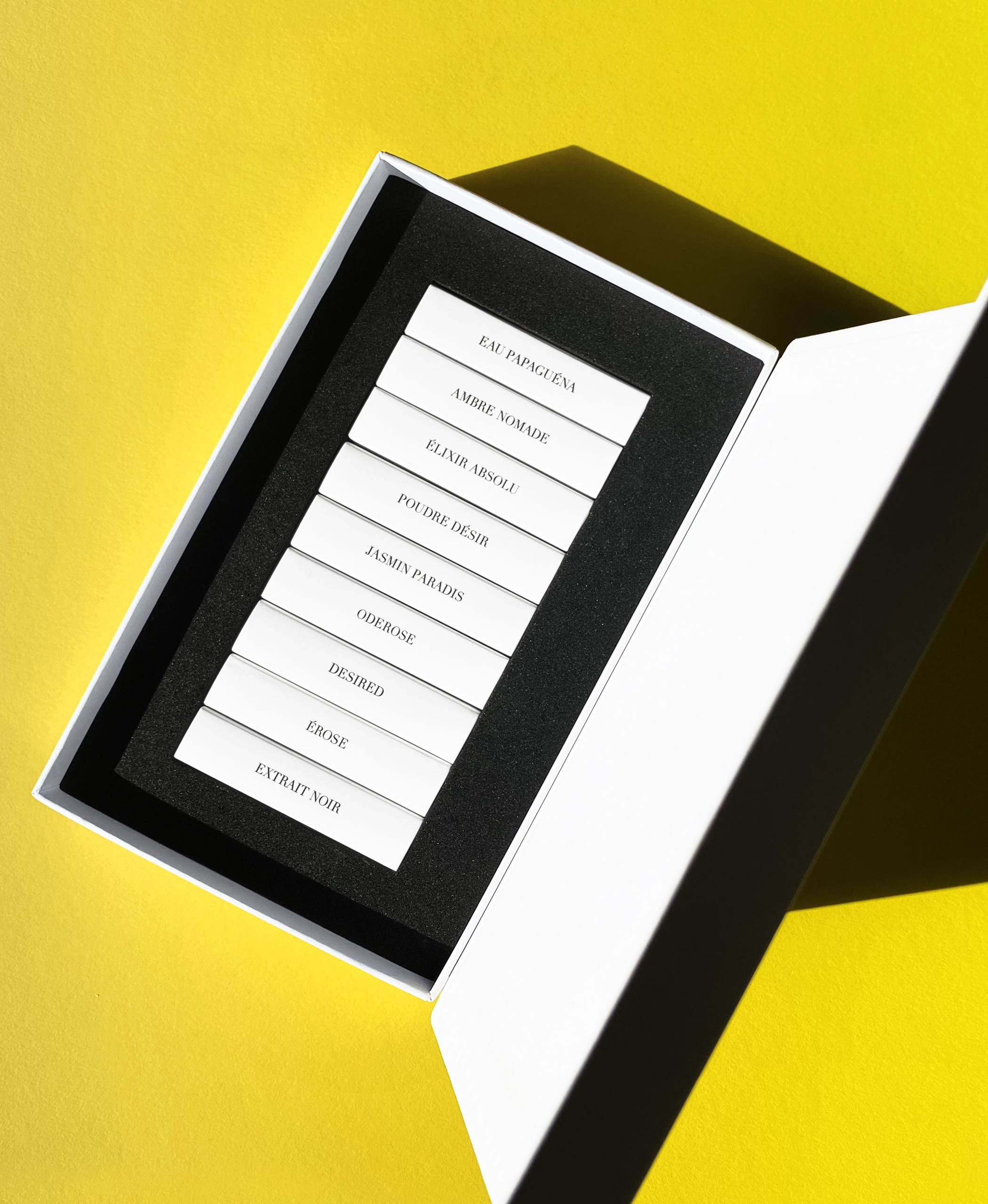
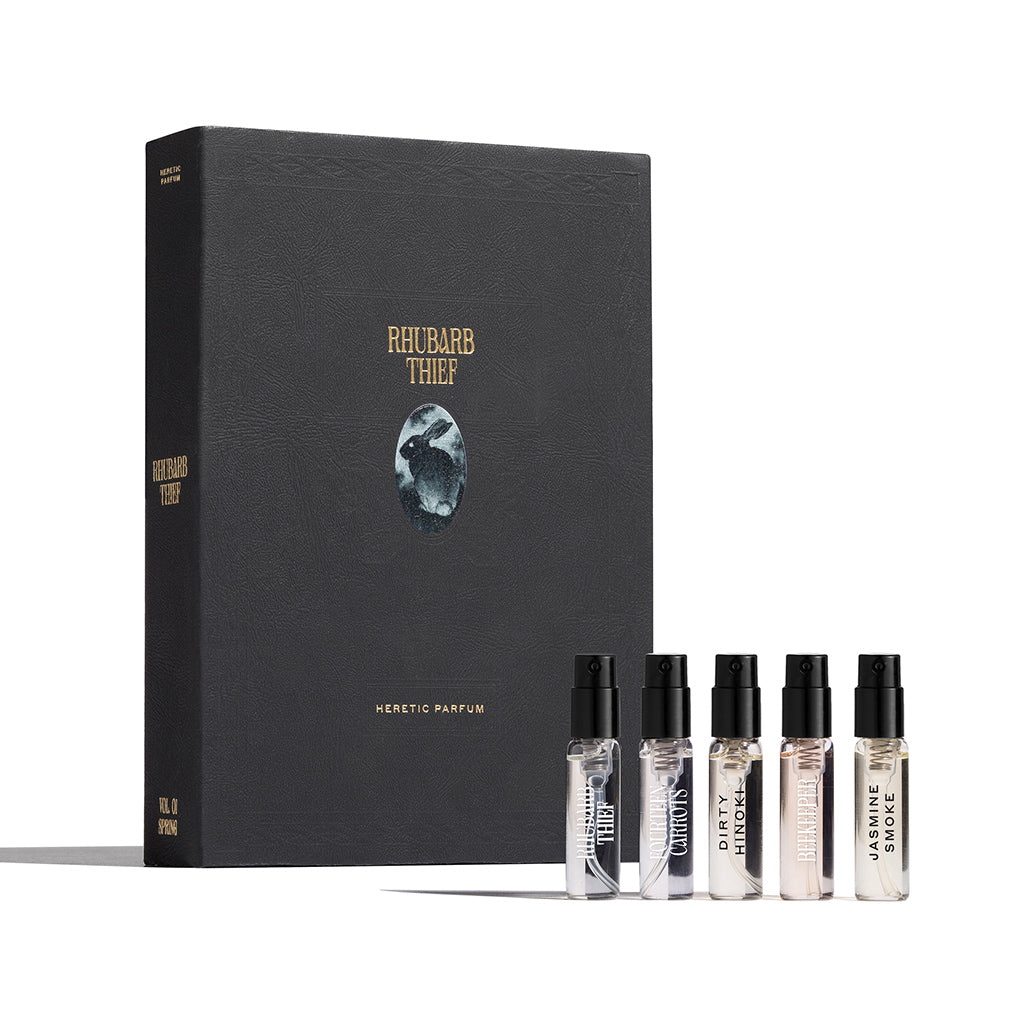
Mixed bottle shapes, heavier contents, insufficient access or frequent changes in fragrance count justify comparing separate inserts and other outer formats. This does not establish that a one-piece option will fail. It gives the project alternatives before contact and assembly have been resolved.
When the support and shell are connected, changing one opening may affect nearby folds, printing and closure. Ask the supplier to explain the differences between versions and which documents and samples need renewed confirmation. Moving from three vials to six is a new configuration to assess rather than an edit to the quantity field alone.
For mailed sets, assess the actual complete packaging against the intended distribution conditions. A display card, the product package and a shipping outer have different roles. Standing upright and closing on a desk do not establish transport performance or the absence of a need for further protection.
Confirm samples and quotation scope together
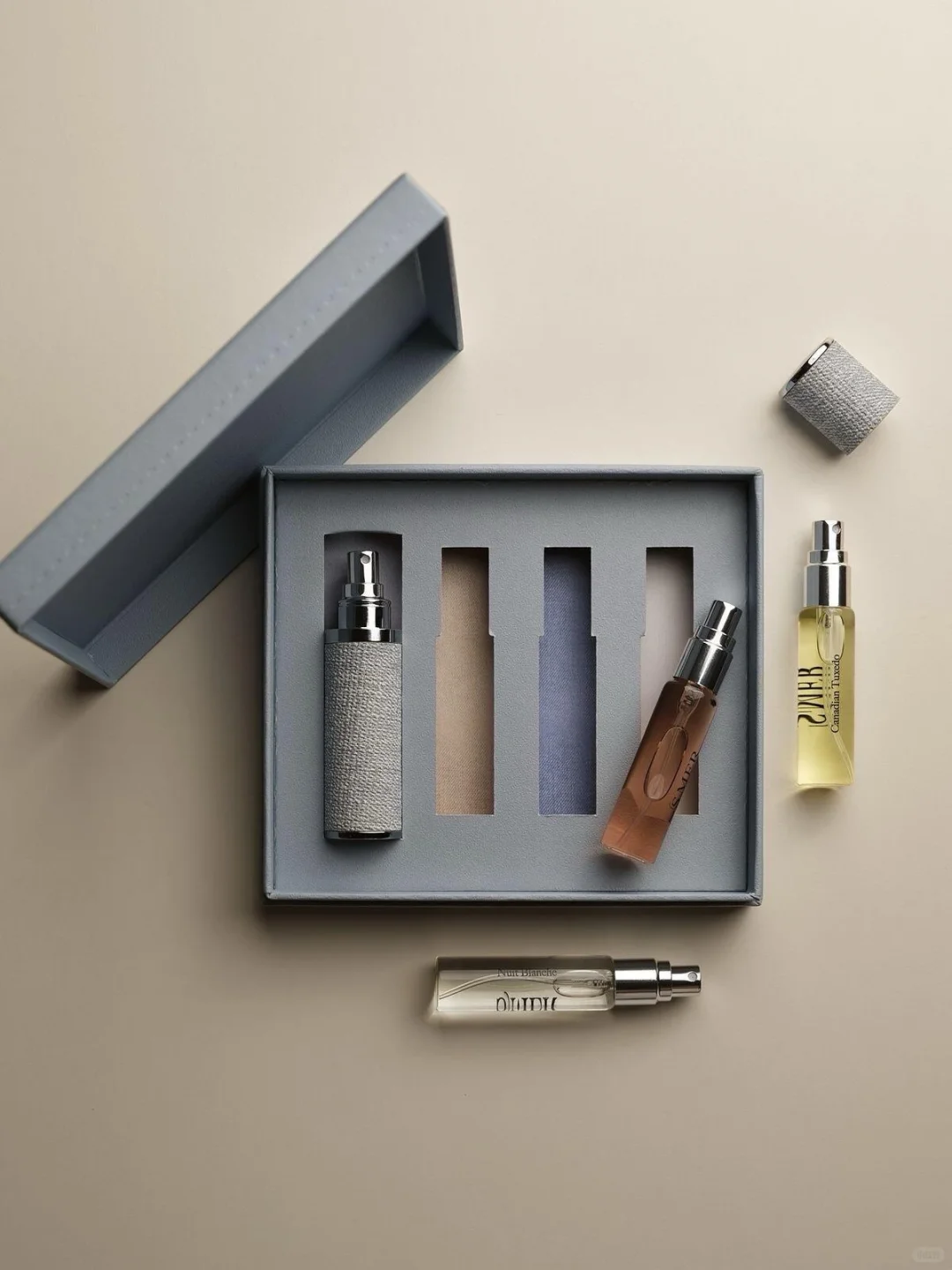
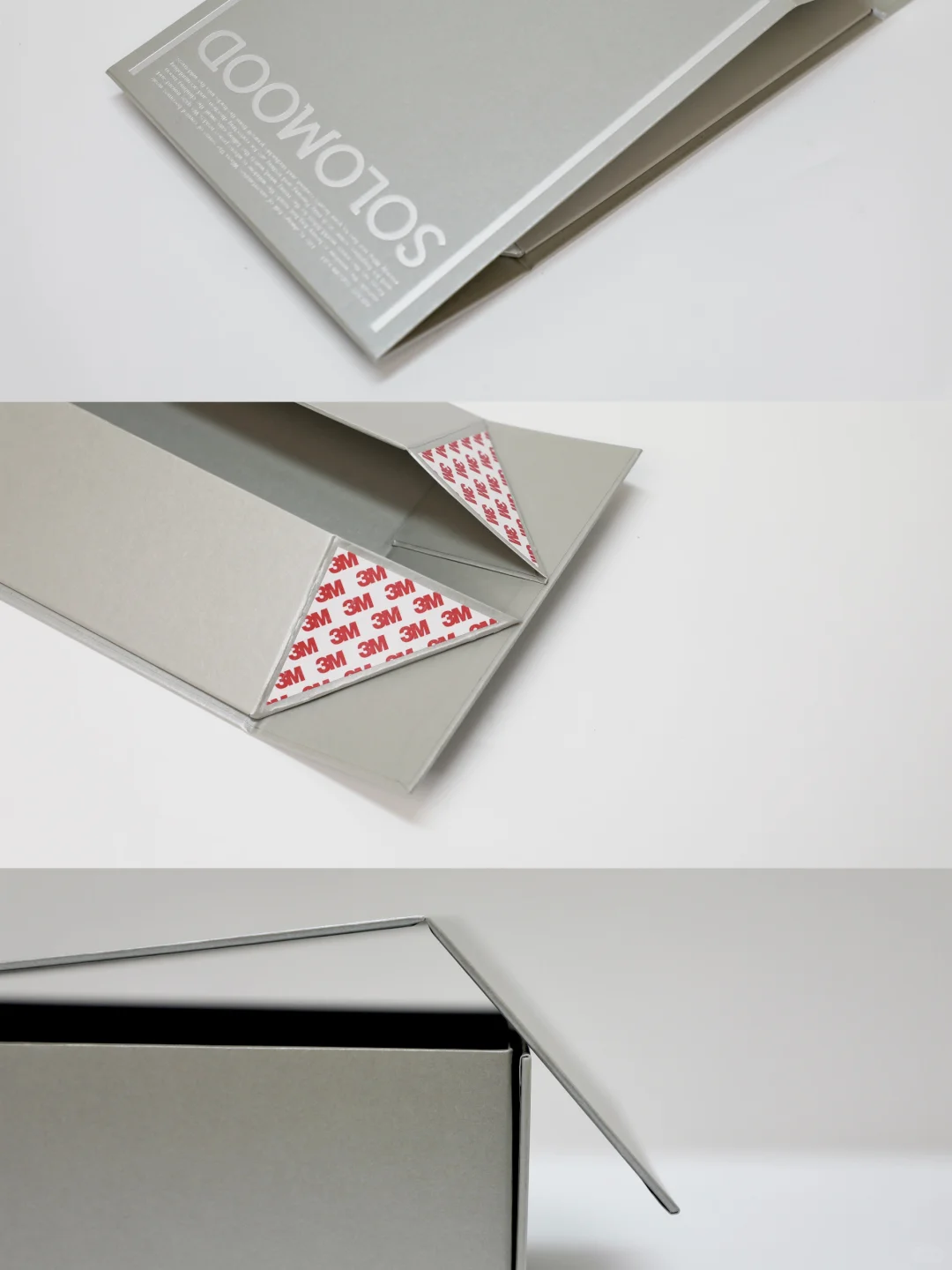
Start with an actual-size paper sample to check opening, forming, loading, removal and return. Then arrange samples relevant to the final materials and production method. Confirm the folding order, accessories, readable information, closure interference and assembly responsibilities. Select appropriate verification for performance questions rather than inferring results from photographs.
Compare quotations using the same quantities, bottles and accessory list. Specify paper-component versions, print coverage, supply condition and assembly scope. Whether flat shipment changes the total cost depends on the packing volume, shipping carton and assembly arrangement. A general saving percentage cannot replace that comparison.
For a Bravo Package enquiry, provide actual vial samples, the complete contents, quantities, sales and shipping use, and the intended open-sheet presentation. Request a comparison of connected supports and a separate insert where useful. Choose from complete samples and an agreed scope, rather than treating one-piece as a fixed answer for every sample set.