
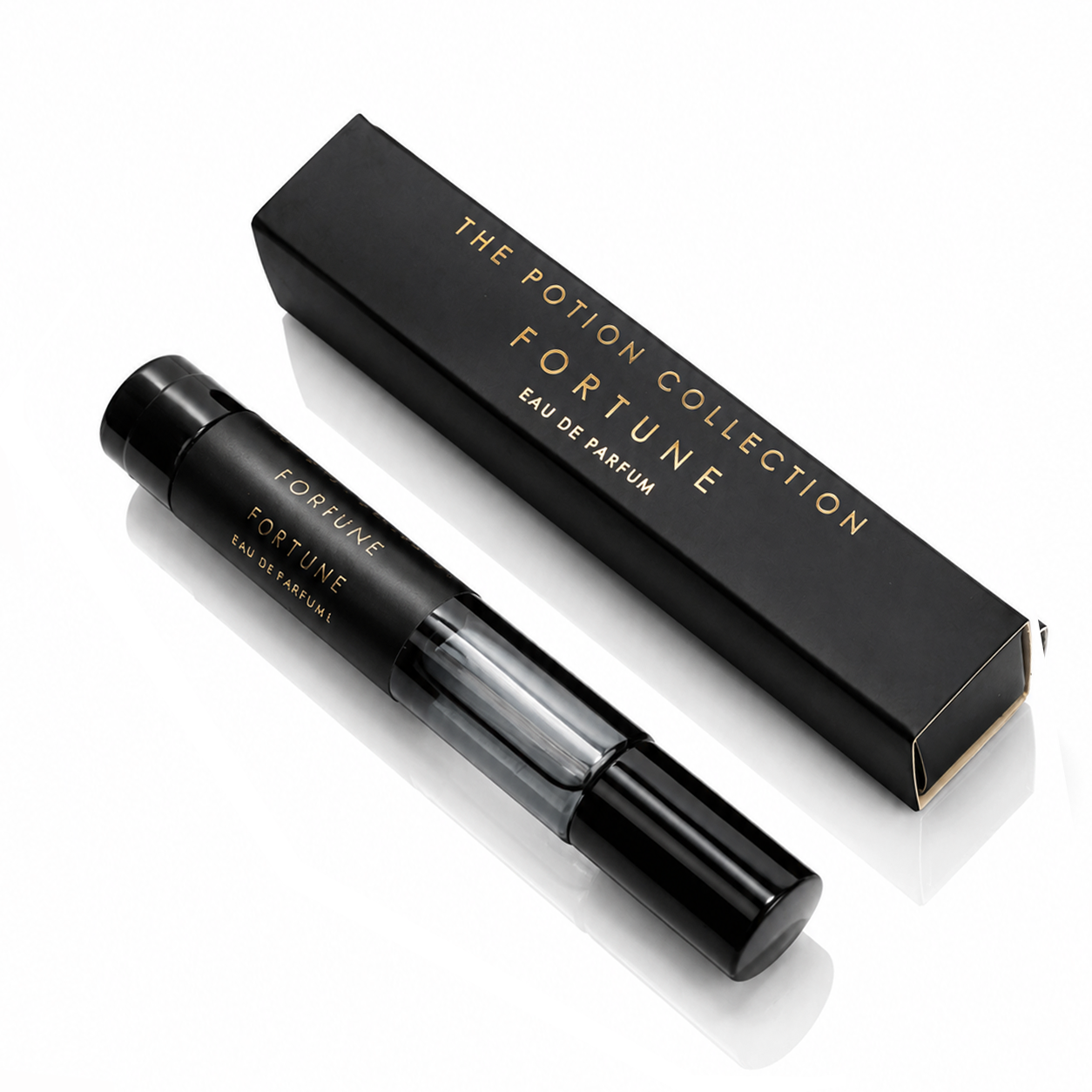
Plan the carton around the complete capped container. This photograph illustrates a single-spray presentation, not a dimensional specification. Third-party reference; not a Bravo Package project.
PERFUME PACKAGING · SAMPLES AND DISCOVERY SETS
Small perfume formats can serve several purposes: a single retail spray, a gift assortment, a refill delivery or a presentation set. A paper box should be planned around that specific job. Start with the complete container and delivery route, then coordinate dimensions, access, information and assembly. Small capacity alone is not a packaging specification.
Specify the complete container before sizing the box


Obtain the actual bottle, atomizer, cap and any outer case. Record the maximum assembled outline, protruding parts, weight and confirmed contact areas. A bare glass vial, a cased spray and a replacement cartridge can have different support and removal needs despite similar nominal capacities. Do not scale down a full-size box by the ratio of liquid volumes.
List any additional bottles, accessories or instructions separately. Establish whether the box contains a complete usable spray or a refill that needs another component. Where those products share a visual identity, make their different contents clear. The words travel size should not stand in for an agreed container drawing and component list.
Separate retail presentation from everyday carrying

Some customers remove one spray and carry it in a bag. Others retain a complete set, while a gift recipient may keep the outer box for presentation. Define the intended sequence: whether the box stays in use, how often it opens, whether multiple sprays return to it and where instructions are retained. Do not assume the whole retail pack travels with every customer.
Paper packaging can provide presentation, identification and structural support, but container sealing, atomizer protection, surface wear and baggage handling need their own verification. A travel-oriented product name is not evidence of leak resistance. Specify retail packaging and shipping protection separately, then review their final combination.
Balance location and removal for slender containers
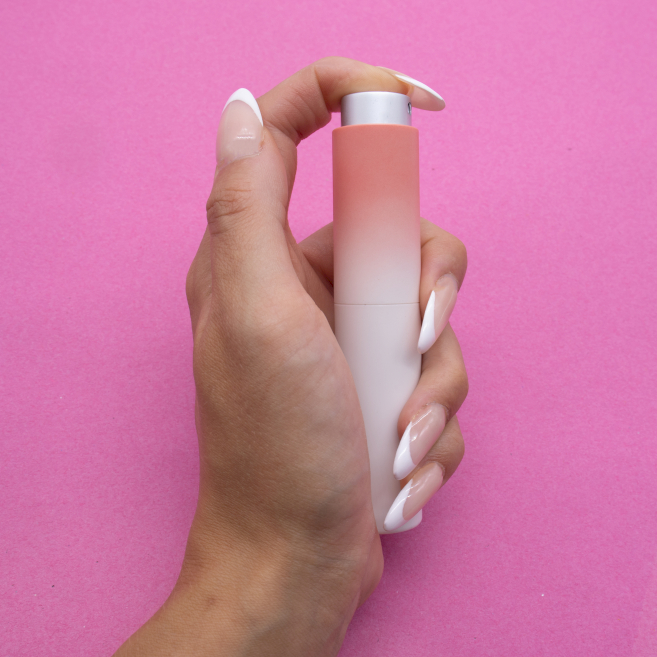
For a single spray, possible formats include folding cartons, sleeves or another structure suited to the complete product and packing process. Consider the relationship between bottle, cap and case when planning support. Compact dimensions should not mean gripping only a cap or concentrating force on an unapproved contact area.
Use an assembled sample to check finger access, whether the support moves during removal, label visibility after replacement and pressure on the closure. If the container has a rotating case or refill interface, check that packaging contact does not interfere with operation. Photographs do not establish dimensions or suitable support. Recheck after changes to the case or cap.
Fix the assortment before planning a multi-spray set
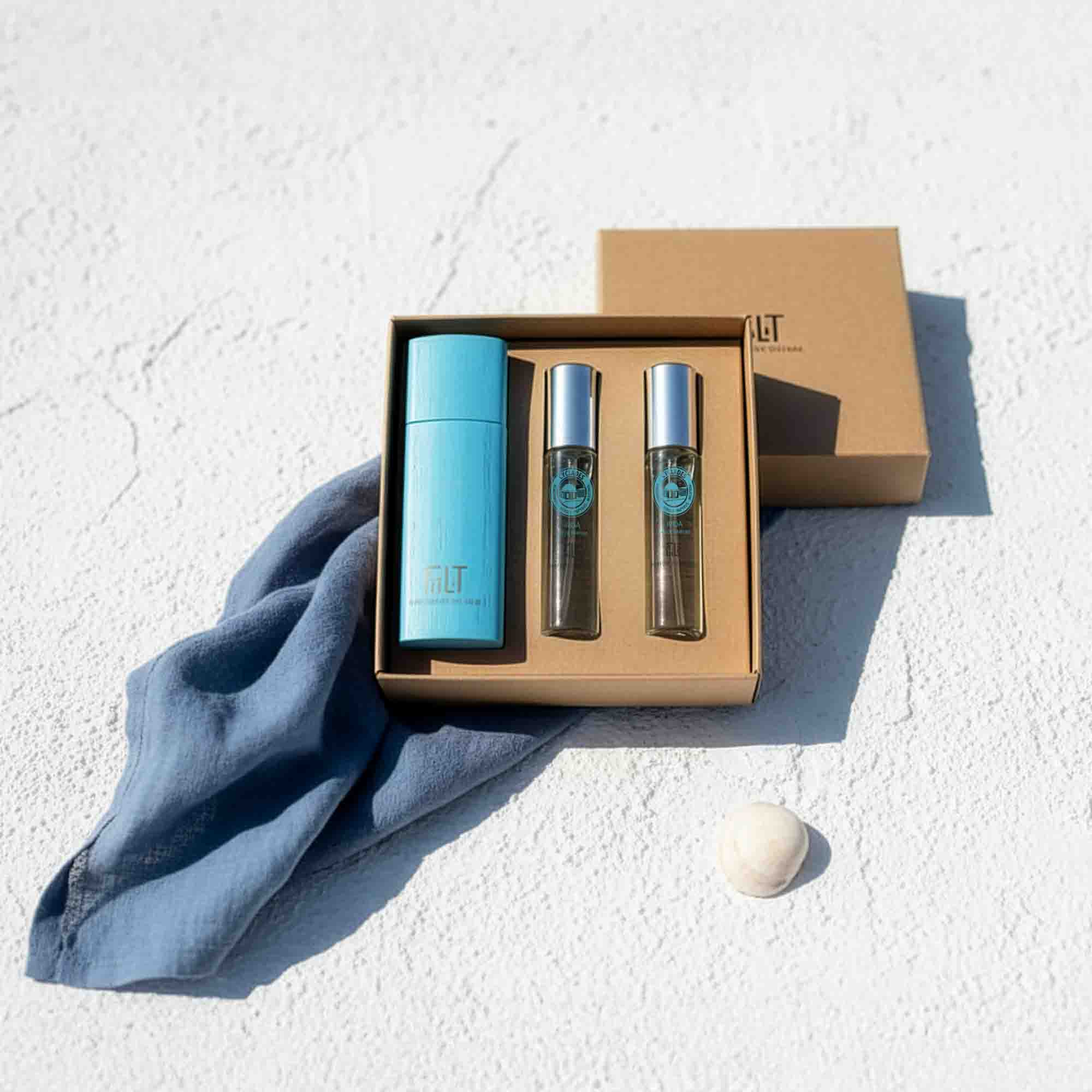
Confirm every fragrance name, version, quantity and intended position before laying out supports, spacing and a guide. Individual containers should remain identifiable after removal. Match names or identifiers across the box, sprays and paper components rather than asking customers to remember the original arrangement.
For a set containing a spray case and replacement cartridges, distinguish their quantities and roles. Check one-item removal, removal of several items and closure after return. Where assortments share an outer box, identify the correct support and artwork versions. Do not substitute another fragrance beneath an outdated position name as a temporary packing solution.
Give useful information priority on a small surface

Allocate space for the brand, accurate product name, supplied format and contents identification before decorative copy. Add approved operating or refill instructions and the information required for the intended market. Check type size, contrast and fold positions at finished scale. The container still needs appropriate identification if the customer discards the carton.
A QR link can extend the guide, while essential names and a help route remain accessible in print. Passenger-carriage and shipping requirements depend on the route, territory and operator. Avoid unverified promises such as worldwide cabin approval. Record the intended markets and dispatch routes so the responsible parties can confirm applicable requirements.
Compare and approve the actual delivered combination

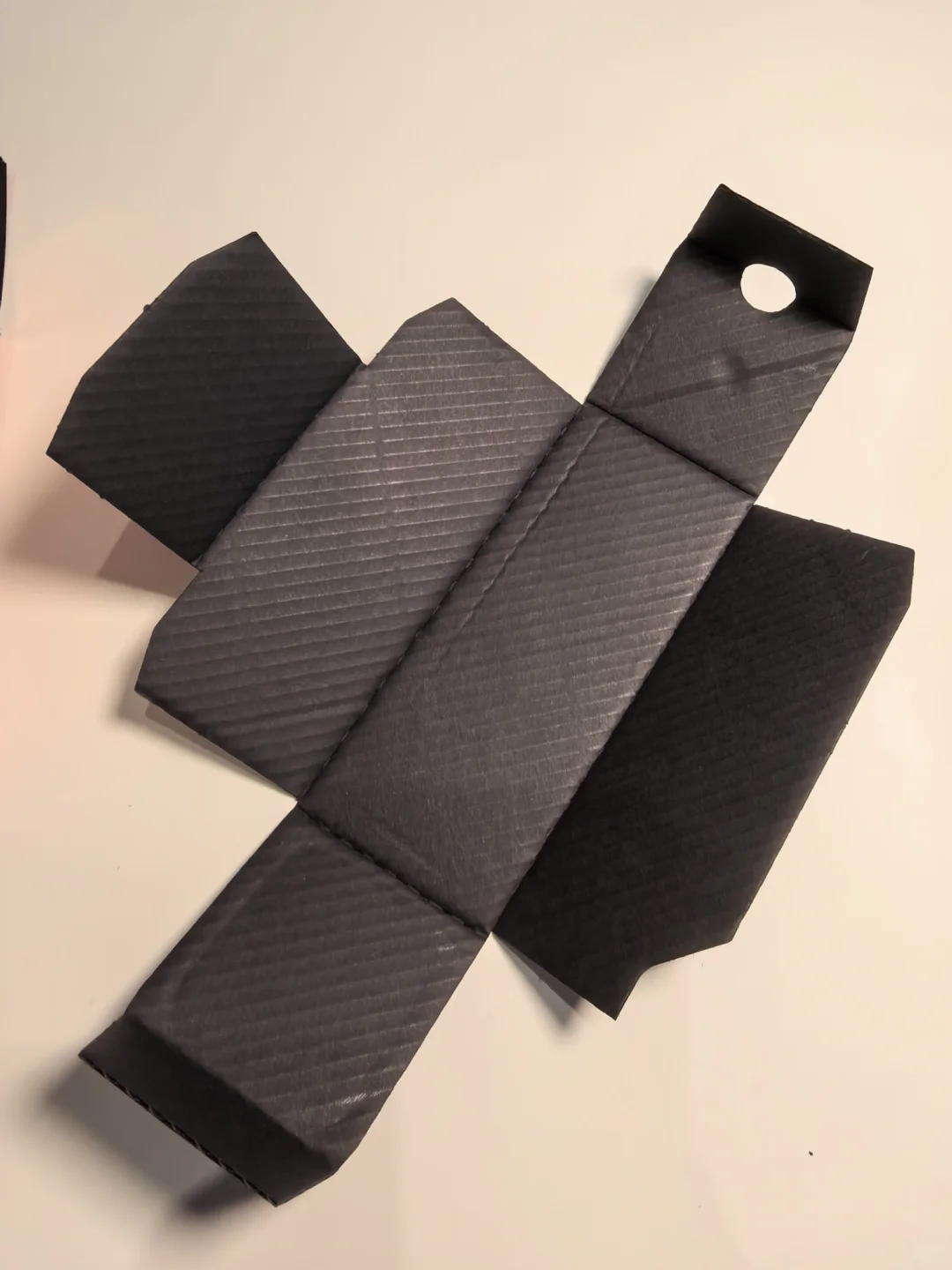

A complete quotation should identify the carton, supports, cards, finishes, assembly and shipping components. State who supplies actual container samples and approved artwork. Compare flat and assembled supply conditions explicitly. A carton-only unit price does not describe the entire packing cost, and changes should be reflected in the controlled files.
Review the actual bottle, cap, case, labels, carton, instructions and dispatch components together. Check insertion, removal, replacement and closure. Record surface contact or movement, then arrange appropriate verification for the intended use and distribution conditions. Retain the contents list, dimensional basis, approved sample and check results for reorders. Leak resistance, breakage protection and delivery timing should follow evidence rather than an attractive presentation photograph.