

Specify the material and converted result together; the appearance of a carton does not reveal its GSM or stiffness. Third-party reference; not a Bravo Package project.
PERFUME PACKAGING · PAPER AND BOARD
“Use heavier paper” is an incomplete revision request. A soft-feeling panel, a tight tuck flap and a sagging base need different investigations. GSM belongs in the material specification, but it cannot establish whether a finished perfume box will work with its bottle.
Separate three different material properties
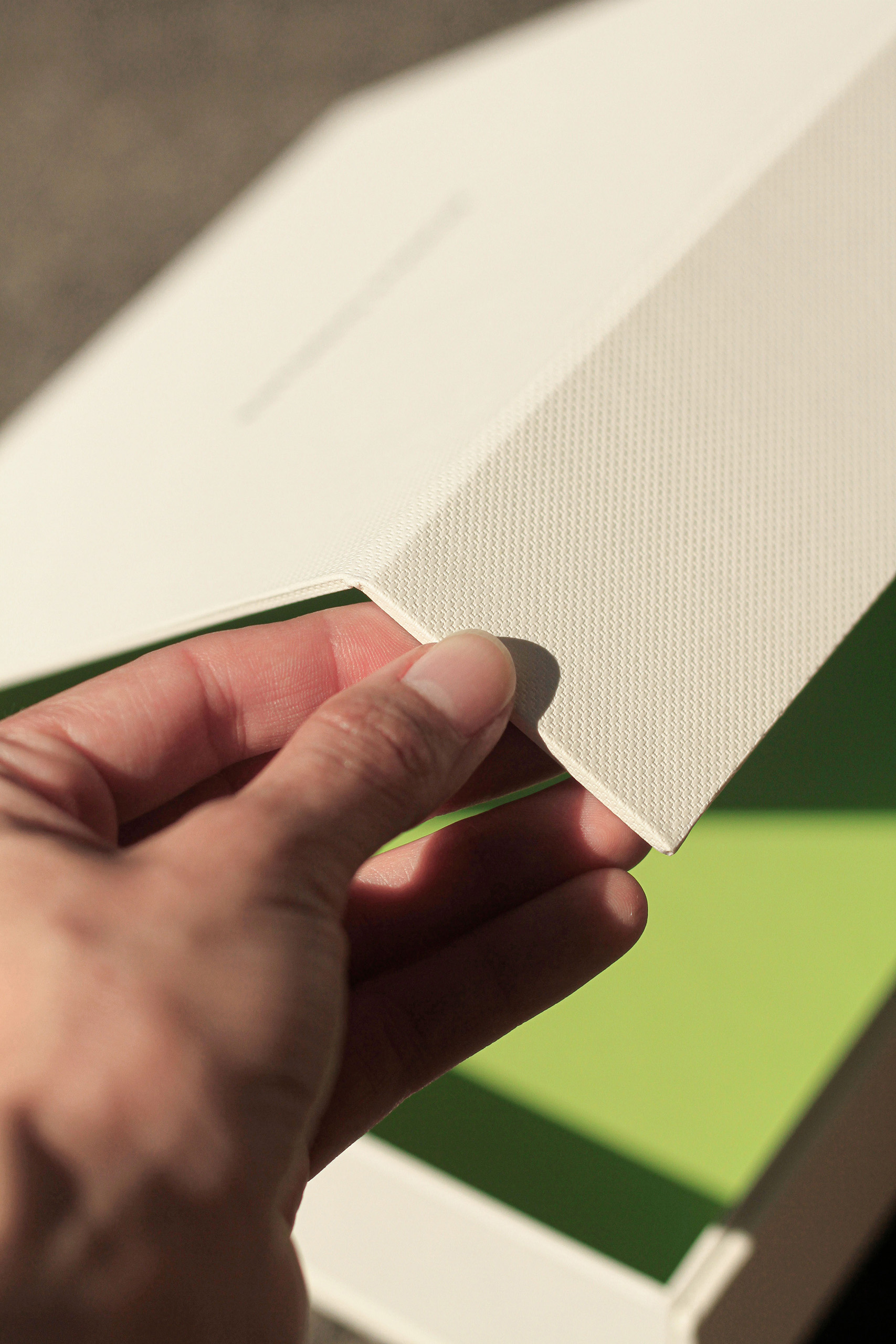
GSM is mass per unit area, expressed in grams per square metre. It is neither the weight of a complete sheet nor its edge thickness. Thickness needs its own dimension and unit. Bending stiffness describes resistance to bending; a useful comparison also identifies direction, test method and conditions.
Ask for the mill, range and grade, followed by nominal grammage, caliper and available stiffness data. A quotation saying only “350 gsm white card” leaves important details unresolved. If data is unavailable, record that gap and evaluate samples. Do not turn a hand-feel observation into a laboratory result.
Compare a named grade, not a conversion chart

Boards with the same nominal grammage can have different thicknesses. A general GSM-to-millimetre chart therefore cannot specify an unfamiliar grade. Descriptions such as bulky, substantial or stiff should prompt separate questions about the actual material.
Compare equally sized samples with their direction and conditioning identified. Shaking differently sized sheets is not a fair comparison. Stacked edges can communicate a thickness preference, but cannot replace an agreed measurement. Product photographs show appearance and visible construction; they cannot reveal an undocumented grammage or stiffness value.
Connect stiffness to the bottle and structure

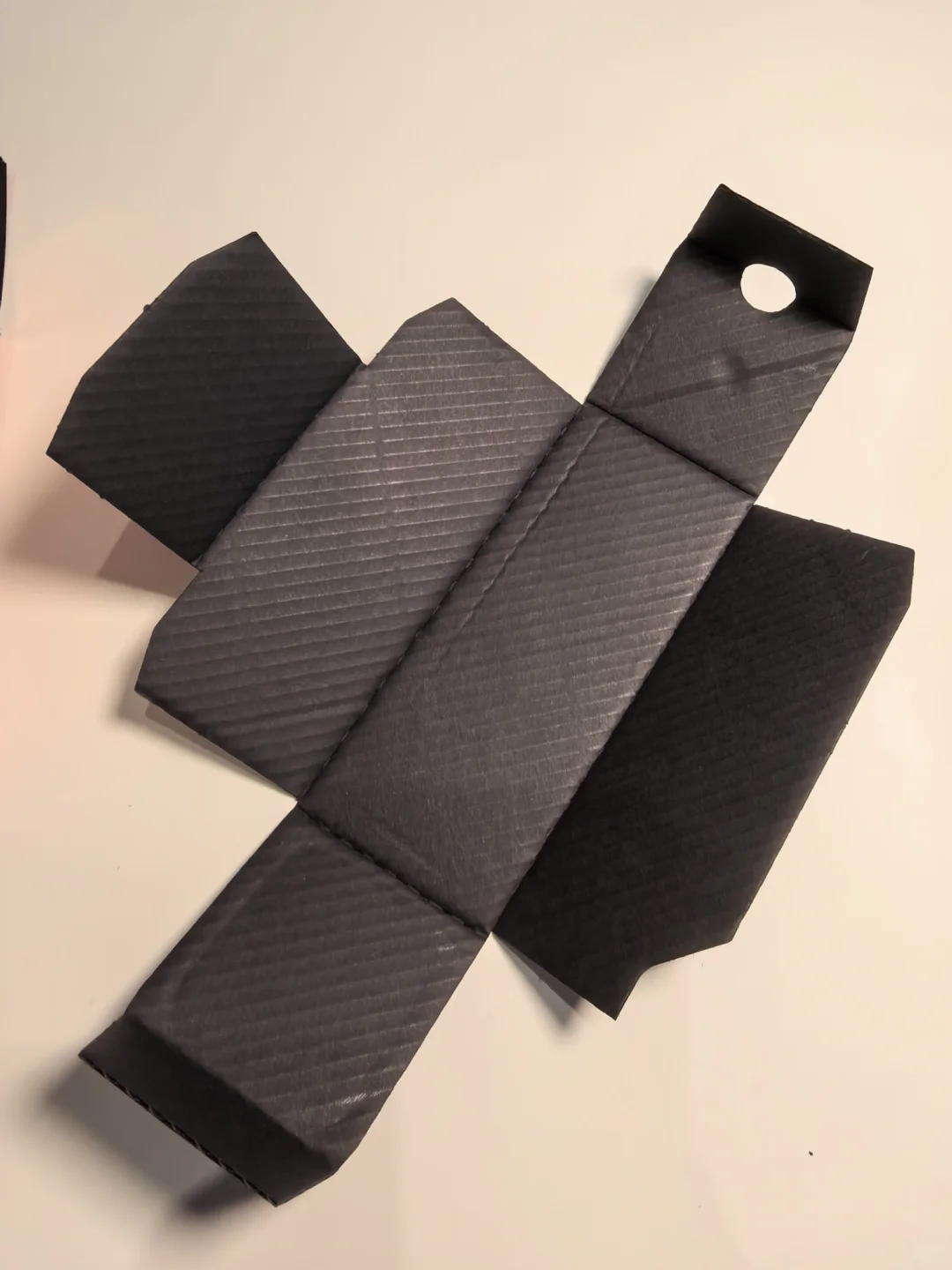
Start with the actual bottle, cap, filled weight, insert and support locations. A stiff outer panel does not establish bottle retention. An apparently firm box may still leave excessive movement around its contents. Identify what the wall, base and folded support each need to do.
For a soft wall, review material alongside panel span. For a base that sags after packing, examine its construction, support and assembly. For a bottle striking the wall, inspect positioning and clearance. Increasing grammage throughout the pack should not replace locating the problem. Protective performance still needs packed-product checks and appropriate finished-pack verification.
Check what happens after creasing and folding

Creases, tuck flaps, glue areas and overlapping layers turn a flat sheet into a working package. A thicker replacement needs a fresh check of closure clearance, fold appearance, insertion feel and bonded areas. Do not assume an earlier dieline remains suitable simply because the replacement looks similar.
Record material direction and the proposed crease and fold arrangement, with converting settings confirmed by the producer. Inspect corners, edges and opening points for cracking, lifting or resistance. Investigate the material, process and structure together instead of declaring that a particular grammage always cracks or that one paper category can never work.
Compare converted samples with actual contents


Keep a flat swatch, an unprinted structural sample and a sample with the proposed finish. They answer different questions: surface appearance, structural fit and the combined printed or finished result. State which approval each sample supports.
Using the same bottle and assembly, compare closing, opening, removal, insert contact and appearance. Record observations precisely: a whitened right-hand fold or a tuck flap pressing against the cap is more actionable than “poor quality.” If transport protection is required, agree on the packaging combination and verification method separately. A hand-held inspection does not replace transport testing.
Make the approved choice repeatable

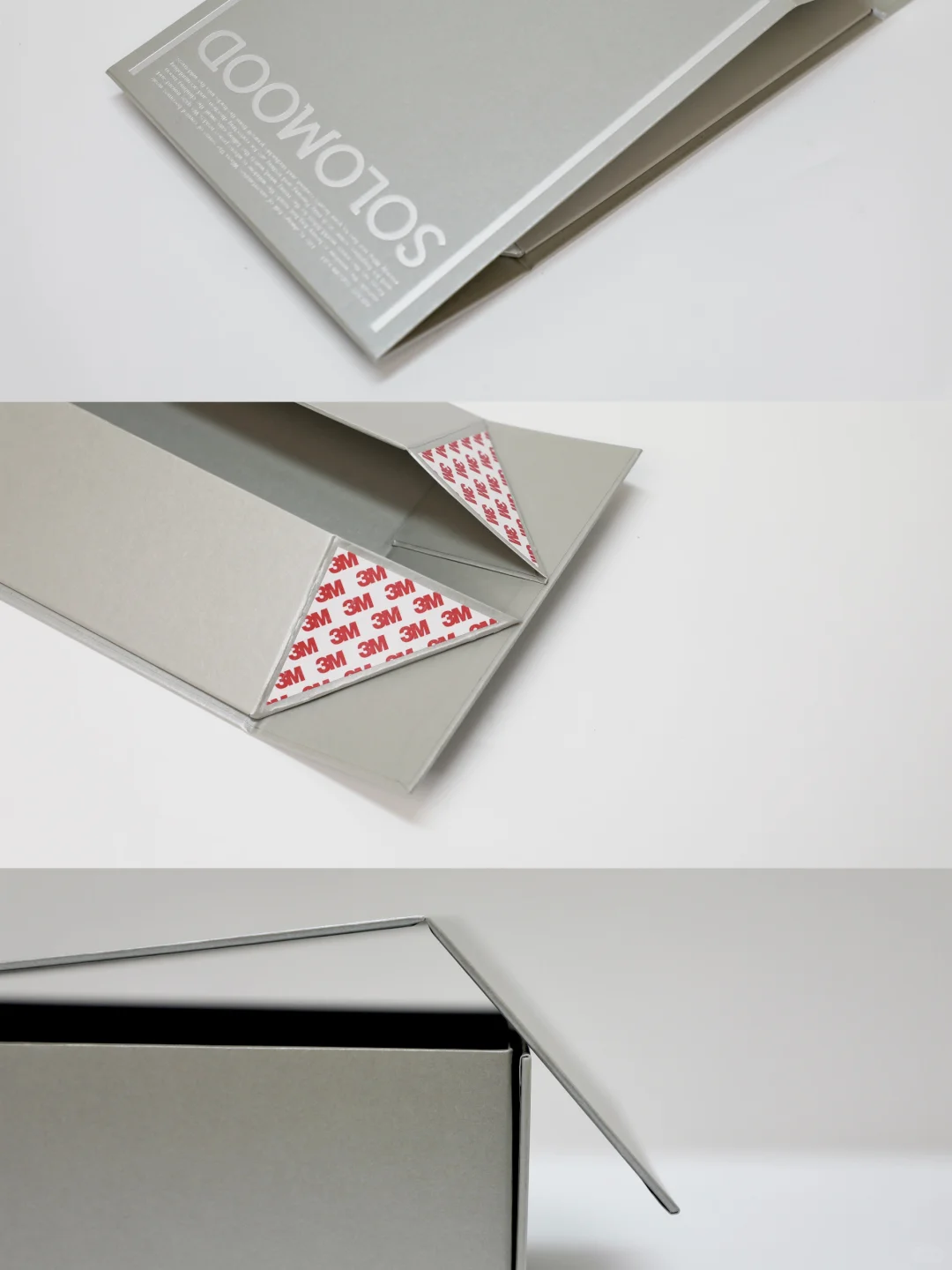
Record a traceable material source, range, grade, colour, surface, nominal GSM, required caliper and tolerance, direction and converting requirements. Where stiffness is an acceptance criterion, include method, direction, units and conditions. Numbers produced using different methods should not be ranked without checking comparability.
Link the specification to the approved sample version, bottle, insert, finish and structural file. For a proposed substitute, review the differences and decide which sample checks must be repeated. Separate confirmed specifications from supply limits and open questions in the quotation. The buying decision should describe a repeatable material and finished-box result, rather than a single grammage number.
Technical references: Holmen general technical information and creasing and folding guidance.