
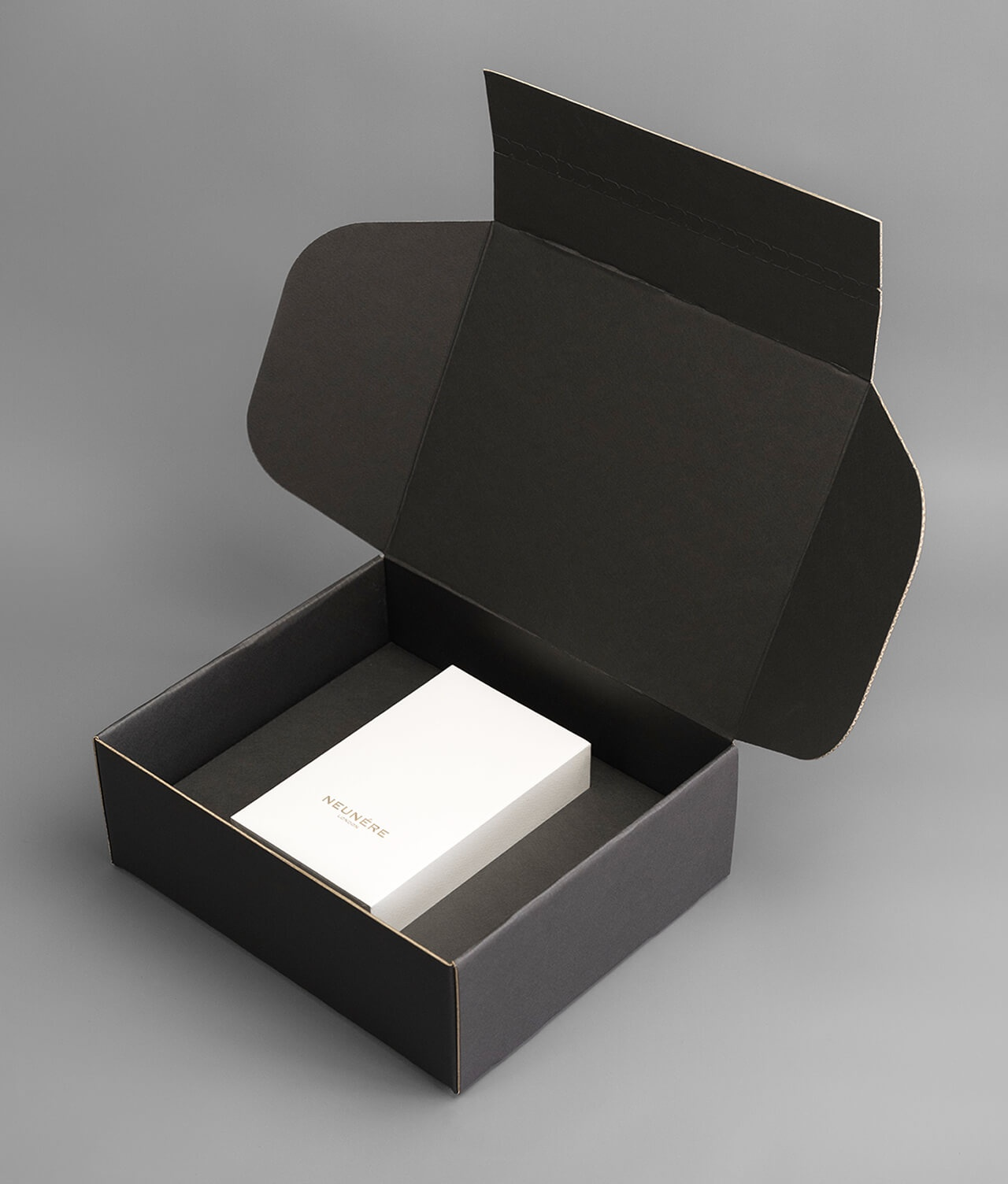
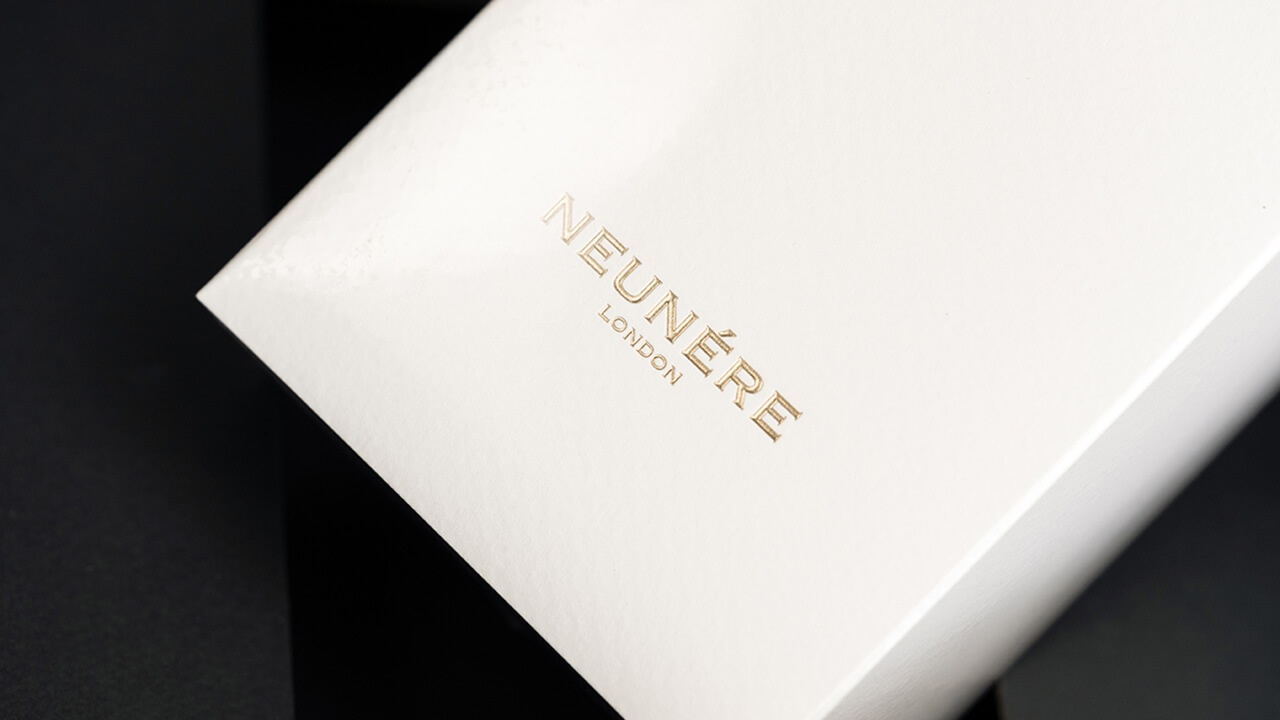
A white Neunére retail carton sits inside a larger black shipping enclosure. The visible layers illustrate separate roles; dimensions, restraint and transport suitability are not established by this photograph. Third-party reference; not a Bravo Package project.
A perfume retail box supports identification, presentation and opening. Shipping packaging needs a separate plan built around the complete dispatch configuration. A substantial-looking retail box, an intact outer carton or a familiar cushioning material does not, by itself, establish protection for the contents. Link the actual product, retail box, internal arrangement, surrounding cushioning, shipper and packing sequence in one controlled record, then assess the complete sample against clearly defined conditions.
Give retail and shipping packaging distinct roles

Identify the retail packaging the customer will encounter and the additional packaging actually used for dispatch. Artwork, opening and presentation need review, while the complete product and packaging combination for shipment requires its own assessment. Two paper-based boxes are not automatically interchangeable components.
Define the dispatch unit: one perfume box, several identical boxes, or a set with cards and other materials. Adding a gift or shopping bag also changes the packed configuration. This guide addresses planning and sample records. It does not establish universal protection from a material name, a box style or an individual delivery experience.
Create a product-to-shipper configuration record
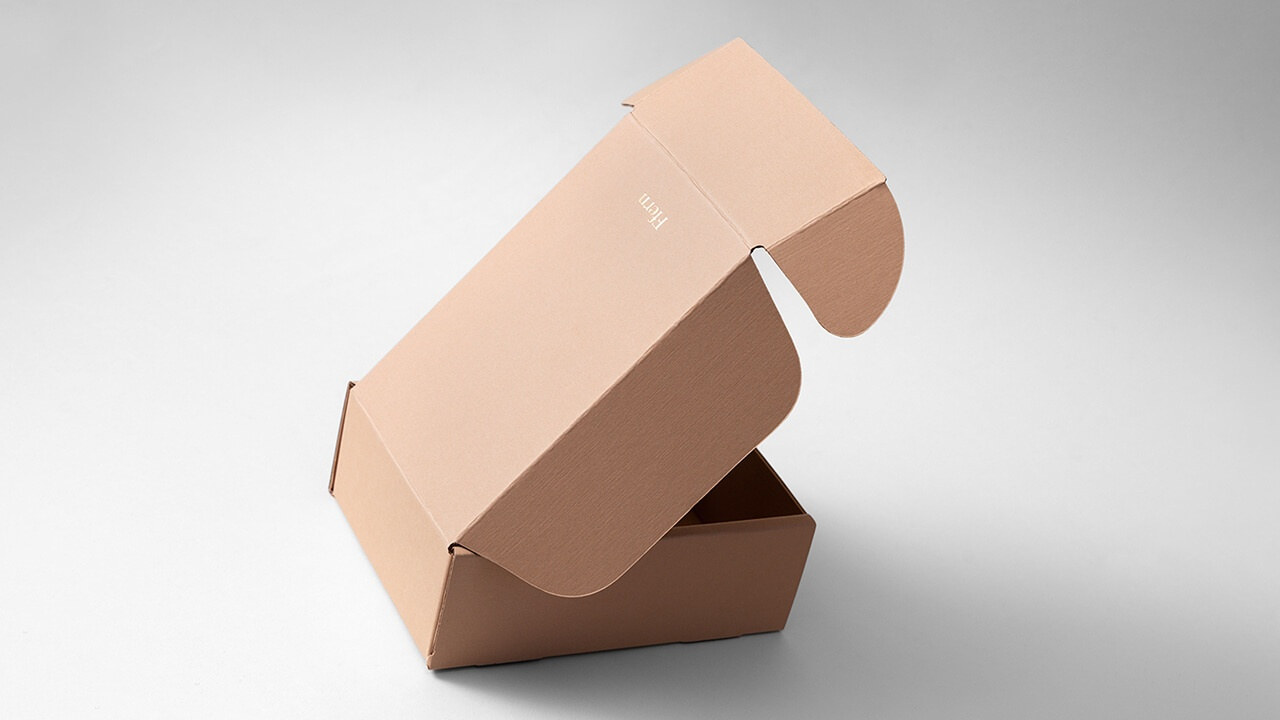
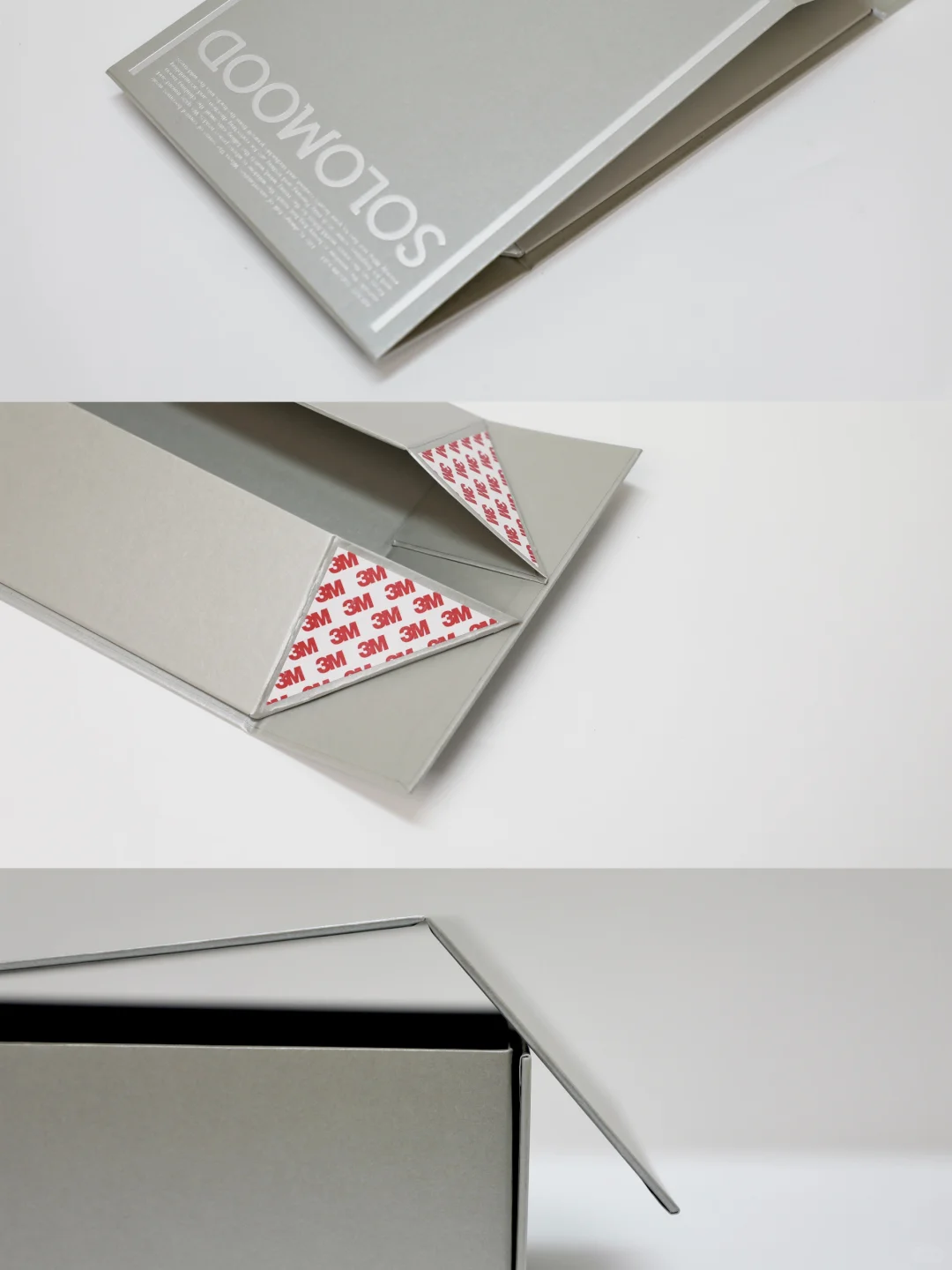
List the actual filled product in its specified closed state, its retail box and internal components, surrounding cushioning, shipper and closure materials. Link each item to its name, quantity, dimensions or specification, revision and position. Record the initial condition of the product so that later observations have a traceable starting point rather than combining evidence from different packaging versions.
A different capacity, cap or accessory is not covered merely by retaining an old carton number. Record cushioning substitutions and temporary additions too. Personal packing experiences may suggest questions, but they do not define a commercial configuration or justify unverified changes to the product’s own closure or seal.
Review arrangement, contact and the packing sequence
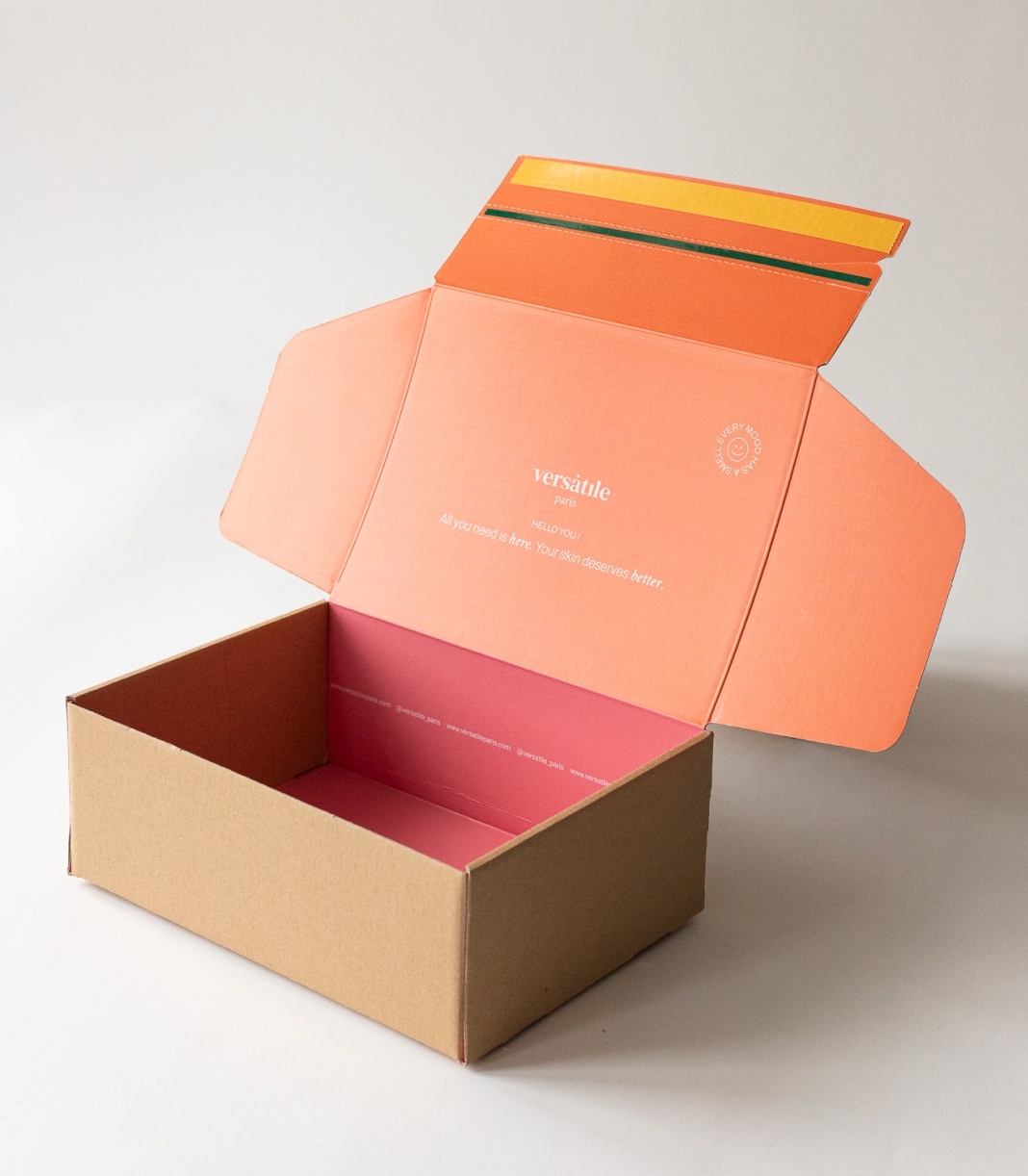
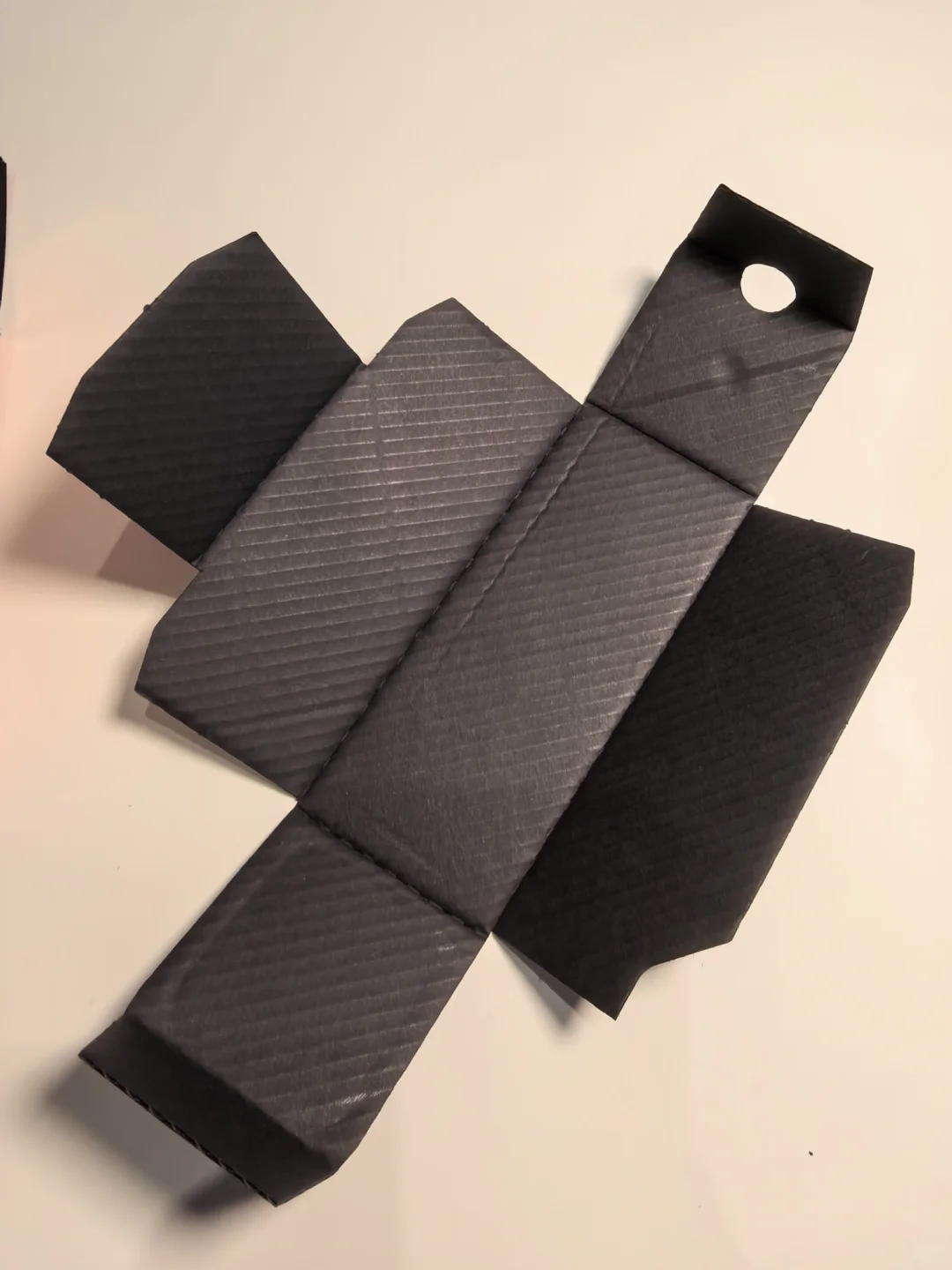
Trial-pack the real products step by step. Review the direction of retail boxes, contact locations, internal materials and remaining space. For multiple units, check each unit’s orientation and separation. Record the sequence so that another operator can reproduce the same assembly instead of improvising additional materials.
Confirm quantity, layout and shipper together. Where a larger loading unit is relevant, retain that arrangement as well. Do not derive perfume suitability from a universal layer count, fixed spacing or another product category. A drawing or empty carton can answer some questions, but neither replaces the fully packed sample.
Define the assessment before interpreting results

State the intended handling and dispatch conditions, sample state, assessment items and responsibility for acceptance. The relevant project parties should define an appropriate verification method before interpreting results. An informal action performed once is not a basis for declaring suitability. Keep the assessed conditions linked to the product and packaging revisions, and record what remains outside the scope.
A retail presentation sample, a trial-packed sample and a sample assessed under defined conditions support different conclusions. A normal-looking shipper does not automatically establish the condition of the inner box, bottle, accessories or product. No universal perfume test parameters or carrier eligibility conclusions are supplied here.
Inspect the outside and contents when unpacking
Photograph the shipper, the internal arrangement after opening, the retail box and the product in sequence. Record the locations of visible dents, movement, scuffing or other observations. Preserve the condition of unaffected components too; isolated close-ups may not show how the shipment was packed. Refer liquid or product issues to the responsible parties for investigation rather than assigning a cause to one cushioning material.
Delivery feedback begins an investigation and needs the configuration, starting condition and actual circumstances. One intact arrival does not establish suitability everywhere, and one damaged arrival does not identify a failure mechanism. Keep comparison records consistent so that product or packing differences are not mistaken for material differences.
Approve the complete configuration and control changes
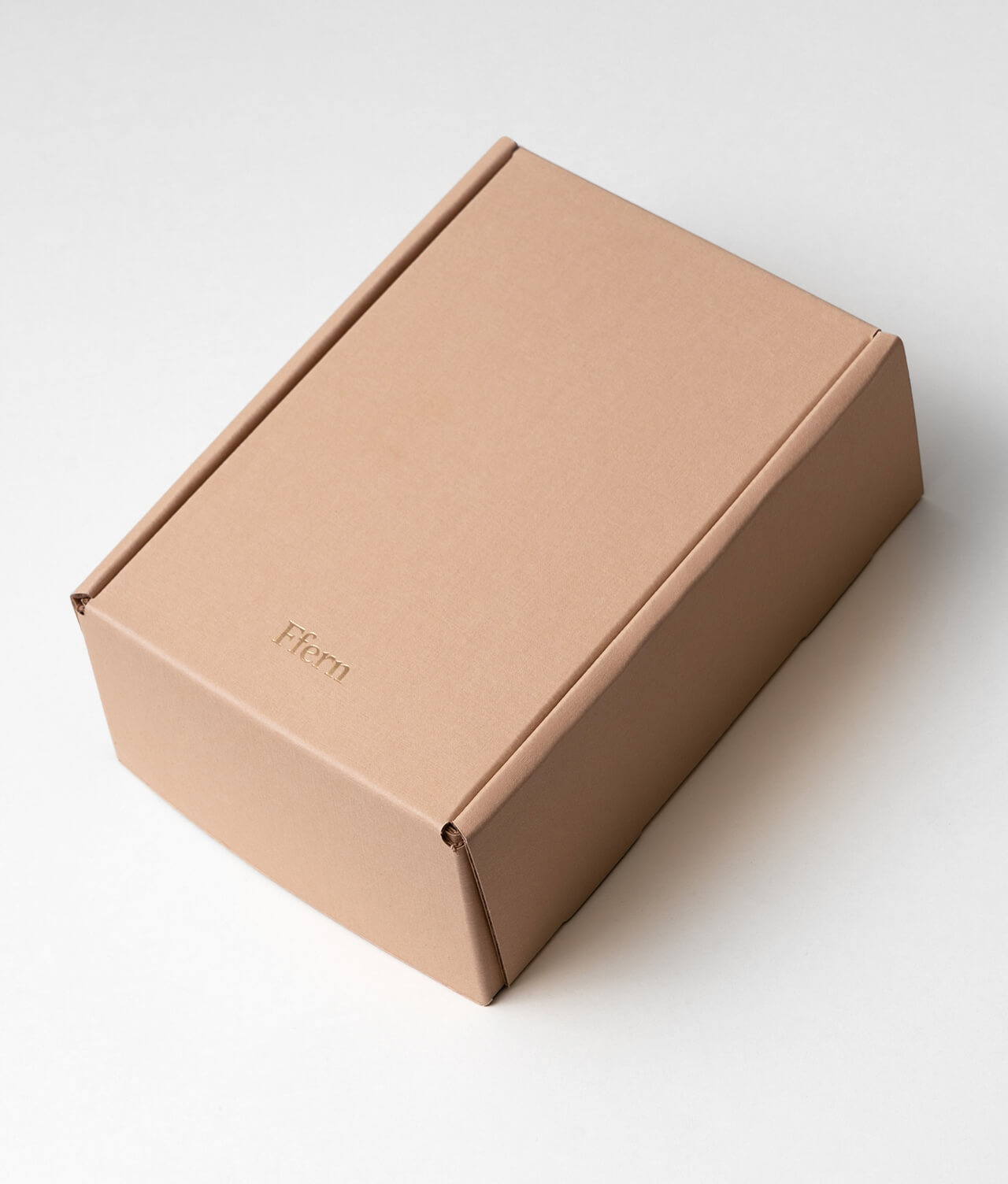
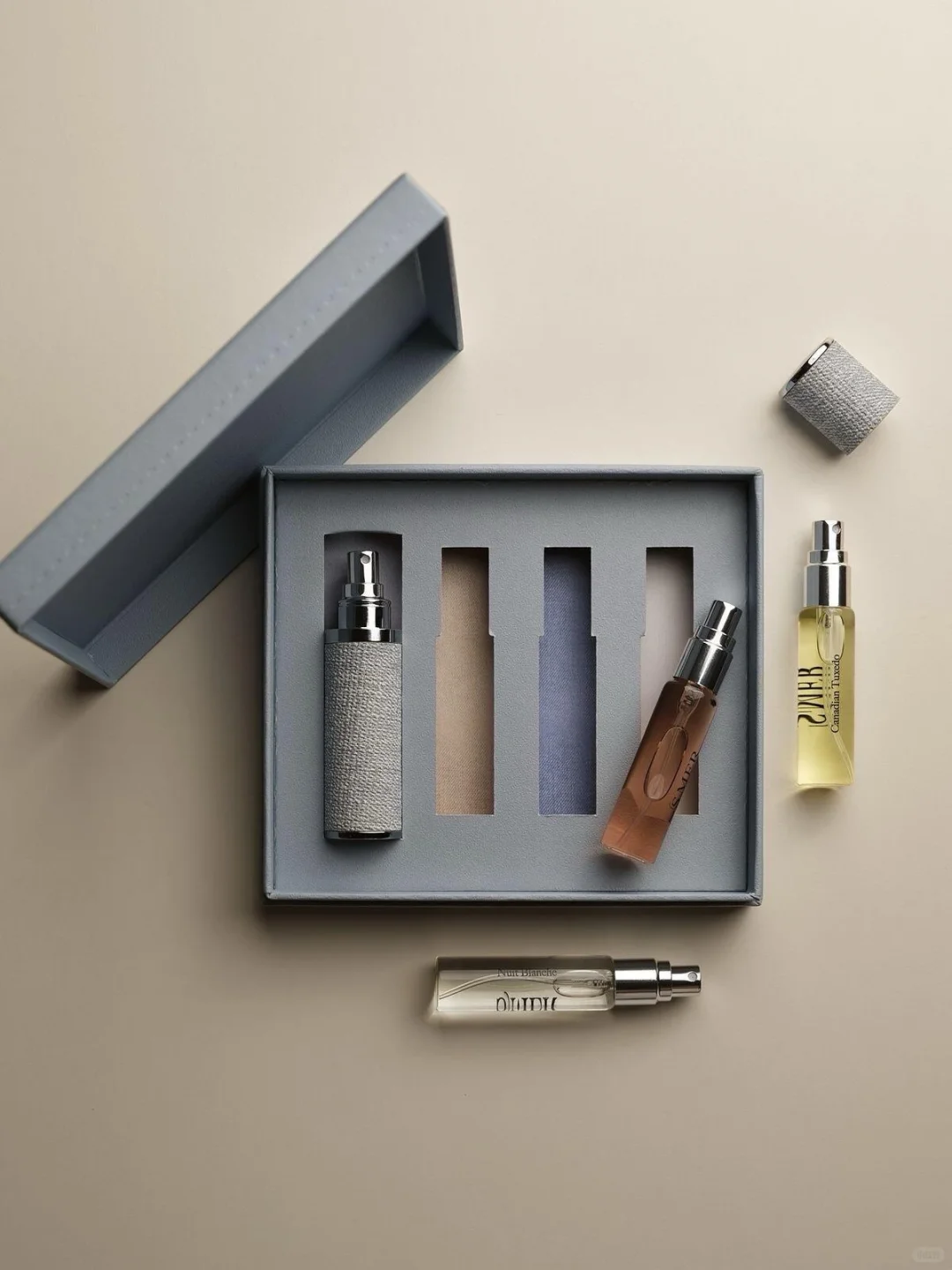
Archive the product list, retail and internal components, surrounding cushioning, shipper, layout, packing instructions, sample records and approval scope. Turn the accepted combination into an executable revision rather than retaining only a purchasing name for the carton. Everyone involved should be able to identify the current material set.
When the product, box, quantity, cushioning or closure changes, assess the affected configuration and verification scope before deciding what needs review again. An appearance upgrade does not establish improved protection, and acceptance of an earlier configuration does not cover every substitution. The aim is a clear handover between retail presentation and the dispatch plan.