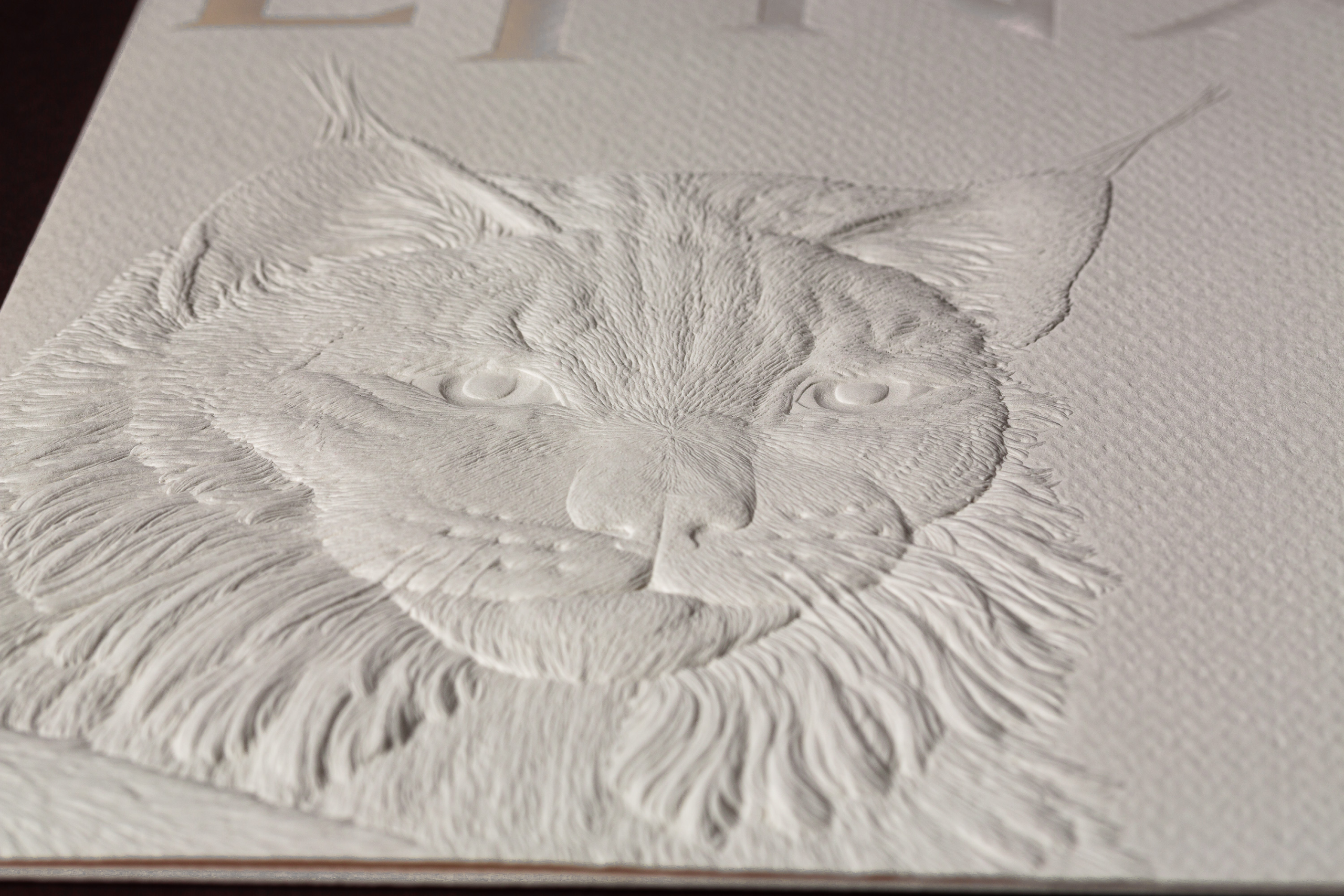
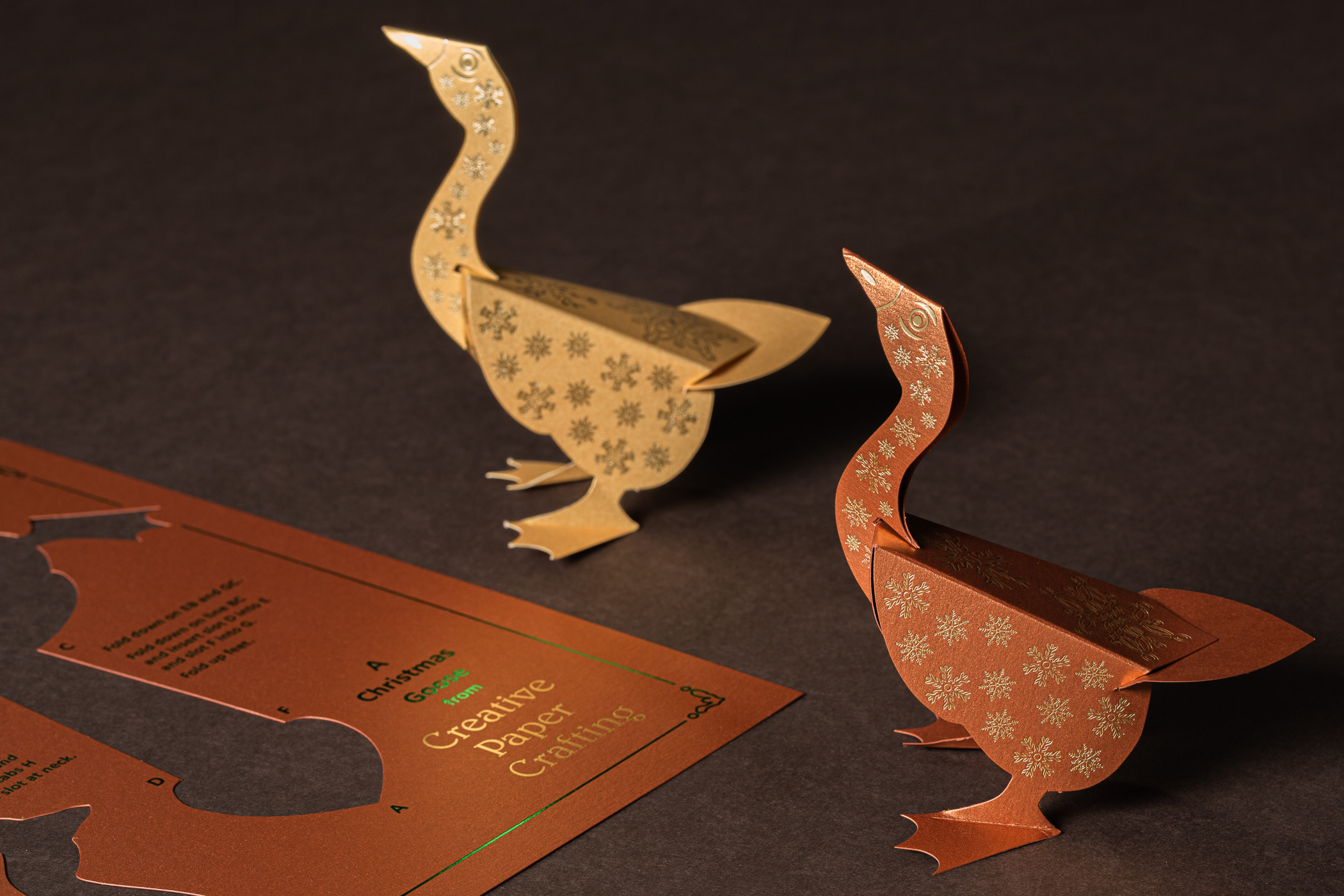
Creative Paper Craft identifies a sculpted emboss and pearl foil on laid cover for this folder. This is a paper-finishing reference, not a perfume-box test. Third-party reference; not a Bravo Package project.
PERFUME PACKAGING · RELIEF AND TEXTURE
Choose the role of the relief
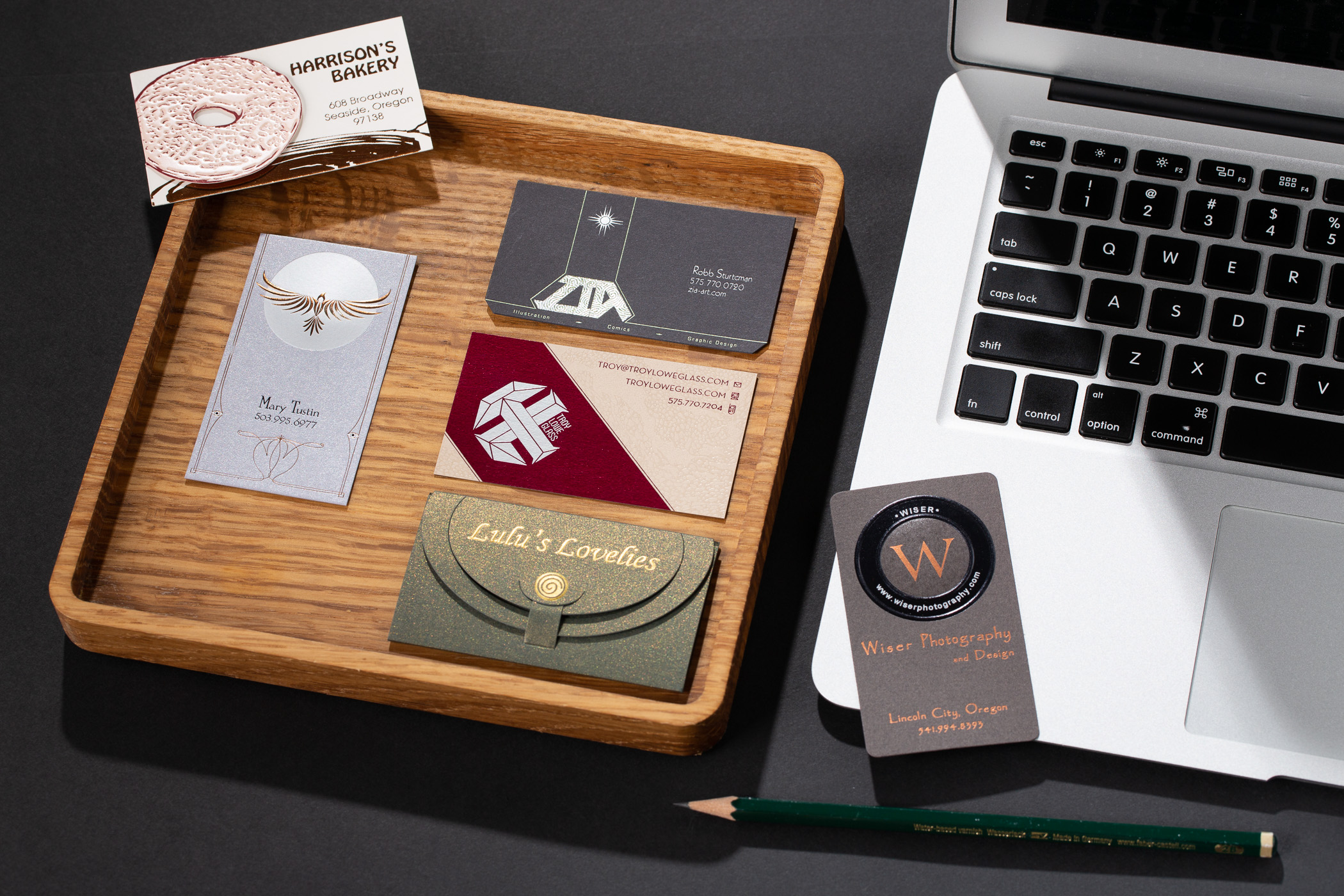
Relief can emphasise the main mark on a perfume box or turn a botanical pattern into an area to explore by touch. Decide its role and location before requesting “premium embossing”. Specify whether the image should rise or indent, where it appears and which information must be immediately readable.
The brand mark, fragrance name, volume and other necessary information need not share one treatment. A restrained blind mark should not make the fragrances difficult to distinguish. Consider a relief mark alongside separately printed information when both touch and dependable reading matter. Judge the formed sample rather than approving a flattering side-lit photograph.
Name the direction and pattern
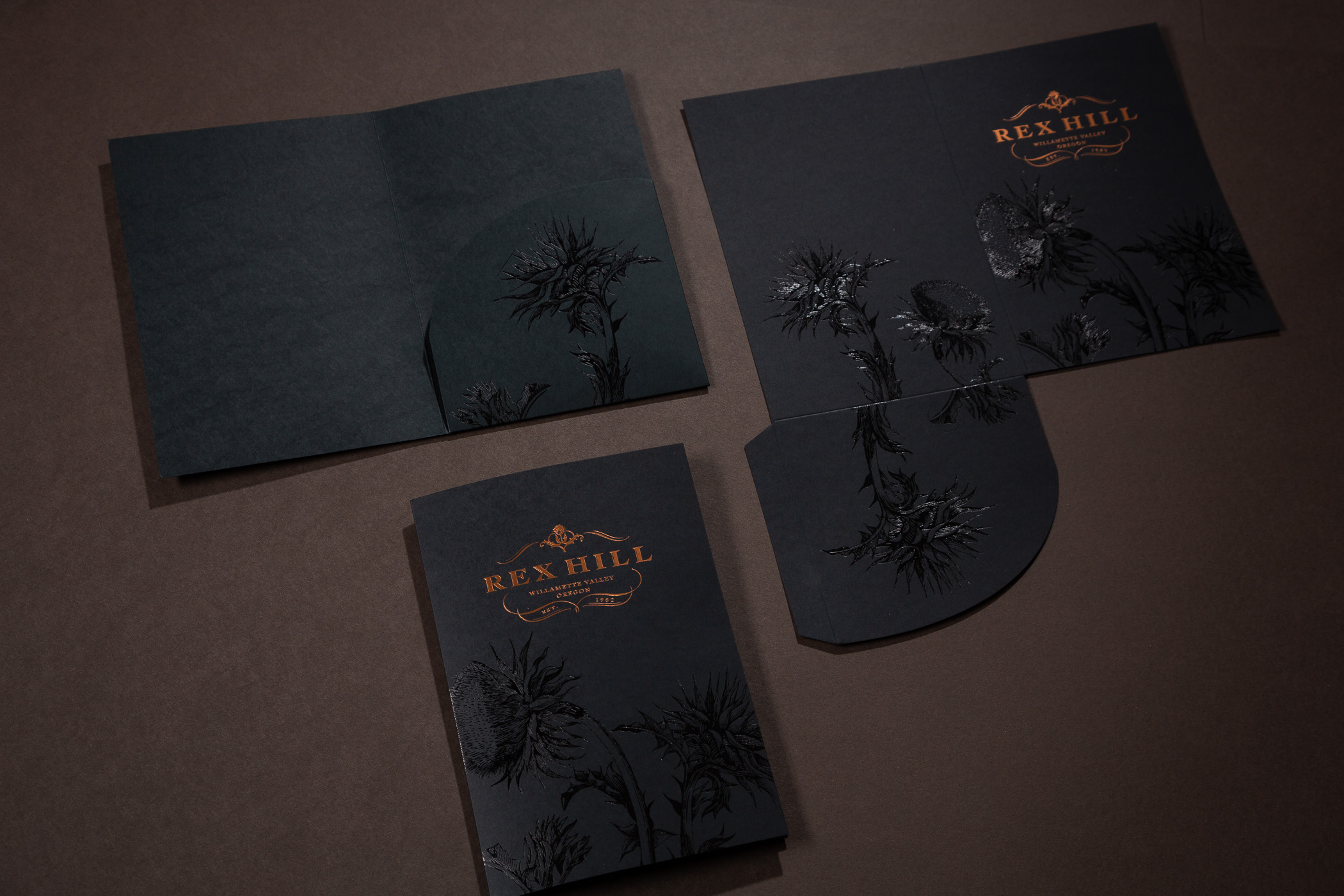
Embossing produces a raised image; debossing produces an indented one. “Blind” describes relief without added printed colour or foil decoration, rather than a third direction. Specify an overall repeating texture separately from a local logo. Because suppliers may use “embossed texture” differently, provide a labelled image and a written description.
Mark raised and recessed areas individually if both occur in one design. Relief can be combined with print or foil, but a combined appearance does not establish how many production operations are needed. Describe the intended result and have the supplier confirm the method and sequence.
Prove the paper and artwork together
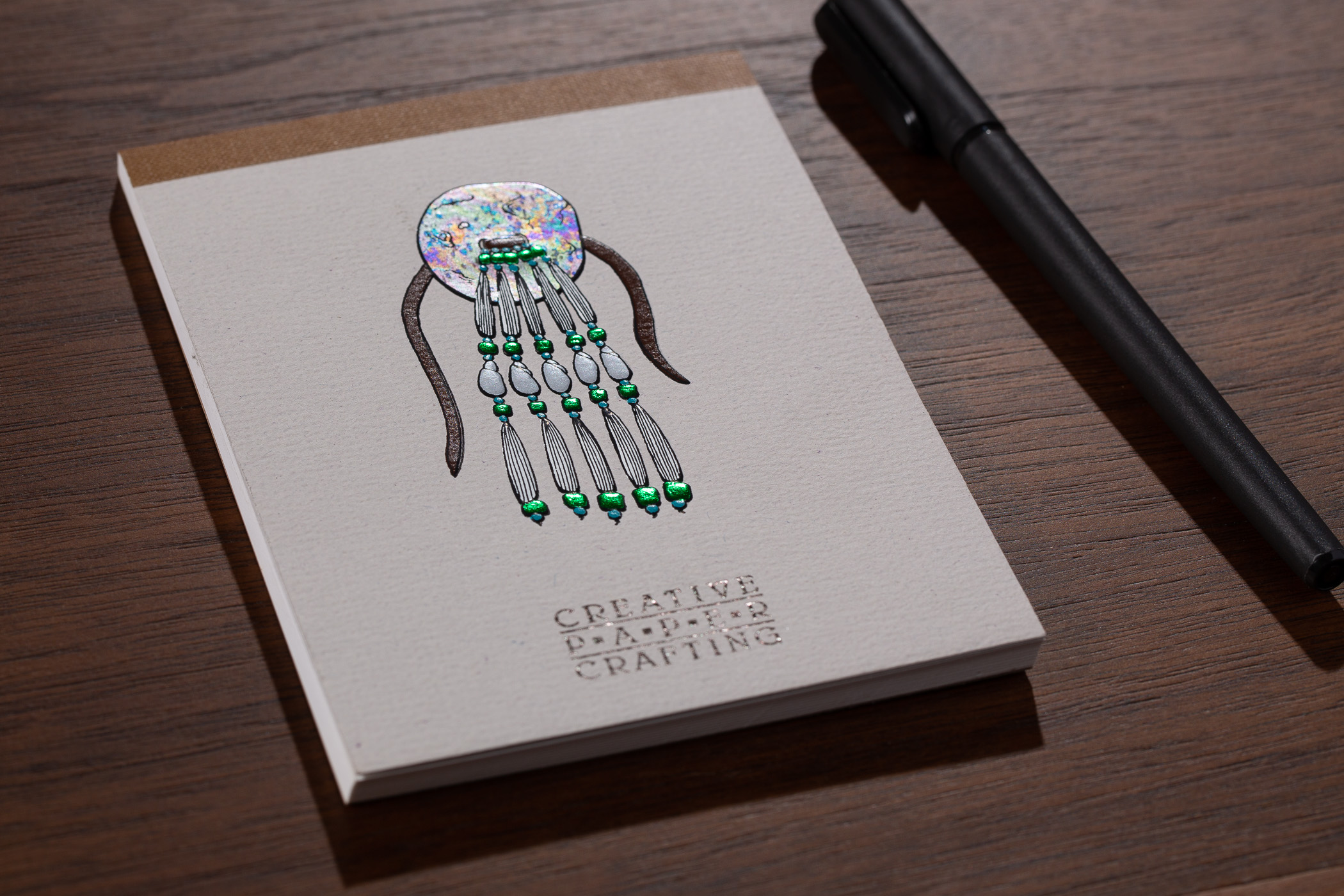
A minimum GSM from another project cannot approve yours. Treat paper grade, thickness, surface, artwork and tooling as a combination. Give the supplier the candidate stock and proof the real logo, small wording, fine rules, neighbouring shapes and intended larger areas. Matching GSM does not make a substitute paper equivalent.
Do not maximise depth as a goal in itself. Inspect outlines, open letter counters, separation between details and unwanted surface damage. Changes to the logo or typeface need design approval; thickening a mark to make relief more obvious is an artwork change, not a routine production adjustment.
Review visibility and registration
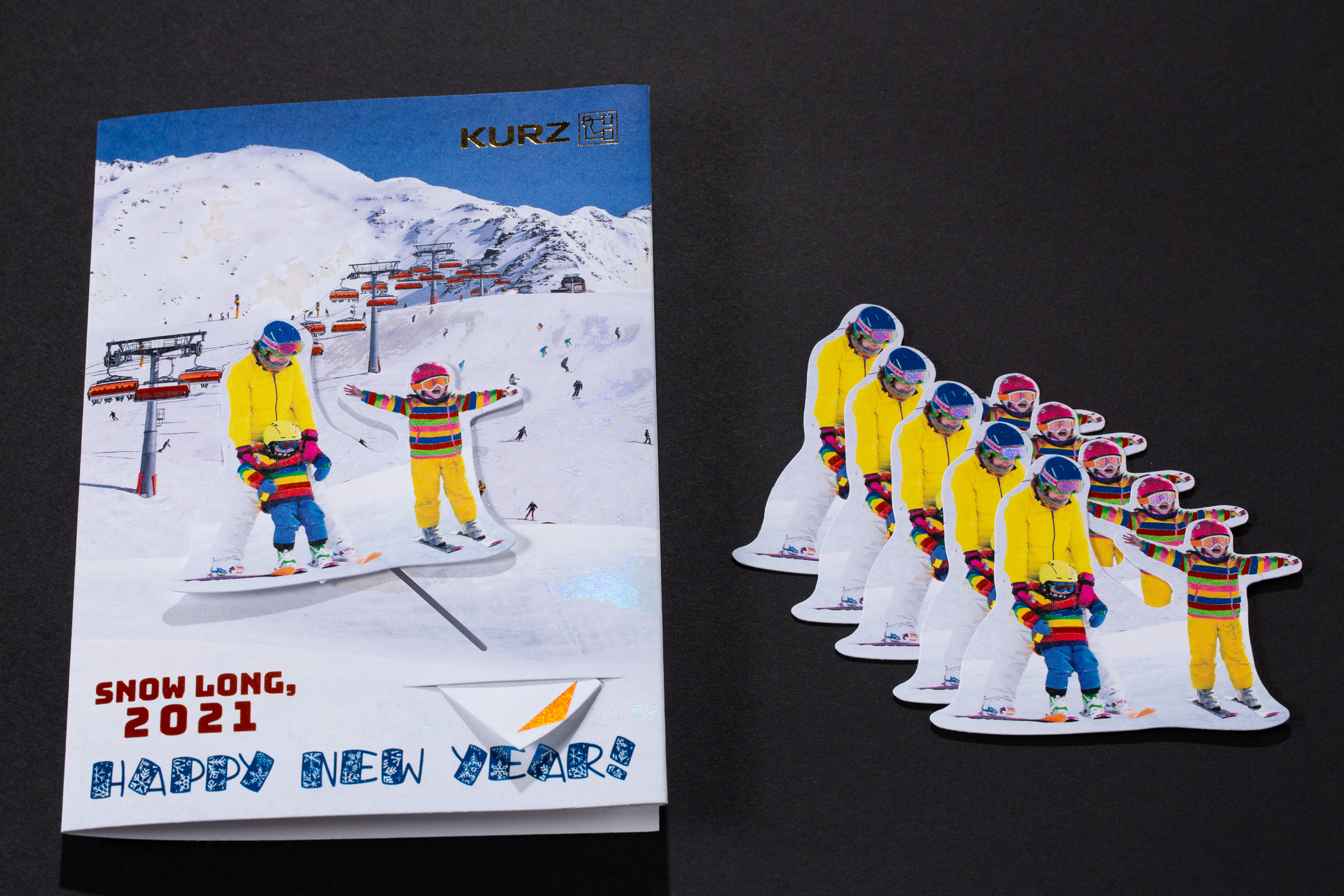
View the sample flat, lifted and turned in lighting relevant to its use. Check whether blind wording remains identifiable and fragrance versions remain distinguishable. Feel the intended relief rather than inferring it from a photo. If necessary information is visible only at one special angle, reconsider its contrast, position or printed treatment.
Where relief meets foil or print, review their boundaries and relative positions together. A separate foil swatch or undecorated structural sample cannot approve the final alignment. Keep an identifiable accepted sample instead of using “some texture” as the approval criterion.
Inspect the reverse and formed pack
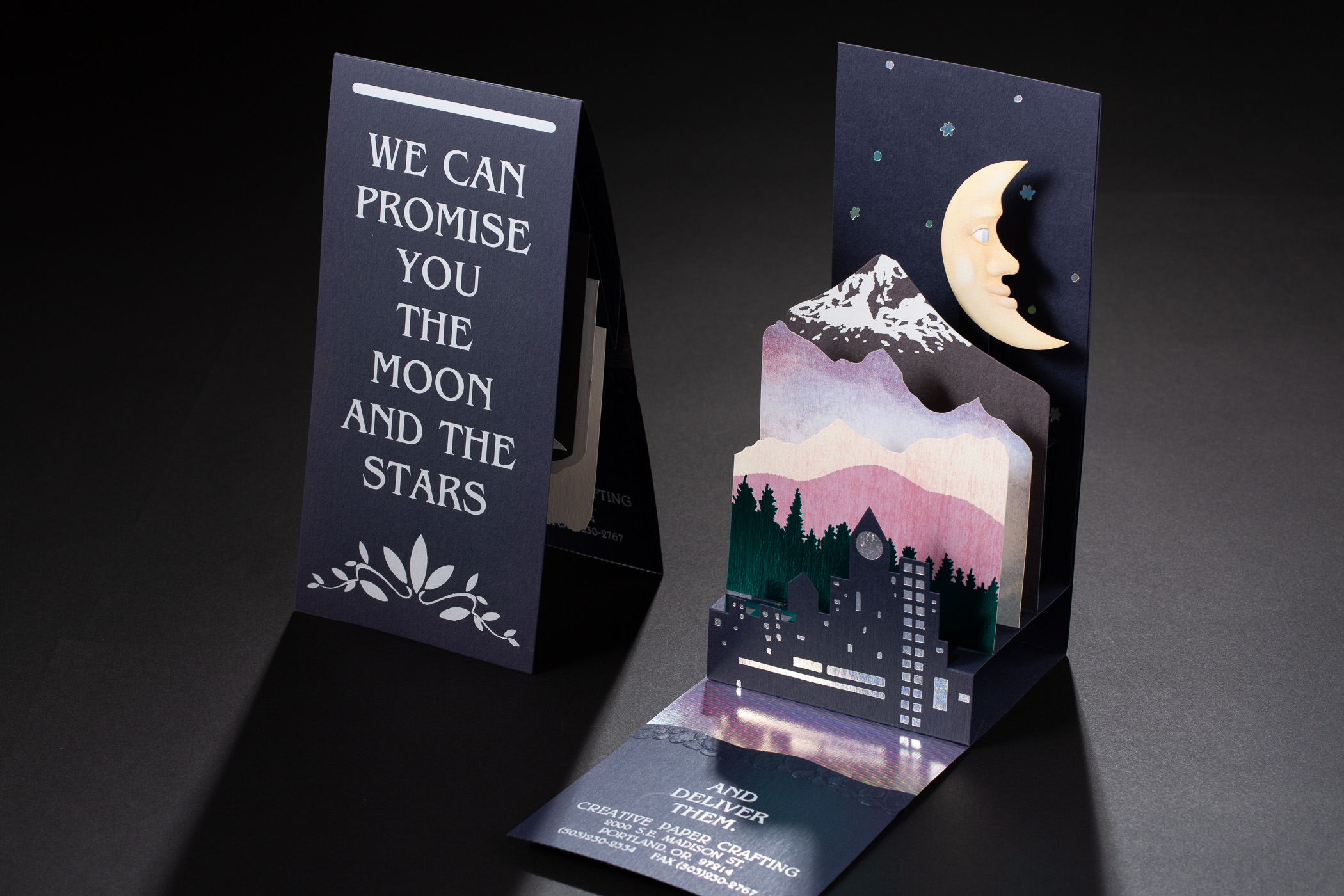
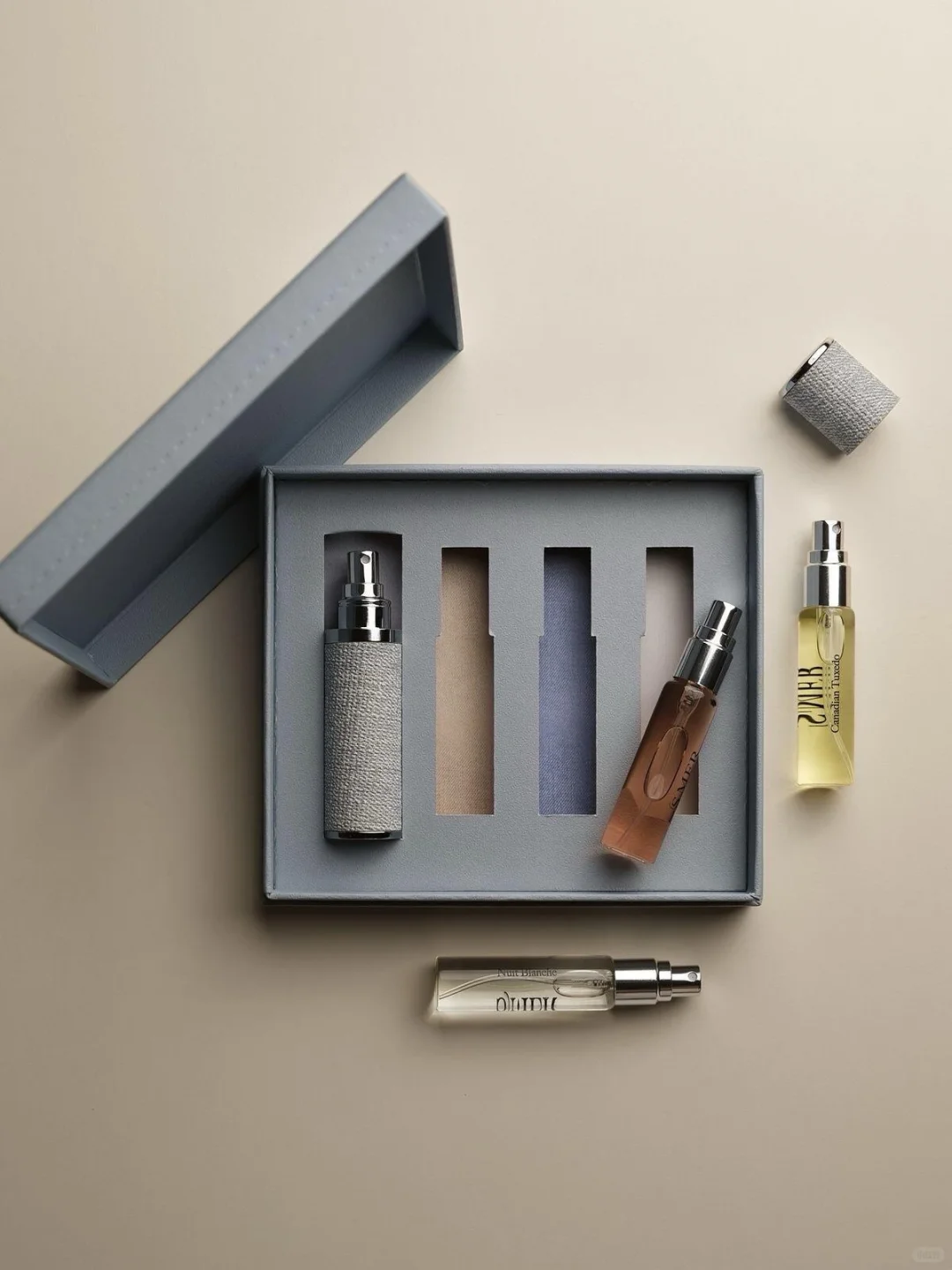
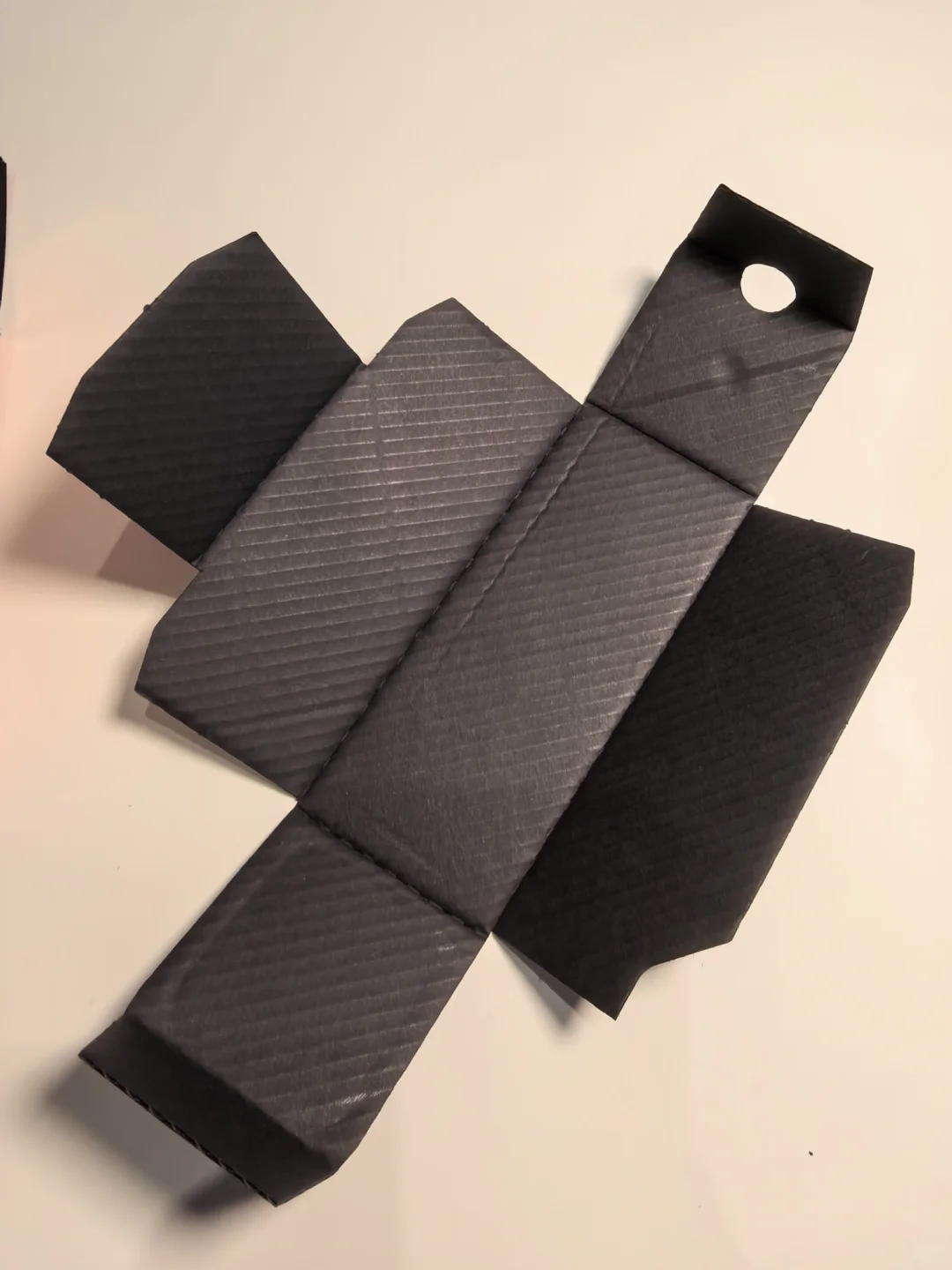
Inspect the reverse, especially where a folding carton has interior text or graphics. For a wrapped rigid box, inspect the assembled result rather than assuming the reverse impression will either remain visible or disappear. Check the relief against folds, wrapped edges, joints, closures and insert contacts.
Review appearance after the intended assembly, stacking, sleeving and outer packing. Record the affected area and sample conditions if relief becomes less clear or interferes with folding. A specialty-paper or deep-debossing label cannot establish whole-pack performance or environmental claims.
Align artwork, tooling and approval
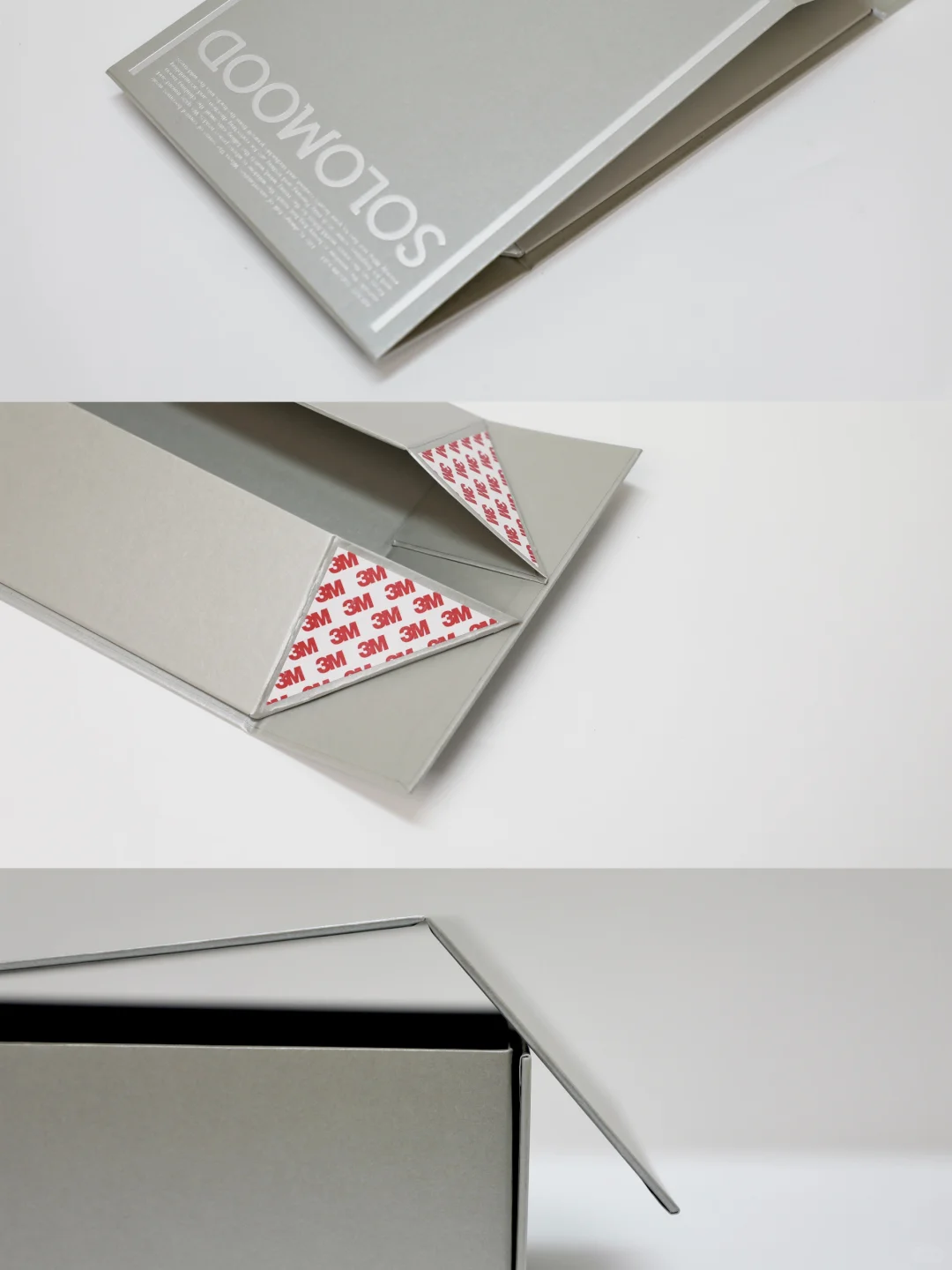
Provide box dimensions, quantity, paper and relief areas when requesting a quotation. Compare blind relief and combinations with printed colour or foil as defined alternatives. Ask for tooling, setup, allowances, sampling and revision charges separately. Another project’s MOQ or relief depth is not a commitment for this order.
Follow the supplier’s file requirements for the relief layer, direction, alignment and final dieline. Keep artwork, materials, tooling reference and converted approval sample under identifiable versions. On reorders, confirm the effect of changes to paper, scale, position or decoration before production.
Technical context: Holmen embossing and debossing guidance. Confirm the actual board, artwork and tooling combination with the supplier.