
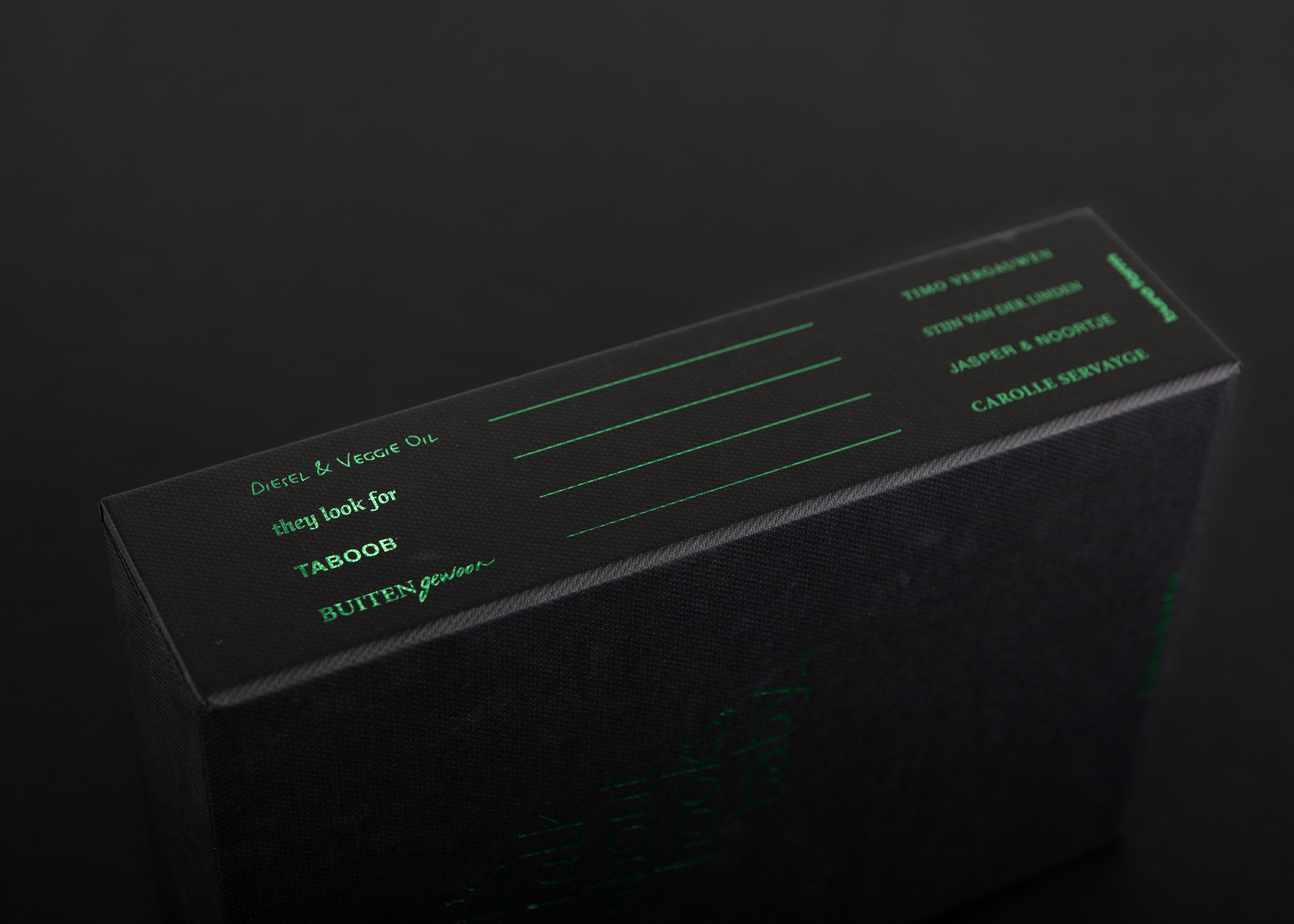
Tina De Souter specifies Imitlin Aida Nero for this book-box wrap and metallic green hot foil for its titles. Inspect the actual-size lettering and fine rules on your own proposed paper and process. Third-party reference; not a Bravo Package project.
PERFUME PACKAGING · PAPER AND BOARD
A textured paper can give a perfume pack a distinctive surface, but an attractive swatch does not establish readable artwork. Review the paper with the final-size brand name, product information and logo before approving the finished box.
Identify the paper and its role
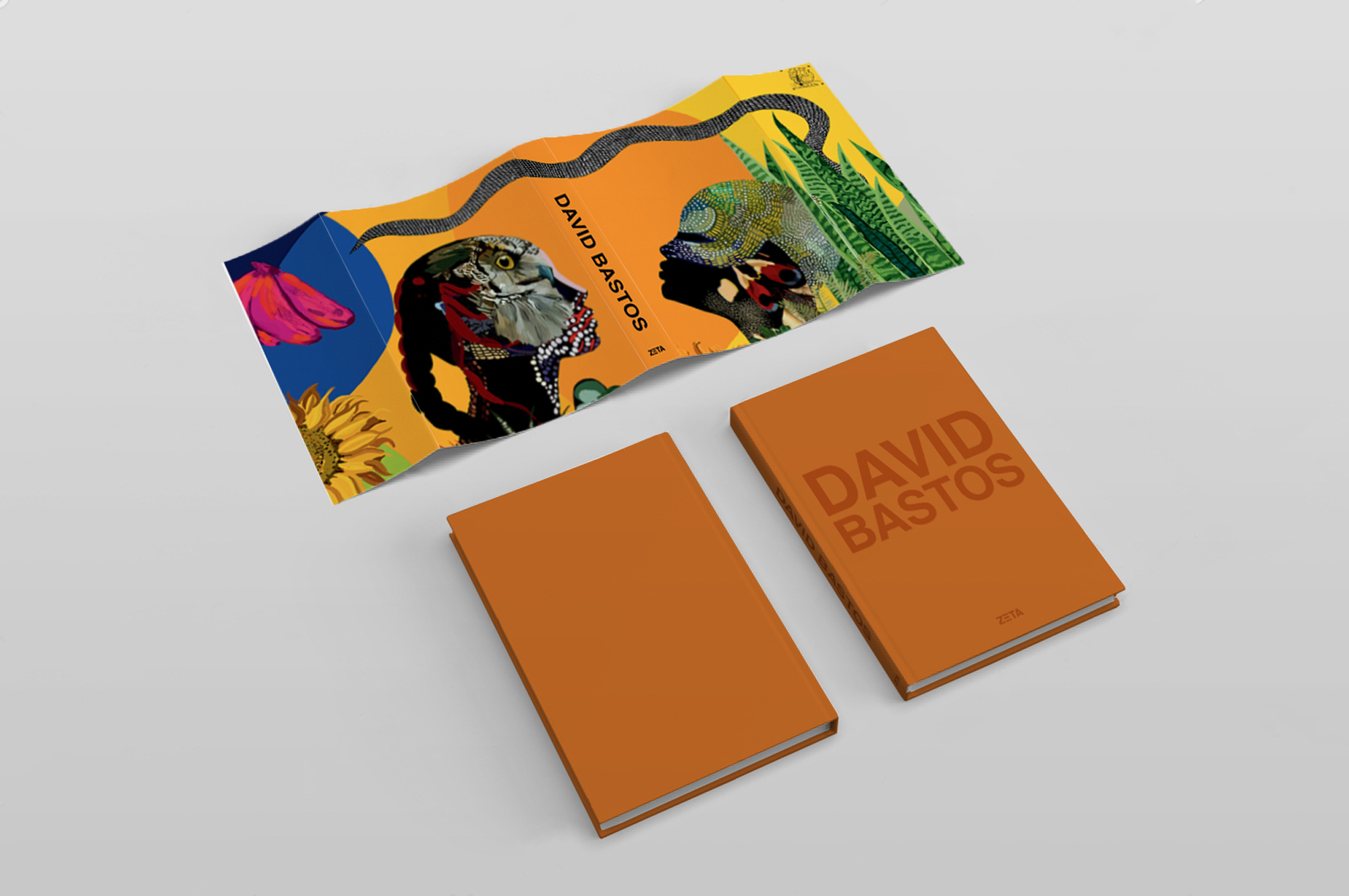
Record the mill, range, grade, shade, GSM, caliper and intended face. Retain an identifiable swatch. A rigid-box wrap, folding carton and information card have different roles; similar texture does not make their specifications interchangeable.
If the surface pattern has a direction, show it on the artwork layout and converted sample. Surface-pattern direction and paper grain are separate properties to confirm. Review the face, sides, joints and turns rather than approving only a flat swatch.
Check small text at its actual size
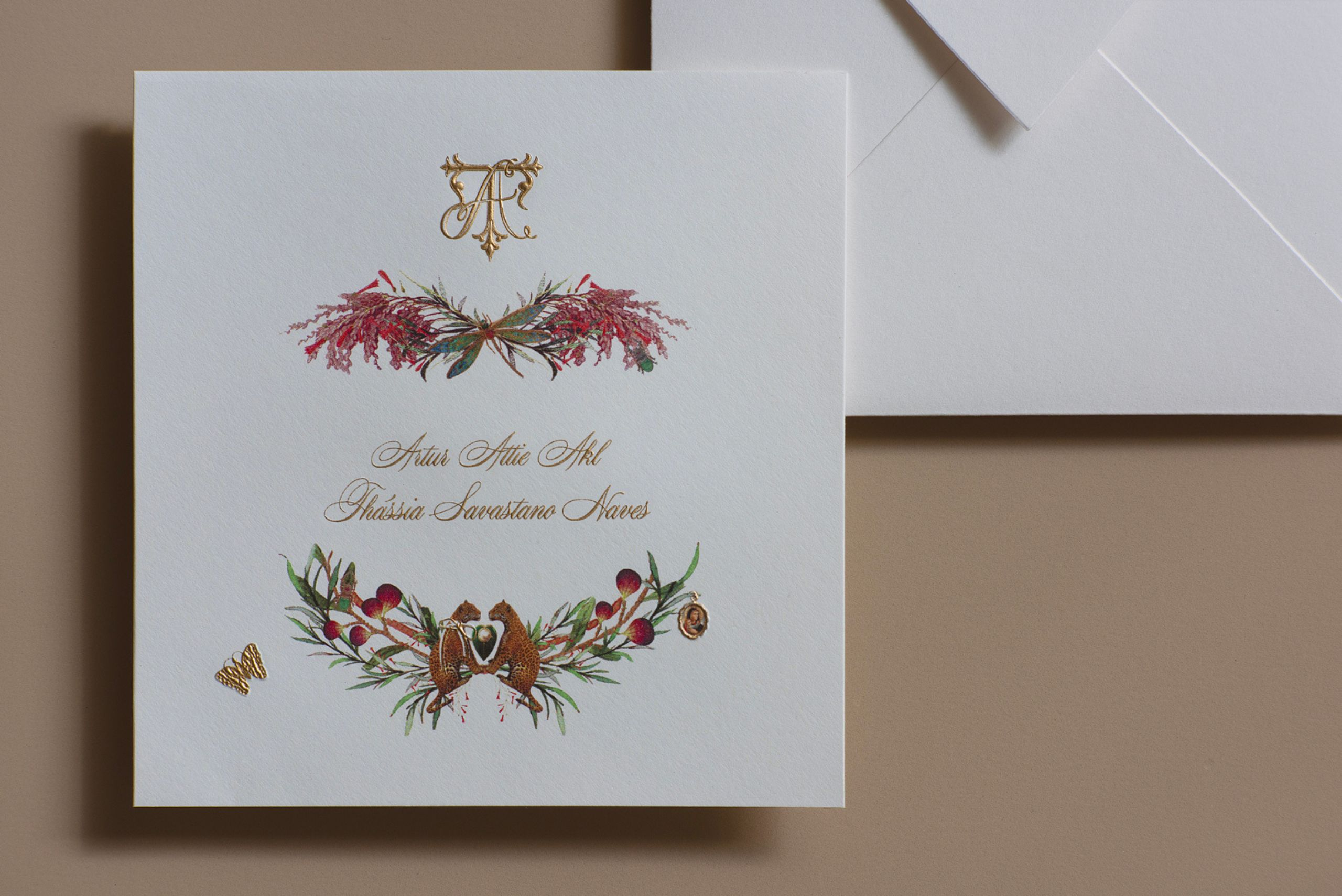
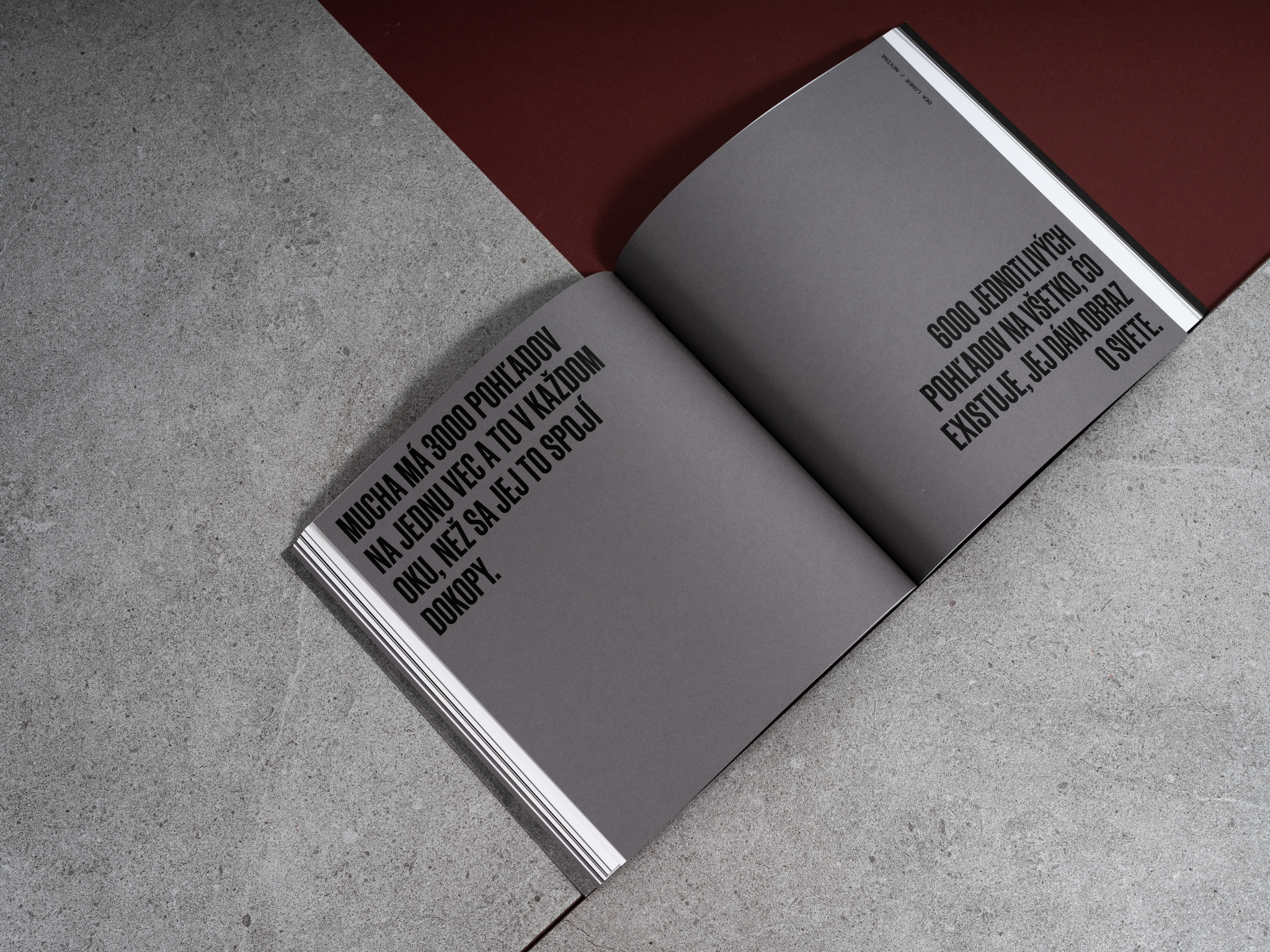
Put the brand name, fragrance name, volume, required information and finest strokes into the proposed print sample. First check normal reading, then inspect gaps, counters, edges and ink coverage more closely. Enlarged screen artwork cannot approve finished-pack legibility.
Point size alone is insufficient. Compare weight, stroke shape, spacing, background and printing route together. Ask the designer for revised size, weight or positioning where needed, then validate the alternatives with the converter. Establish acceptable minimum detail for the particular combination rather than borrowing a universal number.
Proof reversed text and multicolour backgrounds separately
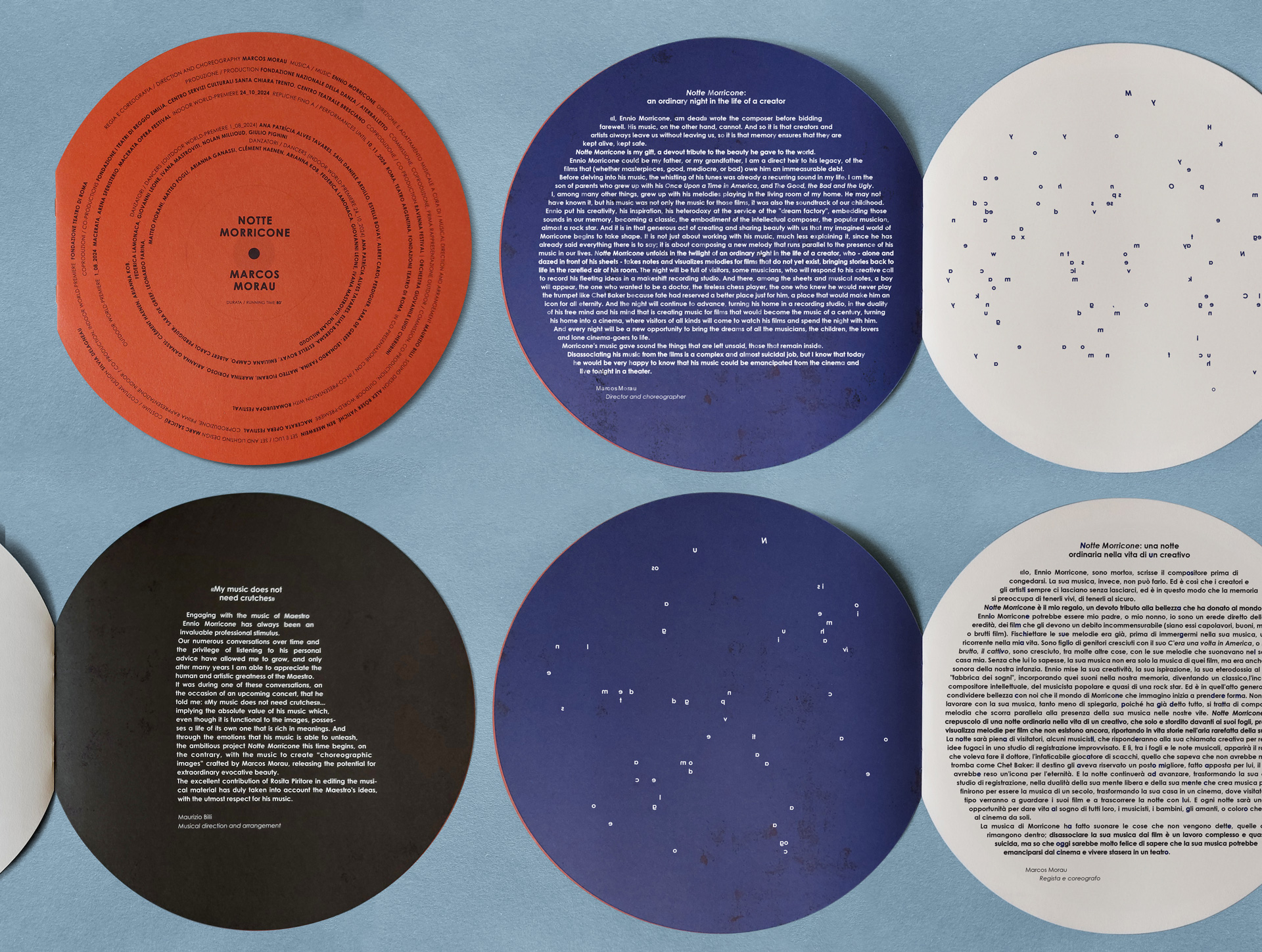
Check pale reversed lettering and fine lines separately from dark text. Identify the background colours and processes, then inspect boundaries, small openings and registration. A problem may involve the file or output conditions as well as the paper texture.
Agree font handling, separations and output requirements during prepress. Do not apply one overprint setting or ink recipe to every stock. A change in paper, background or process requires reconsideration of the approved small-text sample.
Test the logo in its intended application

Output the complete logo at its actual box size. Inspect fine outlines, narrow openings, corners and decorative details. Where necessary, obtain the brand designer's approval for a small-format or single-colour version, with its permitted uses recorded. Production convenience does not authorise an unapproved logo change.
Foil stamping, debossing and ink printing are different routes. Compare the actual logo on the proposed grade using the final process, including combined operations. Check coverage, edges, relief and recognition. A shiny photograph cannot establish fine-detail reproduction on another paper or guarantee production consistency.
Give essential information a suitable carrier

If the texture is central to the design but dense information is difficult to read, compare a smooth label, separate card, sleeve or revised layout. Specify the material, dimensions, process, adhesion, positioning and opening implications for each option. Compare complete processing and assembly costs.
Approve decorative lettering and essential information separately. Test barcodes and QR codes on their final carrier in the finished pack. A visible pattern does not establish reliable scanning. The desired surface feel should not silently override information requirements.
Keep traceable approval samples
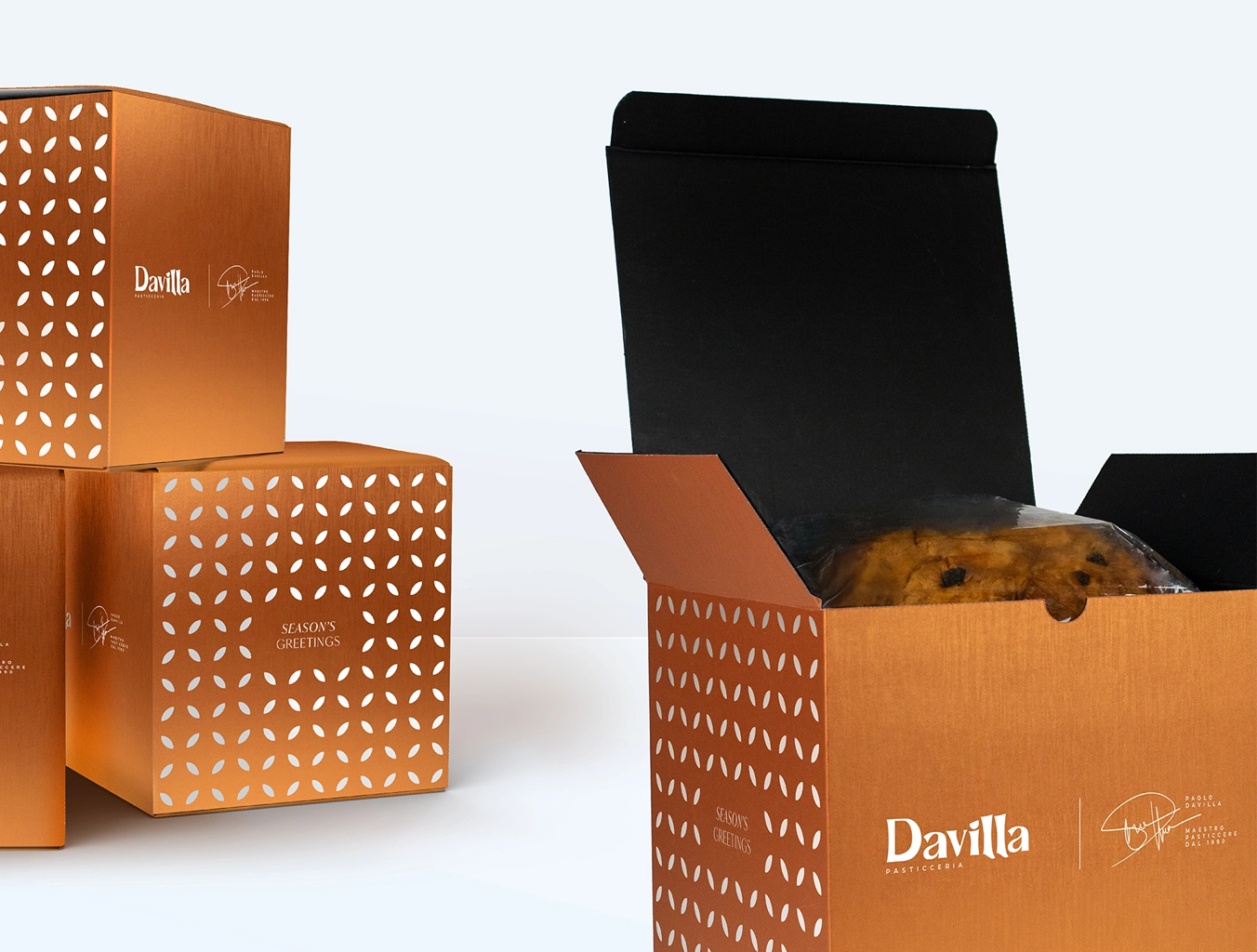
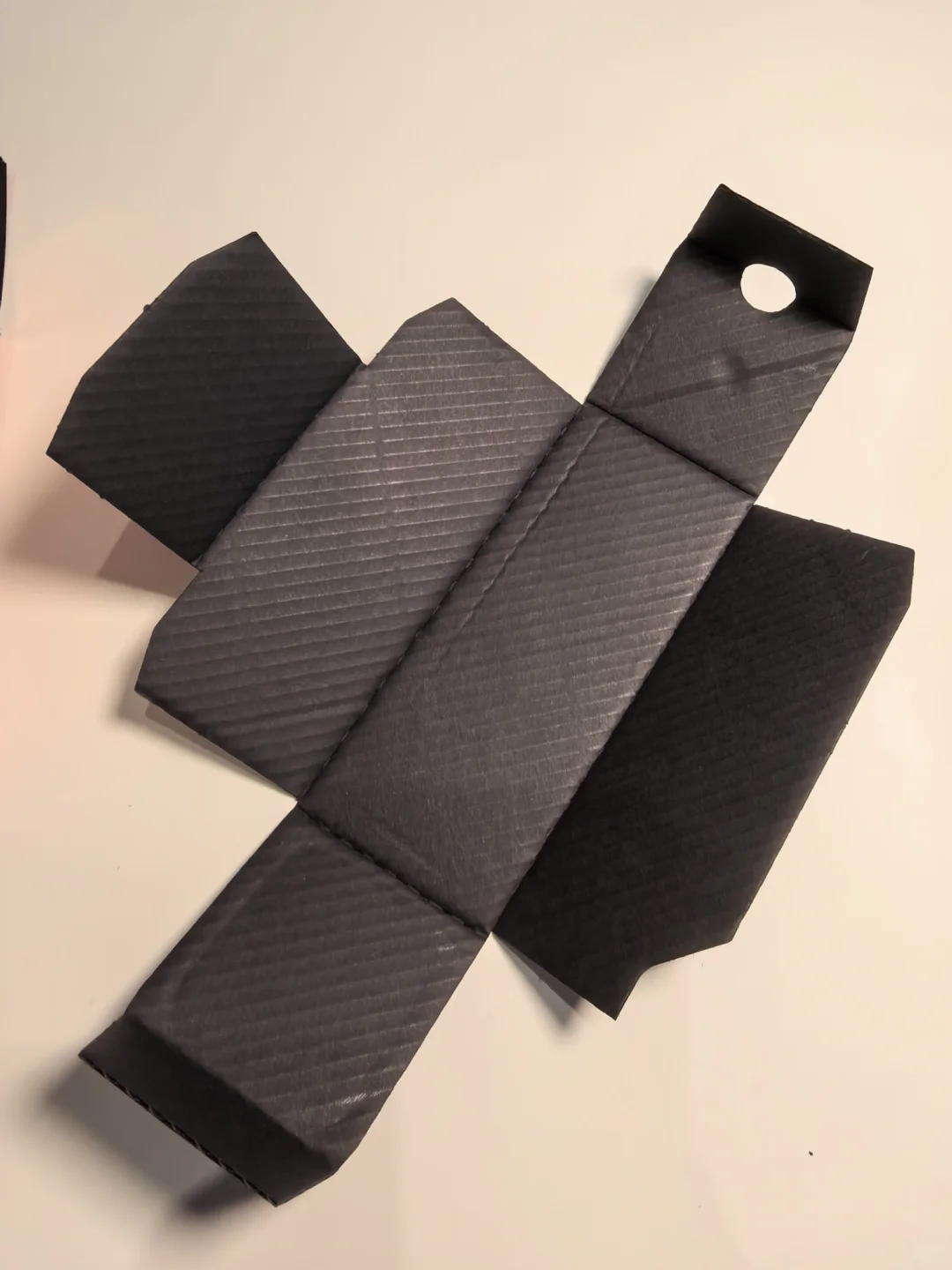
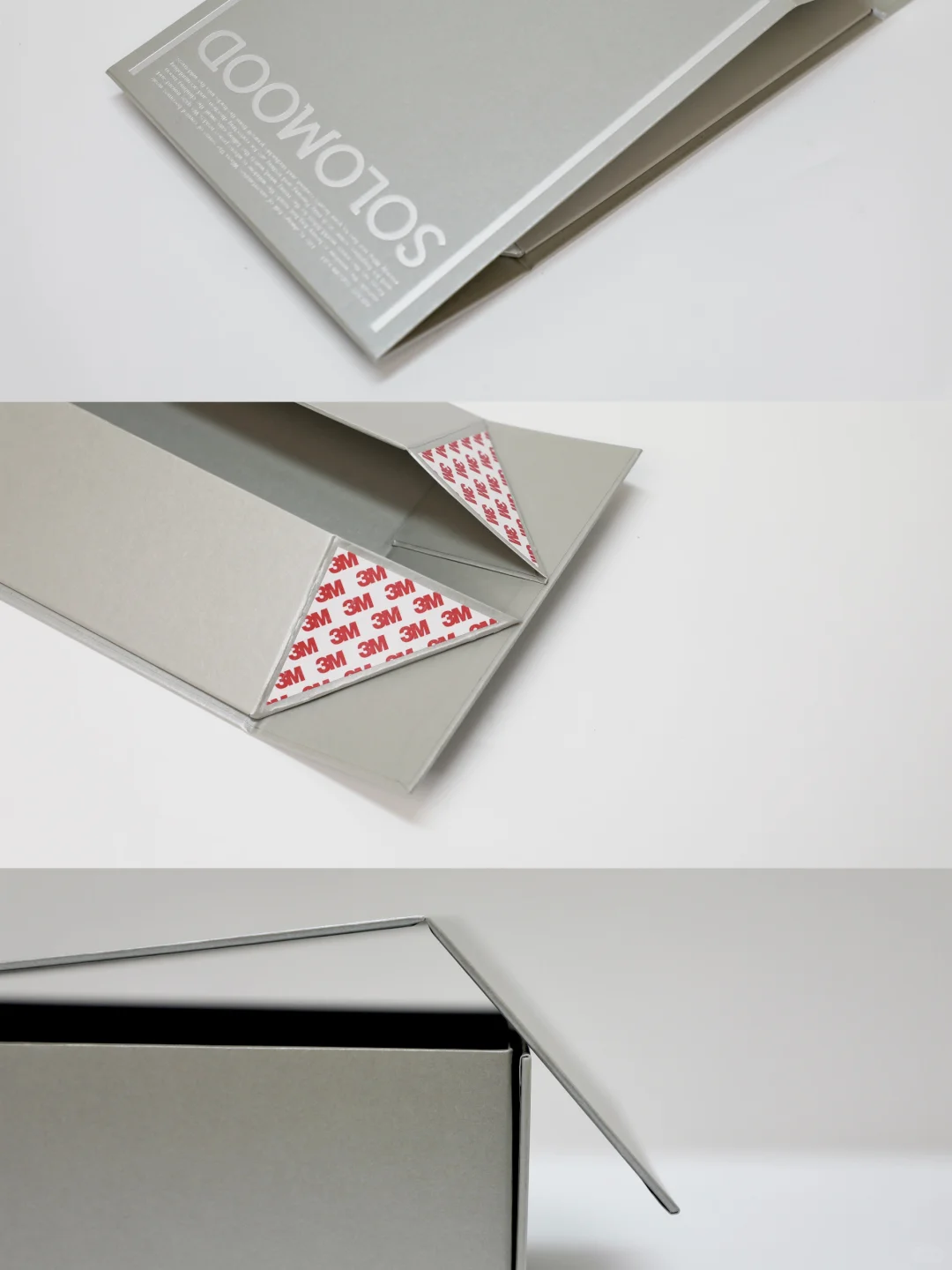
Retain the original swatch, final artwork-and-process sample and converted box with the bottle, each labelled with its version and approval purpose. Check reading, reflections and feel after the final surface treatment. Inspect text near folds, wrapped turns and joints too.
For production and reorders, confirm whether the grade, batch, artwork or processing conditions have changed. Agree process sampling and exception review in advance. Identifiable physical references and version control make texture and legibility part of the same approved result.
Material and process references: the named projects in the Fedrigoni Top Award archive. Reference photographs do not establish universal minimum type sizes, line widths or production tolerances.