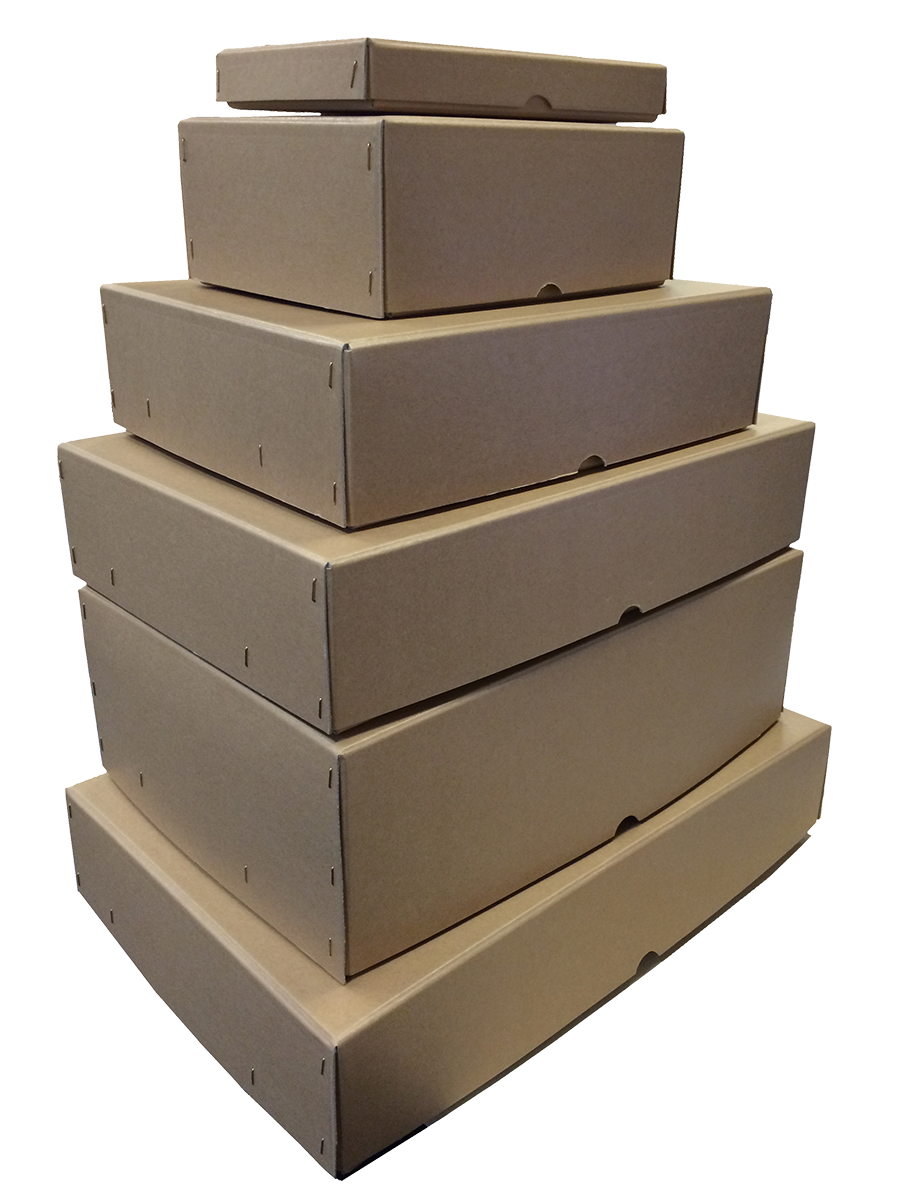
A Stitched Boxes reference showing exposed board faces, edges and visible fasteners. Approve these details on the proposed perfume-box sample; this storage-box photograph does not establish bottle protection. Third-party reference; not a Bravo Package project.
PERFUME PACKAGING · PAPER AND BOARD
Exposed greyboard leaves the board's colour, fibres, cut edges and assembly details visible. Define the intended material character and the defects that require review before approving a perfume box. A description such as natural or rustic does not provide an acceptance standard.
Identify the exposed material
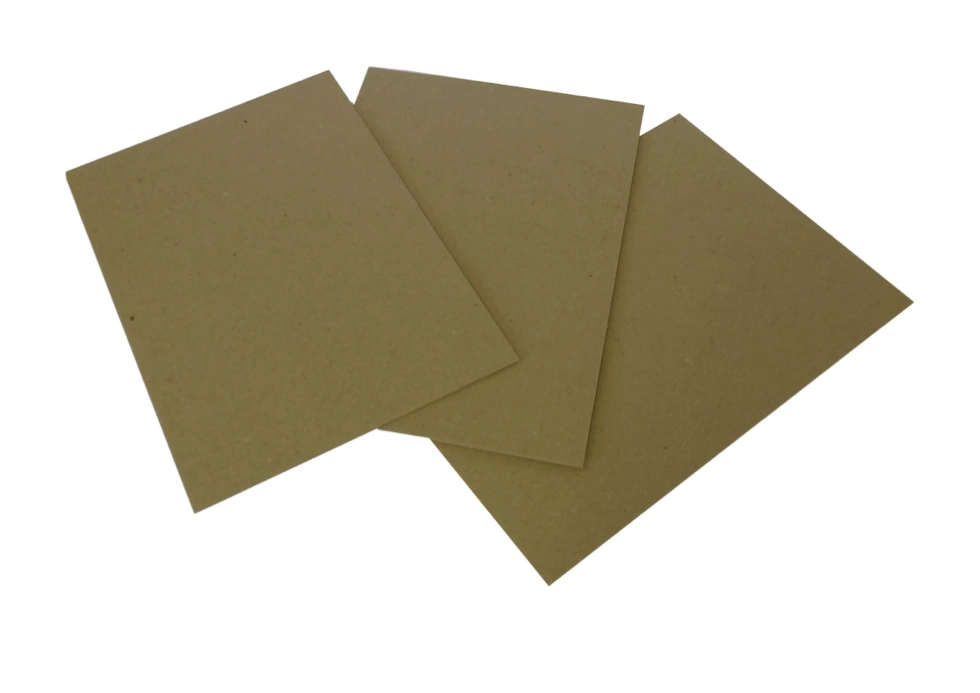
Record the supplier or mill, grade, shade, GSM, caliper, intended face and laminated construction. Ask the supplier to explain terms such as single-grey, double-grey or high-density and match them to physical samples. A vendor's grading system is not a universal quality standard.
Map the bare outer face, lined inner face, cut edges, folds and insert separately. An unwrapped exterior does not mean the whole box contains no adhesive, coating, lining or other fasteners. Grey appearance does not establish recycled content or environmental performance; relevant claims need supporting material documents.
Define an acceptable surface with samples
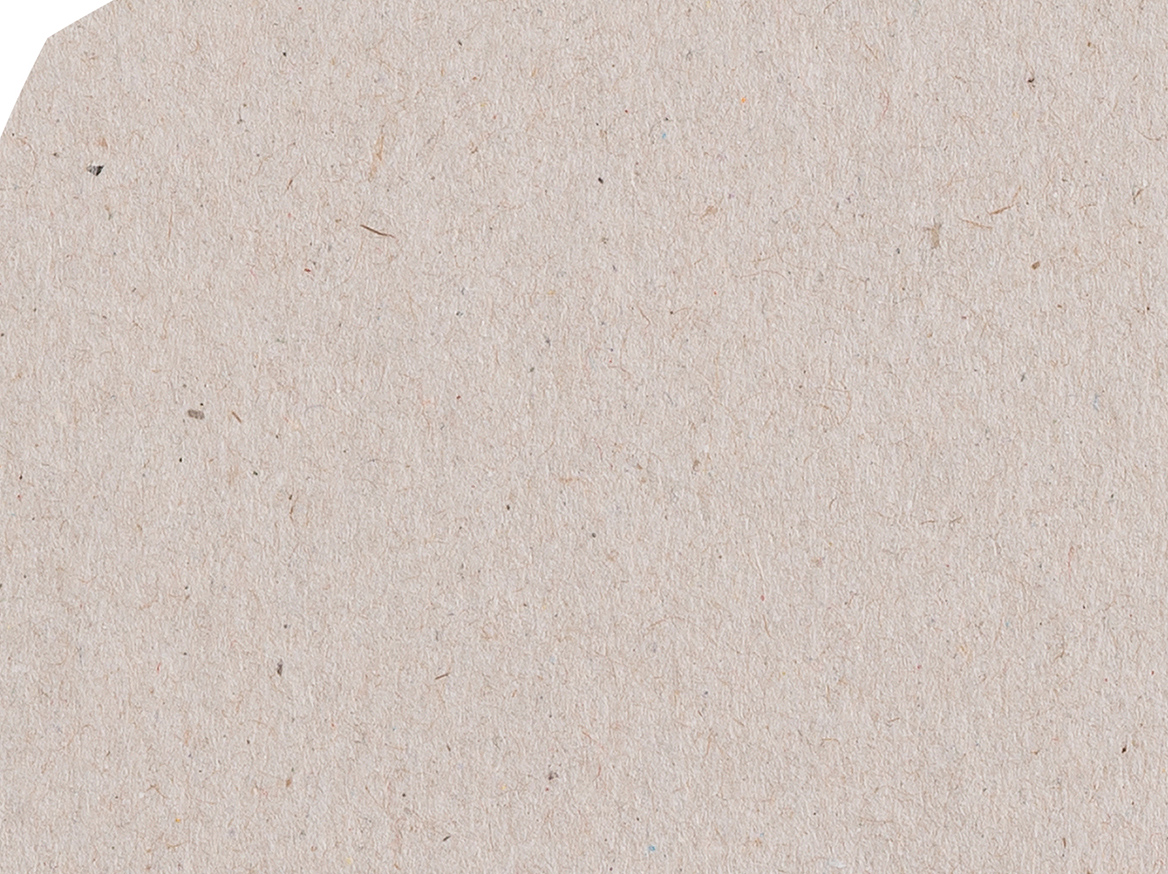
Compare the proposed board with the final printed or debossed sample. Review shade, visible fibre flecks, surface texture and differences between faces. Agree which material features are acceptable and which marks, scuffs, dents or damaged areas require review. Retain identifiable approval references.
Do not judge batch consistency solely from phone photographs. Record viewing conditions, versions and batches, and compare again before substitutions or reorders. An unconverted swatch can approve a material direction without approving the finished box or its condition after handling.
Separate intentional exposed edges from cutting defects
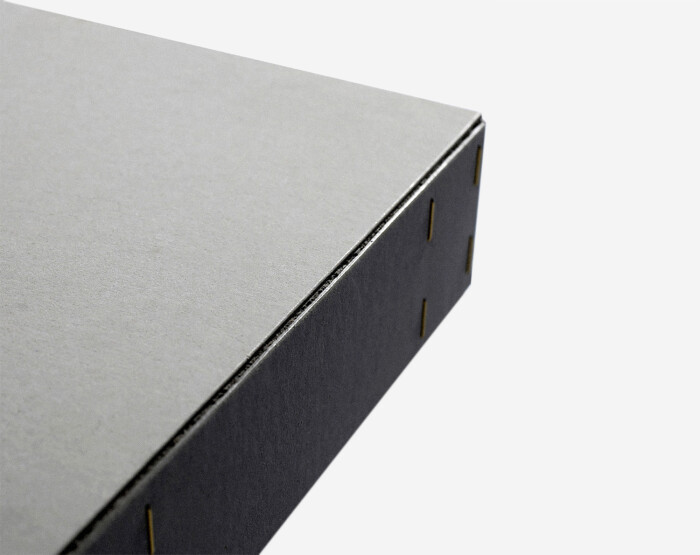
Mark intended exposed edges, cuts and wrap boundaries on the drawing and formed sample. Inspect cuts, corners, joints and internal areas for unwanted rough edges, chips, separation or loose debris. Identify areas touched by fingers or approached by the bottle.
An exposed-edge design does not approve every irregularity. Where partial cuts or folds form part of the structure, sample the actual board and construction. Review assembly and opening. A reference photograph does not specify acceptable cutting quality or establish perfume protection.
Approve graphics on the actual board
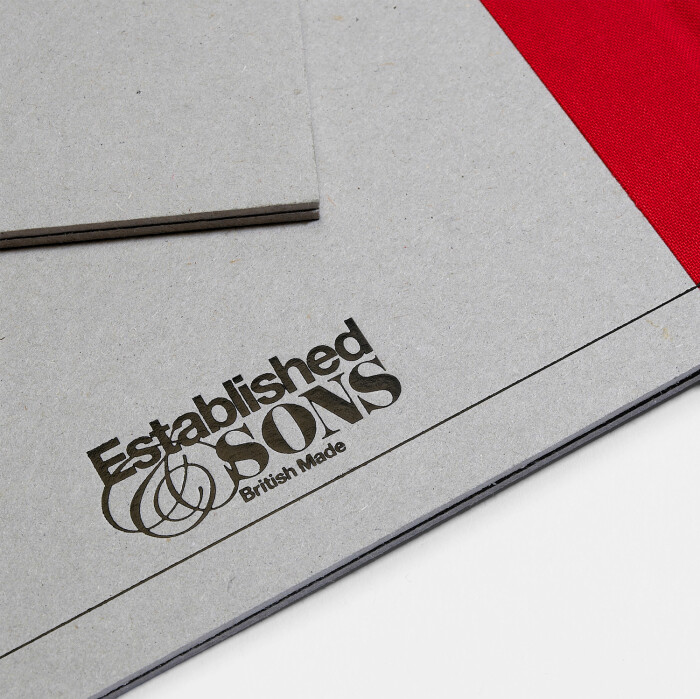
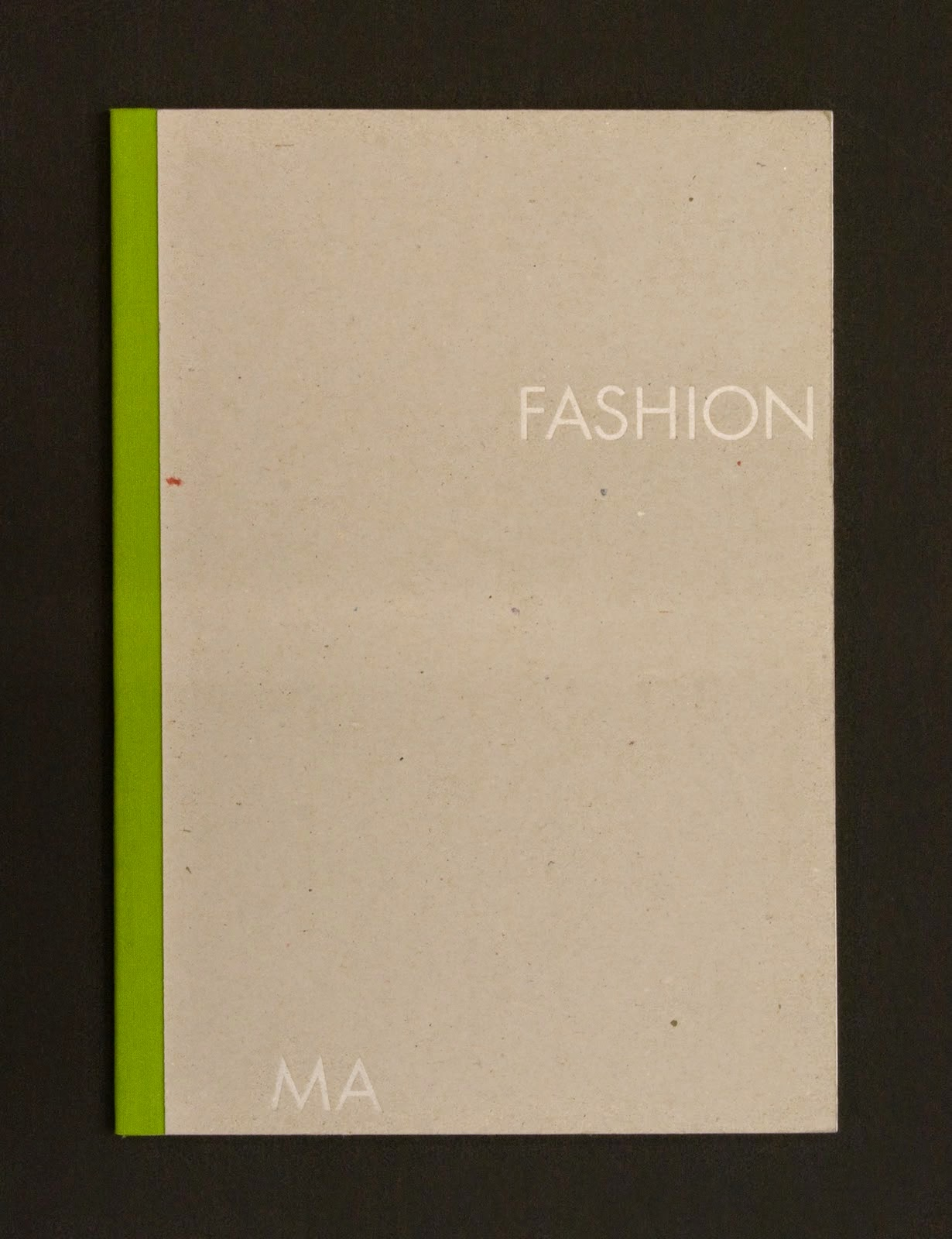
Include the brand name, logo, fragrance name, essential information and finest strokes in the final-size artwork. Compare ink, foil, debossing or label routes on the proposed board using the final process. Inspect detail, openings, coverage, position and unwanted surface changes.
The board colour can contribute to the design without excusing an unapproved graphic result. Compare physical samples before obtaining the designer's approval for changes in weight, size or carrier. Do not assume all greyboards suit the same process or adopt a universal ink recipe, pressure or minimum type size.
Check loose material and contact areas
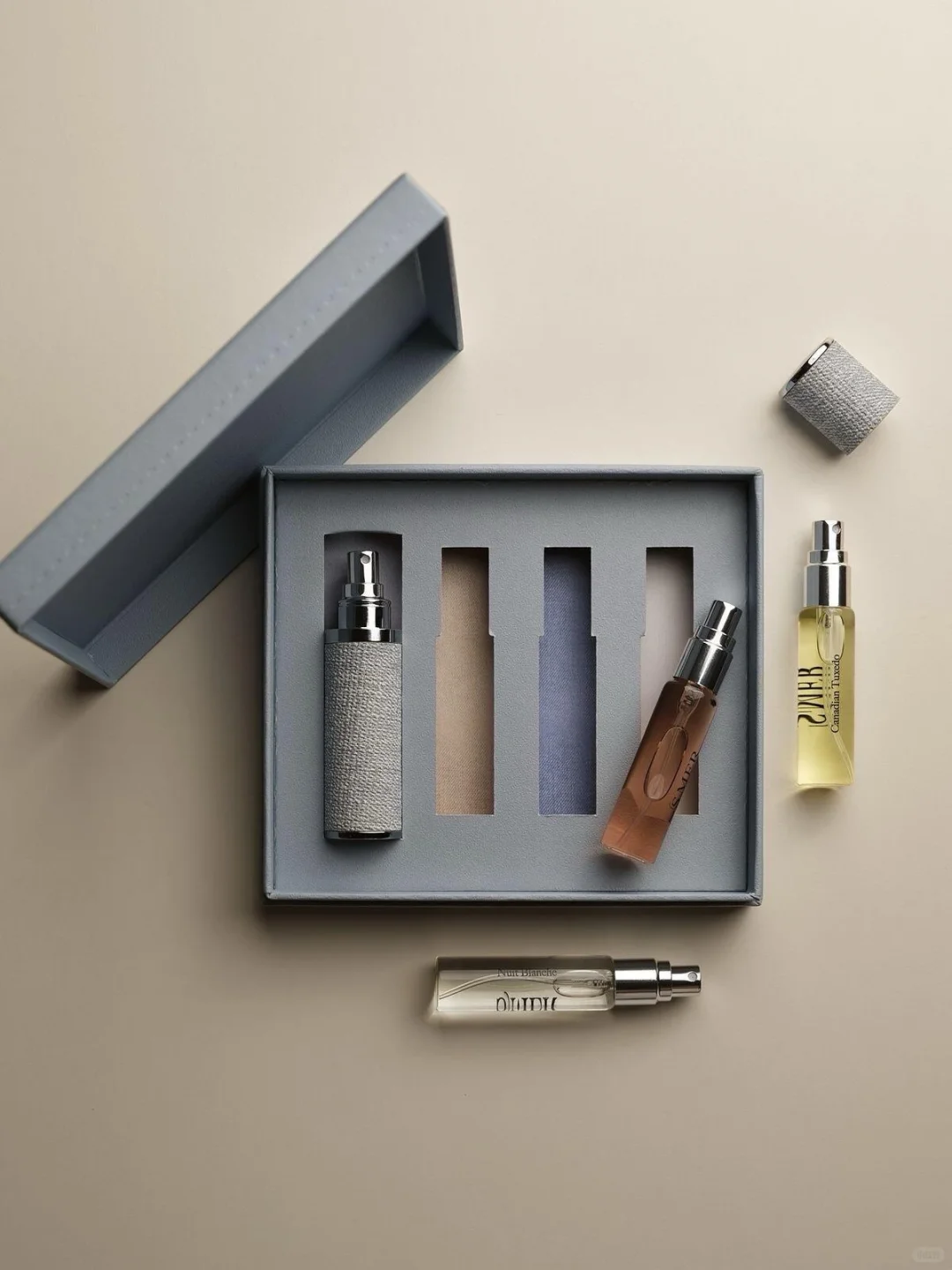
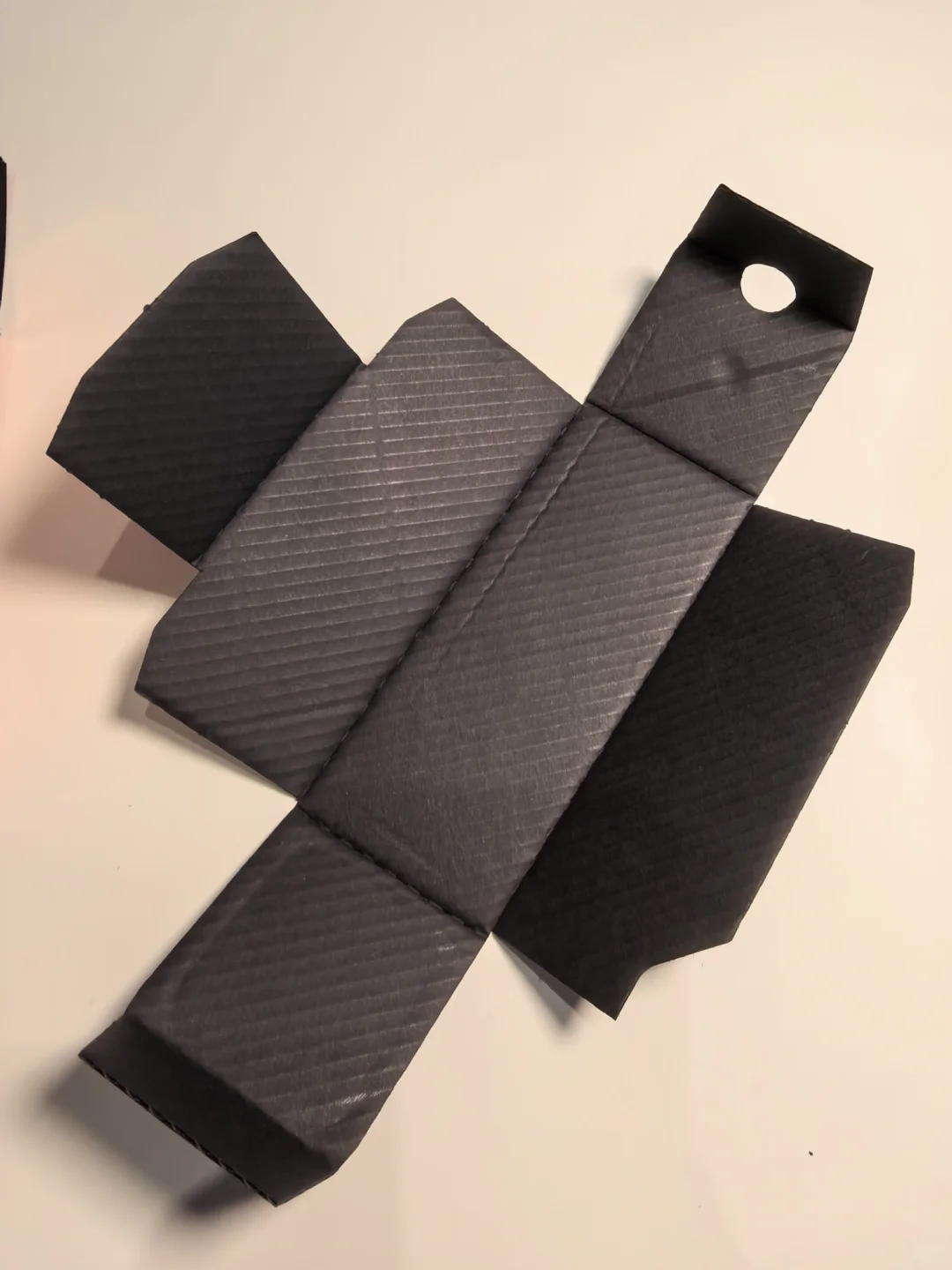
Visible fibre texture differs from loose dust or debris. Inspect unprinted and printed areas, cut edges and assembly points. Keep normal and abnormal samples, recording their location, batch and processing or handling history. Work with the supplier to investigate; residue colour alone cannot diagnose a single cause.
Load the actual bottle and review the removal path, insert and visible fasteners. Confirm that there is no unapproved contact or interference. Specify the position and assembled condition of tape, tabs or metal fasteners separately. Raw appearance does not replace retention, handling or transport validation.
Include conversion and handling in approval
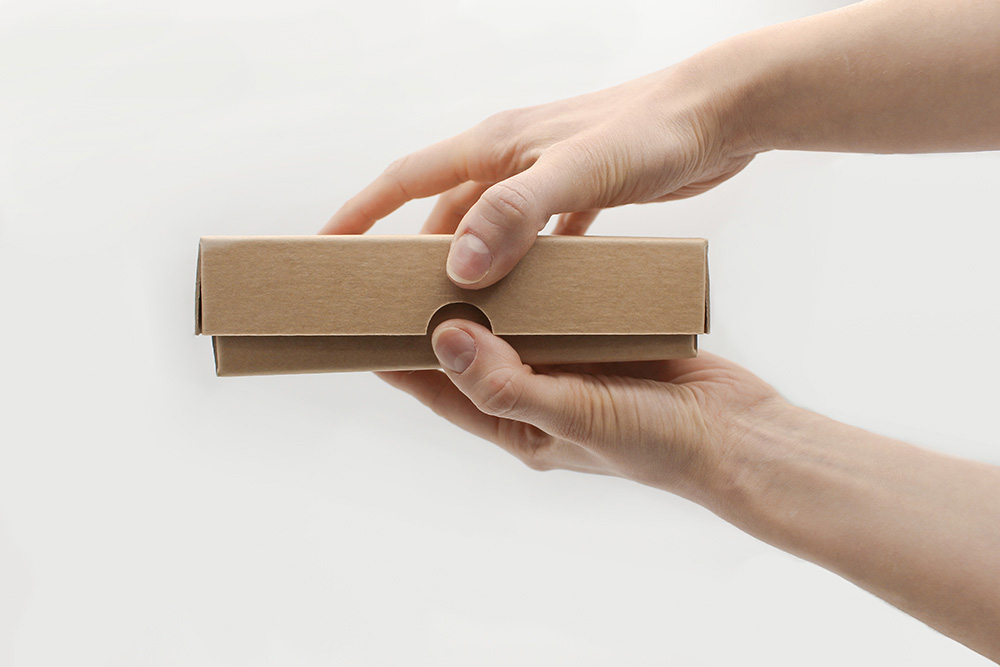
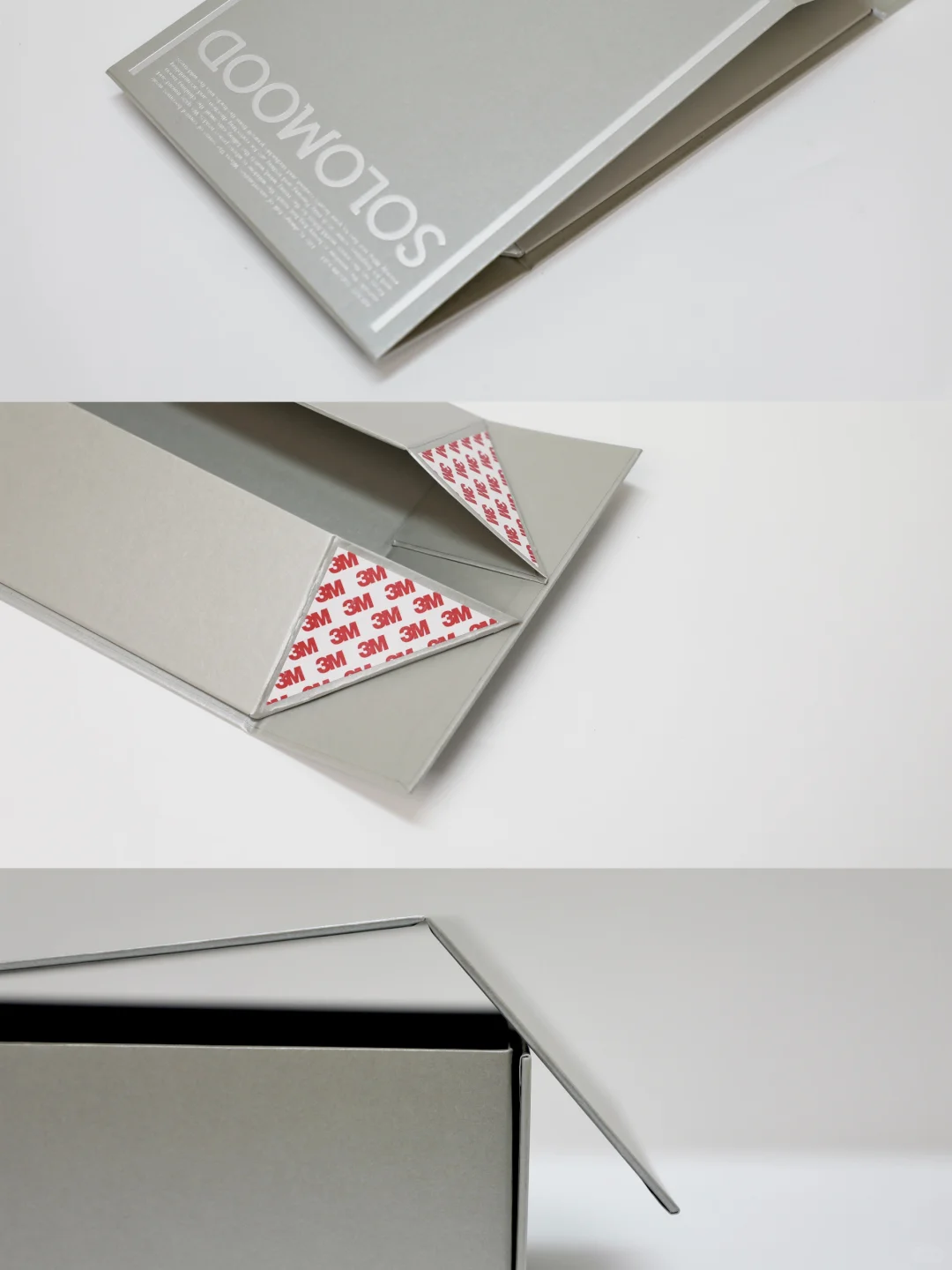
Retain the original board swatch, final graphic-and-process sample and converted box with the bottle. Label their purposes, versions and dates. Review colour, feel, reflections and reading after the final surface treatment, including joints, adhesive marks, folds and corners.
Agree outer packing, storage, handling and acceptance conditions, then reassess surfaces after the relevant use and distribution conditions. Compare flat supply with assembly, inserts, outer packing and losses included. Removing a wrap does not automatically reduce the complete cost. For reorders, confirm changes in material and process against traceable references.
Material references: Eska board and Justin Hobson on greyboard samples and uses. Grade-specific statements do not establish universal material or finished-box performance.