
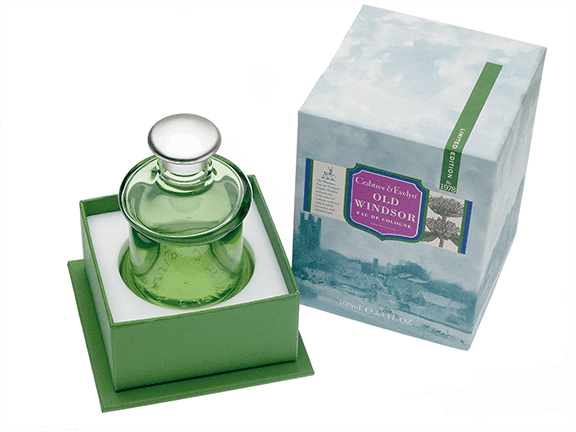
A Pusterla US fragrance-packaging reference showing the bottle, shallow base and decorated lid. Review the actual packed opening experience; this photograph provides no evidence about odour. Third-party reference; not a Bravo Package project.
PERFUME PACKAGING · PAPER AND BOARD
A perfume box contributes to the first impression of a fragrance. If the first thing a customer notices is an unexpected smell from the packaging, a well-designed exterior cannot resolve it. Include odour in sample approval before production. Start with identifiable samples and agreed checking conditions, rather than accepting “all new boxes smell” or diagnosing a particular adhesive from a quick impression.
Define what you are checking
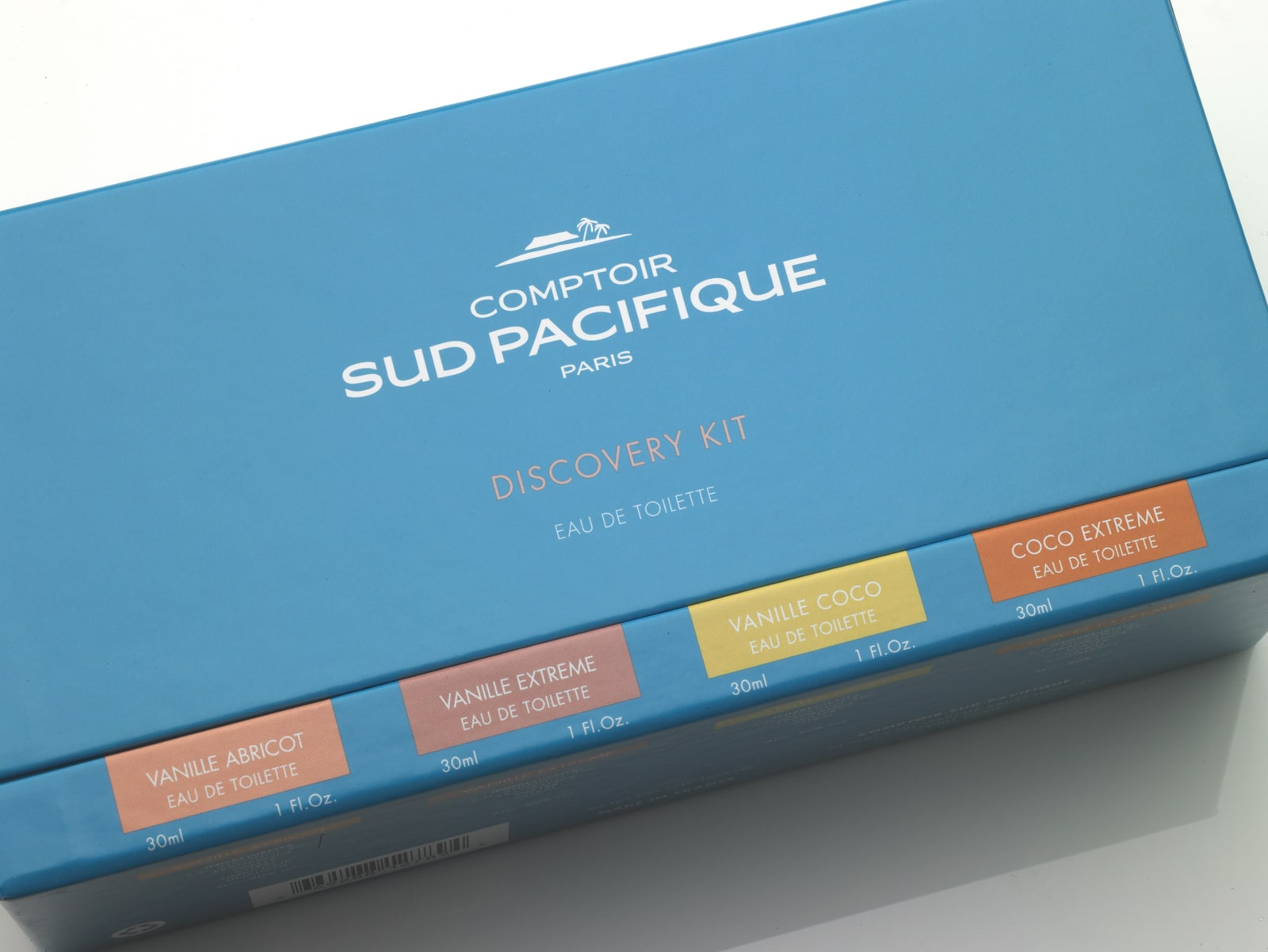
Record the empty box, insert, accessories, packed opening experience and fragrance product separately. An unexpected smell is a reason to investigate. Its presence or absence does not identify a chemical or establish safety, environmental performance or compliance.
Describe where and when it was noticed. Record receipt date, whether the pack had been opened, and its storage history. A buyer’s description of a glue-like smell is an observation, not confirmation of which material caused it. Keep an abnormal sample identifiable; do not add a scent card or fragrance to conceal the issue before review.
Trace the actual components and processes
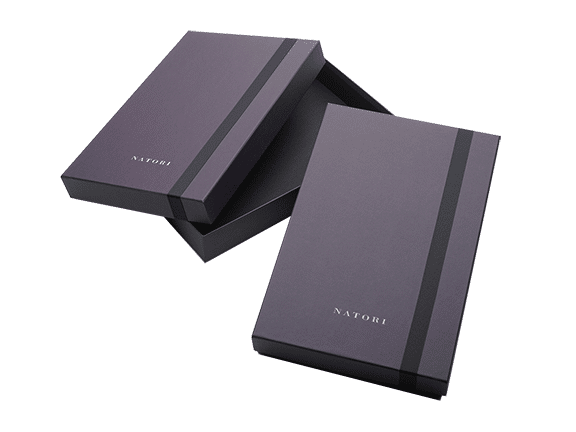
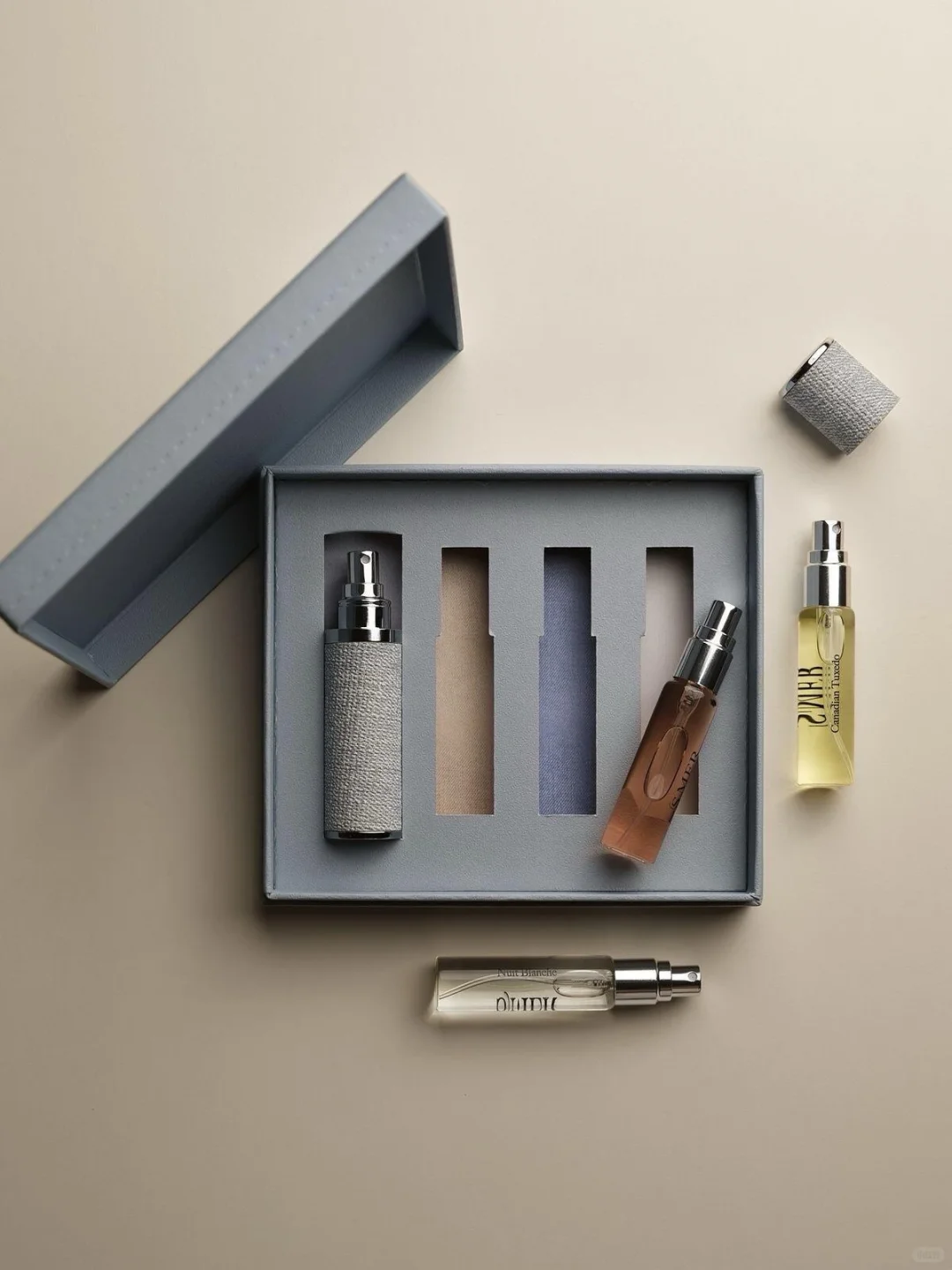
Ask the supplier to identify the proposed face paper, board, print or varnish, lamination, wrapping and assembly adhesives, insert, fabrics, ribbon and shipping materials. Match those items to versions or material references. Appearance cannot distinguish a suitable adhesive from an unsuitable one, and a water-based or low-odour description does not approve the complete box.
Have the supplier review the relevant material documentation and application. If an adhesive or coating changes, recheck the actual substrate, bond, appearance and assembly as well as odour. There is no single application temperature, quantity or curing time that this guide can prescribe for every material system.
Sample the final construction
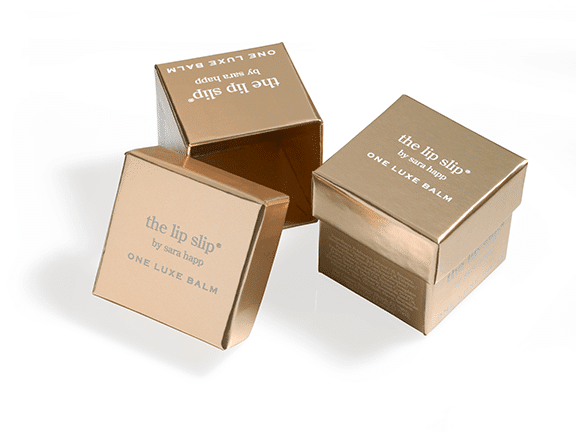
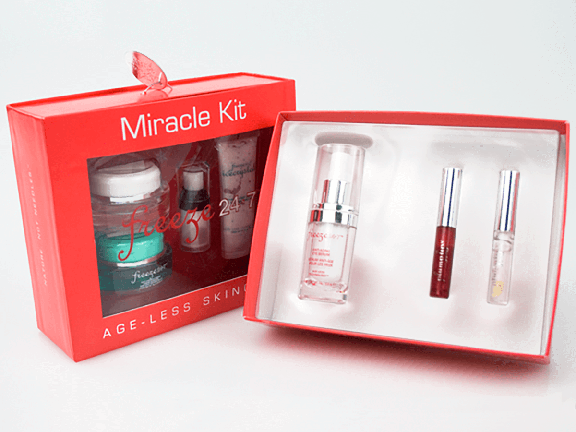
A white structural sample does not approve different inks, wrapping processes or inserts. Before using a sample for odour approval, state whether it contains the intended production materials, finishing and outer packing. Identify digital proofs and temporary substitutions clearly.
Keep traceable material references, an empty box, the insert and a complete converted sample. Record source, version and production date. Samples made at different times or stored in different packaging are not automatically comparable. Separating components can guide an investigation without proving that only one component is responsible.
Agree the checking conditions
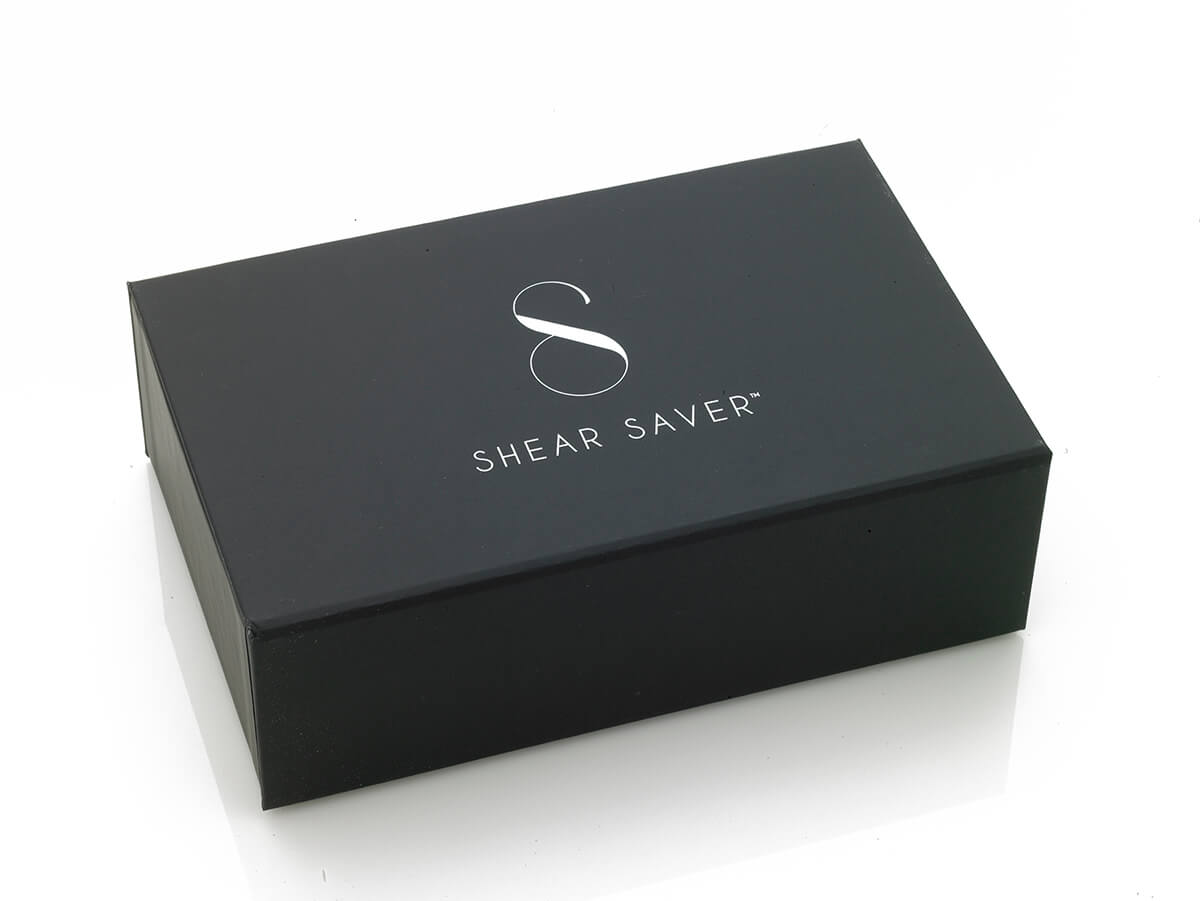
Agree with the supplier when to check, whether samples are open or packed, how they are stored, the comparison reference, the description method and who approves the result. Record elapsed time since production, the bag and shipping carton, checking environment and location of the observation. Use consistent arrangements for comparisons.
A study of paper and board investigated how relative humidity affected sensory and analytical results. Its food-contact context does not provide a universal perfume-box acceptance limit. Do not turn an improvised sealed-container or heating exercise into a claimed standard. Where chemical analysis, a regulatory question or a defined odour criterion is needed, agree an applicable method, sampling plan and interpretation with a suitably capable laboratory.
Review the packed opening experience
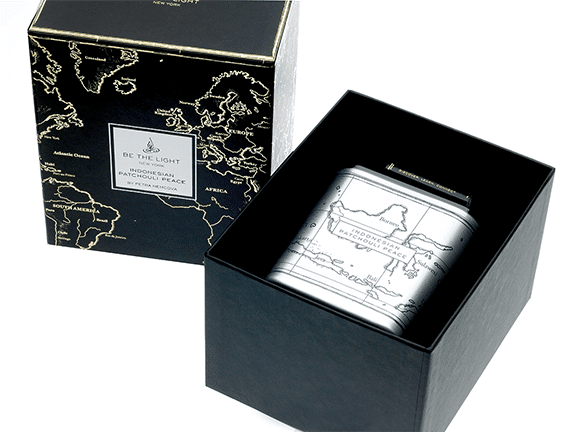
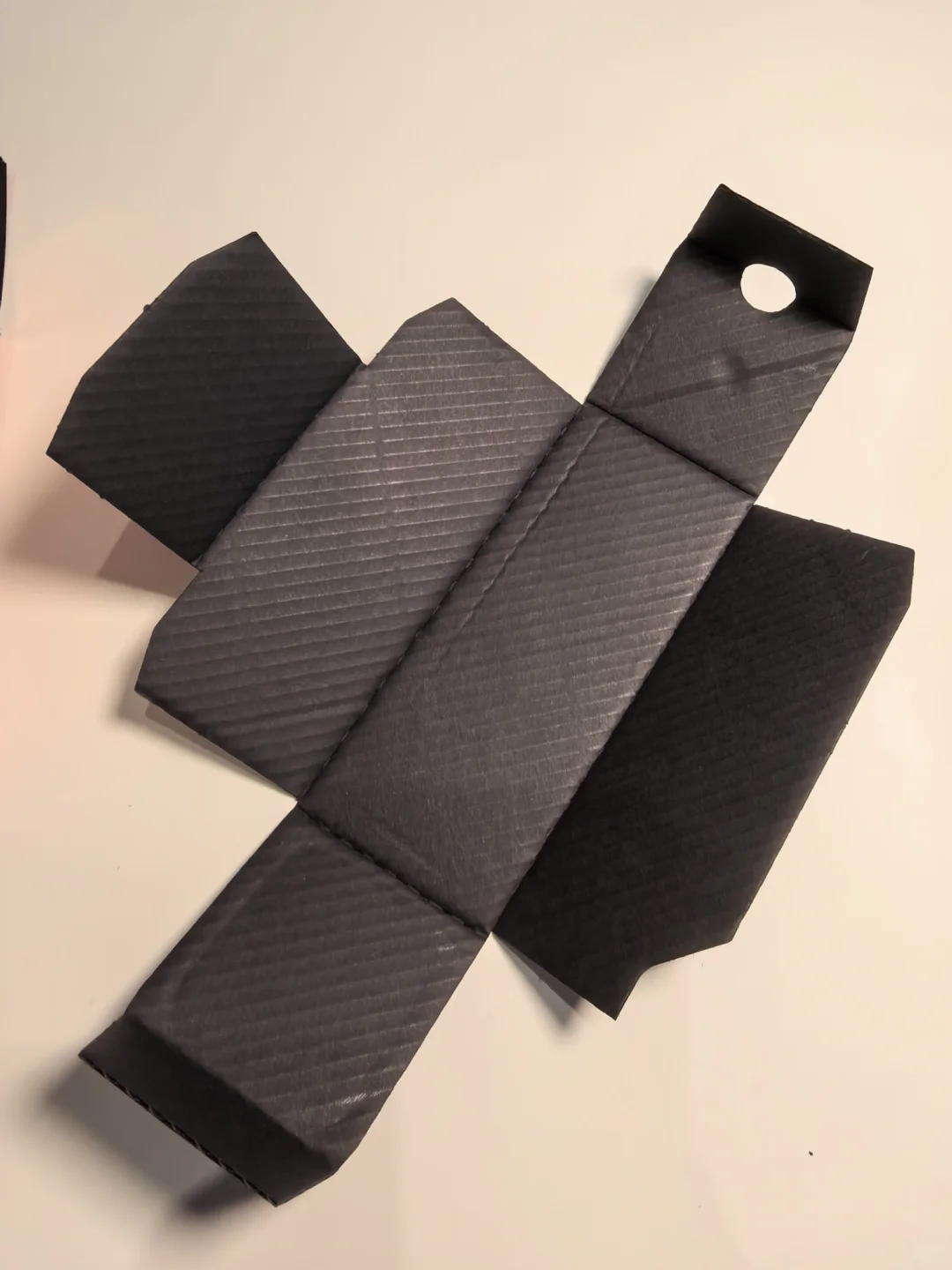
An aired empty box and a packed shipment are different sample states. Ask the supplier to retain a complete pack using the intended materials and outer packaging, then review it under the agreed conditions. The brand should provide an identifiable fragrance-product reference so packaging observations can be considered separately from product changes. Suspected leakage or spray-component problems need their own investigation.
Do not promise that a fixed number of airing days or a switch to an “eco” adhesive will resolve every issue. Record the supplier’s actual changes to processing, storage or packing, reassess comparable samples, and confirm that other functions have not deteriorated. Additional scent should not obscure an unresolved observation.
Carry approval into production and reorders
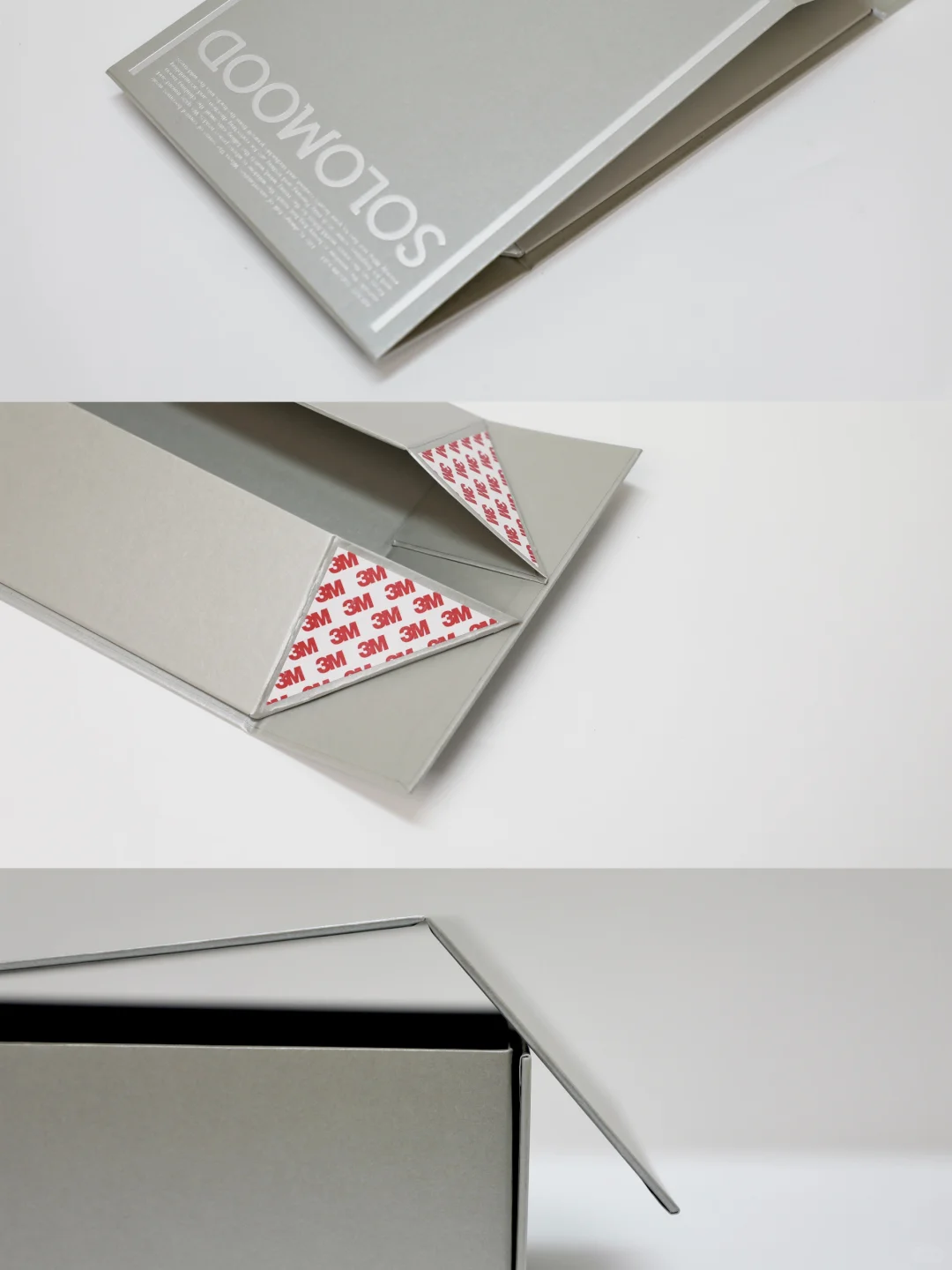
Add odour to the approval checklist, with the sample version, checking conditions, acceptance criteria and unresolved points. Keep traceable records of approved and abnormal samples. Agree appropriate sample retention and review arrangements with the supplier; a sample can change with time, and a long-open old box is not a reliable substitute for a defined comparison.
Before delivery, confirm whether production materials, processes or packing have changed. If an issue appears, record the batch, quantity, components, opening state and comparison results for investigation. Reapprove relevant changes. A supplier’s promotional claim or a forum remedy is not a test result for your packaging project.
Research context: IVLV cardboard packaging and odour project and Wolf et al. on humidity and paper/board odour evaluation. Food-contact research does not establish a perfume-box acceptance limit. Photographs are component references, not odour-test results.