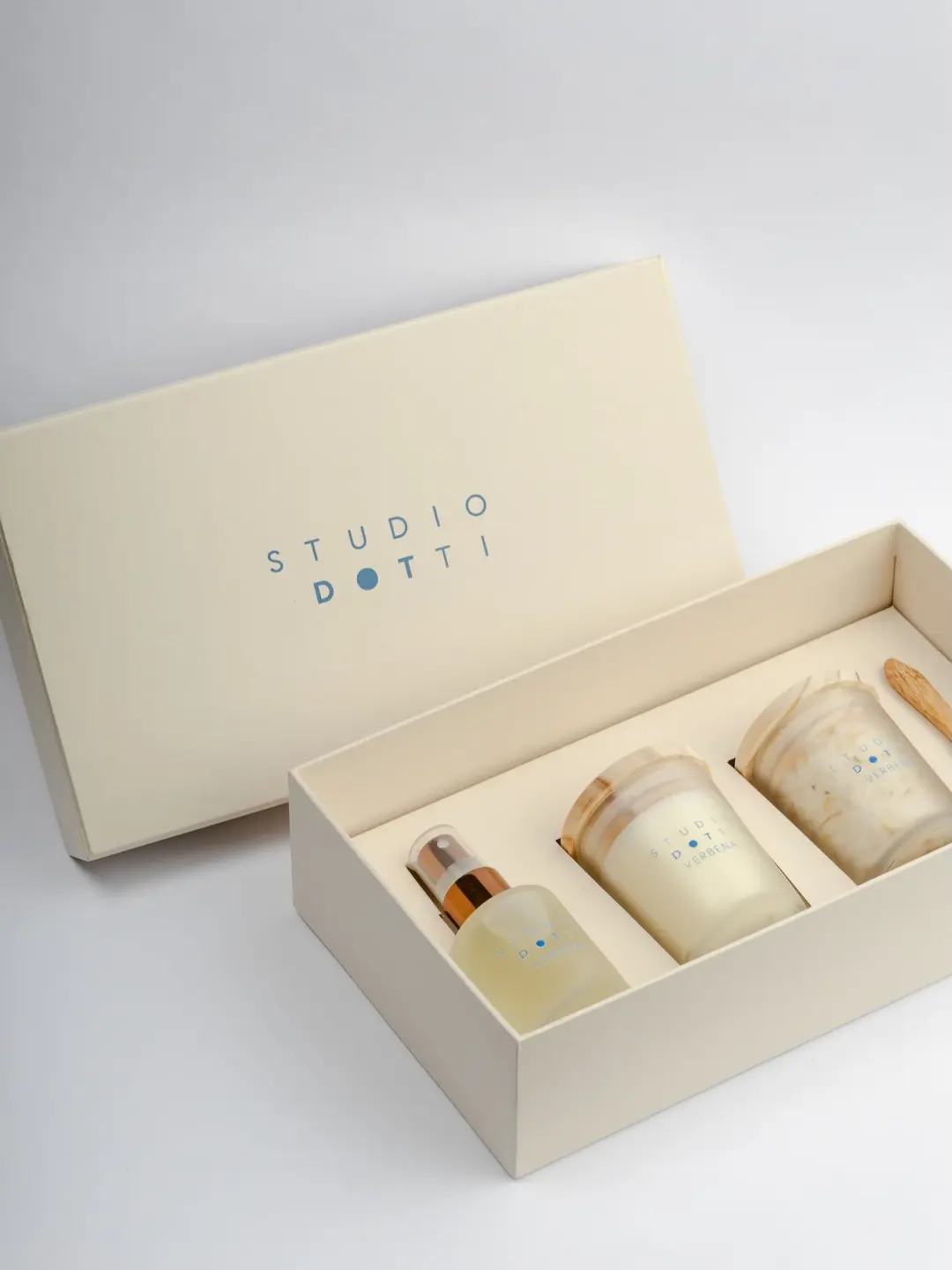
Include all set components when reviewing the lid clearance and the path for removing each item. Third-party reference; not a Bravo Package project.
PERFUME PACKAGING · LID AND BASE
A lid-and-base perfume box looks simple: lift the lid, reveal the bottle. Yet that short movement deserves as much attention as the closed-box photograph. A narrow seam does not prove an easy opening, and a deep lid does not automatically suit the bottle, insert or intended user. Review lid depth, fit and bottle removal together, using the actual configuration.
Start with the complete bottle and base
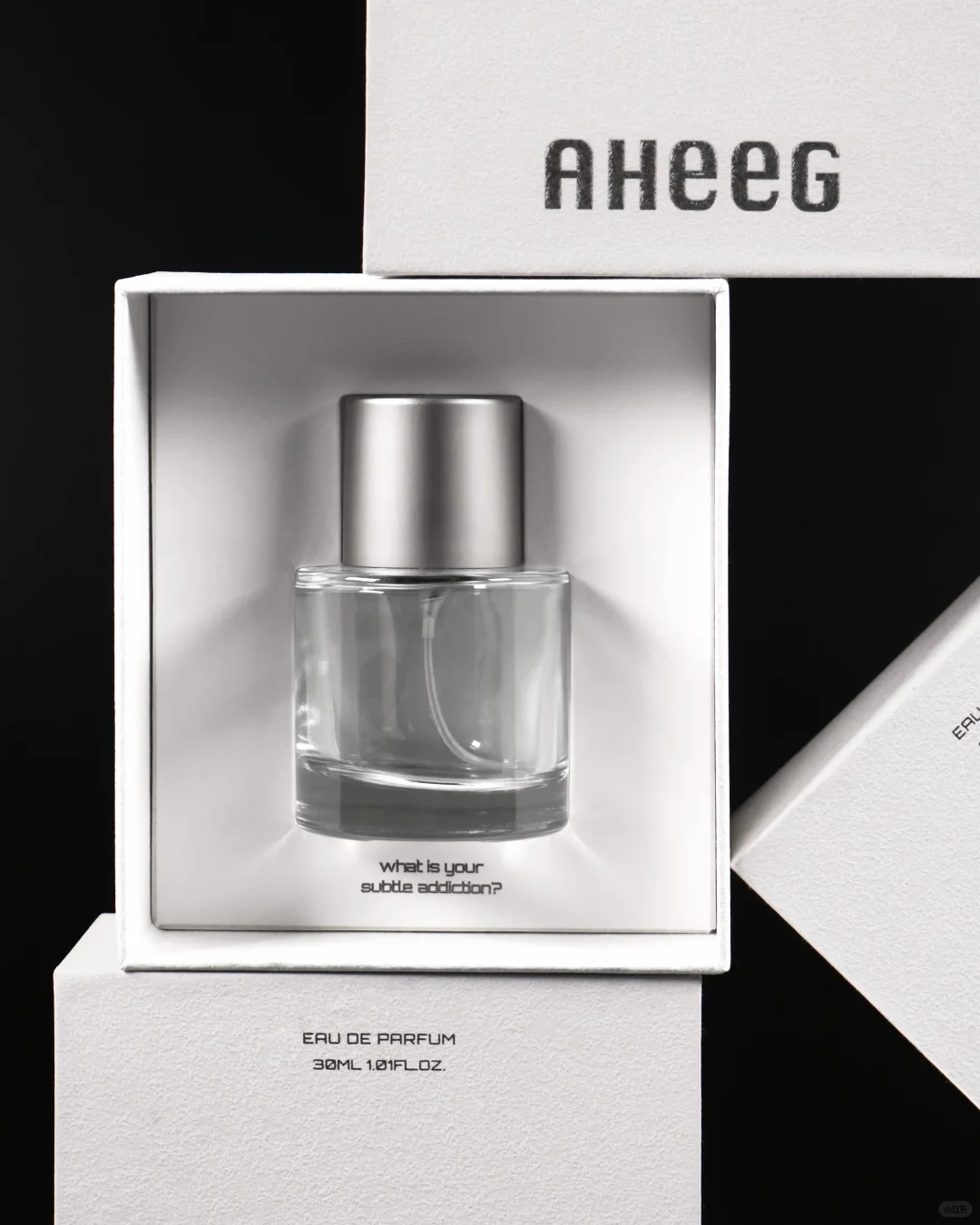
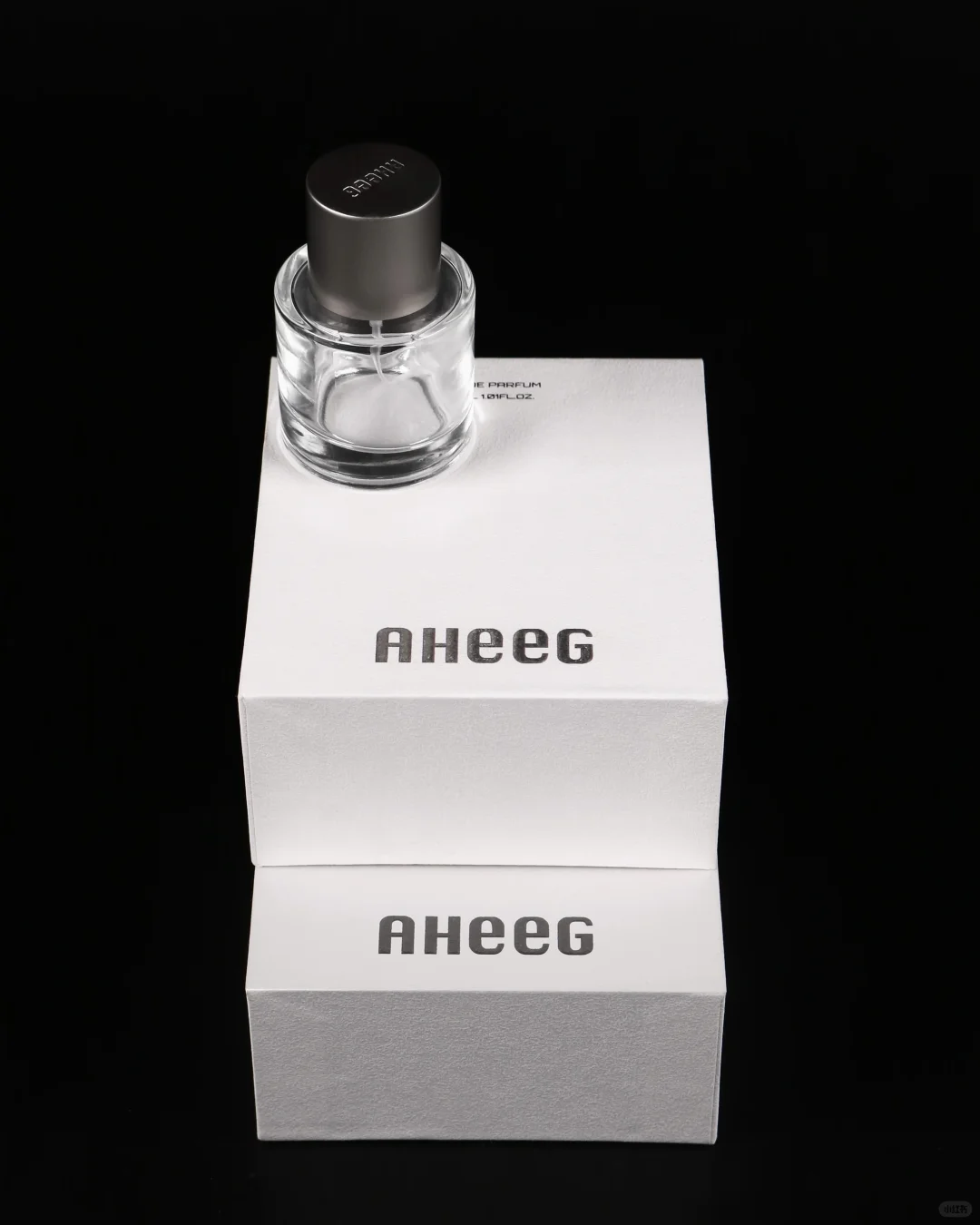
Confirm the bottle, pump, cap, label and every item supplied in the pack before settling the box proportions. A different cap or decorative component can change the space needed under the lid. The sample should contain the intended insert; a bottle placed directly in an empty base cannot demonstrate the final fit.
Make the dimension labels explicit in the brief. Bottle dimensions, the base's internal dimensions, the base's external dimensions, the lid's internal dimensions and the overall closed-box dimensions describe different things. An unlabelled length, width and height can leave both parties working from different assumptions.
Board and wrapping materials also form part of the finished construction. Avoid specifying a universal clearance copied from an online formula. Ask the supplier to propose the fit for the actual construction and materials, then assess a representative sample. The useful input from the brand is an accurate product specification and a clear description of how the pack should be used.
Judge lid depth with the box in your hands
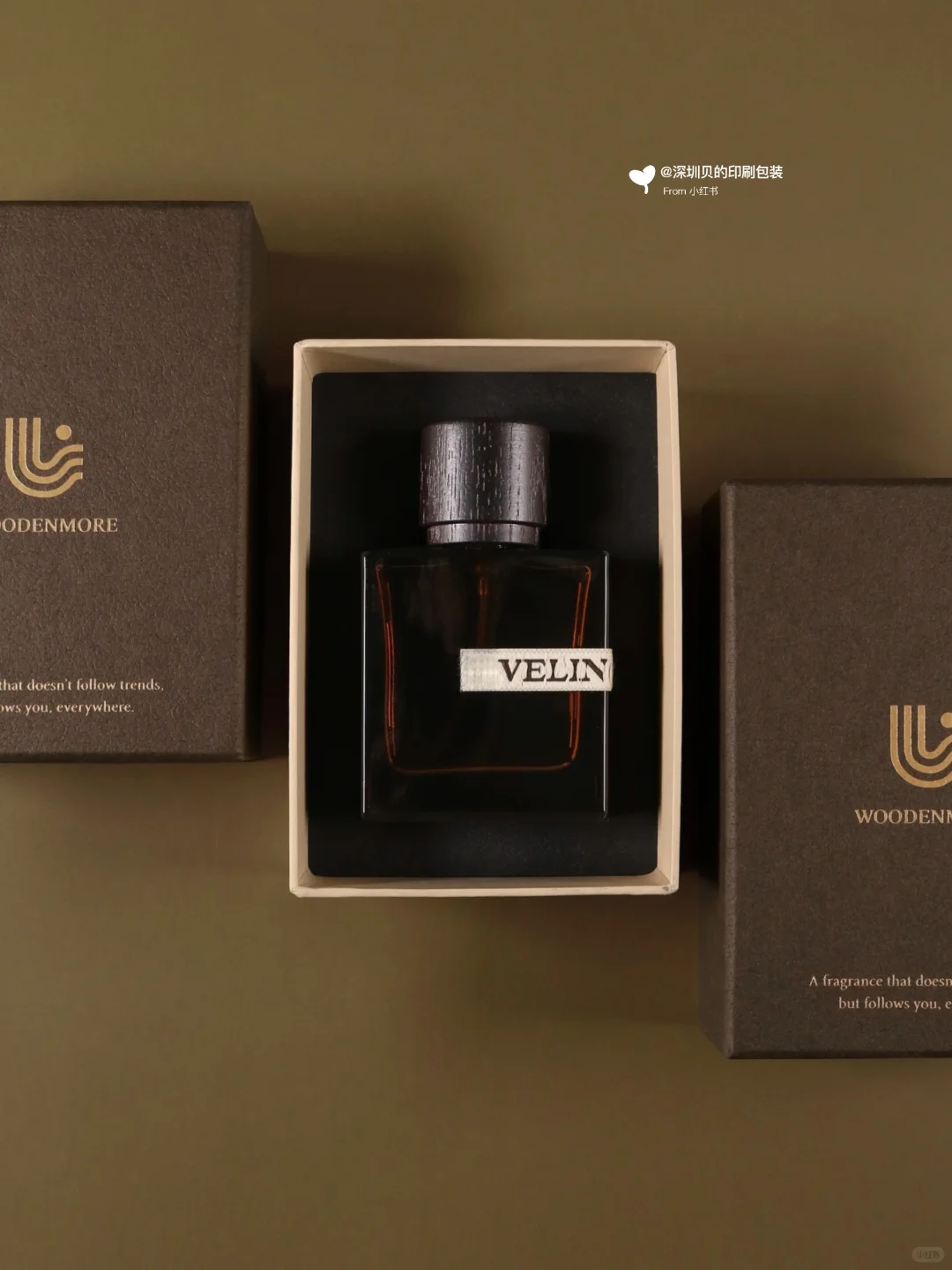
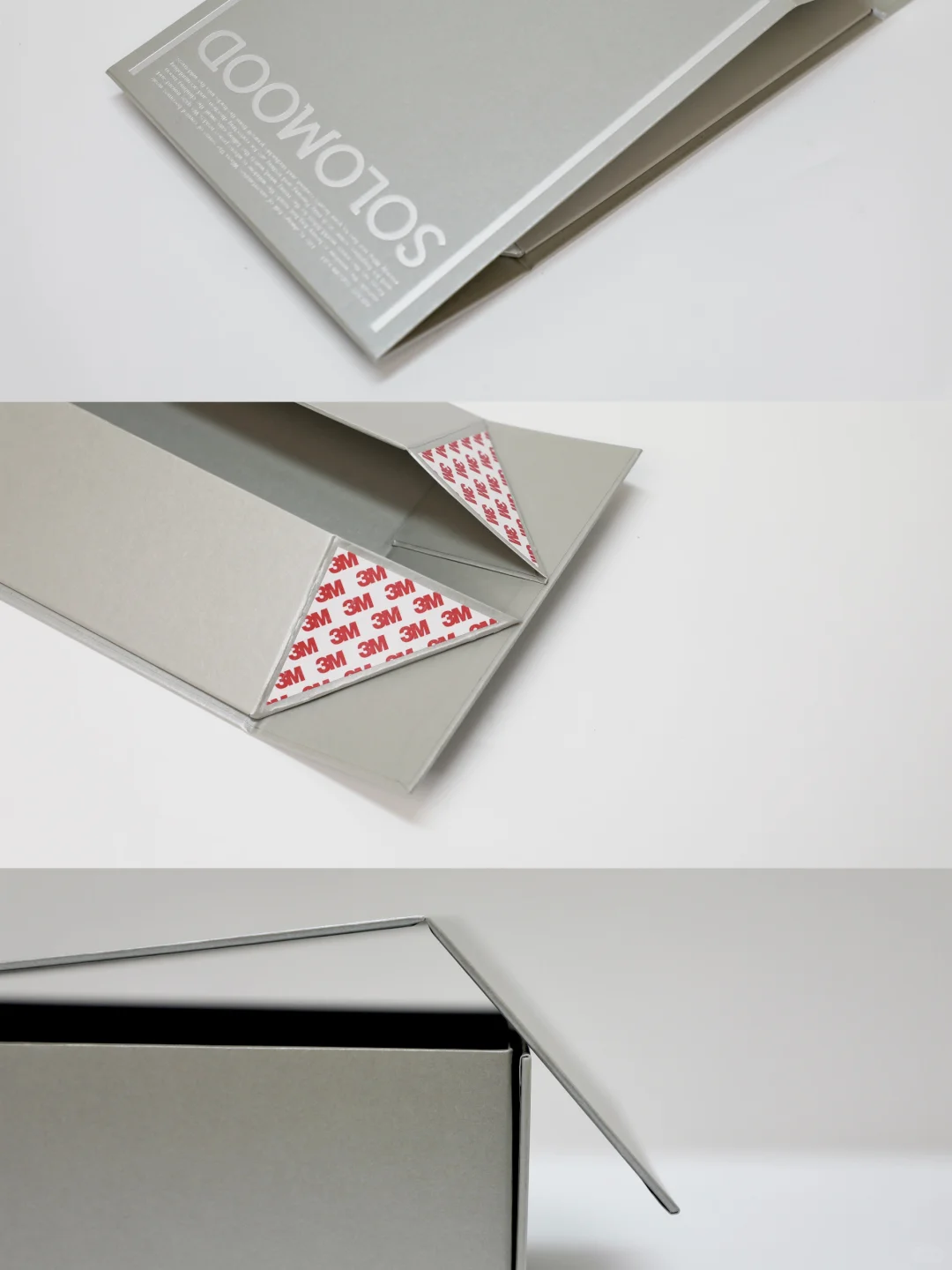
Shallow, partial-depth and deep lids create different proportions. An exposed part of the base may also be where the user holds the box while lifting the lid. Check both its appearance and whether fingers can make stable contact with it. A visible strip in a photograph may offer very little usable grip in practice.
If the lid covers almost the entire base, establish how the user is expected to hold the lower part. A finger notch, a change in lid depth or a different edge treatment may be worth sampling. None of those details alone guarantees a comfortable opening: their position and the resulting hand movement still need checking.
Review a narrower or smaller version as a separate configuration. Keeping the same visual design does not preserve the available grip area. A successful sample in one size should not be treated as automatic approval of a more slender version.
Describe fit through observable actions
Terms such as luxurious resistance or a perfect fit are difficult to use consistently. Record what happens instead. How does the user support the base? Does the lid lift in the intended direction? Does the base rise with it? Is repeated rocking needed? Does closing require extra pressure?
Open and close samples with the real contents installed, following the expected use sequence. Compare whether the samples behave similarly. If a corner catches, one side feels tighter, the lid sits at an angle or the paper rubs, record where and when it occurs. That gives the supplier a specific issue to investigate instead of a vague request to make it looser.
An easy lift is not the only acceptance point. Review closing, normal handling and packing as well. Approval of appearance and opening feel does not replace validation of the shipping pack or product protection.
Where an outer sleeve is included, separate the two movements in the review. Sliding the complete box out of its sleeve and lifting its lid are different interfaces. Test both with the finished materials and contents, rather than approving the empty sleeve and empty box independently.
Check bottle removal after the lid is off

The insert affects the display height, the accessible part of the bottle and the removal path. Actually remove and replace the bottle. Check whether the user has to pull only on the cap, whether the label rubs against the opening and whether fingers can reach the bottle body. Test any pull ribbon or access recess in the way it is intended to be used.
For a fragrance set, include every component: a spray, candle, bath product or accessory can change the available space. Check clearance beneath the lid, contact between neighbouring items and whether removing one item disturbs another. A bottle-shaped opening is a design feature; it is not evidence that the protection has been validated.
Assess the final insert surface as part of that sample. Flocking, wrapped board and foam are choices seen in different projects. Their names alone cannot establish friction, retention or shipping performance. Approve the complete combination, rather than assuming separately approved parts will work together.
Approve appearance and fit against the same version
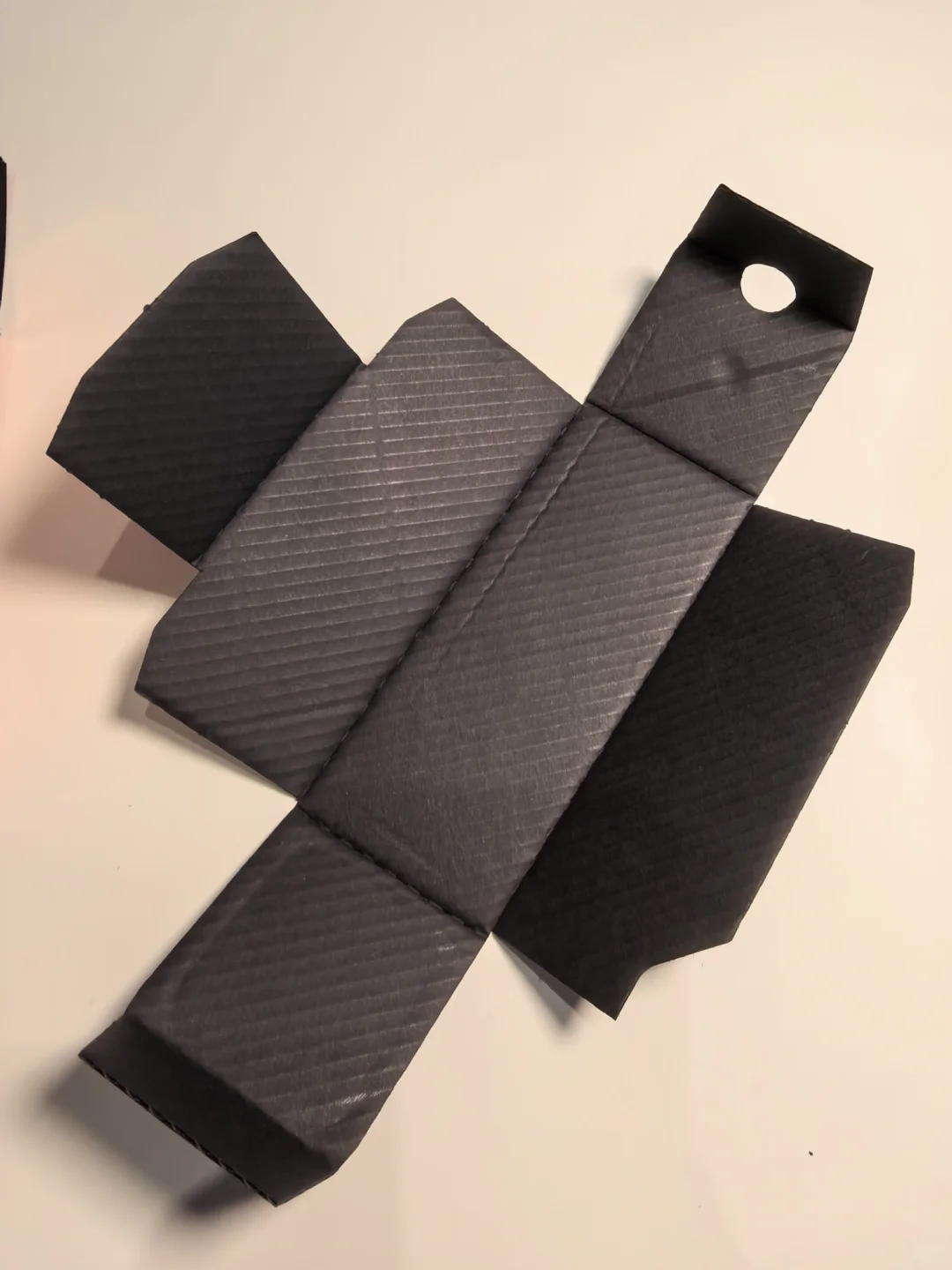
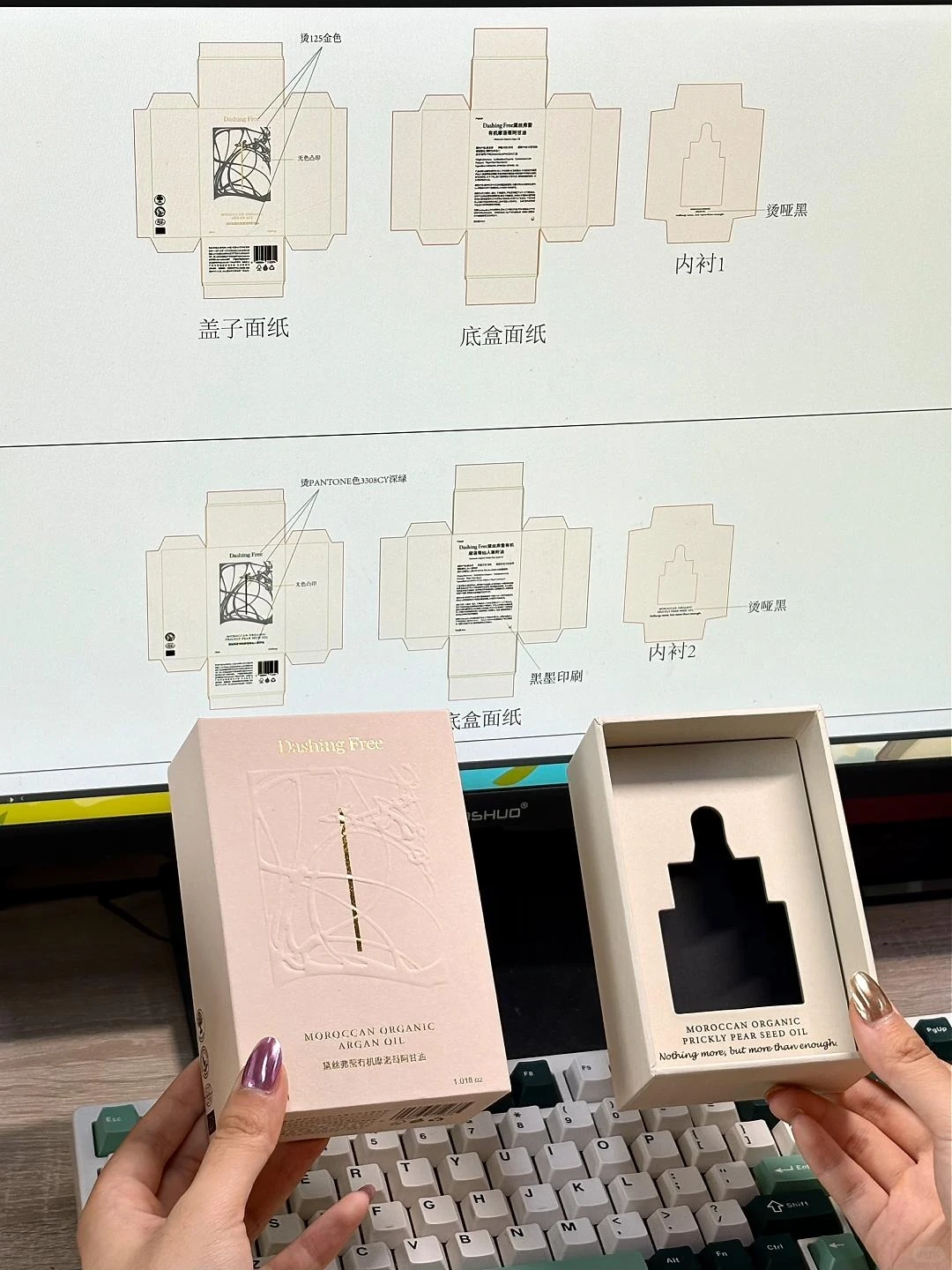
A plain structural sample and a decorated sample answer different questions. If the wrapping paper, insert, decoration or construction changes, confirm whether fit and bottle removal need checking again. A similar outline is not enough to establish that an earlier sample still represents the finished pack.
For designs with graphics continuing across several faces, inspect the closed orientation, seam position, revealed inner surfaces and the relationship between bottle and box information. Graphic alignment and lid fit are separate acceptance points, and both deserve a record.
Keep the drawing version, product list, insert version and material specification with the approval. Add closed and open photographs, the issues found and the adjustments agreed. If dimensions or fit checks form part of acceptance, state the measurement locations and method in the documents agreed by both parties.
Keep an approved reference for production and reorders
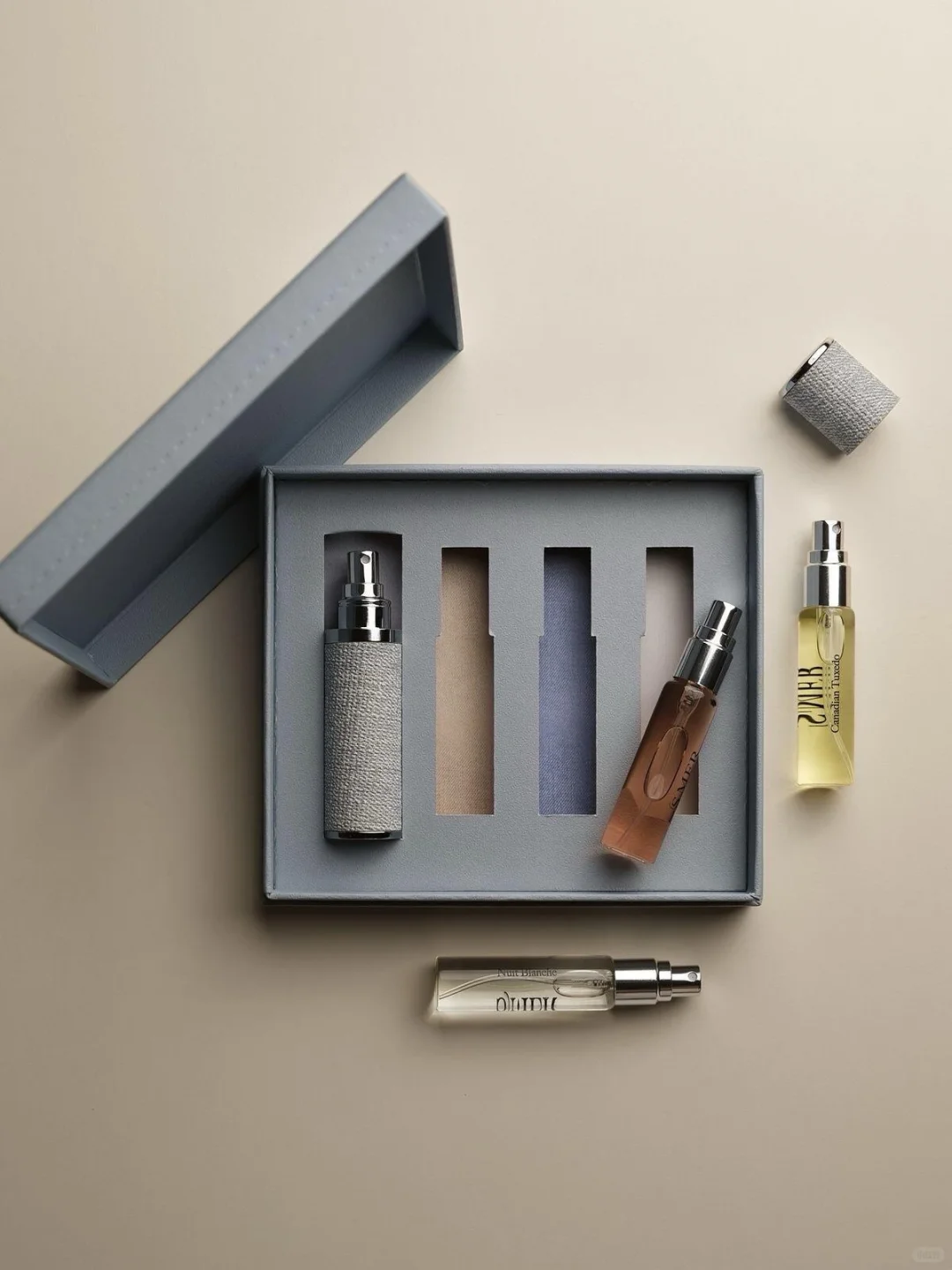
Retain the approved sample with its matching files and photographs. Compare production using the same contents and opening sequence. An empty-box inspection should not be confused with the experience of a box containing its finished product.
For a reorder, list changes to the cap, label, insert or paper specification, even when the print artwork is unchanged. Ask the supplier whether those changes call for another fit sample, and preserve the relationship between versions. The same outer appearance does not establish an unchanged internal configuration.
The practical decision comes down to three checks: can the lid be opened as intended, can the bottle be removed naturally, and can production be compared with a clearly identified approved version? Lid depth and the exposed base are starting points. The complete sample supplies the evidence for the opening and removal decisions.
Photographs are third-party packaging references, not Bravo Package manufacturing projects or test evidence. Dimensions, materials, fit and acceptance methods need confirmation for the specific project.