
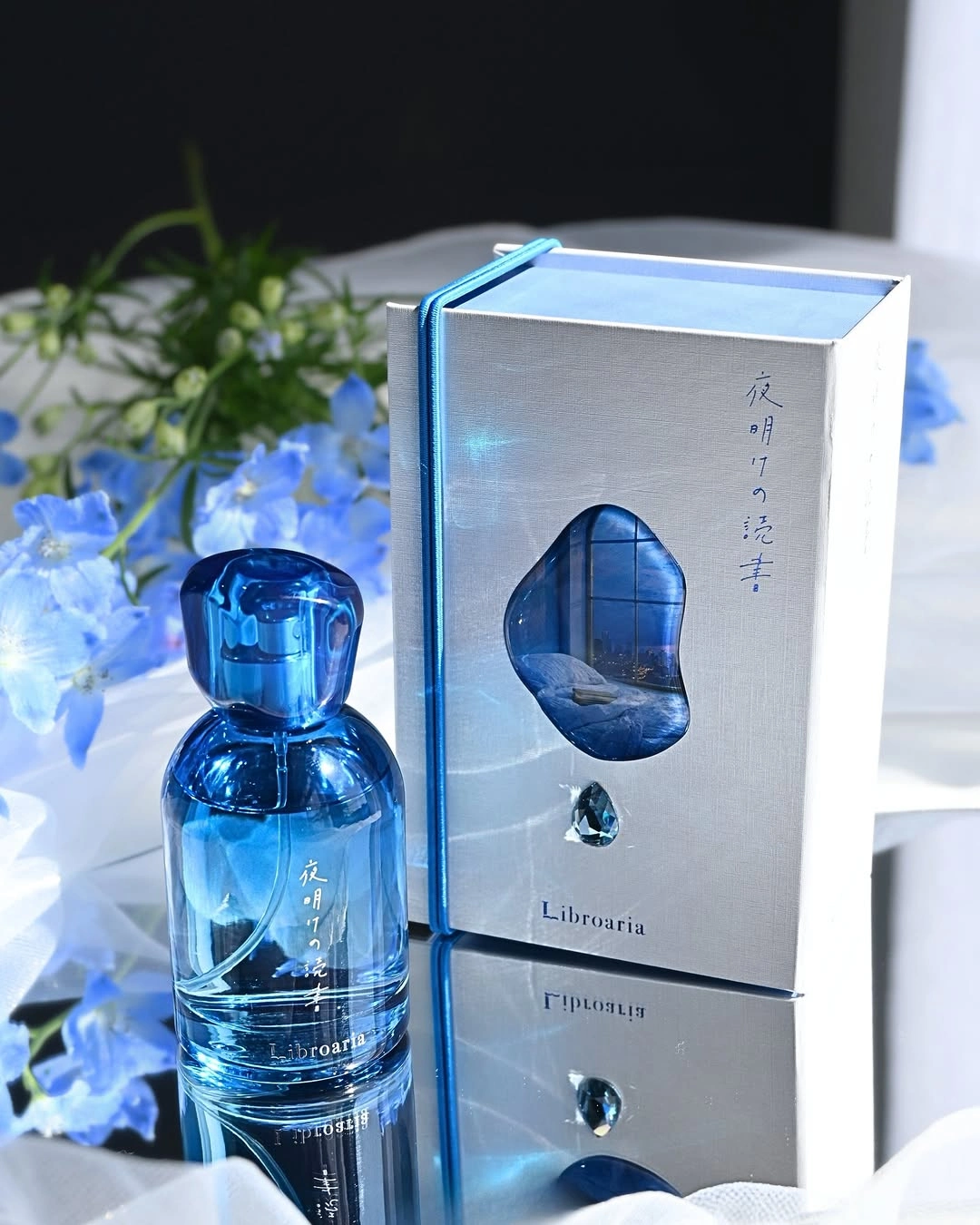
Identify the complete bottle and the opening arrangement before planning the interior sequence. Third-party reference; not a Bravo Package project.
PERFUME PACKAGING · BOOK-STYLE BOXES
Design a book-style perfume box around the complete operation: find the opening, release the closure, open the cover, see the contents, remove the bottle, replace it and close the pack. The inside-cover message, bottle orientation and position of an information card all affect that sequence. An orderly layout does not establish easy product access. Review the final bottle, insert and every accompanying item together.
Define the opening direction and use position
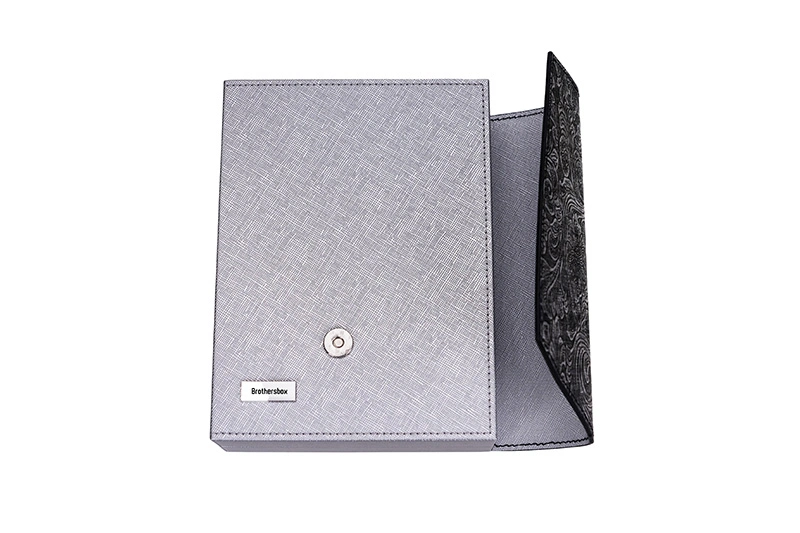
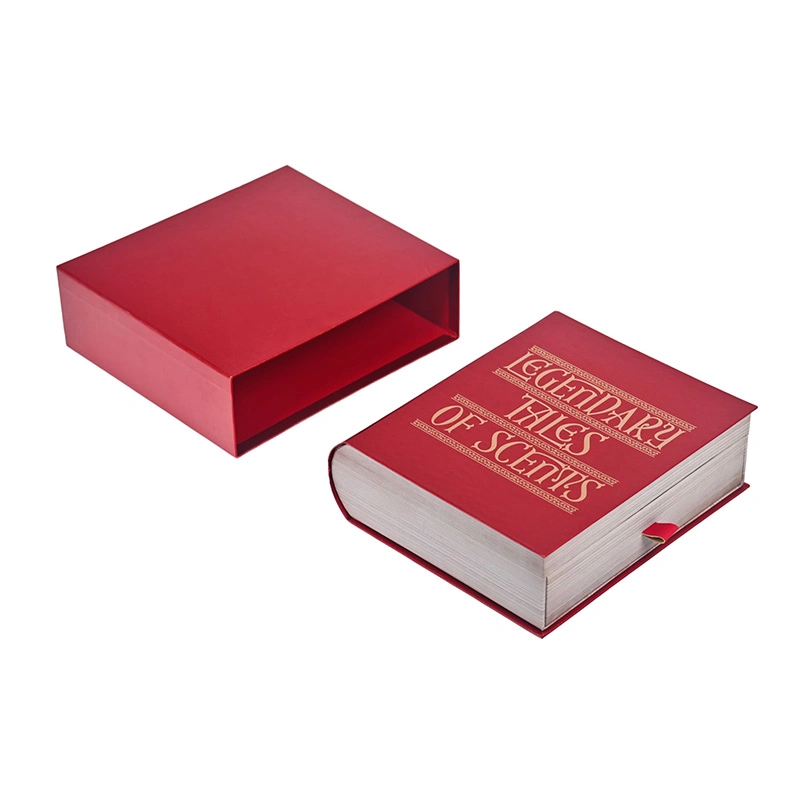
A request for a box that opens like a book leaves several decisions unresolved. Identify the outer case, inner tray, insert and closure separately. State which side opens and where the cover should sit during use. Book-style packaging can use different closures and constructions, including designs supplied flat for assembly. The name alone does not establish assembly steps or suitability for upright display.
Describe the intended setting before approving the layout. Will the pack open on a table, be held during presentation or be used repeatedly at a counter? Review a sample in that setting. On a table, observe whether the open cover occupies the space needed to reach the bottle or interferes with nearby objects. For handheld use, establish where the pack is supported and how the other hand opens it and removes the product. Do not promise one-handed opening or a universal opening angle from a rendering.
Include an outer sleeve, band or carrying feature in the sequence when present. A carrying handle, an opening ribbon and a bottle-retaining component serve different purposes. A handle shown in a photograph does not establish that the loaded pack can replace another carrying arrangement. Confirm the intended load and handling method with the corresponding physical sample.
Organise the first view inside the box

Consider the closed cover, inside cover and product area as related information surfaces. What should users see first? Which direction should the bottle label face? For a discovery set, can users match each fragrance name or number to its position? Check those relationships in the artwork and in the assembled pack containing the actual products.
The inside cover can carry brand or product information. Extra printable area does not require more text. Important information should remain readable in the intended open position and clear of folds, connections and closure contact areas. Confirm the relevant locations using the structural drawing and finished sample rather than an assumed universal safe distance. Review text direction, decorative finishes and bottle labels together.
A card placed over the bottle creates an additional action. Decide whether that action is intentional. Check whether users can find where to lift the card, where it goes after removal and whether it interferes with the cap or closure when returned. A visually attractive cover sheet should be reviewed as a physical component of the sequence.
Design the insert for display and bottle access
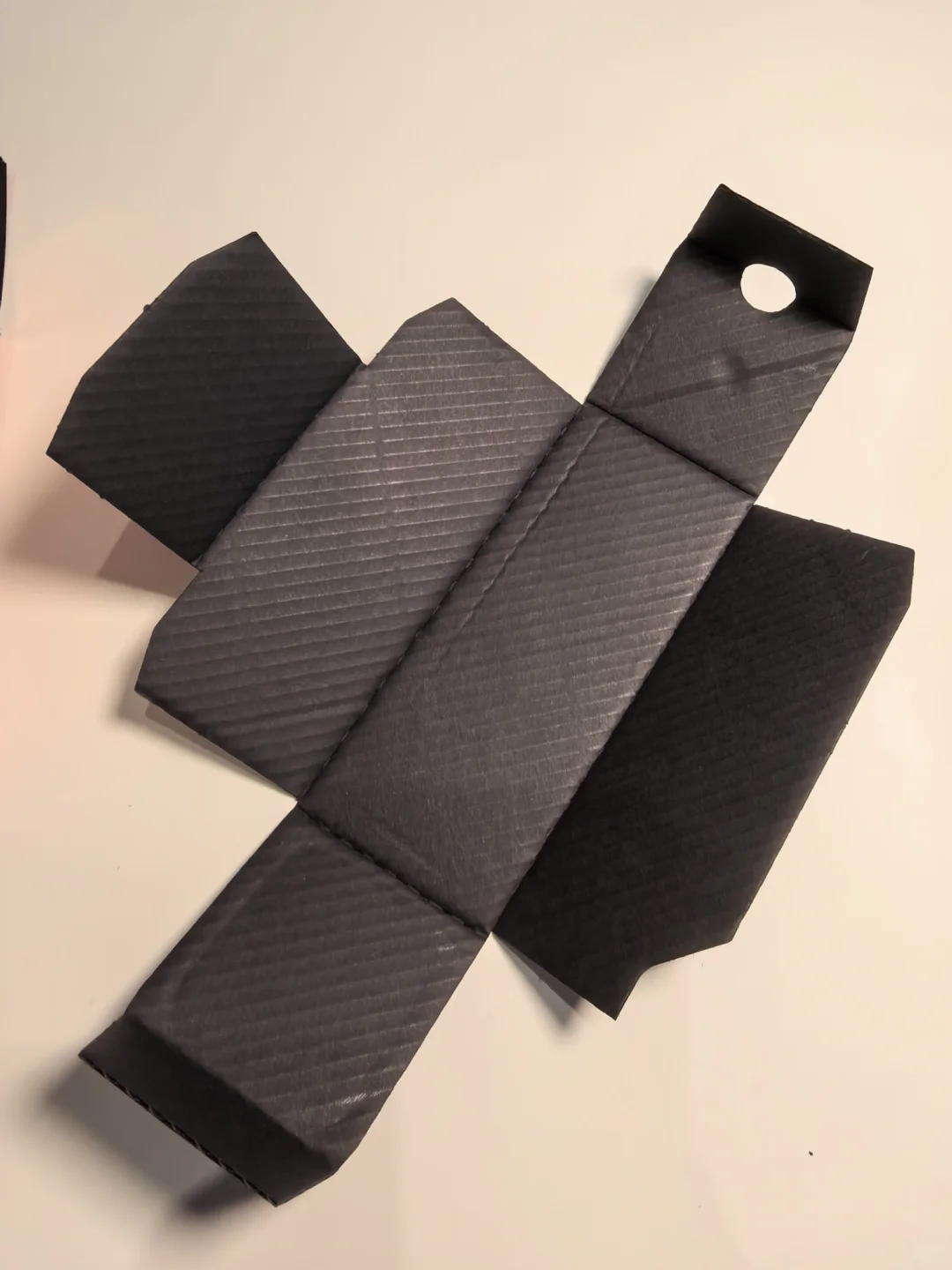
Use the actual product shape and complete set as the layout inputs. Include the cap, pump, label, pendant and other projecting features. Discuss how much of the bottle should remain visible alongside the area users need to grip. A closely fitted appearance does not establish suitable access.
Remove the bottle during review. Can fingers reach the body, or does the layout encourage pulling only on the cap? Does the label rub against the opening? Does the cover or tray wall obstruct the hand? Record the movement and location of any difficulty so the supplier can assess the insert shape, seating depth and surrounding components. Avoid a universal finger-notch dimension, fit value or material thickness taken from an online example.
Paper inserts, foam and other supports are different construction choices. Their names alone do not establish scratch resistance or breakage protection. Where a support has a covering, inspect its contact surfaces, seams and visible adhesive. Presentation, product access and shipping protection each need their corresponding review; an empty-box image cannot substitute for validation with the actual contents.
Review every item and its return path
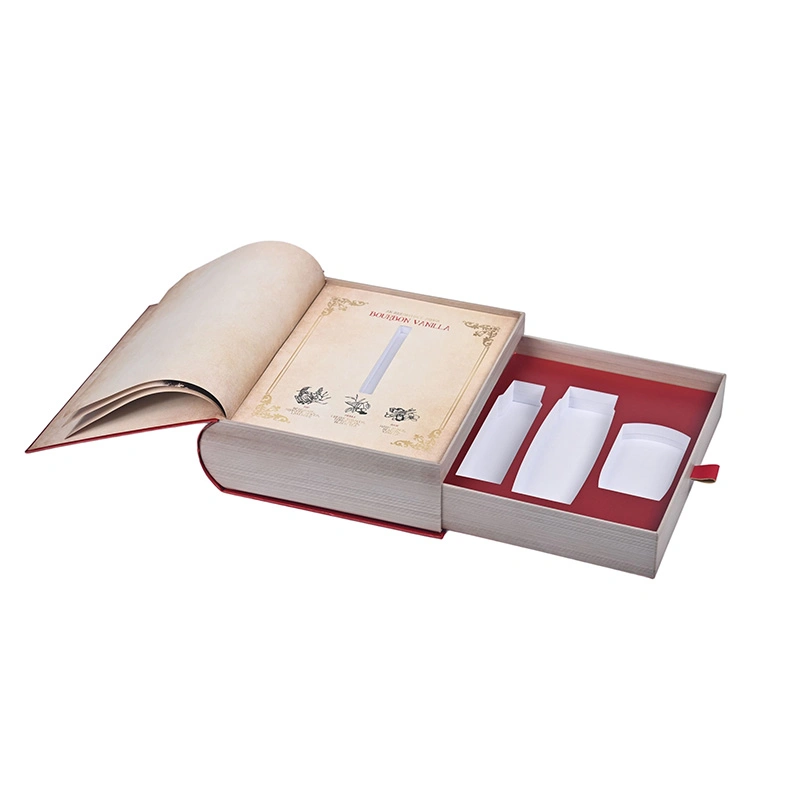
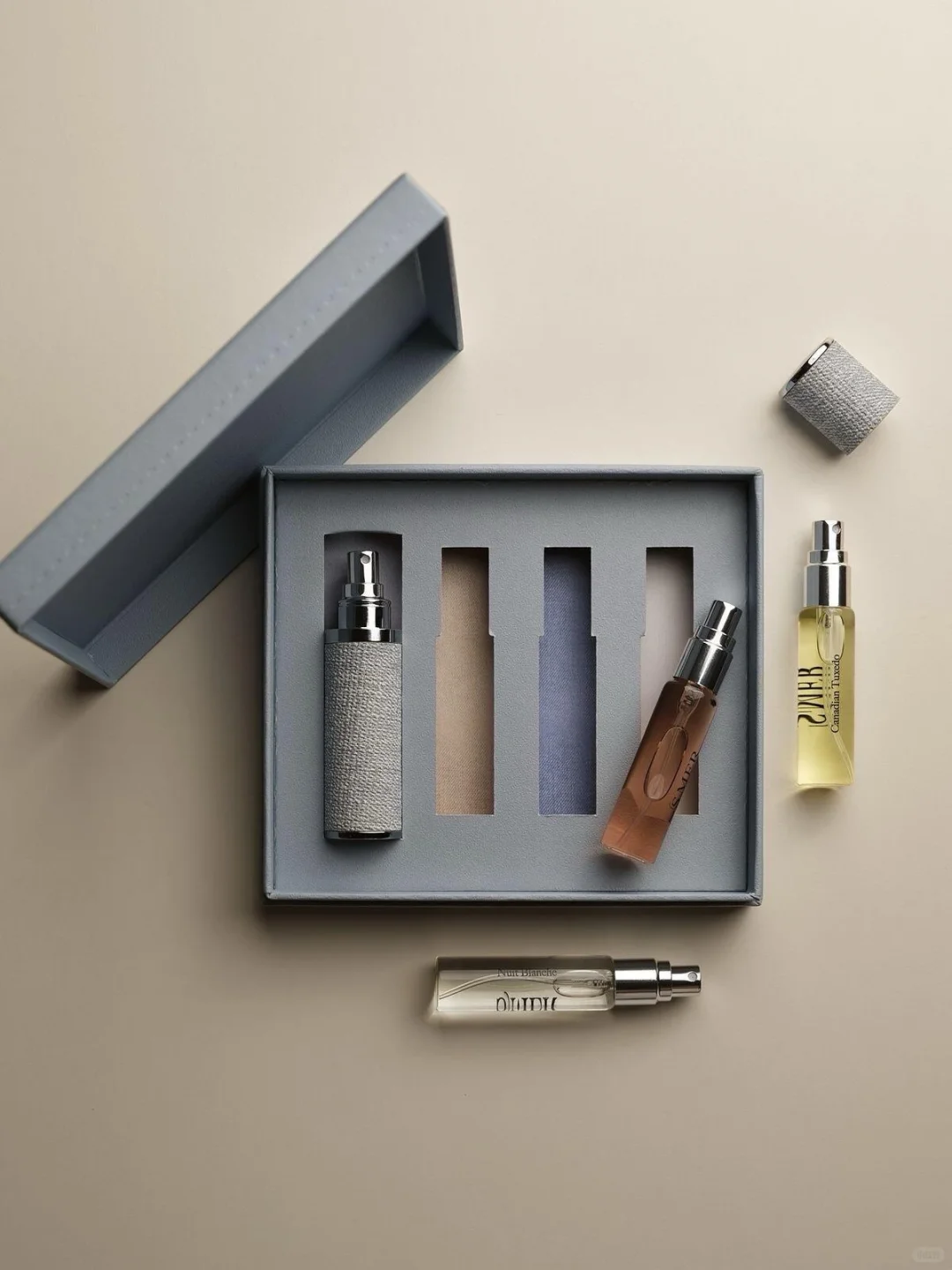
List all contents before deciding whether anything must be removed first. A card over the samples or an accessory below a bottle changes the sequence. If the design includes a moving or removable inner layer, state which components remain fixed and which may move. Observe the other products while operating that layer.
Do more than remove the first bottle. Take out and replace each item using the intended sequence. Check whether neighbouring items shift, cards bend or accessories enter the closure area. Fragrance names and positions should remain easy to match during replacement. If a particular order matters, make that order identifiable in the pack rather than relying on a salesperson to explain it.
Close the box after returning the contents. Look for unwanted contact involving the cap, pump, card, ribbon or cover. If users must hold a component down to close the pack, include that action in the review. A newly packed display arrangement does not show the whole experience of using and repacking the set.
Check opening behaviour with the final finish
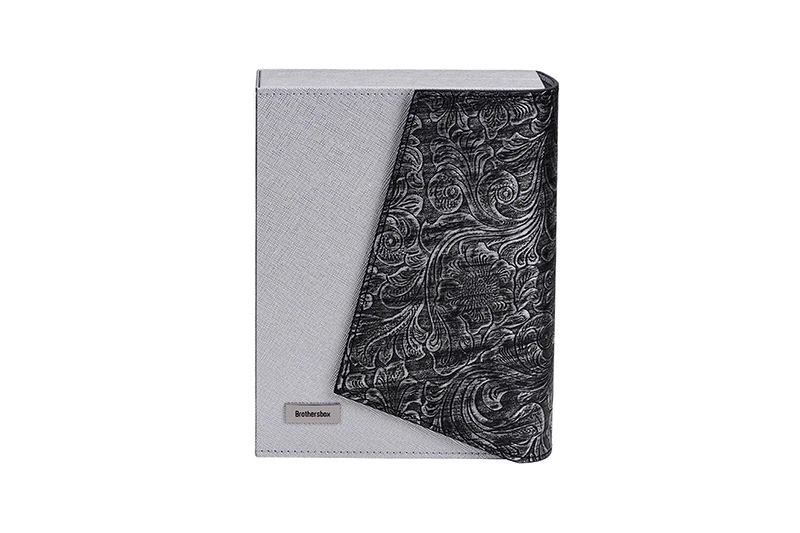
An early structural sample can help establish layout and movement. Changes to the final wrapping paper, surface finish, connection, insert or closure may require the relevant actions to be reviewed again. Appearance approval does not automatically approve opening behaviour. A rigid appearance is not evidence that the cover will remain aligned or connections will remain secure.
Record observable conditions: whether the cover reaches the intended closed position, whether it springs back unexpectedly, whether a connection lifts, whether the insert moves and whether contact areas show rubbing, exposed board, bubbles or adhesive marks. Link each observation to the sample number, location and handling action. Ask the supplier to investigate rather than assigning a single cause from appearance alone.
If the project needs measured opening, carrying or repeated-use requirements, agree the configuration, method and acceptance conditions. Online cycle counts, generic magnetic-force claims and fixed lead times should not become project conclusions. Closure and protection during delivery also require review of the sales pack, sealing arrangement, shipping carton and actual packing configuration.
Record the approved sequence and component versions
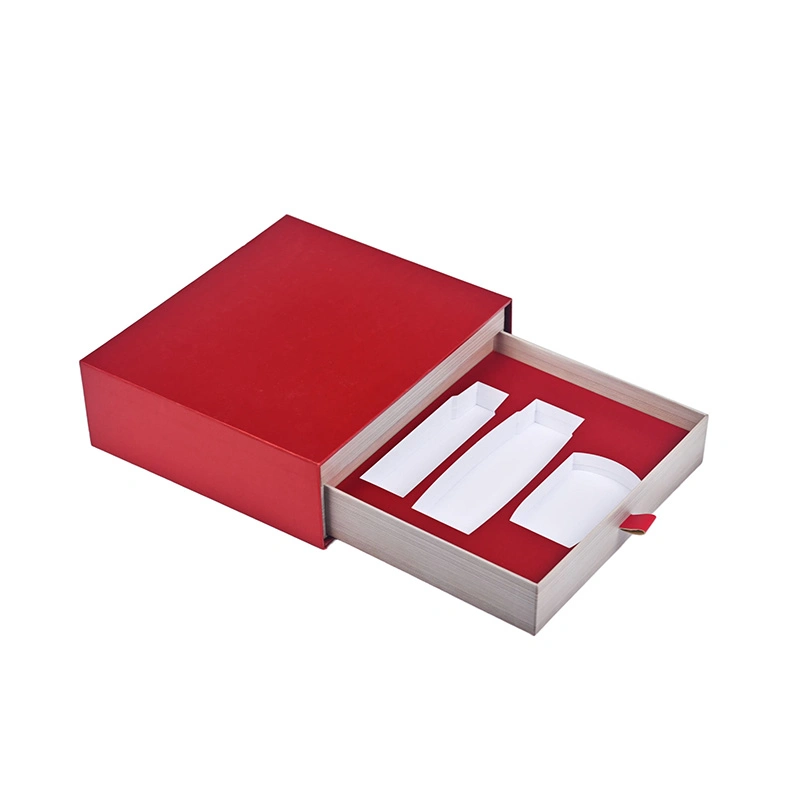
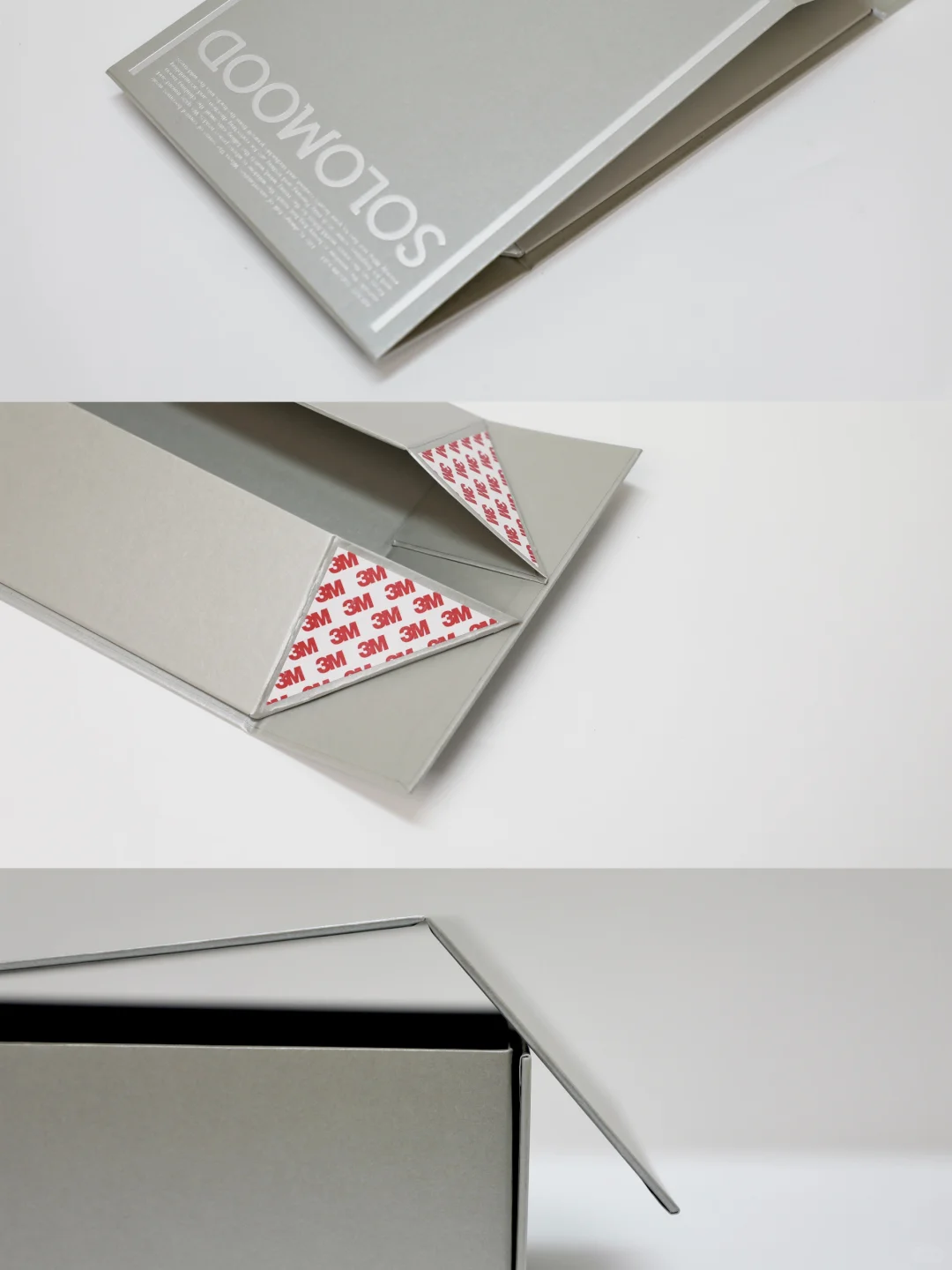
Link the approved sample number to the structural drawing, outer and inner artwork, contents list, insert and closure versions. A short photo sequence or recording can show the closed pack, closure release, cover opening, first view, removal of each item, replacement and closing. The record should let assembly and inspection staff reproduce the intended operation.
List changes to caps, cards, supports or surface finishes even when the cover artwork stays the same. Decide whether the change requires another review. Quotations and reorder records should refer to the same configuration, helping prevent comparisons between samples containing different products or constructions.
A useful book-style perfume box presents information clearly and supports a natural sequence of actions. Decide what users should open, read and remove, then check every step with the complete physical configuration. That makes the intended experience something the brand and supplier can discuss and assess together.
Photographs are third-party packaging references, not Bravo Package manufacturing projects or performance evidence. Confirm materials, construction, dimensions and acceptance methods for the specific project.