
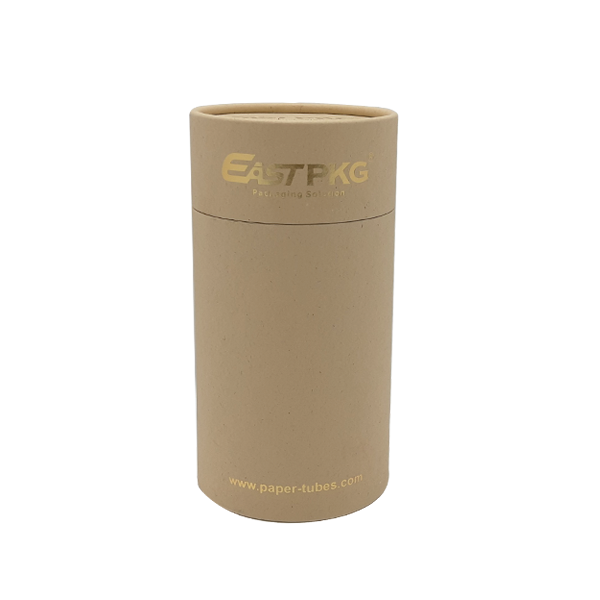
A cylindrical silhouette is one starting point for the comparison. This empty supplier sample does not establish bottle fit or transport protection. Third-party reference; not a Bravo Package project.
PERFUME PACKAGING · TUBES AND RECTANGULAR BOXES
A paper tube and a rectangular box can both give a fragrance a distinctive presentation. The useful comparison goes beyond which silhouette looks better in a photograph. What can a customer read on the shelf? How do they lift out the bottle? How many complete packs fit into the shipping carton?
Compare two complete proposals for the same bottle, cap, label and accessories. Also define the rectangular option: a folding carton and an assembled rigid box can have very different delivery and assembly arrangements. Treating both as one category can hide the differences you are trying to measure.
Compare the information customers can actually see
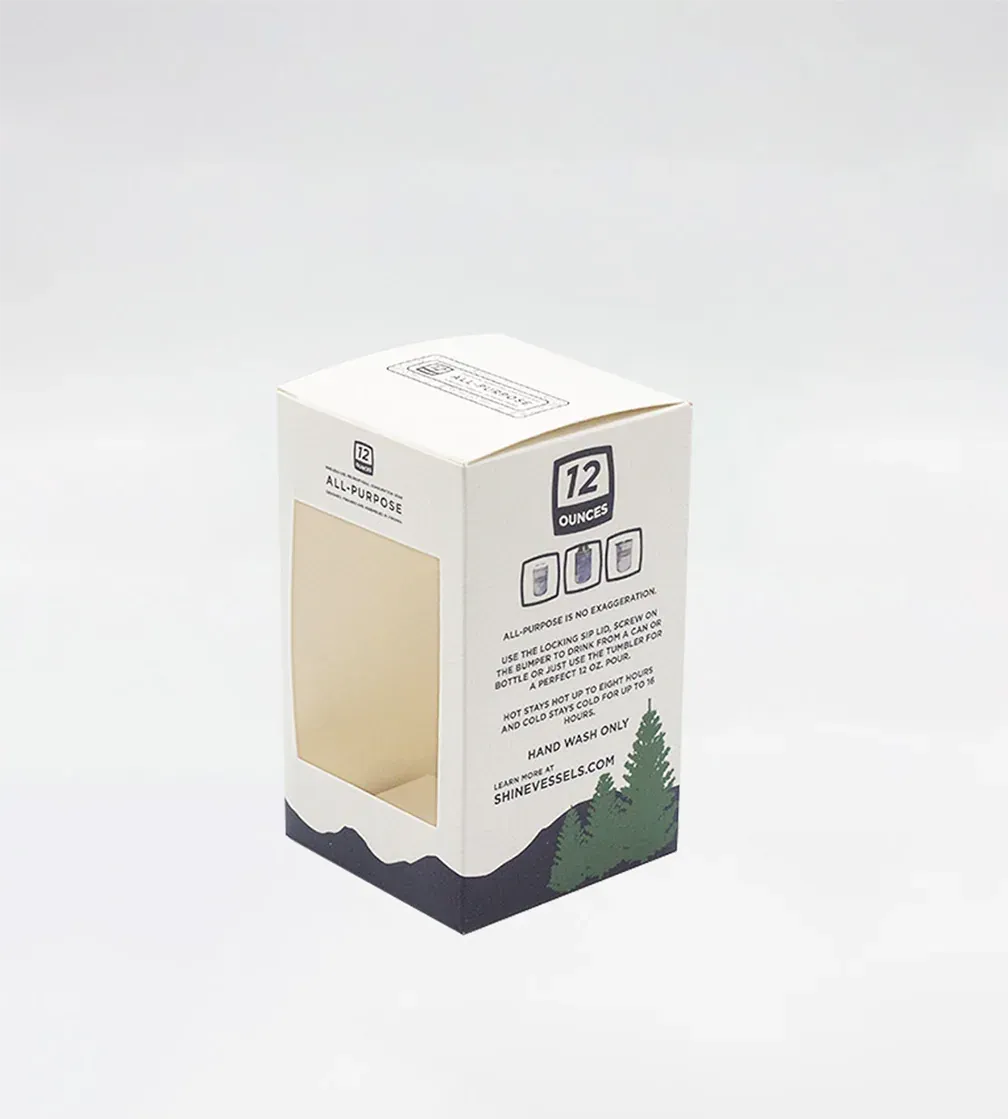

A tube offers a continuous curved surface. A rectangular box offers separate flat panels. A curved surface does not make every word visible from every direction: customers see the part facing them at that moment.
Place the brand name, fragrance name, size and other required information on a sample at its intended scale. View it from the planned shelf distance. Does important text wrap out of sight? Does the label seam interrupt the name? Must someone turn the pack to distinguish one fragrance from another?
A rectangular front panel can provide a clear main display area, but it still needs a readable layout and a consistent facing direction. A narrow panel or a neighbouring pack can hide information. Arrange both samples on a shelf and record their height, footprint and visible information. Choose on the evidence of that arrangement rather than assuming that one shape always attracts more attention.
Test opening and bottle removal together
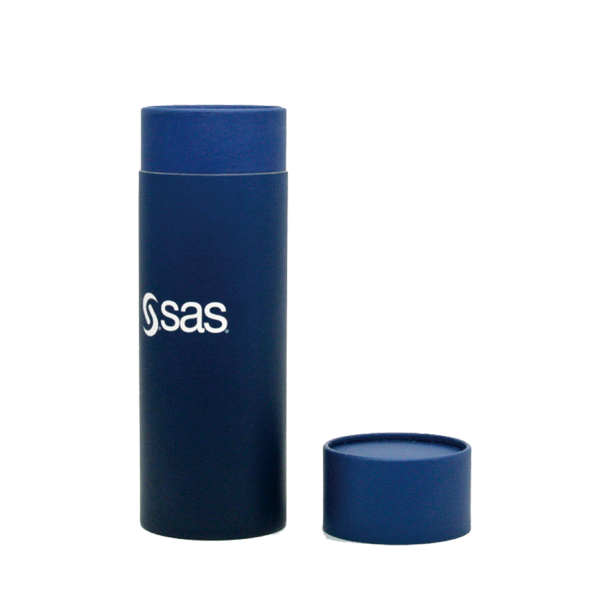
Write down the intended sequence: hold the base, release or remove the lid, find a safe grip on the bottle, lift it out, then return it and close the pack. A tube may have a separate lid or another opening structure. A rectangular box may use a tuck flap, drawer or hinged cover. Shape alone does not describe the opening action.
Ask where the removed component goes and whether the customer needs a second hand to support the pack. Test with the final capped and labelled bottle and every included accessory. Can fingers reach the bottle body, or can they only grasp the cap? Does the insert come out with the product? Does the bottle sit too far below the opening?
Making a pack tighter is not a universal remedy. Record the observed problem, ask the structural developer to propose a change, and repeat the check on the revised sample.
Separate usable dimensions from outside dimensions

For a tube, record the usable internal diameter and height, together with the relationship between lid and body. For a rectangular pack, record usable internal length, width and height. The drawing should identify measurement points and the tolerances agreed with the supplier.
The bottle's maximum outline, projecting cap, insert and accessories all affect the space required. Nominal fragrance volume does not determine packaging dimensions.
For shelf planning and shipping-carton layouts, use the maximum outside dimensions of the complete closed pack. Include projecting tabs, cords, handles or decoration. Comparing a tube's internal diameter with a rectangular box's external width will produce a misleading result.
If the proposals use different support arrangements, list those differences before calling either one more compact. Space saved by removing an insert is a change in the packaging system that needs its own evaluation.
Build a carton layout before claiming a space saving
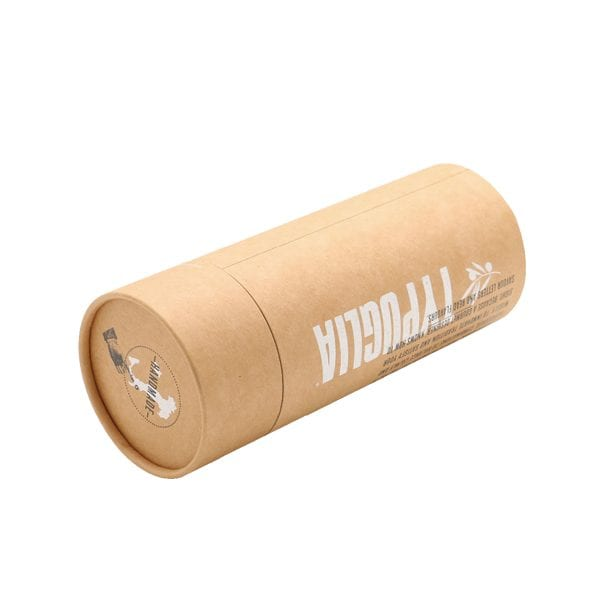
Tubes can leave gaps between their curved walls. Rectangular packs can be arranged in rows, but their final count still depends on outside dimensions, carton inside dimensions, dividers, cushioning and permitted orientation. A staggered arrangement may also be proposed for tubes.
Do not compare only the empty area in a cross-section. A theoretical packing pattern is not a confirmed shipping configuration. Request a packing record for each option: carton inside and outside dimensions, packs per layer, layer count, total packs per carton, dividers, cushioning, gross weight and loading orientation.
For a simple, unrotated row layout, dividing usable carton width by pack outside width and rounding down gives an initial upper limit for that row. Repeat the check along the other dimensions. This first calculation does not establish loading clearance or protection requirements; confirm it with a physical packing trial.
One useful common measure is external carton volume divided by the number of acceptable packs loaded into it. Keep gross weight and an actual freight quotation alongside that figure. A smaller volume does not automatically mean a lower freight bill: the charging method, shipment size and route also matter. The geometric volume of an individual tube is not a substitute for the space occupied by its complete shipping arrangement.
Distinguish empty-pack delivery from finished-product shipping
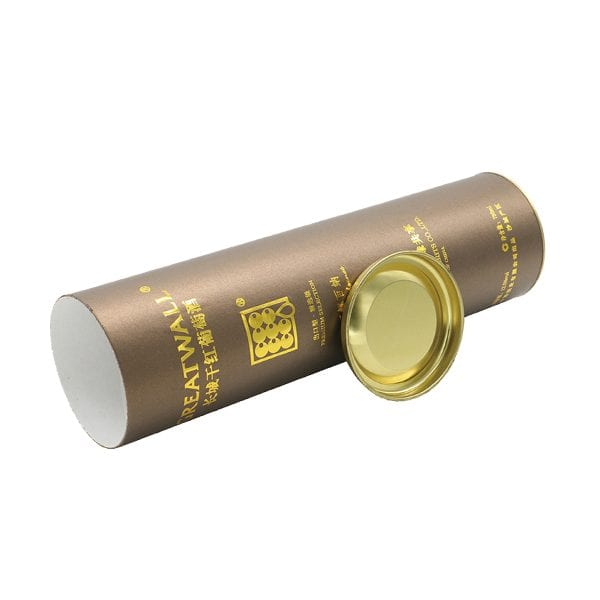
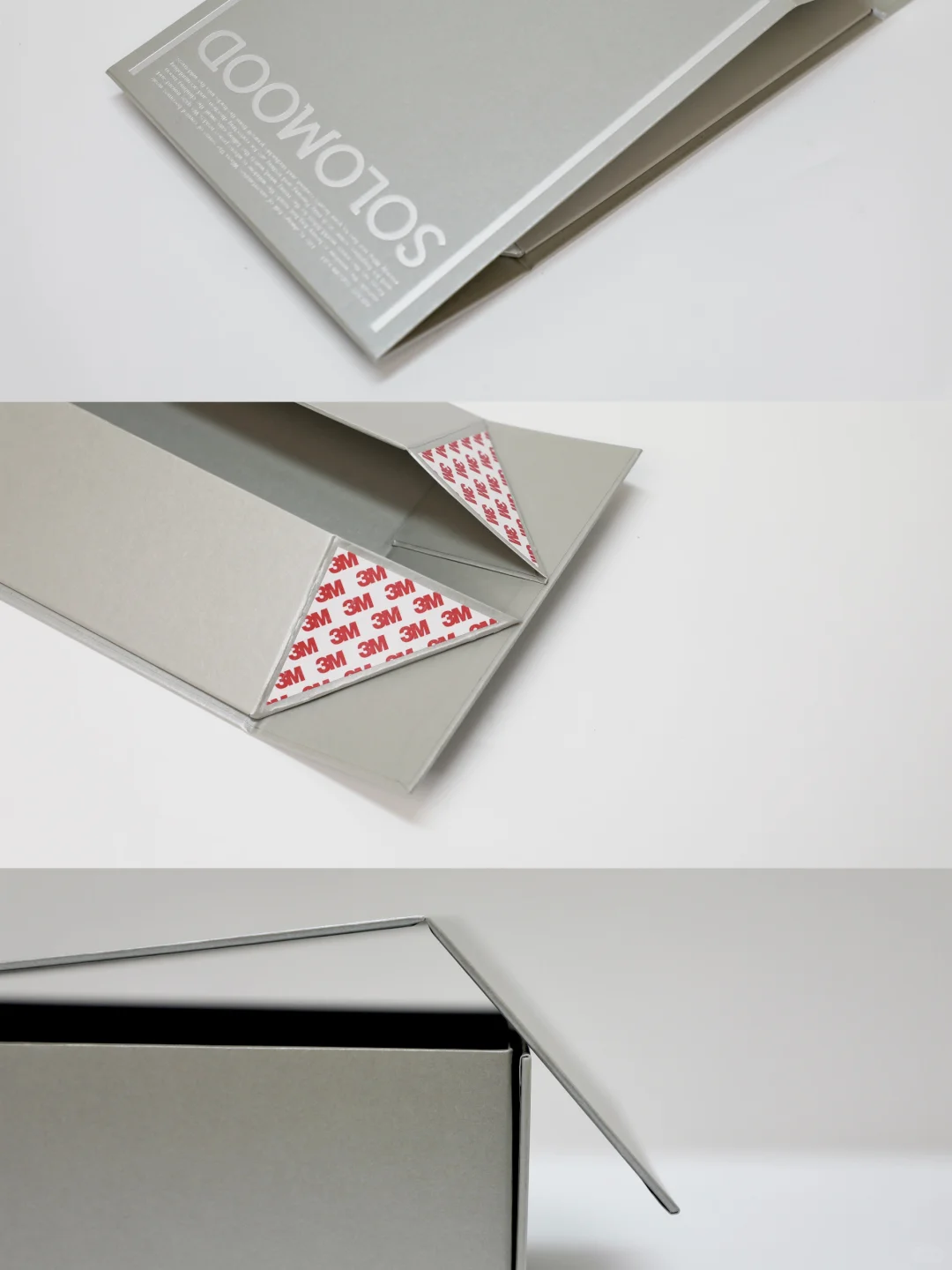
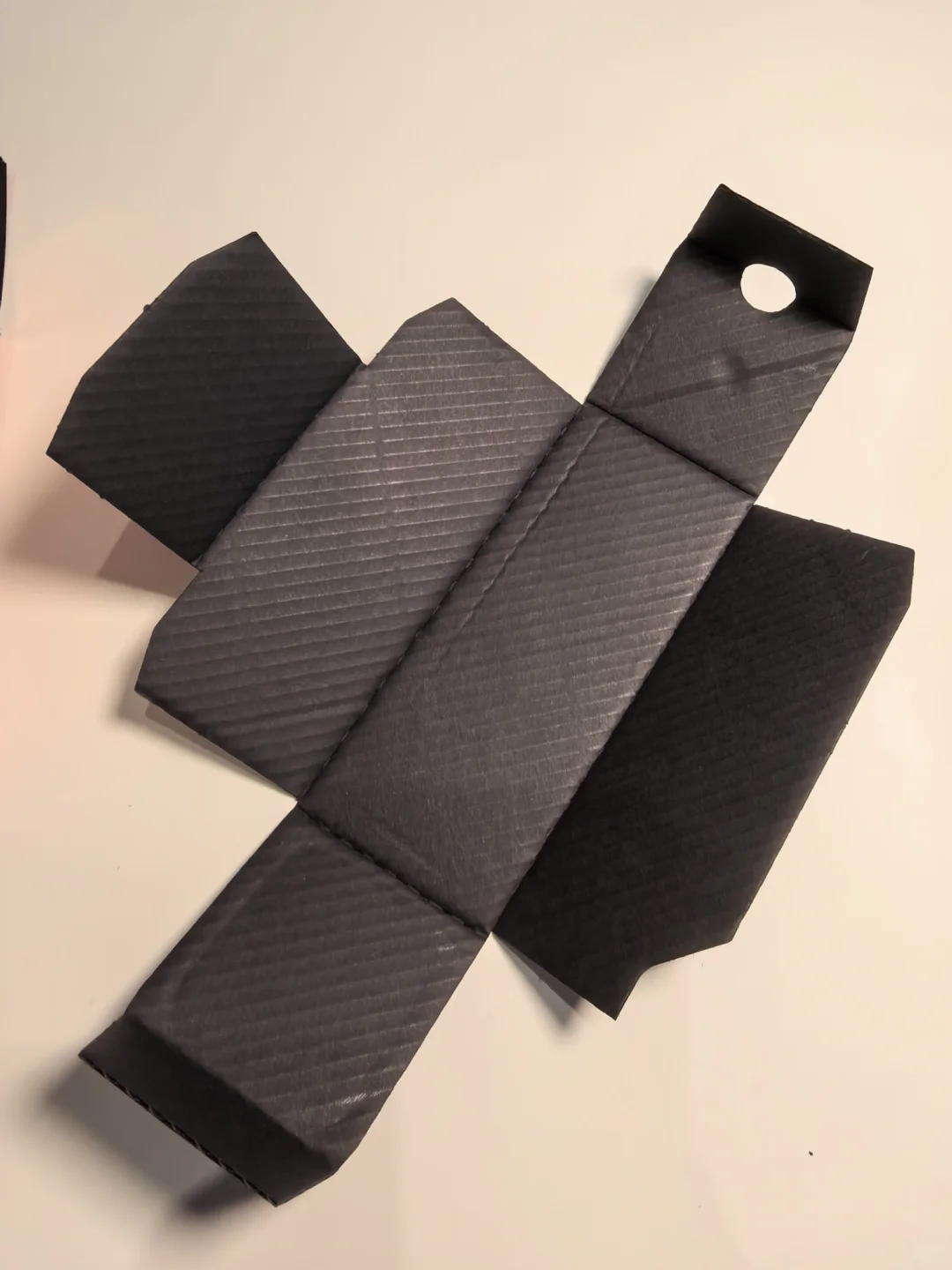
Ask how the empty packaging arrives. Is it assembled, flat, or partly assembled? Are inserts, dividers and sleeves supplied separately? A folding carton may have a different inbound footprint from a tube, while a rectangular rigid box may also arrive assembled. Shape does not settle the delivery question.
Record empty-pack storage, assembly work, filled-pack carton configuration and outbound shipping separately. Flat delivery can change empty-pack storage needs while adding assembly tasks. Calculate the actual space and labour implications from the proposed samples and working process. Use the same order quantity and delivery destination when comparing quotations.
Make the decision with one sample comparison record
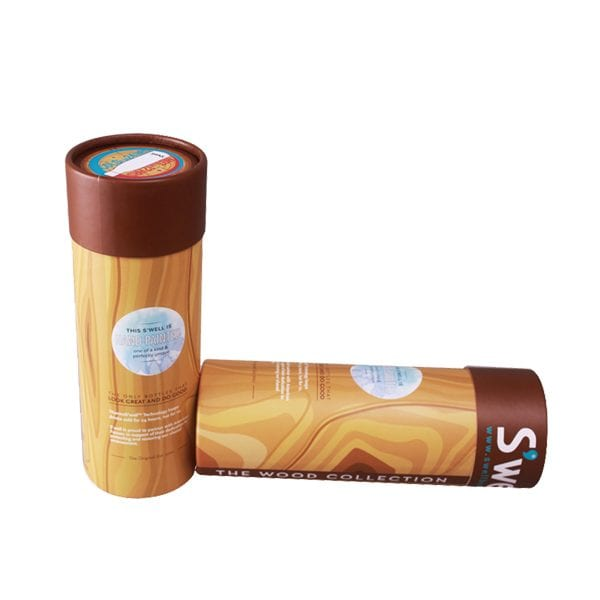
For each proposal, record the bottle version, outer structure, paper and finish, insert and accessories, usable and outside dimensions, main display area, opening observations and empty-pack delivery state. Add carton quantity, carton volume, gross weight, quotation inclusions and unresolved checks.
A rectangular proposal is worth sampling when a defined front panel, consistent facing or a particular row layout matters. A tube is worth sampling when a curved graphic treatment and cylindrical silhouette suit the intended presentation. Both still need bottle support, usable opening and evaluation within the complete transport system. A reference photograph cannot establish protection performance.
Start with the bottle sample, display task and shipping conditions. Send the same information to the structural developer and request a separate list of assumptions and unresolved items for each option. That gives you two comparable proposals rather than two prices whose scope is unclear.