
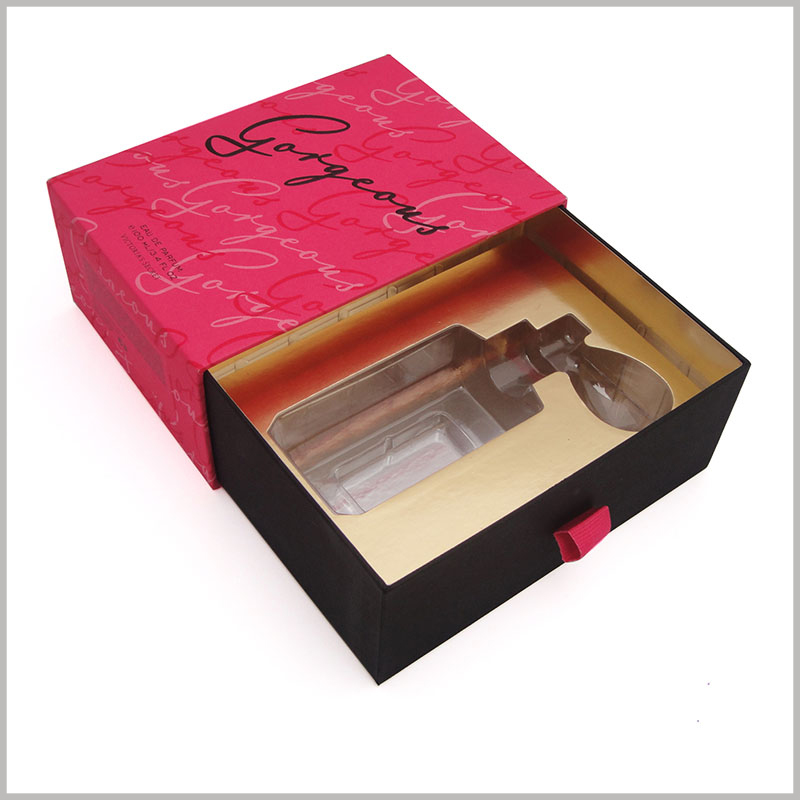
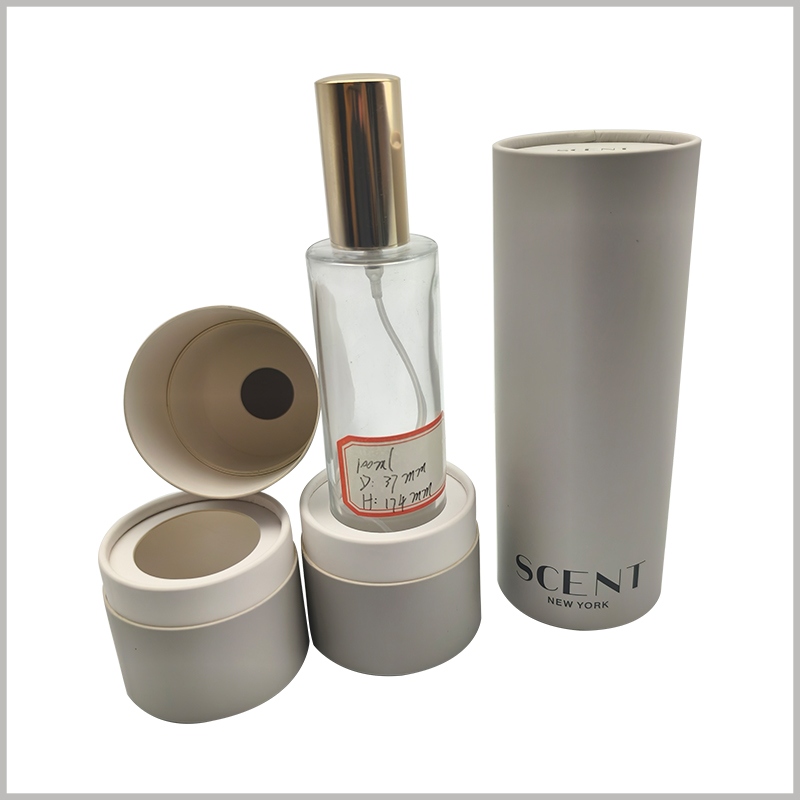
The visible openings identify positions to review. This photograph does not establish dimensions, fit limits or protective performance. Third-party reference; not a Bravo Package project.
PERFUME PACKAGING · BOTTLE AND INSERT FIT
An approved perfume bottle fits its sample insert, but bottles from the next delivery will not seat fully, feel difficult to remove or prevent the lid from closing. That is a reason to investigate the complete configuration. It is not enough evidence to declare the bottles oversized or enlarge every opening. First establish what has changed between the approved assembly and the current one.
Identify the complete approved configuration
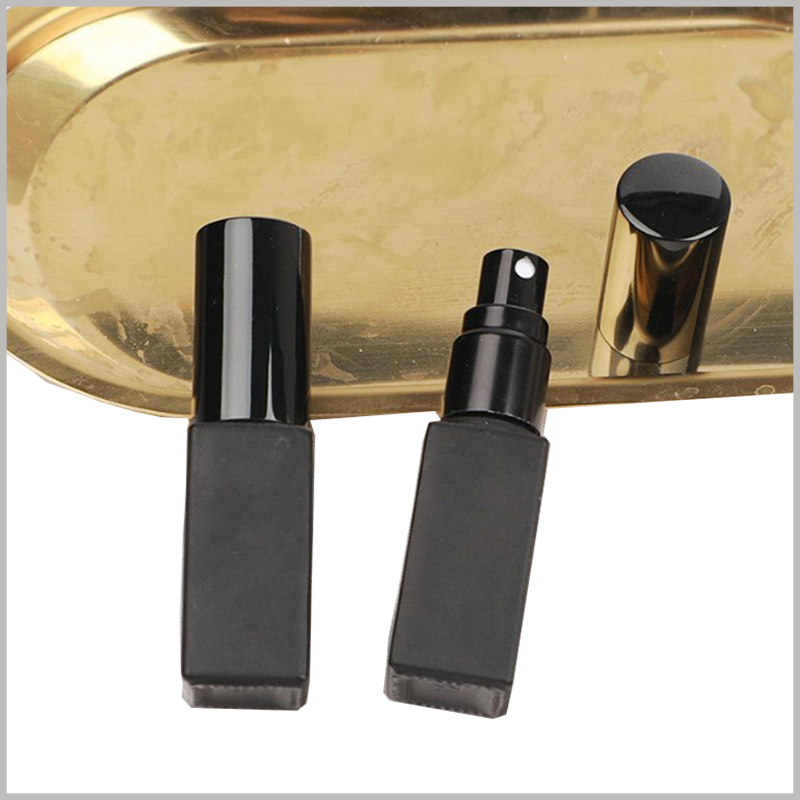
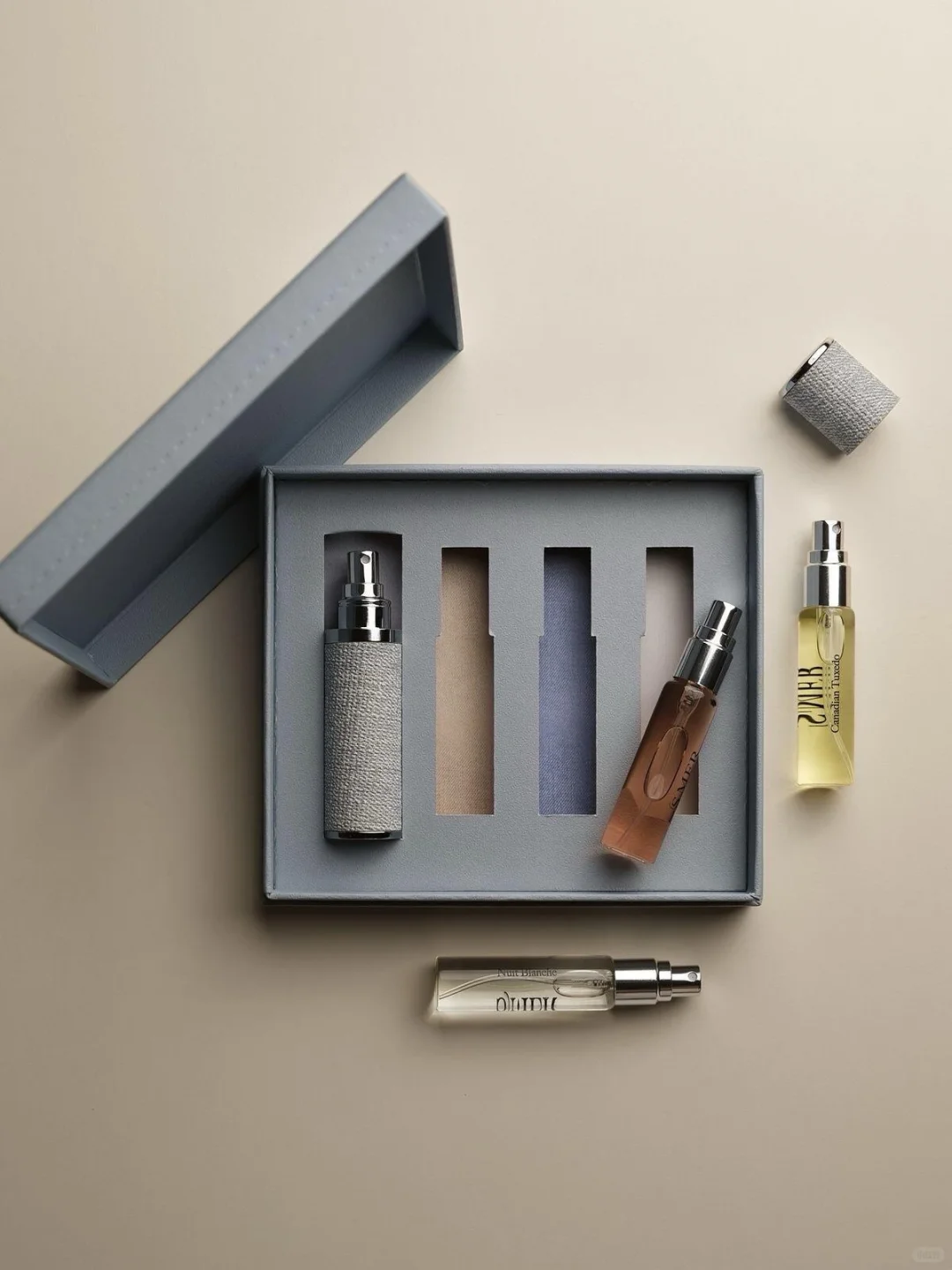
Start by identifying the approved bottle, current bottles, approved insert and current inserts separately. Record the supplier, product reference, available batch identification and the revisions of the cap, pump, decorative components, insert and outer box. Mark unavailable information as outstanding rather than reconstructing it from appearance.
A capacity description is not a dimensional specification. Two bottles described as 50 ml cannot be assumed to have identical outside profiles. A familiar bottle body with a different cap, collar, label or protective covering also needs to be considered as a complete packed product.
Check what the original approval actually covered. Was it a bare bottle, an appearance model, an empty finished bottle or a product with its final components? Retain traceable physical references together with their matching drawings and approval dates. A visual model and a production drawing serve different purposes; neither should silently replace the approved physical assembly.
Locate the interference before measuring
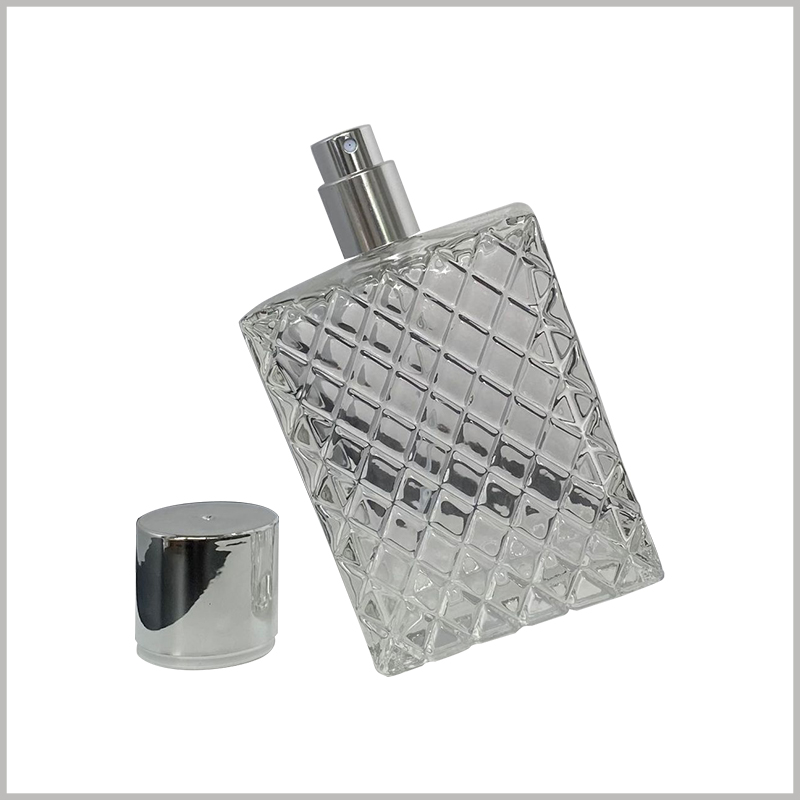
Compare insertion using an identified orientation and a consistent sequence. Record whether the bottle reaches its intended support, where contact occurs and whether the problem appears before or during closure. The relevant contact may involve the base, body, shoulder, cap or a decorative component. Avoid forcing a reluctant bottle into place or interpreting a tight feel alone as proof that a part is outside specification.
Measure at the locations that matter to the contact. A width measured halfway up the body does not necessarily describe the shoulder, a projecting seam or the base profile. For a nonround bottle, identify each relevant direction and cross section. State whether overall height includes the final pump, cap and other components.
Keep nominal dimensions, actual measurements and agreed acceptance limits in separate fields. A dimension on a drawing is not a measurement of the bottle in your hand. It also does not establish an acceptance range for every future batch unless that range has been agreed. If the tolerance or measurement method is missing, request clarification rather than borrowing a universal allowance from another packaging example.
Compare bottle and insert combinations
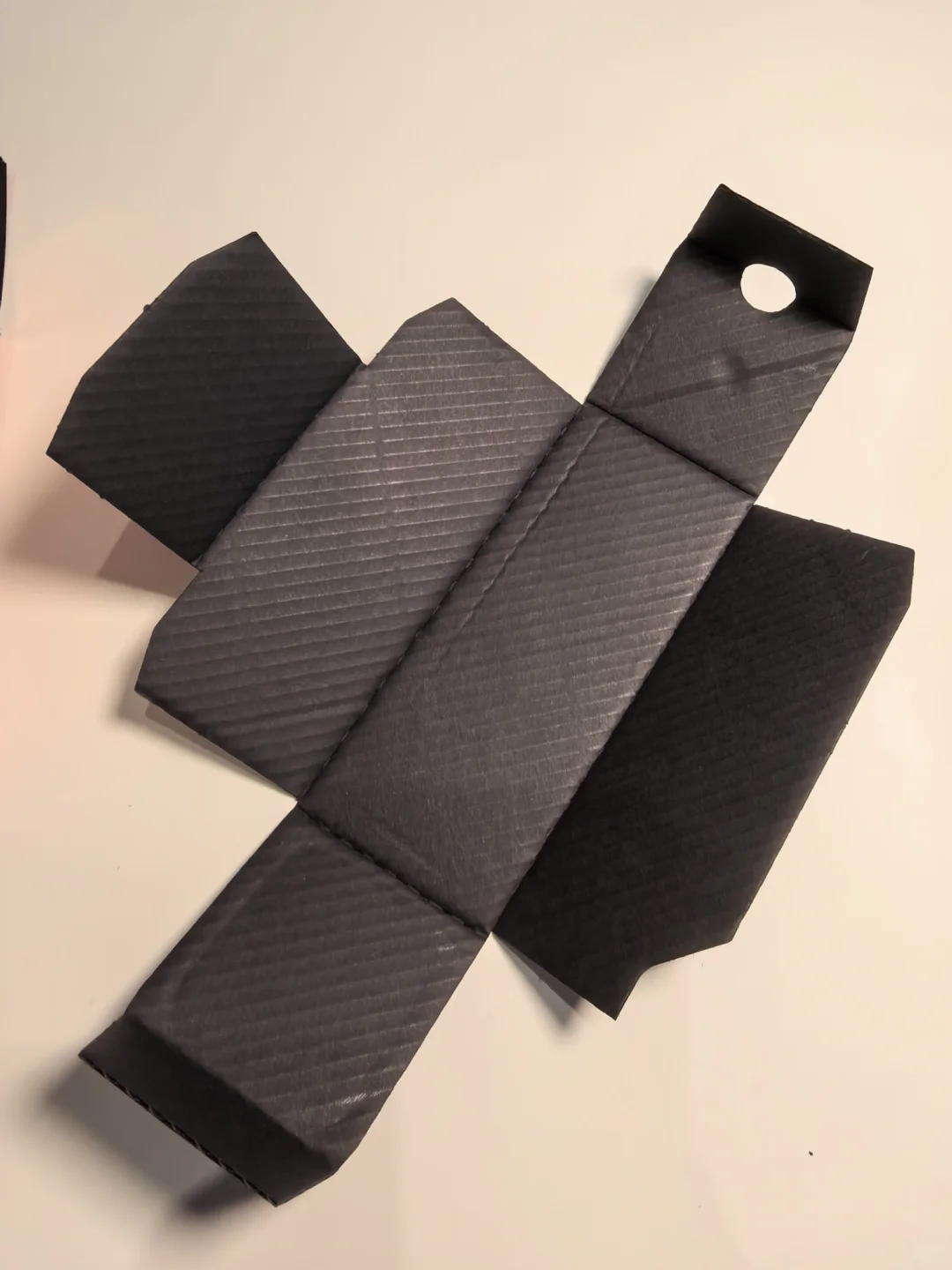
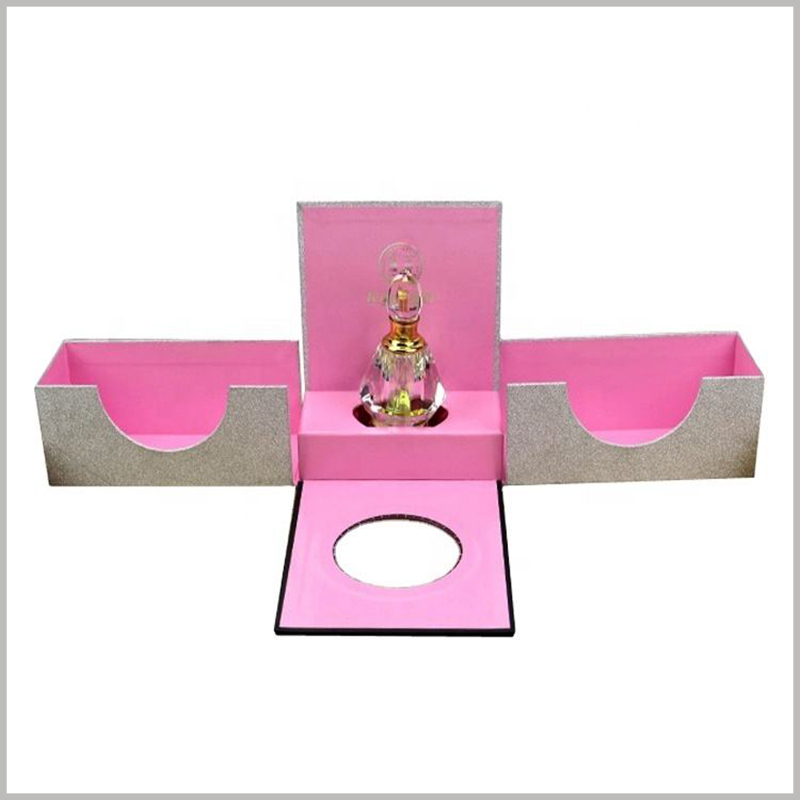
Where suitable references are available, compare the approved bottle with the approved insert, the current bottle with the approved insert, the approved bottle with the current insert, and the current bottle with the current insert. Keep the outer box and component revisions identifiable throughout. Record the result of each combination instead of reporting only that the new sample failed.
This comparison helps direct further checks. It does not assign responsibility by itself. An old insert may have changed condition through repeated use or handling. A small number of examples may not represent the delivery. If an approved physical reference is unavailable, record that limitation and agree on a replacement comparison basis.
If insert versions behave differently, examine the opening profile, formed condition, support locations, material and matching files. If bottles behave differently, check their identities and component records. Individual parts meeting a particular dimensional requirement does not by itself establish that the complete assembly fits as intended.
Keep individual observations traceable
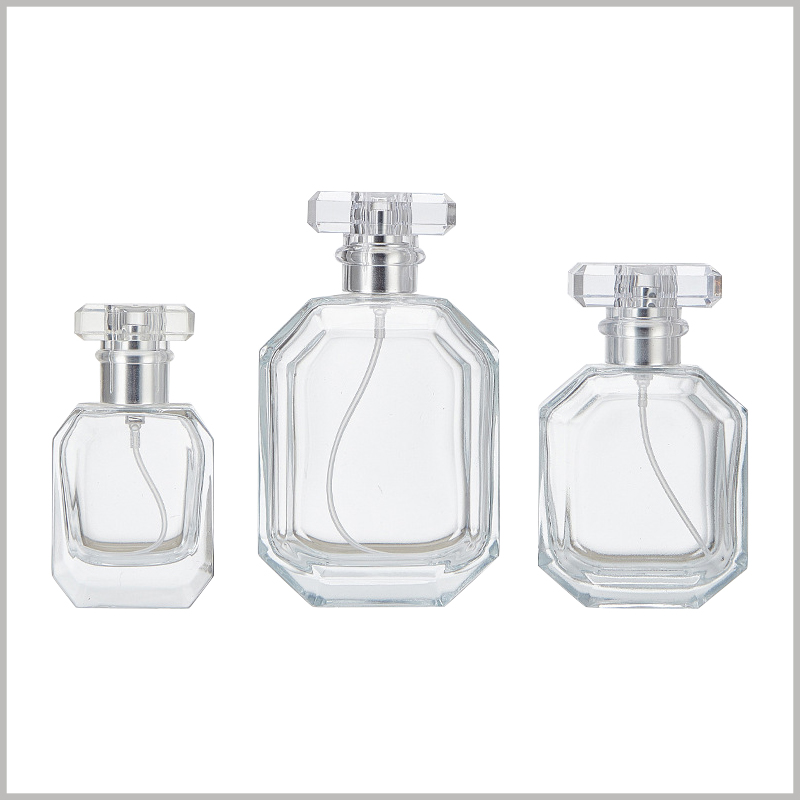
Agree which physical items to examine, how they will be selected and what delivery information they should cover. Depending on the order, relevant identification might include batches, cartons or identifiable mould references. Record the agreed scope; a fixed sample count taken from an unrelated example is not automatically appropriate for this project.
Maintain the link between each item and its observations. Note which bottle was measured, the direction and location, the insert revision used, the point of interference, removal behaviour and closure result. An average alone loses the connection with individual fit. Equally, finding one difficult assembly does not establish the condition of the entire batch without further investigation.
Include the actual supplied cap, pump, label, protective bag and other packed components when relevant. Keep dimensional fit separate from sealing, product compatibility and other container checks. A bottle seating correctly in an insert does not answer those separate questions.
Agree on the required fit before modifying parts
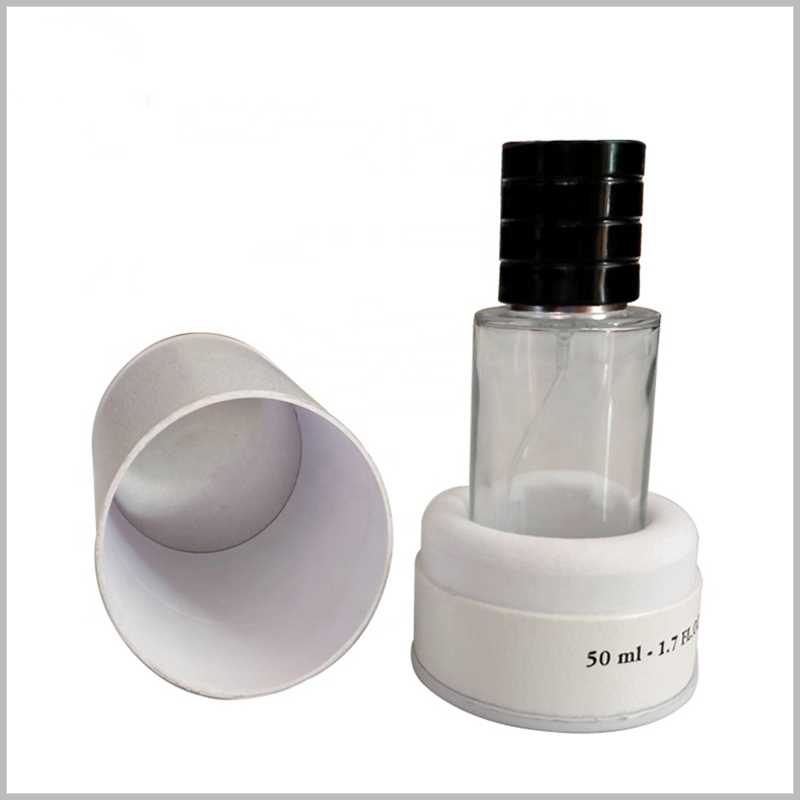
Describe the intended finished condition in practical terms. The bottle should occupy its intended position, relevant components should avoid unwanted interference, removal should follow the intended method, and the outer box should close as designed. Accessories and printed contents need their own identified locations. The parties should agree on the project-specific acceptance method using appropriate physical references.
Enlarging every opening can also change support and removal behaviour. Target a confirmed interference location, document the change and check it with the corresponding physical configurations. Changes to the bottle, cap, insert and assembly method should remain distinguishable. Several unexplained changes in one sample make the result harder to interpret.
Keep the earlier and revised samples with their observations. A successful static fitting check is not evidence that transport protection, drop performance or sealing has been validated. Where transport verification is required, agree on the complete product and shipping configuration and assess it separately. A photograph or a single tabletop fitting cannot provide that assurance.
Turn the result into a reorder record
A renewed approval should identify the bottle and component revisions, insert and outer-box revisions, measurement locations and methods, physical batches examined, observed issues, changes made, confirmation date and responsible parties. Record outstanding verification as well as completed checks.
Before a reorder, flag changes to the bottle supplier, mould, components, surface treatment, insert material or structural revision. Review the affected interfaces and agree whether new samples or other checks are needed. Retaining the product name does not automatically retain the previous approval conditions.
To discuss an insert-fit issue with Bravo Package, prepare the approved reference and current physical products, available batch information, the complete component combination, current insert and box files, and photographs or records showing the interference. These inputs help define the discussion. The proposed solution, acceptance conditions and verification arrangements still need to be confirmed for the individual project.