
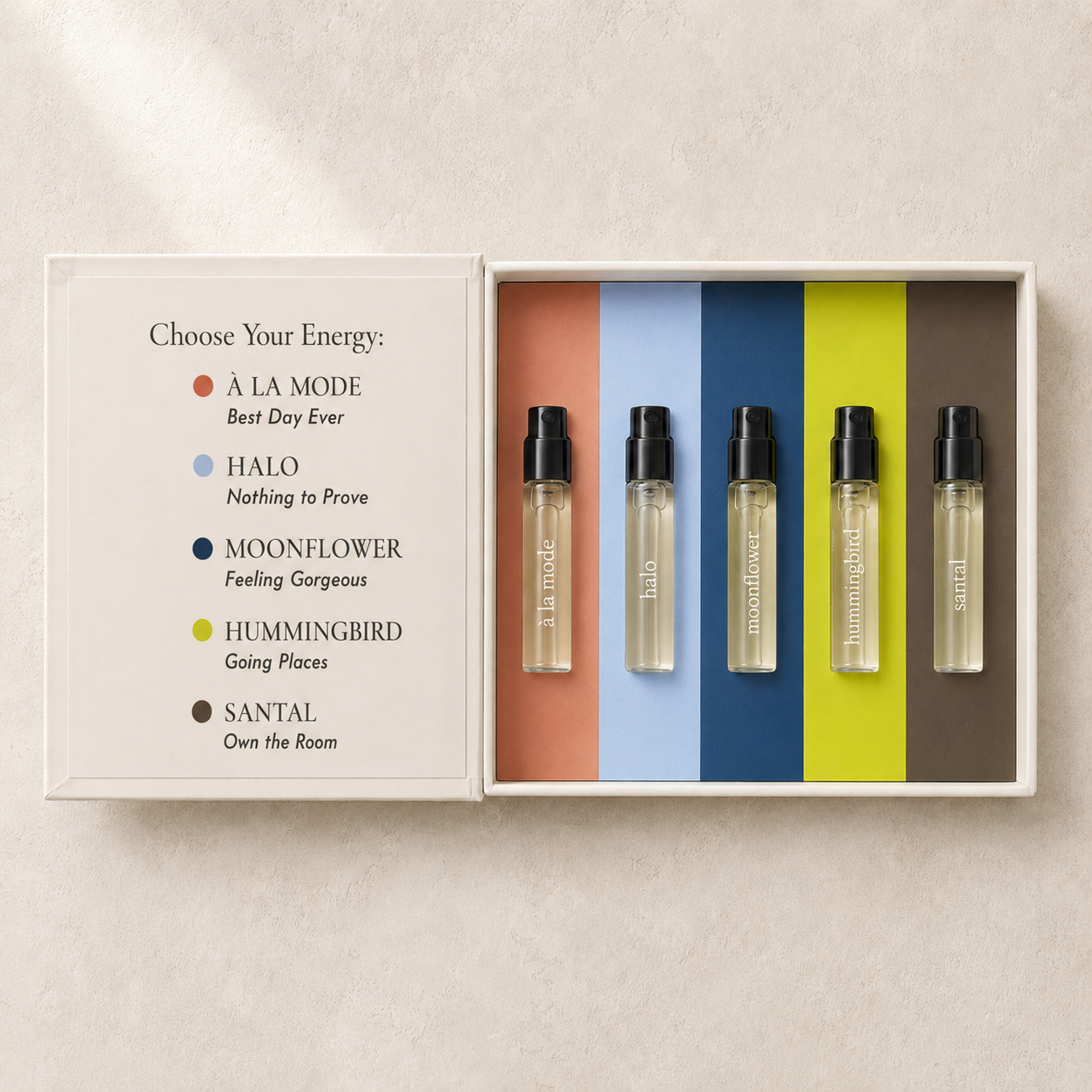
This uniform-format reference shows clear positions and matching names. The article applies these review questions to mixed containers; the photograph does not demonstrate a validated mixed-size pack. Third-party reference; not a Bravo Package project.
PERFUME PACKAGING · SAMPLES AND DISCOVERY SETS
A short sample vial, a longer atomizer and a wider travel bottle can share a presentation, but they do not necessarily share a support specification. A useful layout keeps each container identifiable, accessible and in its intended position. Matching the height of every cap is only one possible visual choice. It is not evidence of fit.
Specify containers, not just liquid volumes

Start with a numbered list of the actual containers in the set. Record the complete height with the closure fitted, the widest cross-section, intended orientation, label position and quantity. Include any cap that projects beyond the body and identify the areas available for contact with the insert.
A capacity such as 5ml describes the contents, not the outside dimensions. Ask for dimensions with explicit units and retain the bottle, closure and label versions together. A new supplier or component version needs another fit review even when the fragrance and nominal fill remain unchanged.
Check the widest and narrowest bottles separately
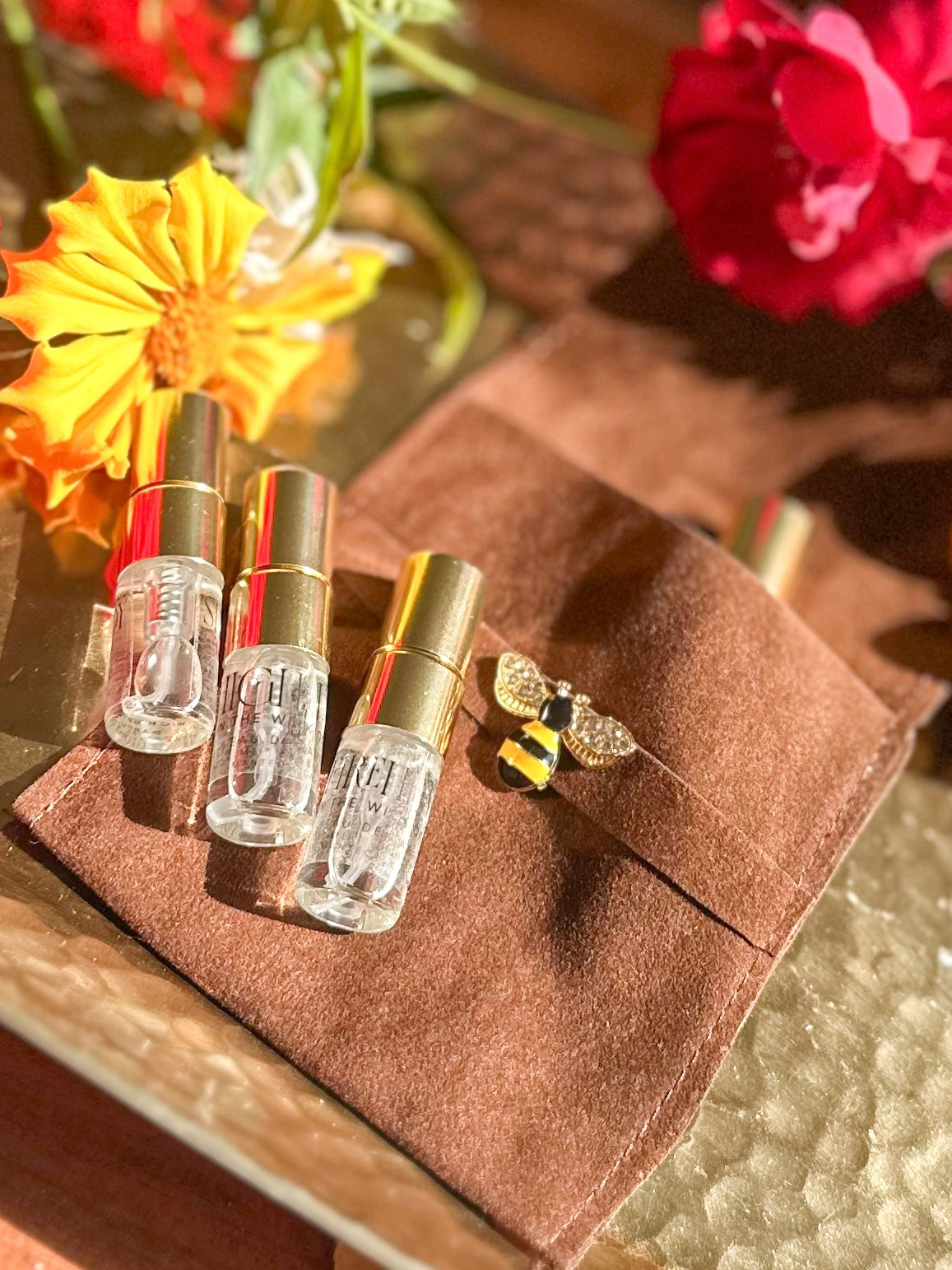
An opening sized for the widest container may leave a slender vial poorly located. An opening sized for the slender vial may prevent the wider bottle from entering. Separate zones, different openings or individual supports are options to prototype against the actual assortment.
Check more than insertion. With the complete set packed, inspect leaning, contact between containers and movement of the support. Inserting a wider bottle should not distort the neighbouring positions. Set clear acceptance criteria with the packaging supplier rather than assuming a universal clearance or retention force.
Resolve height differences through the support
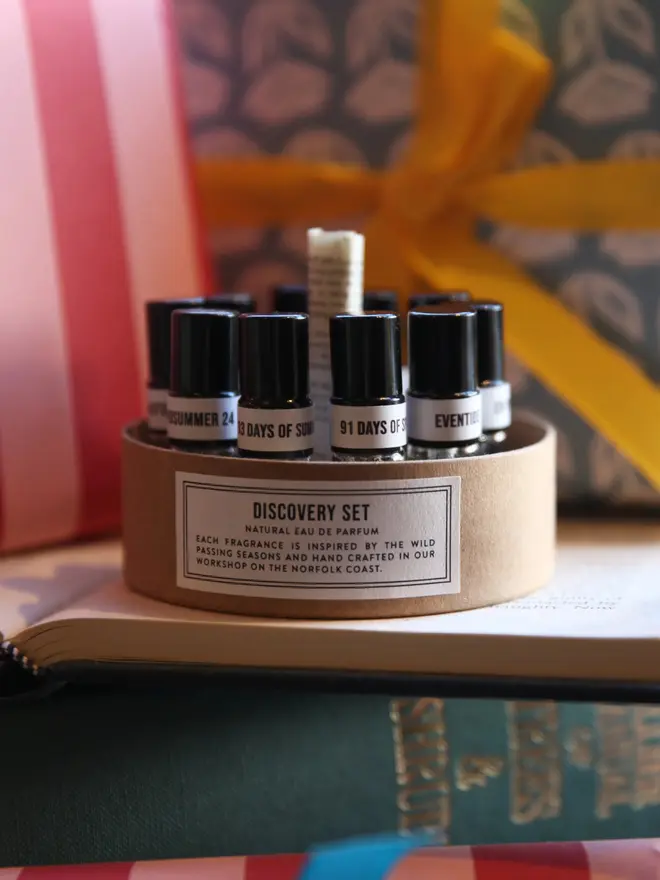
Short containers can sit too deeply to grasp; taller ones can interfere with the lid. Review support depth, the exposed area available for removal and closed-box space for each container. A level row of caps should not require hiding names or pressing on an atomizer.
If raised platforms or local supports are proposed, confirm how they stay in place and how they are assembled. Do not leave their placement to improvised packing. Identify the intended contact areas rather than treating decorative caps, spray heads or label seams as default bearing points. A lid that closes can still conceal an unsuitable contact condition.
Leave room to identify, remove and replace
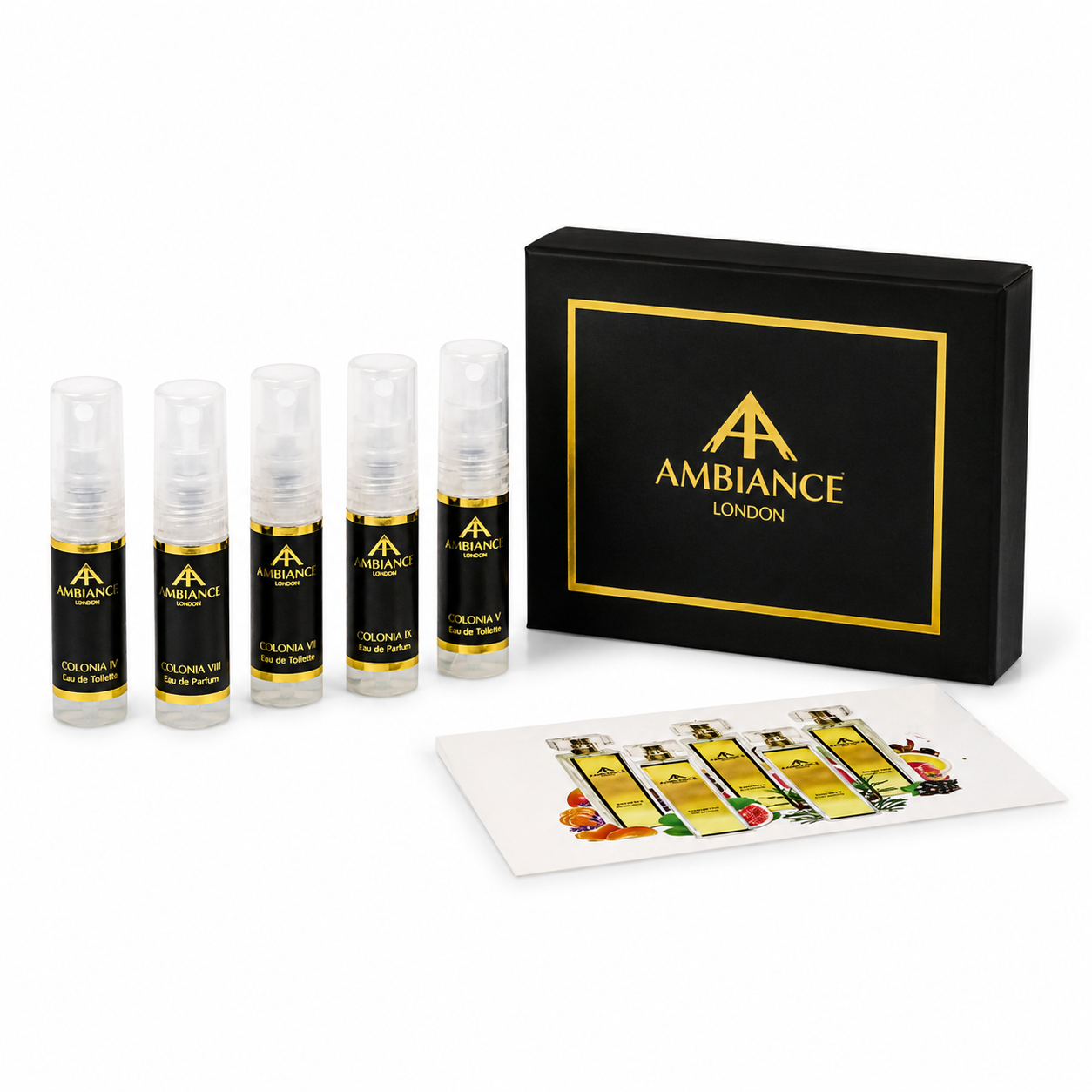
Ask someone unfamiliar with the set to remove the shortest, widest and edge-positioned containers. Observe whether they pull on a cap, press a spray head or disturb adjacent bottles. Repeat the check after one container has been removed. Verify the remaining positions with the actual sample.
Keep each fragrance identifiable outside the box. Container names, tray positions and the scent guide should agree. If the arrangement changes for visual balance, update the information with it. Customers should not have to remember the original slot to identify a sample in their hand.
Recheck every approved assortment
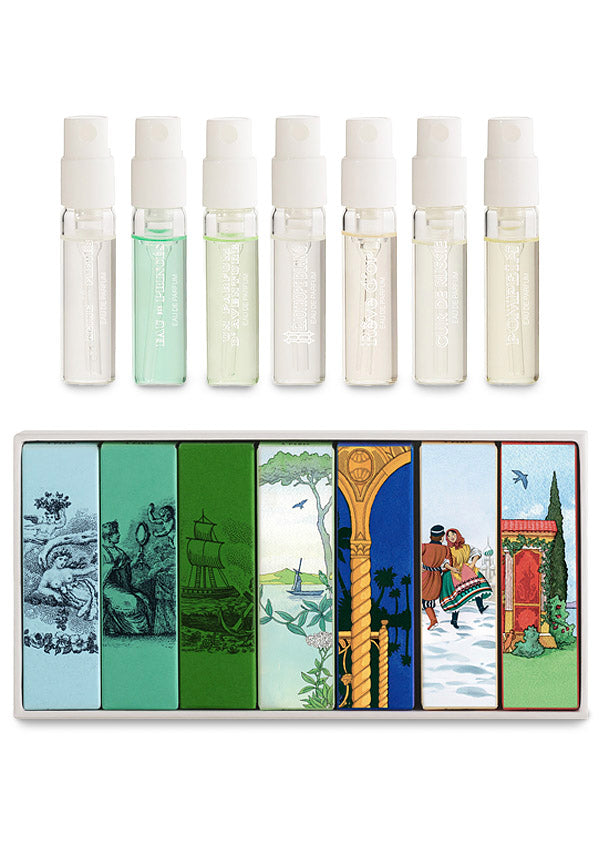
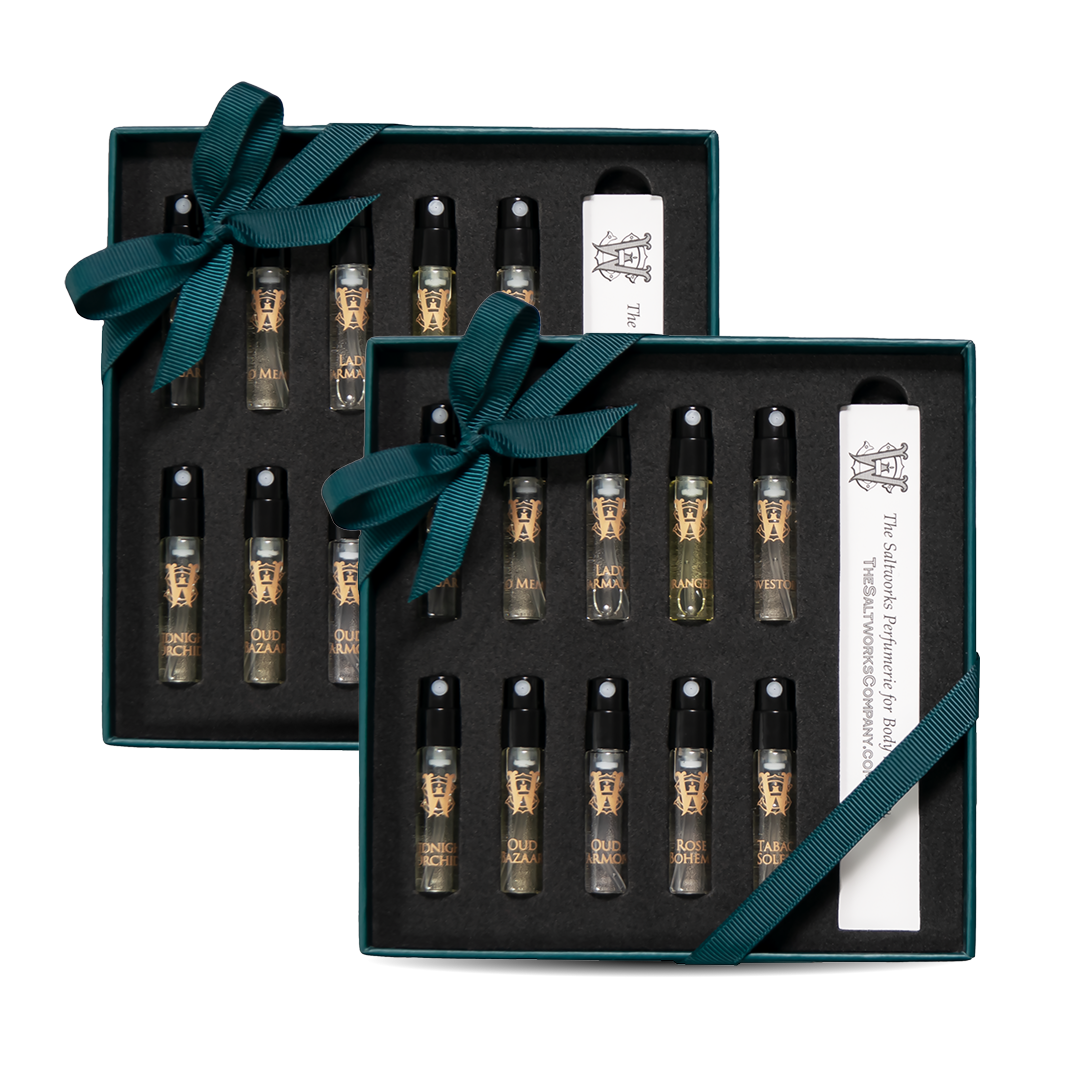
A shared outer box does not establish interchangeable inserts. Replacing one vial with a wider or taller container may affect neighbouring clearance, access, support geometry and lid space. Adding a card or scent strip can also change the packed condition.
Keep a packing map for each approved combination, including container versions, quantities, orientation, insert version and printed components. Similar-looking assortments need a reliable distinction during assembly. A personal storage solution that fits one uniform sample format does not establish suitability for a mixed retail set.
Verify the complete physical pack
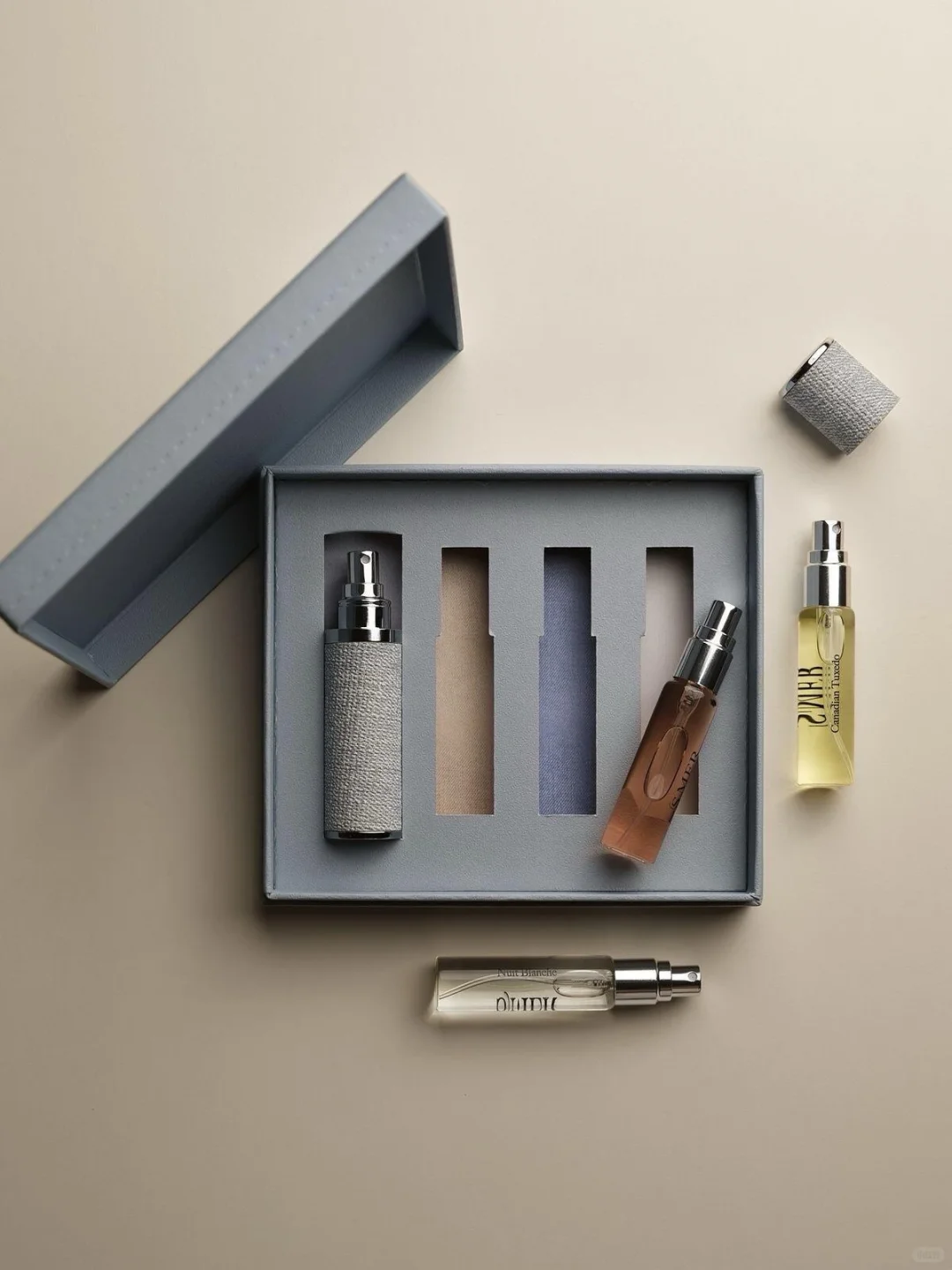
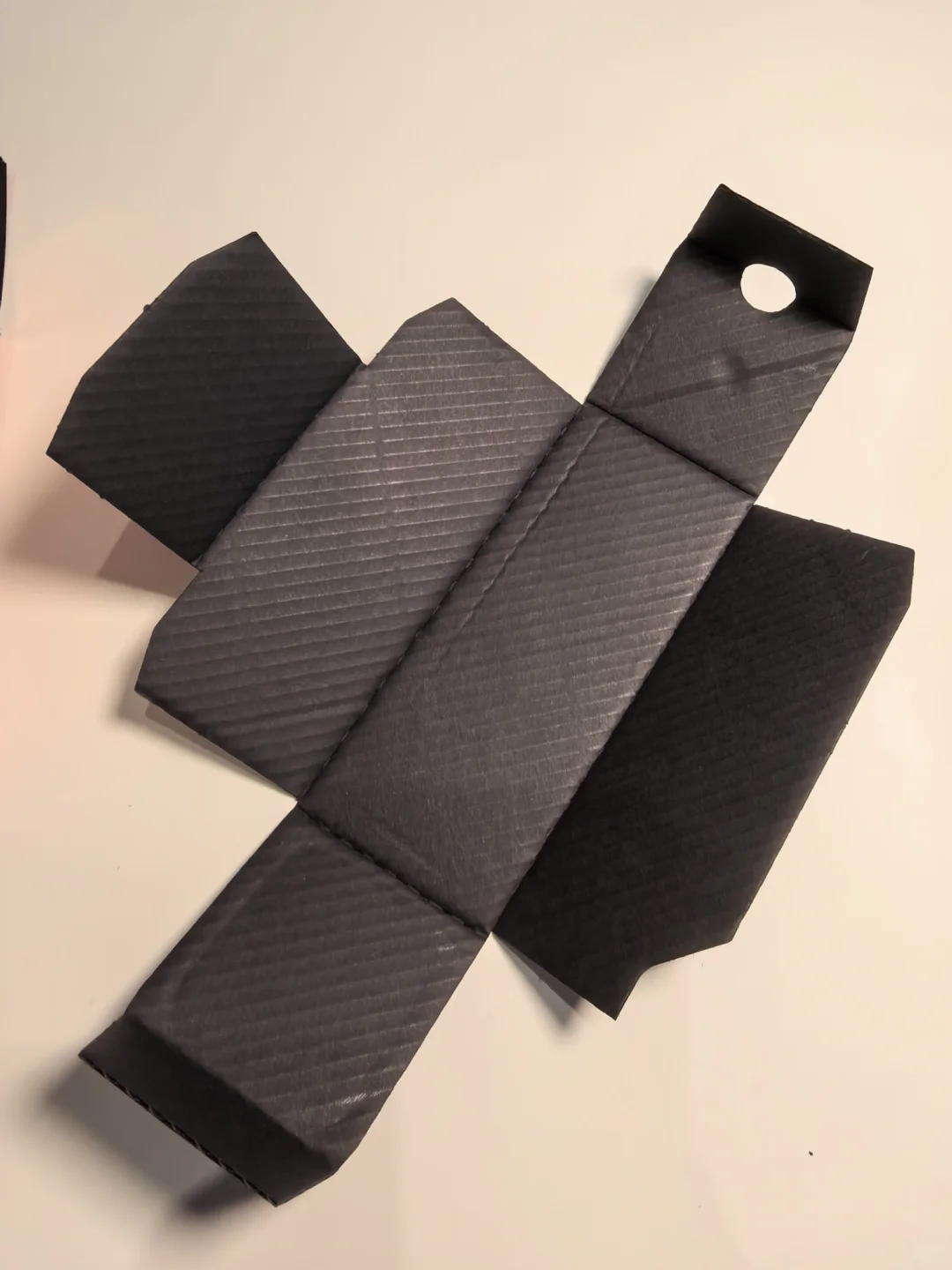
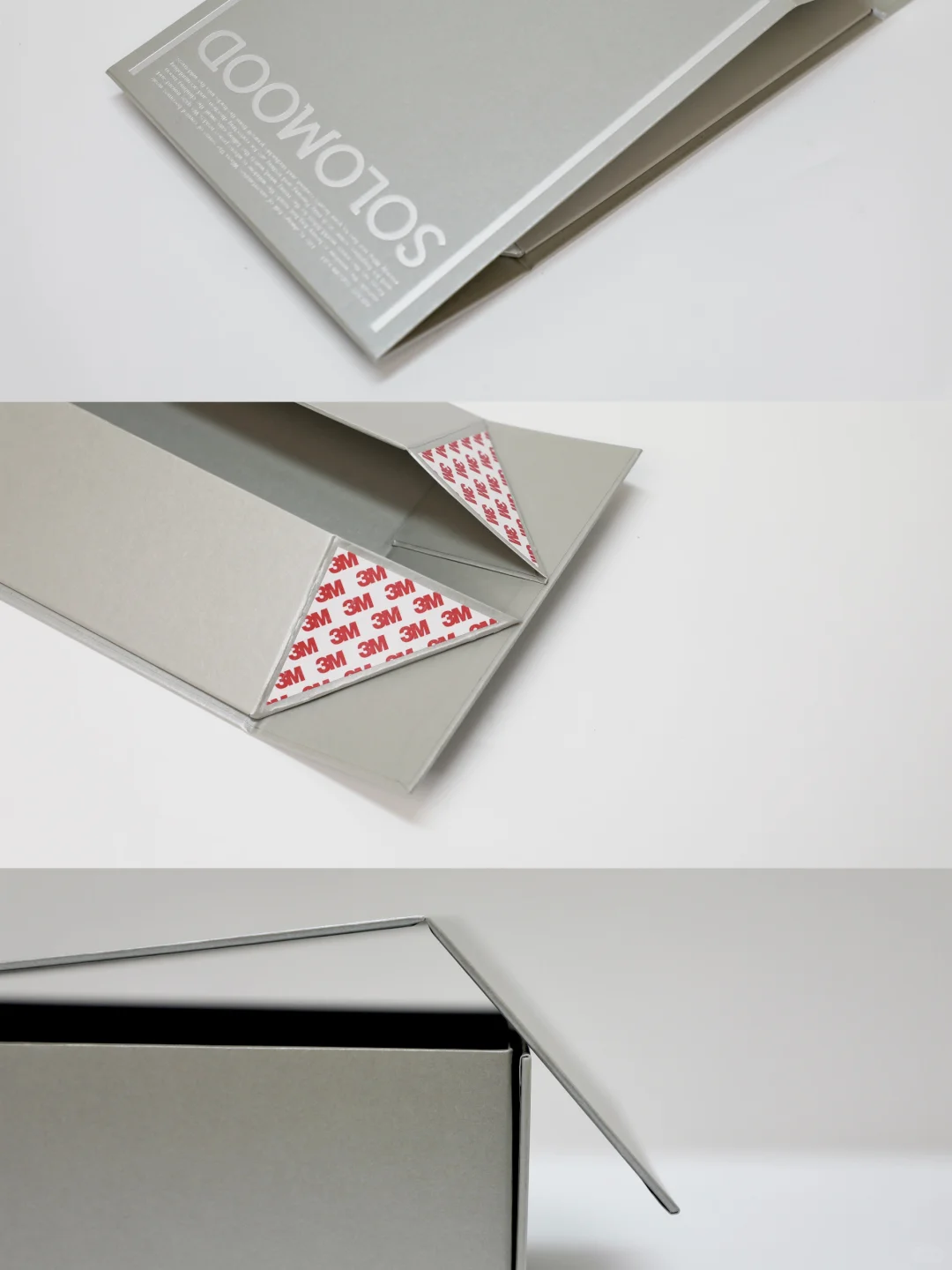
Review the empty box and formed insert, then pack the complete assortment using labelled containers with their actual closures. Check names on opening, individual removal and replacement, closure with all contents present, and the fit between the insert and box. Record agreed sample criteria for displacement and visible defects instead of relying on the word secure.
Presentation and handling checks do not replace distribution testing. If the set will be shipped, establish the verification requirements with the actual outer shipping packaging and packing configuration. Retain an approved sample, packing map and version record for repeat orders.
For a packaging enquiry, provide the full physical assortment, container dimensions, quantities, artwork and intended use. The aim is a clear place and suitable support for every container. An orderly appearance should follow from a layout that can be assembled, used and checked consistently.