
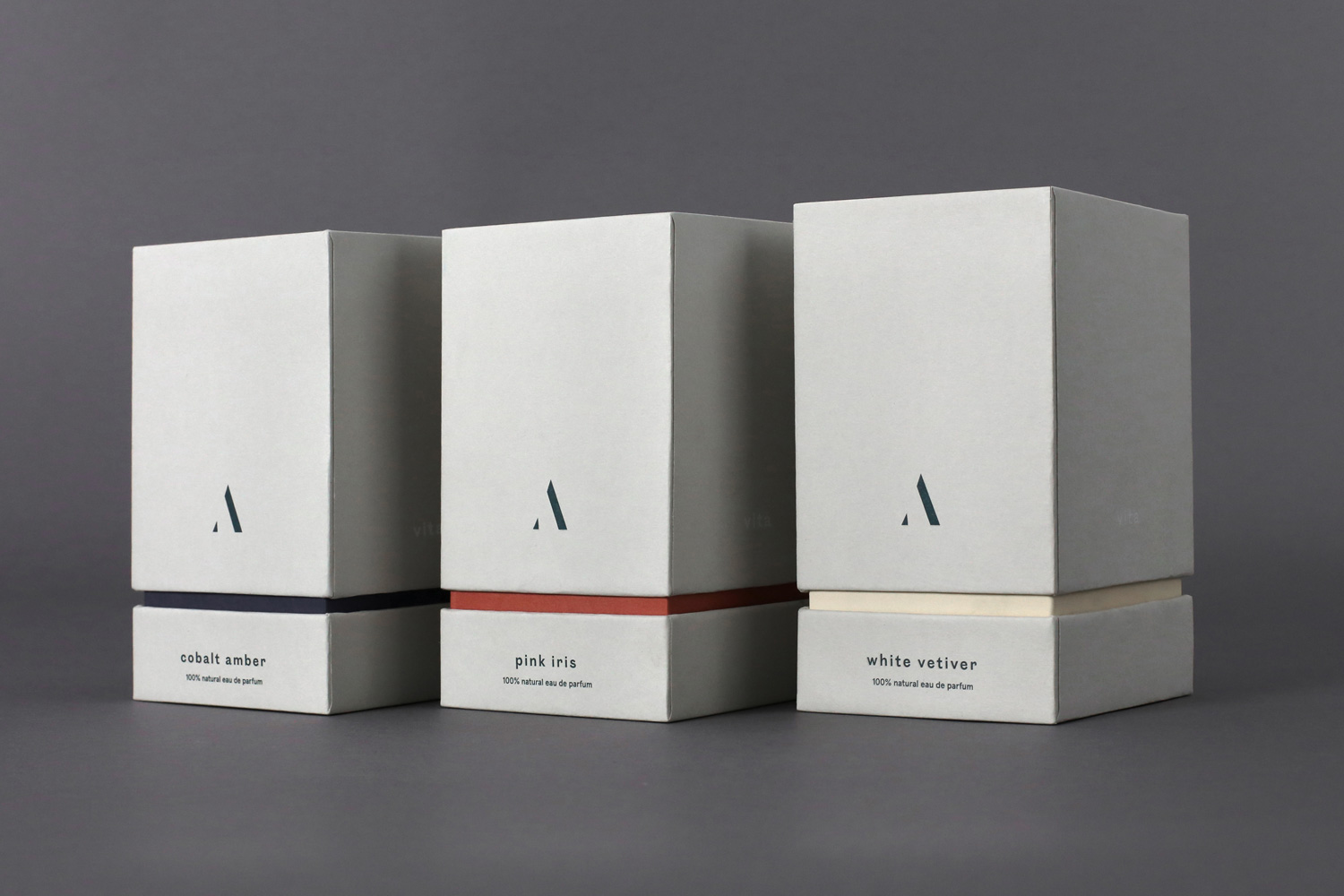
Three Abel cartons repeat the front mark and name position while varying the names and coloured bands. The image does not establish identical dimensions or stock specifications. Third-party reference; not a Bravo Package project.
A shared packaging system gives several perfumes a recognizable relationship while keeping each scent identifiable. Start by separating common rules from the fields that change by SKU, then check how those rules work on cartons, bottle labels and discovery cards. Colour can help people navigate the range, but clear names and correct product details still matter. A coordinated photograph is a useful presentation; it is only one part of checking the actual system.
Separate shared rules from variable fields
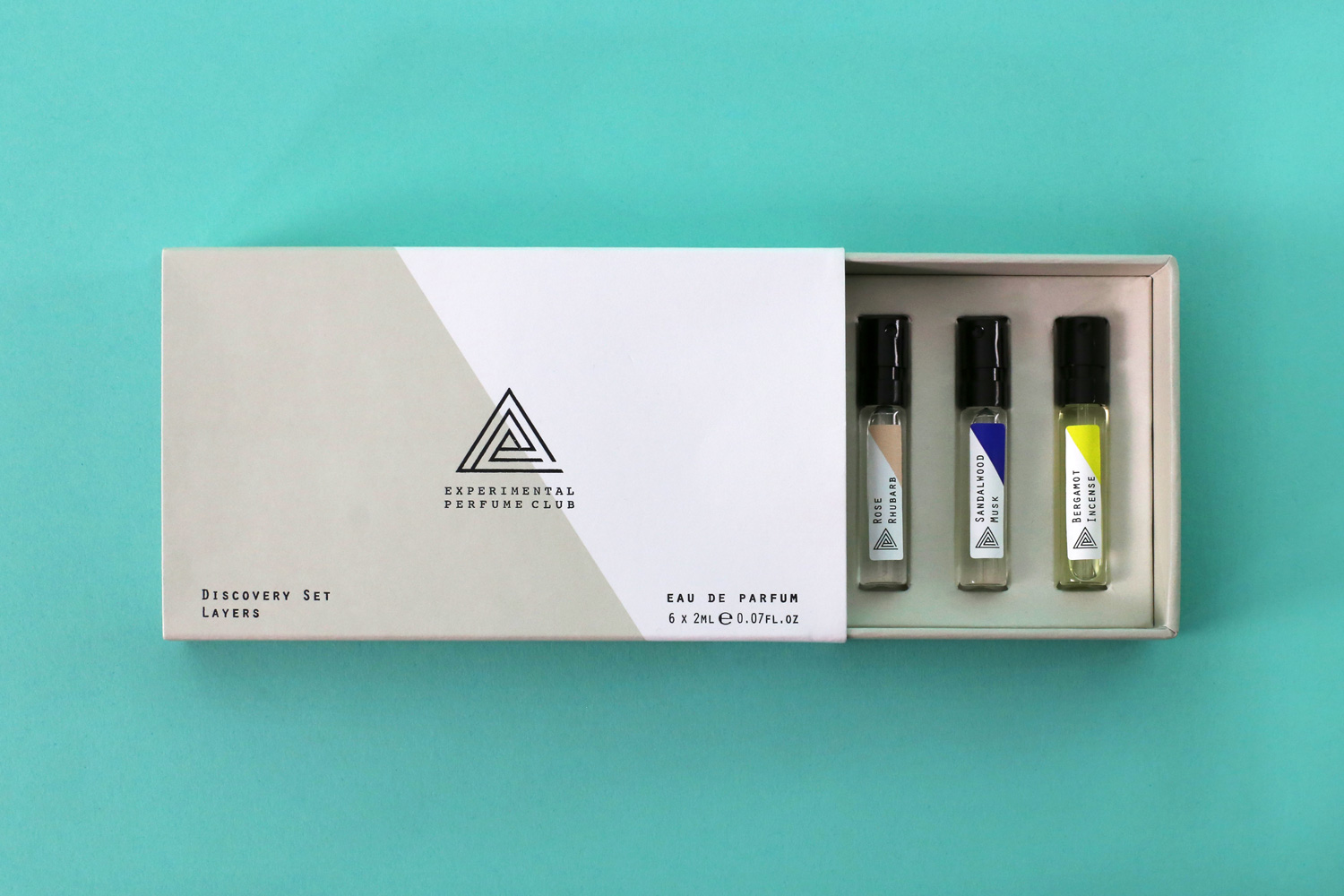
Begin with two lists. The shared list might include the treatment of the brand mark, typographic roles, information locations, alignment relationships and the purpose of a recurring graphic. The variable list should name the approved scent name, product size or set contents, language copy, colour, imagery and any identifying code for each SKU. “Keep everything consistent” is too vague to guide a new file.
Define where each rule applies. A common relationship does not require an identical measurement on every component. A long scent name or a narrow discovery card may need a different line break or arrangement. Record the adjustments allowed and the identifying relationships that must remain clear.
Use colour as a supporting cue
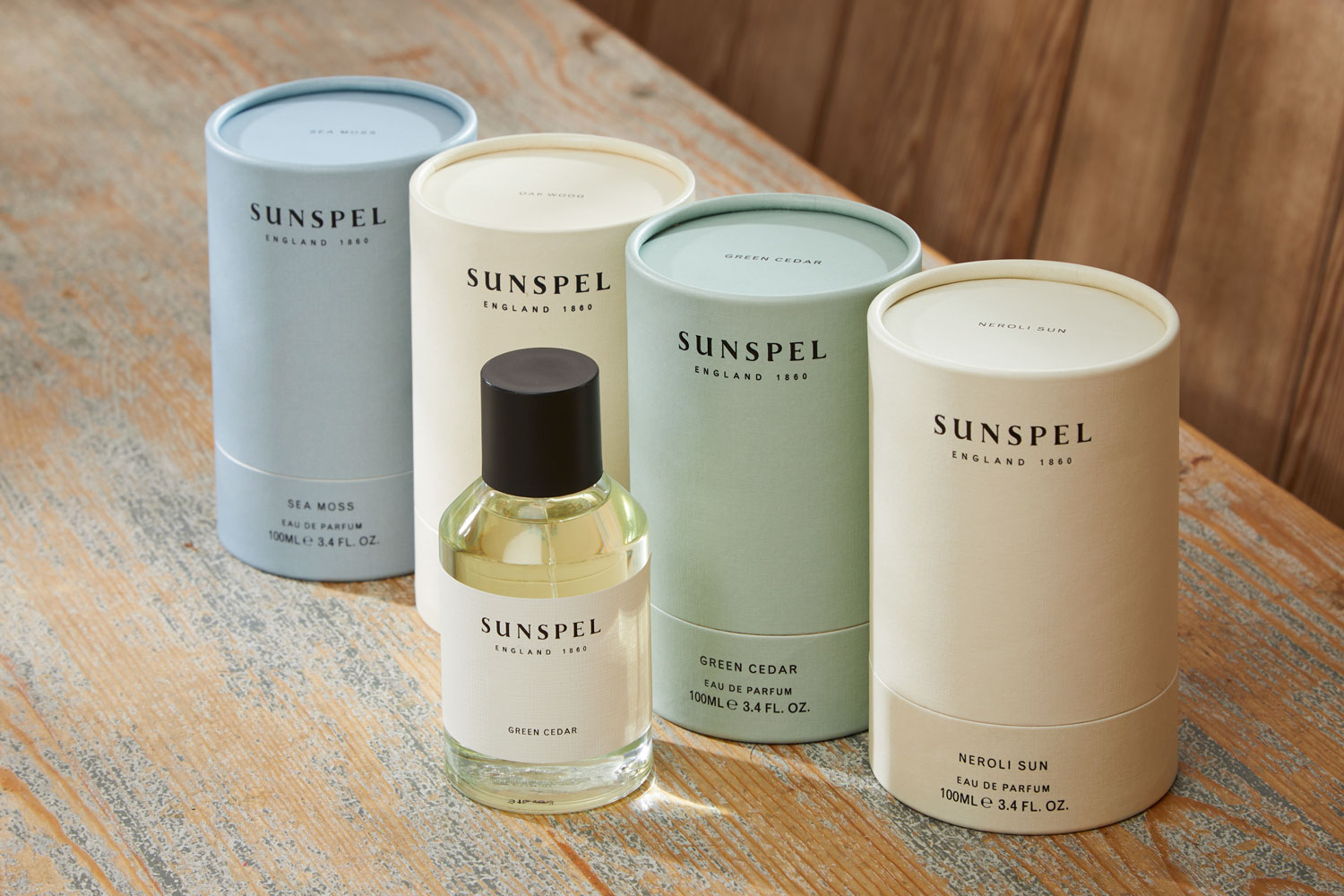
Colour, imagery and numbering can help a customer navigate a range, but the scent name and specification must remain easy to connect. Changing the colour of each carton is insufficient if the name is difficult to find. There is no automatic mapping between a fragrance family and a particular colour. A brand can build its own original associations and check them alongside the written identity.
Review each SKU alone before arranging the complete range. Can someone identify the scent without neighbouring products explaining the scheme? If lighting, photography or the substrate changes the apparent colour, can they still find its name and size? Keep scent storytelling separate from ingredient statements; an evocative note name does not establish a formulation.
Test long names, languages and narrow panels
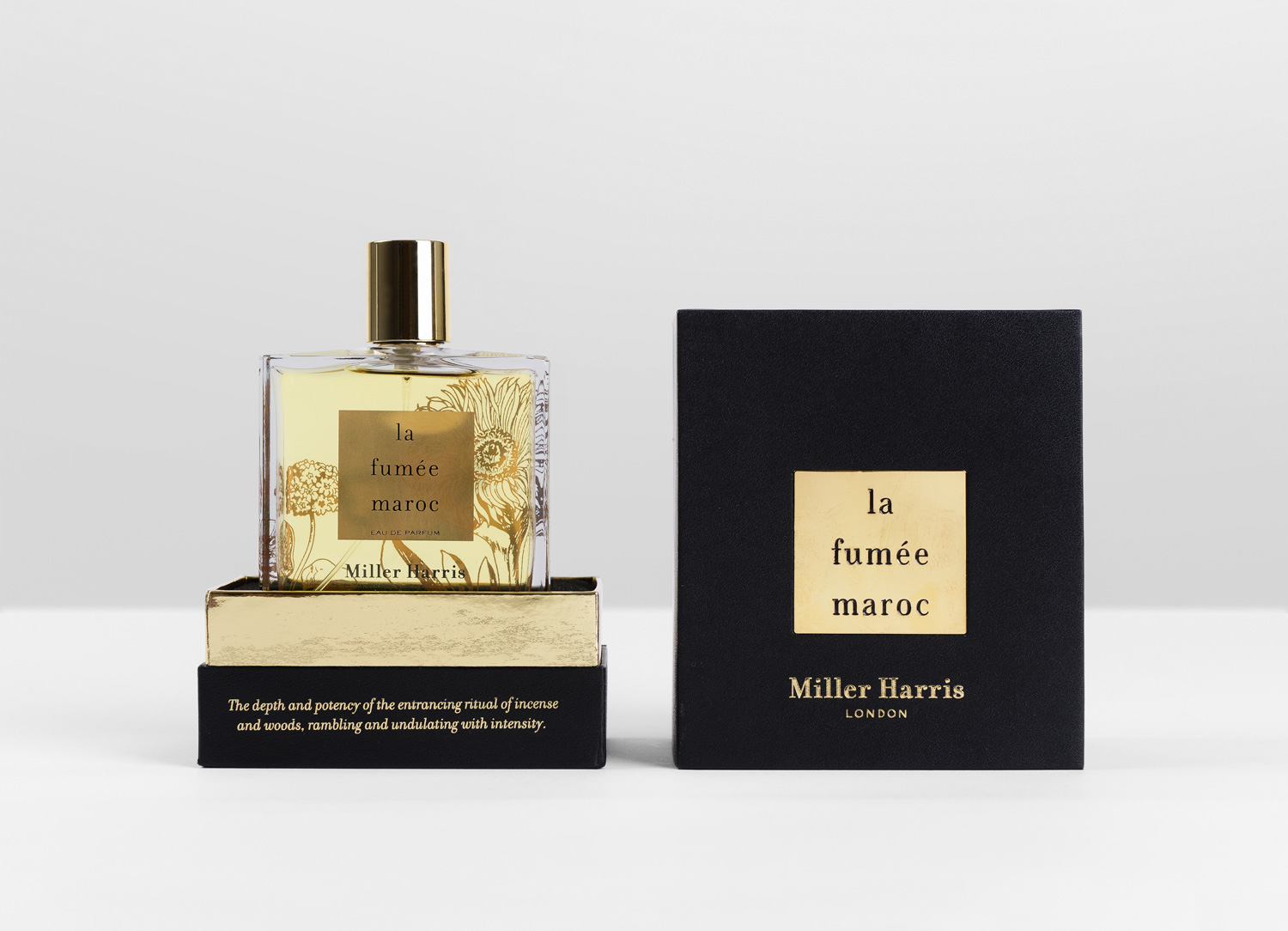
Do not demonstrate the master layout with the shortest name alone. Use the actual longest and shortest names, multilingual combinations, special characters and different product sizes. Check for overflow, misleading line breaks and capacity text that appears to belong to the wrong item. A shared typographic role does not require every scent name to have the same point size or occupy one line.
Review narrow side panels, small bottle labels and discovery cards at their actual dimensions. Scaling down the carton artwork is not a complete adaptation. Smaller components may need regrouped information and a different arrangement. Have the responsible content owner approve abbreviations or copy changes rather than letting a cramped layout make that decision.
Map cartons, labels and cards by SKU
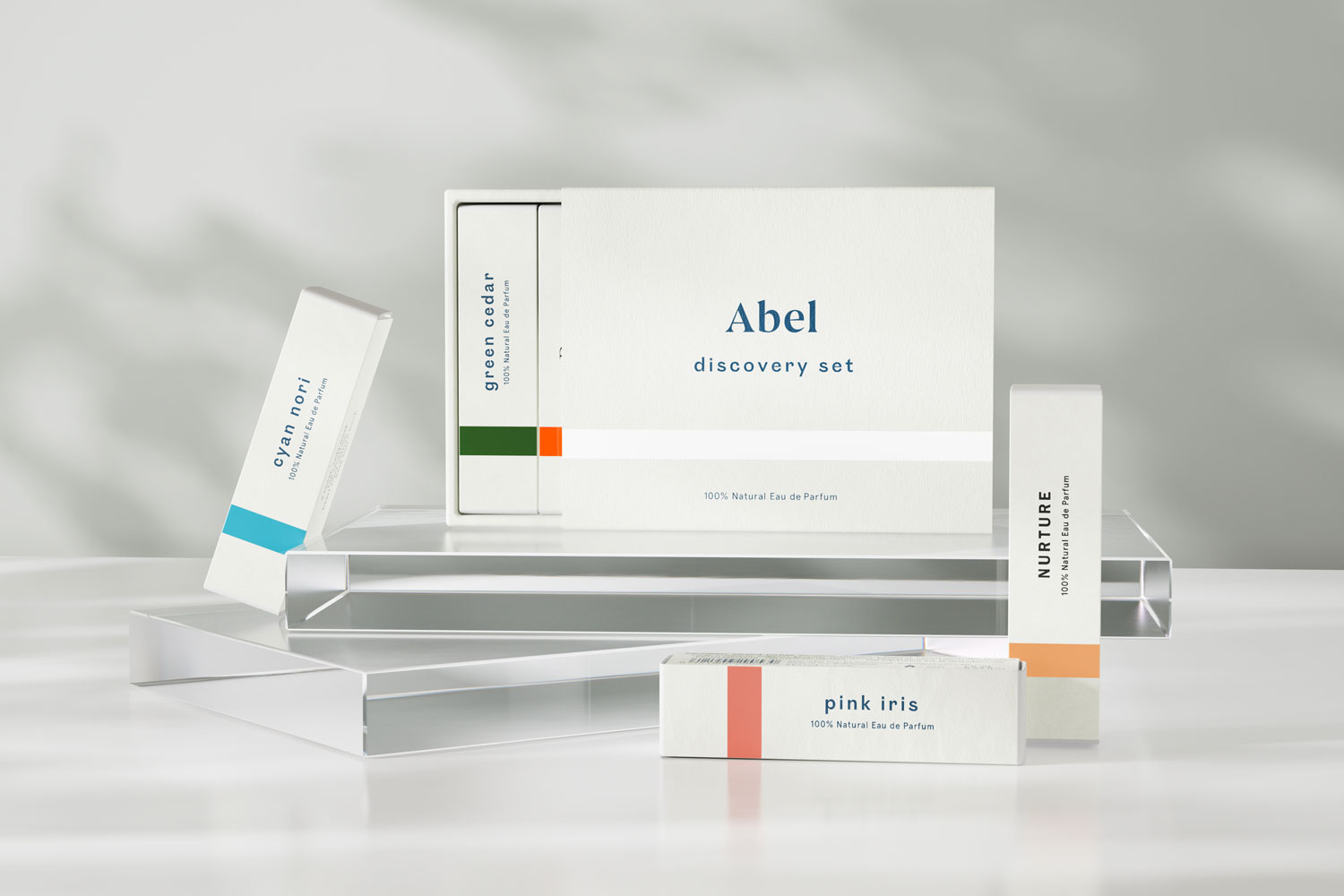
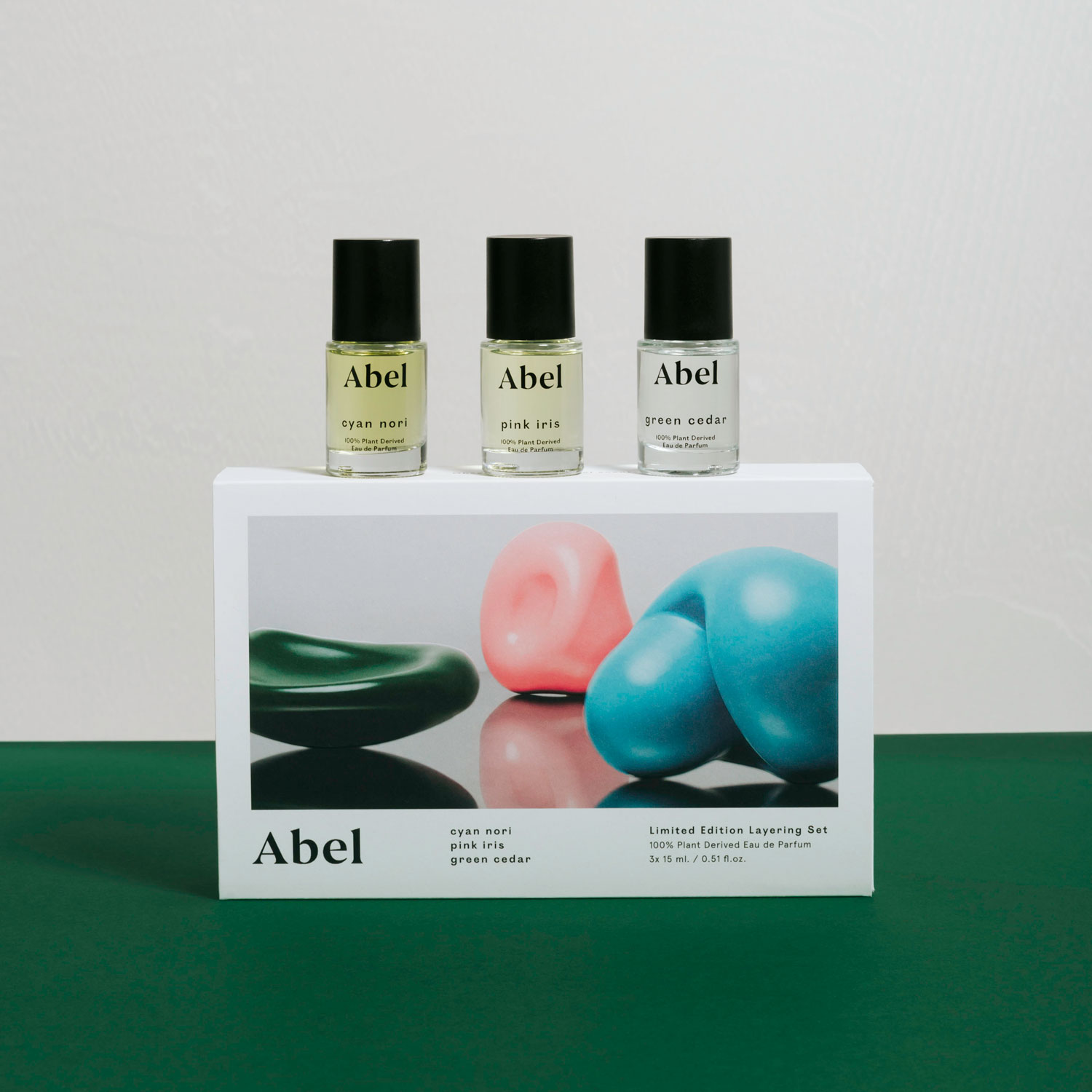
Give each SKU a stable internal record linking the carton, bottle-label and discovery-card filenames to their artwork and structure or size revisions. Record the approved name, specification, languages and applicable content displayed on each component. Check the actual bottle-and-box pairing. Visual similarity does not prove that two components belong to the same specification or product.
Full-size products, discovery formats and sets can share identifying roles while needing their own sizes and contents. Likewise, a coordinated appearance across different structures or materials does not establish that a dieline, insert or process setting can be shared. Keep the visual master, component specifications and physical matching records distinct, then link them under the relevant SKU.
Verify individual products, the range and samples
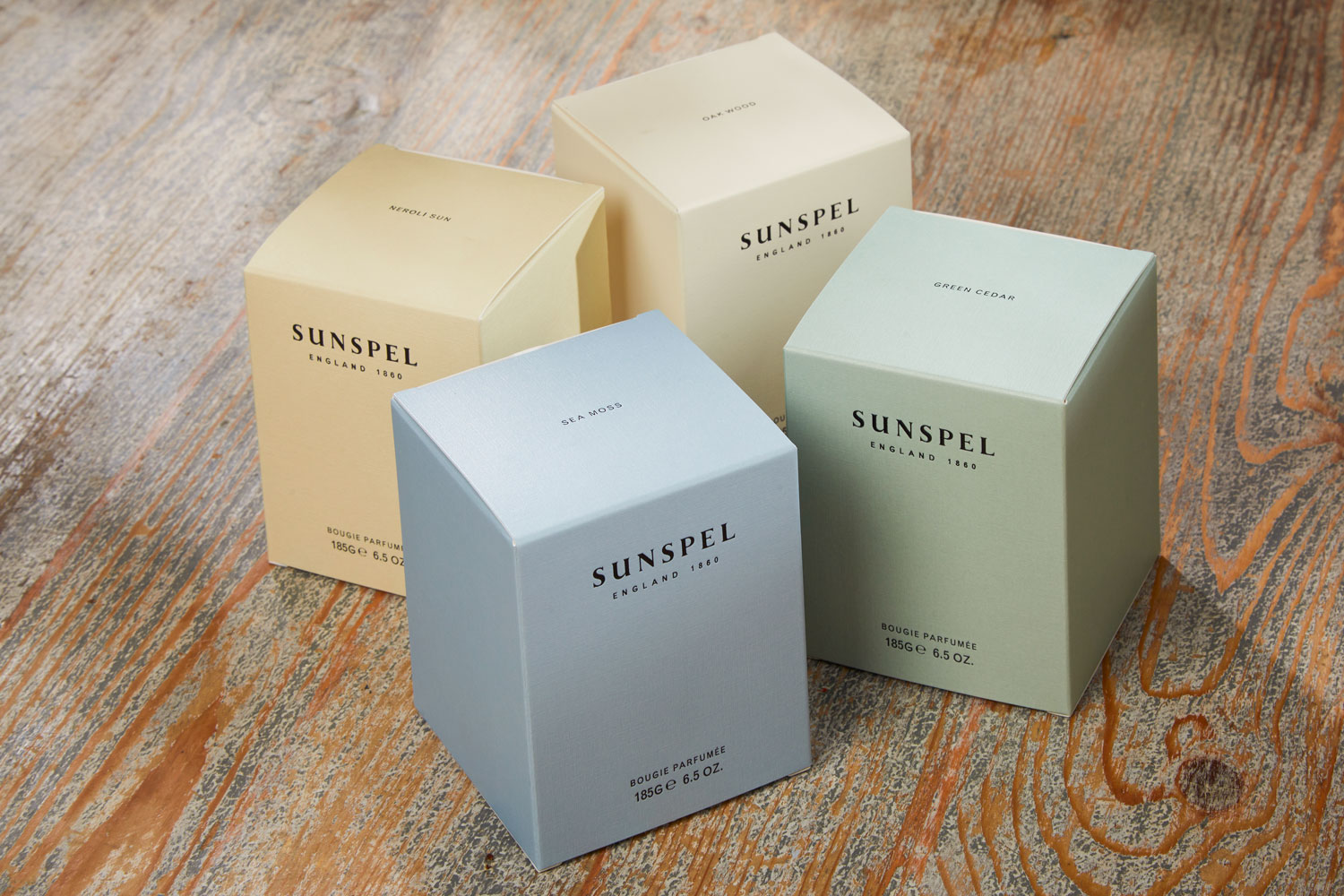

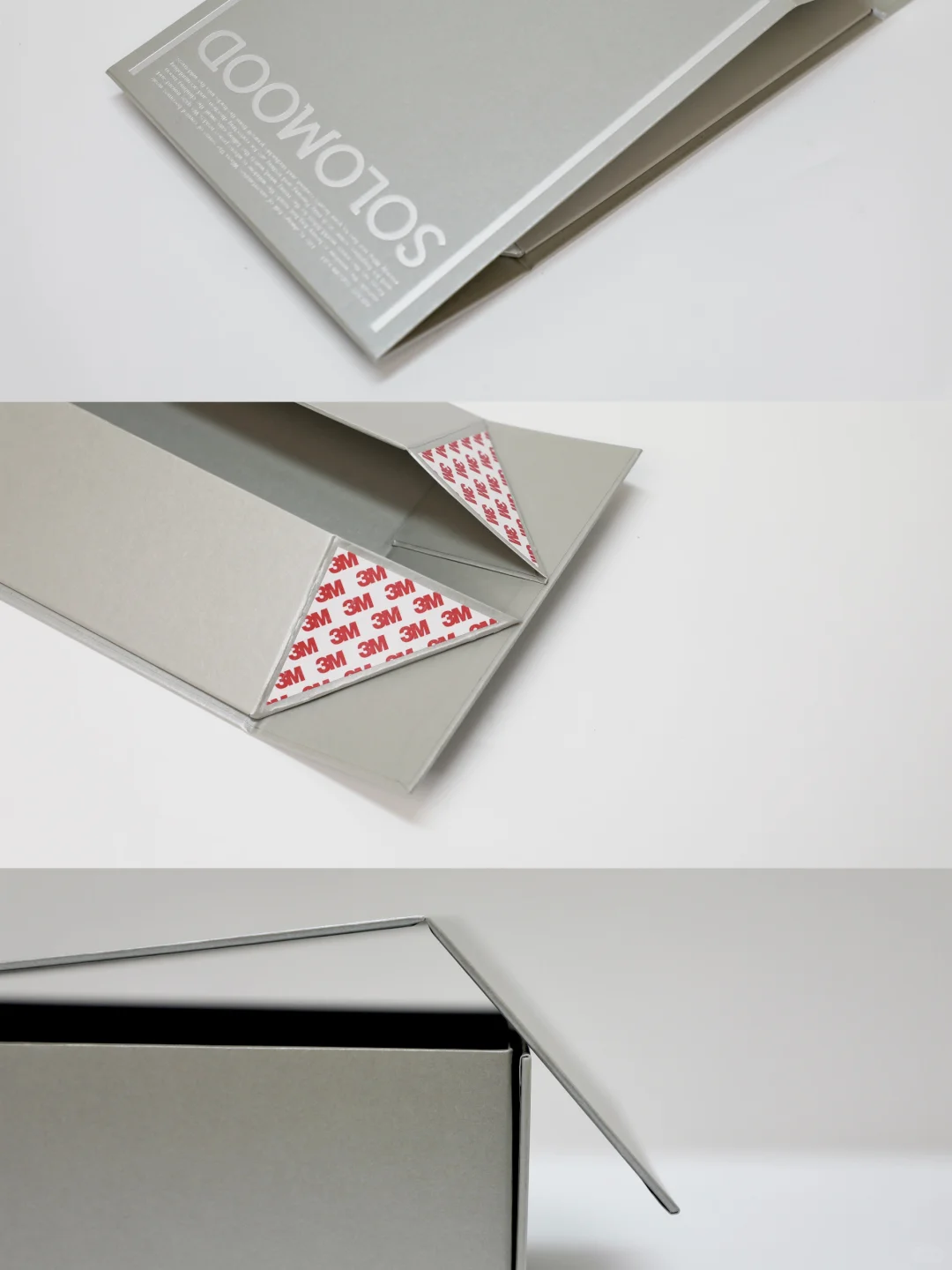
Individual identification, range presentation and physical use are different checks. First ask whether each name and specification is easy to locate. Then review the repeated positions and distinguishing cues side by side. Return flat artwork to the formed panels to inspect folds, joins, closures and reading while turning the pack. Review product thumbnails separately for scent differentiation; they cannot carry the complete detailed-information review.
Use samples made with the relevant materials, printing and finishing to assess text, colour and imagery. Substrates can change contrast and surface appearance. A common visual system does not guarantee identical processes or lower cost. Record what each sample actually confirms. Concept views, samples and range displays serve different purposes, and one approved sample does not establish continuing production consistency.
Manage additions, retirements and approvals
Before adding a scent, check whether its name, languages, size and components fit the scope of the master. If they fall outside it, document an exception or revise the rule and review existing SKUs affected by that change. Avoid silently moving a shared information location to accommodate one addition. Mark retired items clearly so that old names, sizes and artwork do not return to a new order.
An approval record should connect the system revision, individual SKU files, relevant samples, confirmed scope and unresolved items. Changes to copy, structure, materials or finishing call for another check of the affected components. Preserve content-review and visual-review decisions separately, with their responsible reviewers. The result is a system that another person can follow and extend, with a traceable basis for each approved product.